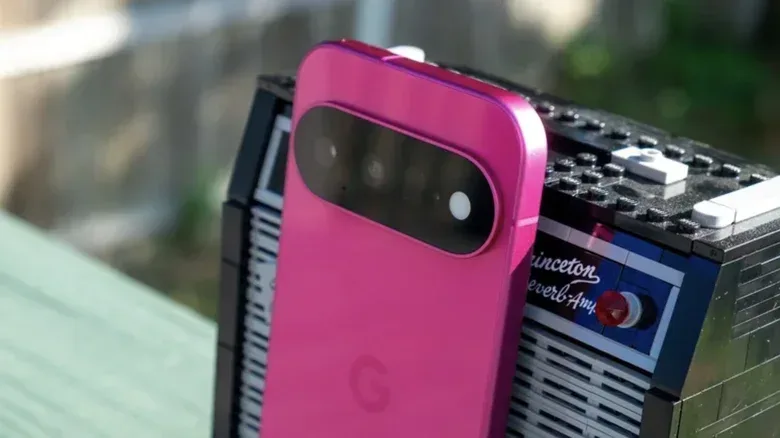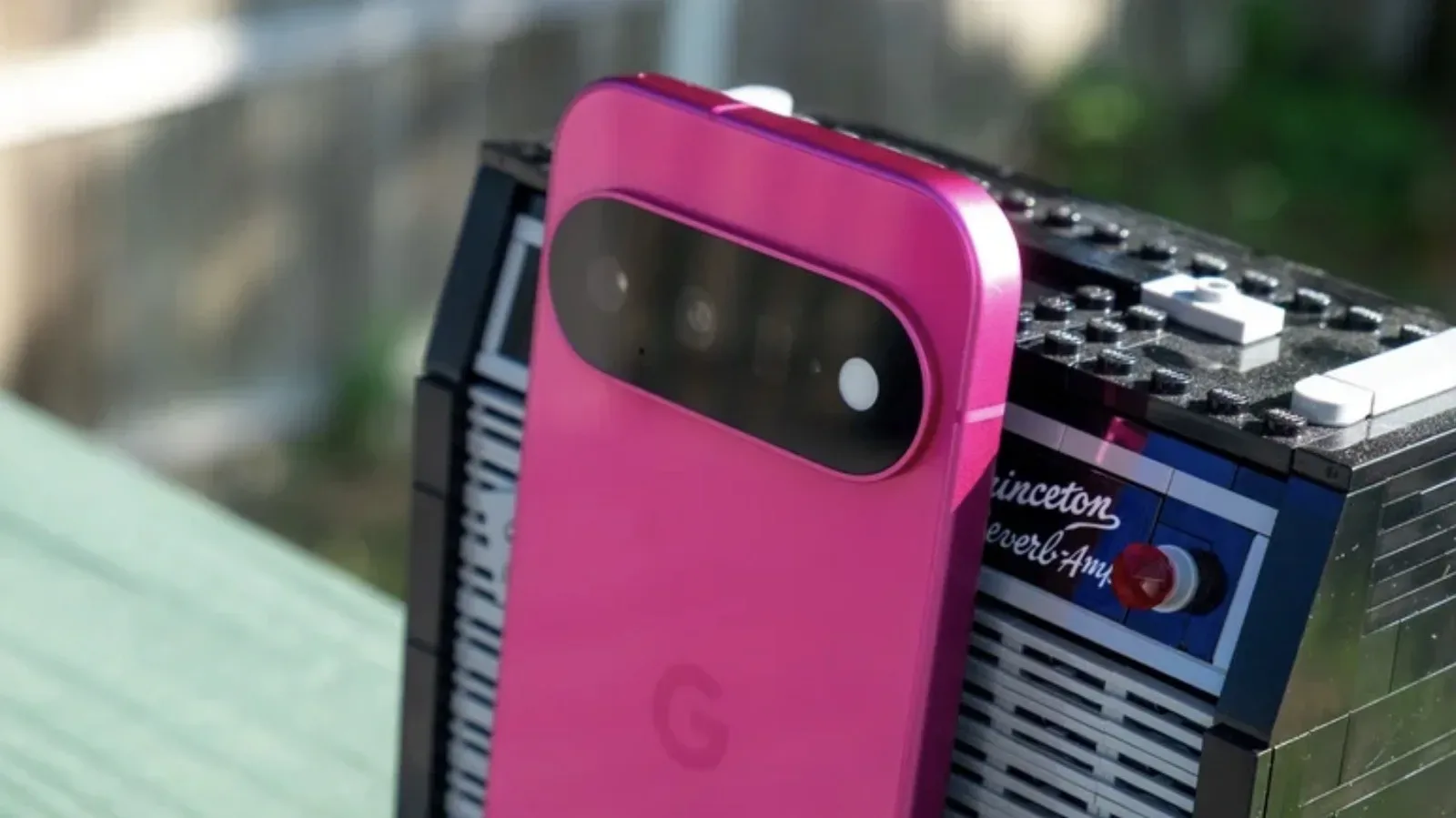
Phone calls have long contained a particular kind of low-stakes boss fight: the directory tree, the hold music, and the moment when a business needs one uncomplicated answer but getting it requires navigating three menus and waiting for a human being. Google’s new Call for Me feature for the Pixel 11 is designed to take on that chore—at least for a limited group of users and a defined set of routine tasks.
The feature is entering an early preview in the US for people who meet three conditions: they need a Pixel 11, a paid Gemini subscription, and enrollment in the Phone by Google Public Beta. That makes this a preliminary rollout rather than a general Pixel 11 capability. Anyone outside those requirements should not assume that Call for Me is available to them yet.
Within the Gemini app, eligible users can ask the chatbot to make a call. Gemini can then speak with the person who answers, move through directory menus, and remain on hold. Google describes the system as able to perform moderately complex business tasks, including asking a hardware store whether an item is in stock, changing a haircut appointment to another day, or reserving patio seating at a restaurant.
The notable shift is that this goes beyond an assistant merely alerting a user when hold time has ended. Google has offered the AI-driven Hold for Me function across several Pixel generations. Hold for Me deals with the waiting portion of a call. Call for Me aims to handle more of the actual interaction: listening for the appropriate menu option, reaching a person, communicating the request, and relaying what happens.
What Call for Me is meant to do
Call for Me appears intended for calls where the goal is clear, the information exchange is narrow, and a person can easily judge the result. The three examples offered by Google illustrate the boundaries well.
- Stock checks: asking whether a particular item is available at a hardware store.
- Appointment changes: requesting a different day for an existing haircut appointment.
- Restaurant requests: attempting to reserve a patio table.
Those are useful examples because they are not merely lookup questions. They can involve an automated phone tree, a hold period, and a short conversation with staff. Yet they are also structured enough that the caller has a specific purpose. The request is not “solve my life”; it is “ask this business this defined question and tell me what happened.”
That distinction matters. An AI phone agent is most practical when it can be given a concise objective and when its success or failure is readily understandable. If a store says an item is unavailable, an appointment cannot be moved, or a restaurant has no patio seating, the outcome is legible. The user can decide whether to take over, revise the request, or simply move on.
The live transcript is the important control layer
Google says Call for Me shows a live transcript as the call unfolds and lets the user take over the conversation at any point. A live transcript is text displayed in real time from the spoken interaction. In this case, it is not just a convenience feature for reviewing the call later; it is the mechanism that lets a user monitor what Gemini is doing while it is doing it.
That visible record is essential when software is speaking to another person on the user’s behalf. It gives the owner a way to follow whether the call reached the right place, whether the request was understood, and whether a question requires human judgment. It also makes the handoff less abrupt. Rather than receiving only a final result after an opaque process, the user can step into the conversation when needed.
“You remain in control at all times with a live transcript view and the ability to take over the conversation at any point,” Google says.
The phrase “remain in control” should be read as a product design promise, not a reason to stop paying attention. The preview’s strongest practical use is likely to be treating Gemini as an active caller for routine errands while the owner keeps one eye on the transcript. A reservation request or stock check may be straightforward until the business asks a follow-up question. The option to intervene is therefore part of the feature’s core function, rather than a backup detail.
Why the preview is deliberately narrow
The eligibility limits reveal that Google is approaching Call for Me cautiously. It is restricted to paid Gemini subscribers with the current Pixel 11, participants in a public beta of the Phone by Google app, and users in the US. A public beta is pre-release software made available to enrolled users so a company can gather feedback and identify problems before a broader launch. “Early preview” carries a similar implication: the feature is being introduced before it is presented as a finished, universally available service.
That staging makes sense for a tool that has to interact with automated systems and real people. A call may involve imperfect speech recognition, unexpected menu wording, long waits, a person who asks an unanticipated question, or an issue that cannot be cleanly resolved through a simple script. The supplied examples establish what Call for Me is being positioned to attempt, but they do not establish that every call type, business, or outcome will work consistently.
For users, the practical implication is simple: frame the tool as an experiment in outsourcing phone friction, not as a substitute for being reachable. Set a concise goal, follow the text on screen, and be ready to take the call. That approach fits both the availability label and Google’s stated emphasis on immediate user control.
From hold assistant to conversational delegate
There is a meaningful difference between waiting for a person and representing someone in a conversation. Hold for Me tackles a familiar pain point—staying connected while a business leaves the caller in a queue. Call for Me extends the AI’s role into the communication itself. The software can navigate an interactive voice response system, remain on hold, and then talk to the recipient.
Interactive voice response, often shortened to IVR, is the automated menu system that answers many business calls. It is the recorded voice asking callers to select or say an option before routing them. The information provided about Call for Me says Gemini can navigate directory menus, which is a key capability because many routine calls cannot reach a staff member without clearing that first automated gate.
For Pixel 11 owners in the preview, the attraction is not simply saving a few taps. It is reclaiming attention from the most interruptive parts of a routine phone call. A user who needs to check store stock does not necessarily need to personally listen to a directory menu or hold music. They do, however, need awareness of the question asked, the response received, and the point at which a conversation turns more specific. The transcript-and-takeover model is an attempt to split those responsibilities.
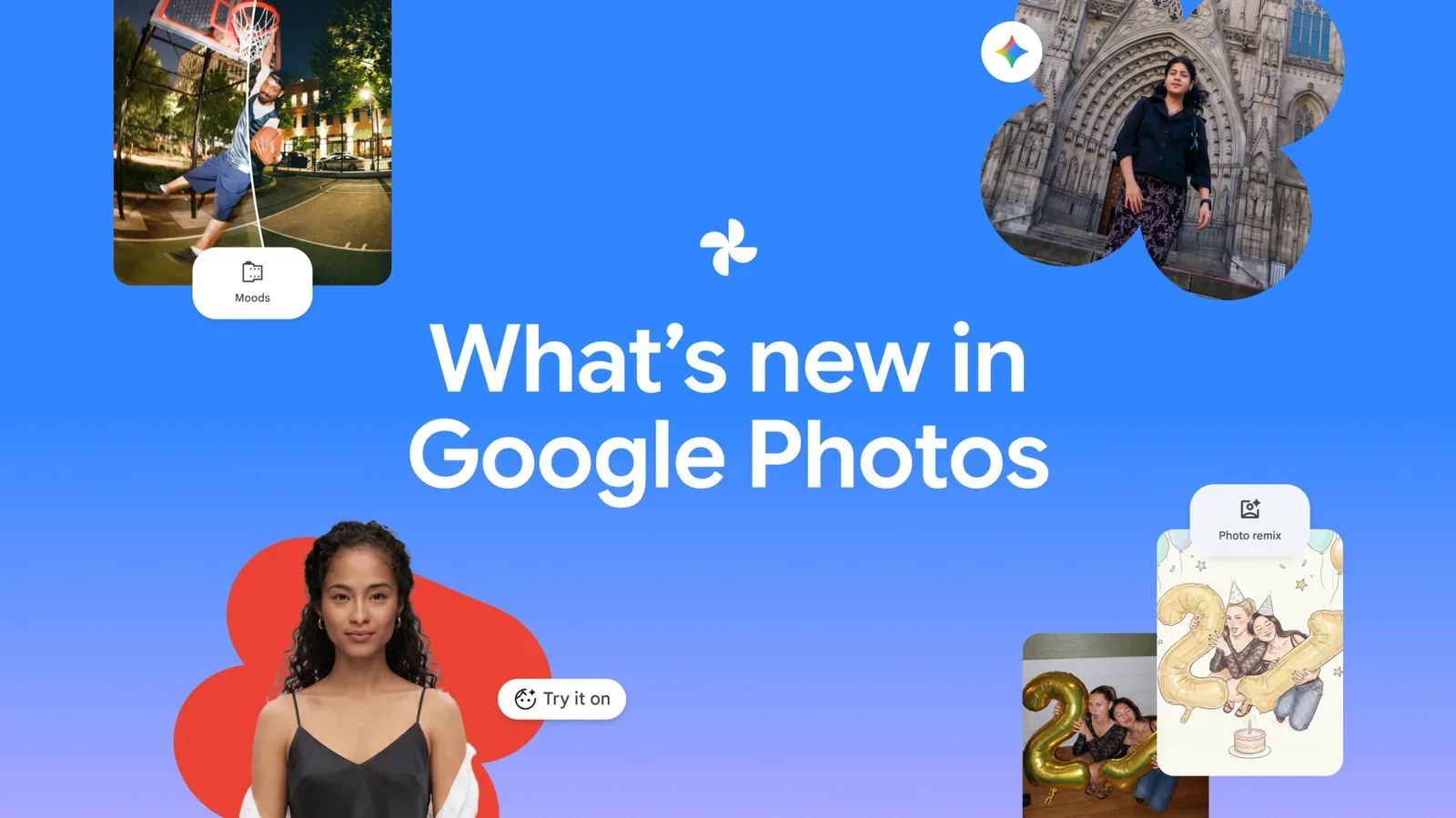
Google has been expanding AI-related tools across its devices and services, including privacy-oriented editing controls in Photos. Google Photos’ Redact rollout, for example, centers on removing or pixelating sensitive details. Call for Me addresses a different problem: handling a live, external interaction while keeping the phone owner in the loop. Together, such features show how AI tools can be framed less as isolated chat prompts and more as functions embedded in everyday device tasks.
Who should pay attention now
This preview is relevant first to the small group that can access it: US-based Pixel 11 owners who pay for Gemini and have joined the Phone by Google Public Beta. For that audience, the feature may be worth considering when the task is routine and the desired result is easily stated. Stock availability, a simple scheduling change, and a seating request are precisely the kinds of examples Google has named.
It is less useful to think of Call for Me as a blanket instruction to let an AI conduct all personal calls. The announced scope does not make that claim. Google characterizes the tasks as moderately complex, provides a few business-oriented examples, and foregrounds a user’s ability to take over. Those details point toward supervised delegation rather than total automation.
There is also a social element that a transcript cannot erase: another human may be speaking with software. That makes it particularly important for users to stay prepared to resume the conversation, especially when a request becomes nuanced. The value proposition is strongest when the assistant handles the repetitive mechanics and the user remains accountable for the actual decision.
What is confirmed—and what is not
Several details are clear. Call for Me works through Gemini on the Pixel 11; it can place calls, handle directory menus and waiting on hold, and speak with people for certain routine business matters. A live transcript is displayed during the call, and the user can take over. The preview is for paid Gemini subscribers who are in the Phone by Google Public Beta in the US.
Just as important are the limits of the information available. There is no stated timetable for an expansion beyond this early preview, no promise of availability for other Pixel phones, and no broad list of supported business categories. There is also no basis to assume that all calls will be completed without a handoff. The sensible expectation is that Call for Me can reduce the administrative grind of select calls while leaving the user close enough to the conversation to direct it.
For now, that is a potentially handy division of labor: Gemini gets sent to confront the phone tree; the Pixel owner keeps the map open and takes the controls whenever the quest stops being routine.