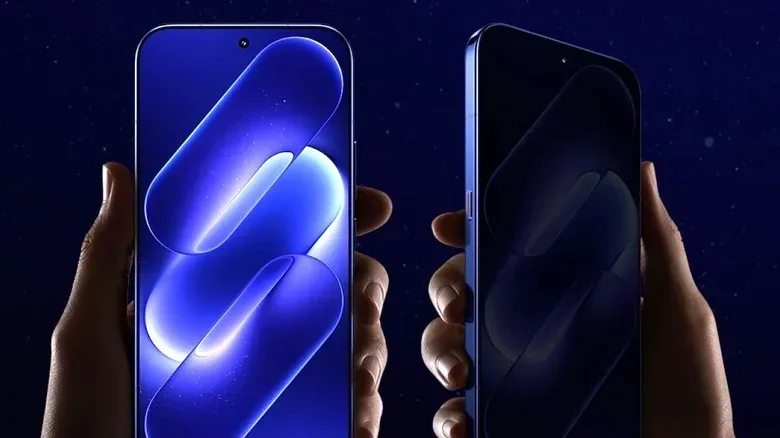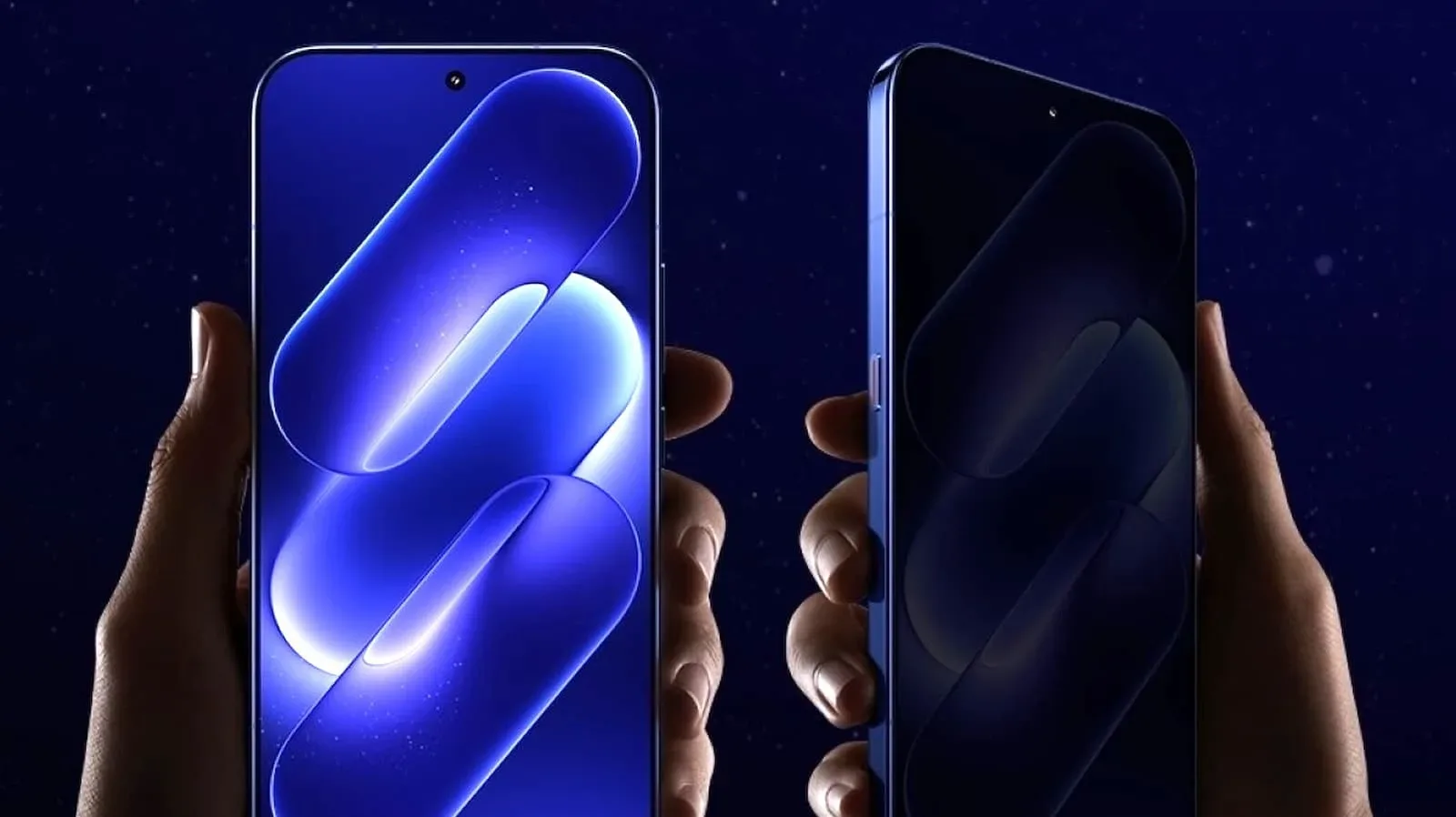
Xiaomi’s 18 Pro and 18 Pro Max are now on sale in China, with a broader launch planned for later this year. The headline specification is Qualcomm’s Snapdragon 8 Elite Gen 6 platform: Xiaomi says the 18 Pro is among the first phones using the new chip, while the 18 Pro Max uses a higher-end version.
But the more distinctive part of the pair may be what Xiaomi is doing around the display. Both phones use a privacy-focused screen mode intended to make on-screen material more difficult to read from sharp side angles. Privacy displays are not a new idea, and Samsung has used comparable technology in the Galaxy S26 Ultra, but Xiaomi’s implementation is notable for its app-specific controls and triggers.
That matters because a phone’s screen is often where sensitive information becomes visible in public: a banking balance, a login code, a notification preview, a private message or a split-screen work task. Xiaomi is positioning the feature as a way to limit casual shoulder surfing without forcing users to keep the entire handset in a permanently reduced-viewing mode.
Privacy mode is designed to cover more than one app window
The 18 Pro series can enable the privacy feature for individual apps. Rather than applying only when the selected app is open full-screen, Xiaomi says the restricted-angle view also covers that app’s notifications, split-screen panels and floating windows. That is an important detail in principle. A privacy setting that protected only the main app view could still leave information exposed in a notification banner or a multitasking panel.
Owners will have several ways to activate the feature:
- Enable it manually with a side button.
- Set location-based triggers.
- Apply it to selected apps.
- Allow the front-facing camera to identify potential onlookers and suggest turning it on.
The camera-based suggestion is particularly interesting, though it should not be confused with an automatic guarantee that a display is invisible to anyone nearby. Xiaomi describes it as a detection-and-suggestion tool. Its practical usefulness will depend on how reliably it recognizes the situations in which somebody is actually looking over a user’s shoulder, as well as whether owners are comfortable giving the handset that role. No testing or details about its detection behavior have been provided here.
Location triggers could make the setting easier to live with. A user could, for example, choose to have a privacy mode ready in places where they regularly handle confidential information. The useful distinction is that the control appears to be contextual rather than merely all-or-nothing. Still, buyers should wait for the full global software details before assuming that every option, app behavior or regional feature will be identical outside China.
The emphasis on sensitive on-screen details also sits alongside a wider trend of device-level privacy tooling. For another example of a feature aimed at obscuring sensitive visual information after it has been captured, see Google Photos’ Redact tool rollout. Xiaomi’s feature addresses a different moment: preventing a nearby person from easily seeing the display in the first place.
What the display specifications mean
The phones use 2K LTPO AMOLED main displays with a variable 1Hz-to-120Hz refresh rate and a quoted peak brightness of 4,000 nits. The 18 Pro has a 6.4-inch panel, while the 18 Pro Max increases that to 6.9 inches.
AMOLED is a display type in which pixels emit their own light. In everyday terms, that is the panel technology underpinning the screen; Xiaomi’s announcement does not by itself tell us how the privacy treatment will affect color, viewing comfort or brightness in use. LTPO refers to display technology that supports a wide range of refresh rates. A refresh rate is how often the image can update each second, measured in hertz. The stated 1–120Hz range means the phone can vary its behavior between a low update rate and a much faster one depending on the task.
That flexibility has a straightforward purpose: a low refresh rate can be appropriate when a mostly static image is on screen, while a high rate can make motion and scrolling look smoother. The listed 4,000-nit figure is a peak-brightness claim, not a promise that the panel will continually operate at that level across all content and conditions.
Xiaomi is also retaining rear displays from the 17 Pro family. These smaller screens can show notifications, and Xiaomi says Xiao AI can be used to generate mini apps for them. The secondary panel makes the back of the device more than a camera housing, though the announcement does not specify what mini apps are available, how they are created, or which functions will carry to a global release.
Same cameras, different size priorities
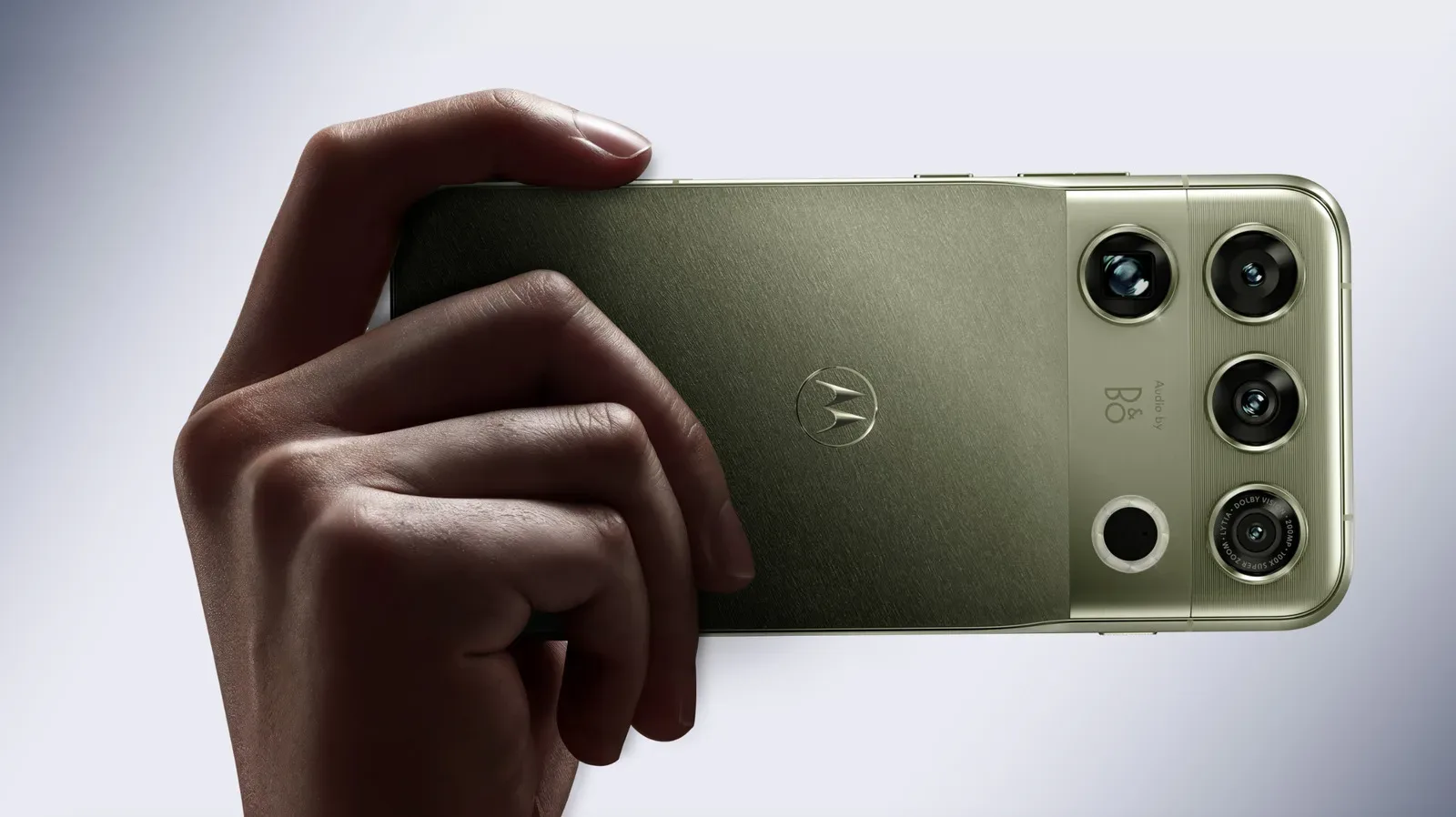
The two models share the same rear-camera arrangement:
- 200MP main camera with a 23mm lens.
- 200MP telephoto camera with a 75mm lens.
- 50MP ultrawide camera.
The millimeter labels describe the lenses’ stated focal-length perspectives. Broadly, a shorter focal length such as 23mm is suited to a wider main-camera view, while 75mm represents a narrower telephoto view that brings distant framing closer. Megapixel counts indicate the resolution of the image sensors, but they do not independently determine photo quality. Xiaomi has not supplied sample results or further imaging details here, so there is no basis to judge how these cameras compare with rival devices or earlier Xiaomi models.
The larger physical distinction comes from the screen and battery. Xiaomi lists a 7,000mAh battery for the 18 Pro and an 8,500mAh unit for the 18 Pro Max, describing both as larger than the previous generation. Battery capacity is measured in milliampere-hours, a measure of stored electrical charge, but it is not a direct battery-life score. Screen behavior, software, signal conditions and workload all influence how long a charge lasts. The two phones support 100W wired charging, 50W wireless charging and 27W reverse wireless charging.
Reverse wireless charging lets a phone send power wirelessly to another compatible device. It could be useful for topping up an accessory in a pinch, but Xiaomi has not provided expected charging times or conditions for any of the stated charging modes.
A new flagship chip, with important unanswered performance questions
Both handsets put Qualcomm’s Snapdragon 8 Elite Gen 6 at the center of their pitch. Xiaomi presented the phones at the Snapdragon Summit in Hawaii, and the 18 Pro Max gets the higher-end version of the platform. The base configurations start with 12GB of RAM and 256GB of storage.
RAM is the phone’s working memory, used by active apps and the operating system while tasks are running. Storage is where apps, photos, downloads and local files reside over time. Those figures establish the starting configuration, but Xiaomi has not provided a complete lineup of memory and storage variants in the available information.
A new flagship processor can shape gaming, imaging and multitasking expectations, but the chip name alone does not demonstrate final performance, heat management or battery results. Those depend on the finished device and software. The available details establish that Xiaomi is using Qualcomm’s latest mobile hardware early; they do not establish benchmark scores or sustained gaming behavior.
China pricing and global-release caveat
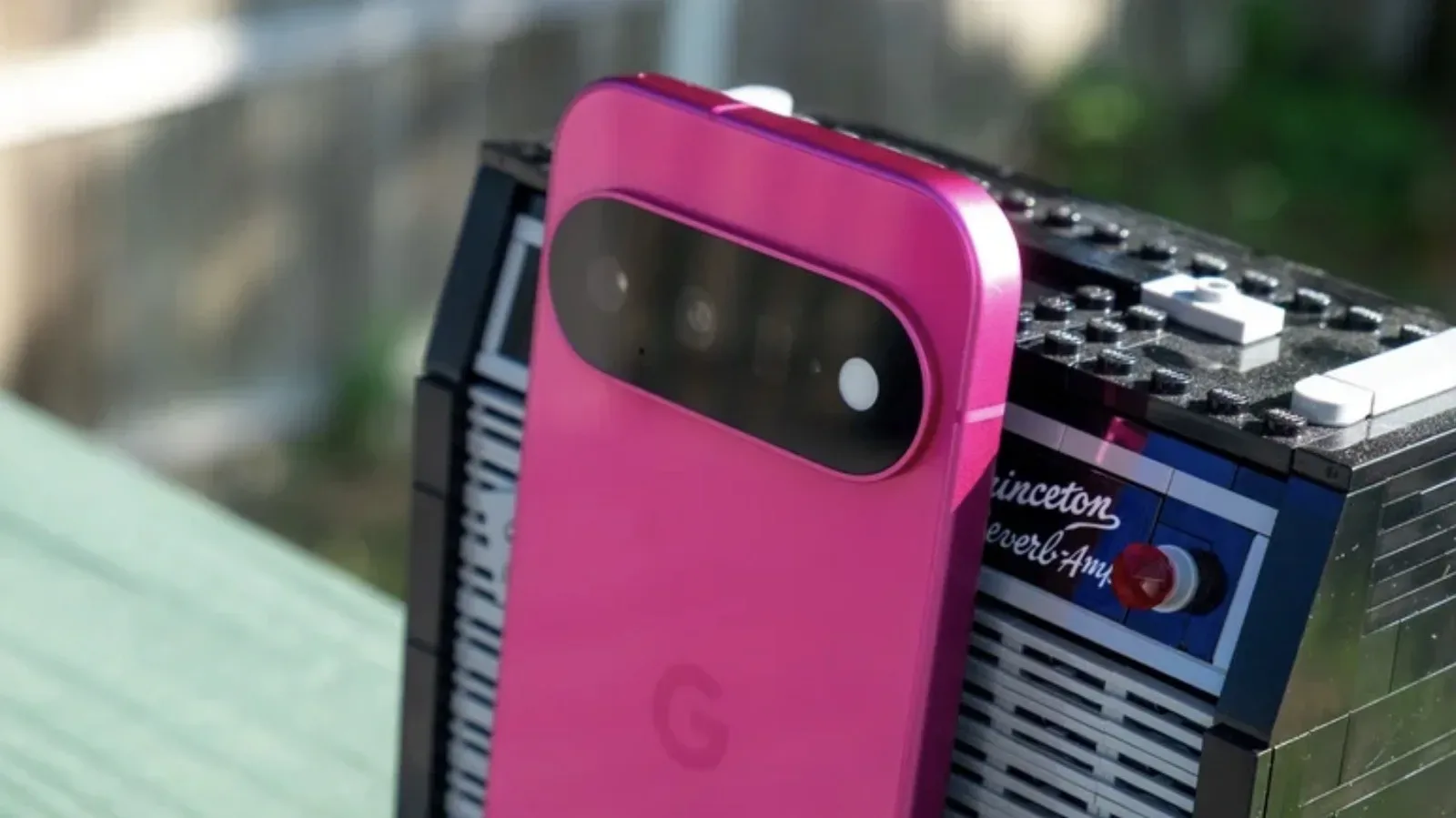
The Xiaomi 18 Pro begins at 5,999 yuan, listed as roughly $894, while the 18 Pro Max begins at 6,999 yuan, roughly $1,043. Both are offered in black, white, pink and blue. Xiaomi also has a special red edition with some transparency on the rear.
Those are China launch prices and should not be treated as confirmed pricing in other markets. Xiaomi has said a global release is planned for later this year, but the available information does not specify markets, dates, local configurations or prices. It also does not establish whether every feature discussed here, especially location-based behavior and the rear-screen software experience, will launch the same way internationally.
For now, Xiaomi’s strongest differentiator is not simply a larger battery or a newer silicon label. It is the attempt to make display privacy a situational, app-aware control: one that extends beyond a single full-screen app into notifications and multitasking views. Whether that makes the 18 Pro line meaningfully better for public use will come down to execution, but the approach is more specific than a generic privacy-mode toggle.