Finding an Android phone that meaningfully matches Apple’s top iPhone is not as simple as lining up processor names, megapixel counts and battery capacities. Those specifications matter, especially for demanding work such as video editing and gaming, but a flagship phone is also the sum of its software, camera results, availability and the small day-to-day details that make an expensive device easy to live with.
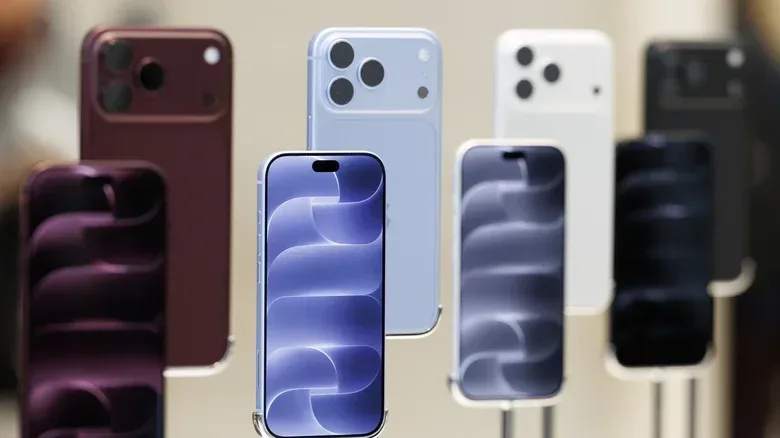
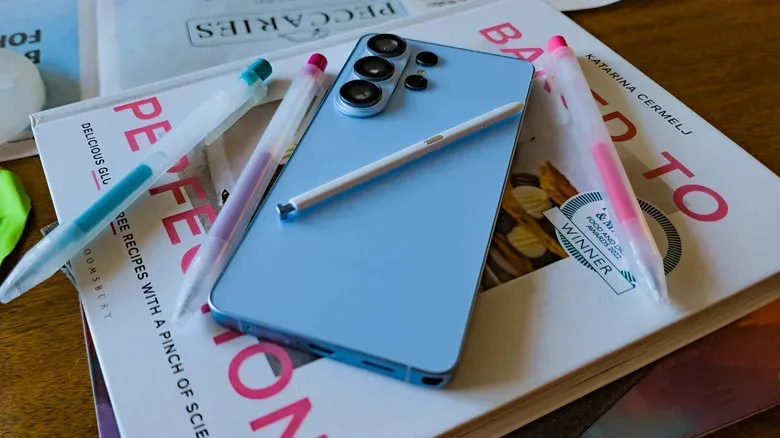
On that broader definition, the Samsung Galaxy S26 Ultra is the closest Android counterpart to the iPhone 18 Pro Max. It is not an identical experience, and it does not win every head-to-head hardware comparison. The iPhone 18 Pro Max retains meaningful advantages in processing performance and smartphone video. But Samsung’s February 2026 flagship combines high-end parts, a mature Android interface and mainstream North American carrier availability in a way its immediate rivals do not fully match.
That distinction is useful because “best” depends heavily on what a buyer actually needs. Someone who mainly values the fastest chip and video capture may land on the iPhone. Someone buying outside the United States or Canada may have an especially compelling Xiaomi alternative. And someone who prioritizes Google’s vision of Android may still prefer a Pixel despite its performance limitations. The S26 Ultra’s argument is not that every other Android flagship is weak; it is that it most closely reproduces the all-round, widely obtainable flagship proposition represented by Apple’s largest Pro iPhone.
Why the Galaxy S26 Ultra is the closest overall match
The Galaxy S26 Ultra arrives with Qualcomm’s Snapdragon 8 Elite Gen 5, 12GB of RAM and a 5,000 mAh battery. The 1TB storage model raises memory to 16GB. In practical terms, RAM is the working memory used to keep applications and active tasks available; more of it can help a phone sustain heavy multitasking. The processor, meanwhile, is the central system-on-chip that handles general computing work and many graphics-intensive tasks.
That specification set gives Samsung’s phone abundant headroom for the kinds of jobs people expect a premium handset to tackle: editing video, playing demanding games and moving between several applications without treating the device like a fragile pocket appliance. Capacity alone does not settle a phone comparison, but it helps establish that this is a serious flagship rather than a device that merely looks the part.
The display is another major part of the package. Samsung supplies iPhone displays, while its own Ultra model is positioned around a premium screen experience. More distinctively, the S26 Ultra includes Privacy Display, a feature designed to make the screen harder to view from off-angle positions. That is a practical advantage in shared spaces: it is intended to reduce casual shoulder-surfing rather than to turn the phone into an invisible object.
Software is where Samsung’s case becomes more important than a spec-sheet contest. Apple’s premium-phone appeal has long been tied to the close relationship between iPhone hardware and iOS. Android devices use a common underlying operating system, but their makers provide different interfaces and feature layers. Samsung’s version is One UI 9, its software layer on Android. It is presented here as more refined and easier to use than Xiaomi’s HyperOS implementation on Android 17.
This does not mean every person will find One UI 9 preferable. Interface comfort is personal, and a buyer’s existing apps, habits and preferred services matter. It does mean that Samsung has a credible answer to a frequent iPhone advantage: the sense that flagship hardware is paired with a cohesive, consumer-ready software experience rather than an impressive collection of components that requires compromises elsewhere.
Availability is the other easily overlooked pillar. The iPhone 18 Pro Max is sold broadly through major U.S. carriers. The Galaxy S26 Ultra occupies a similarly accessible position. That makes a difference for shoppers who buy through carrier channels, depend on familiar local support options or simply do not want an import-oriented purchasing process. A close counterpart should be comparable not just once it is in someone’s hand, but at the point of purchase too.
Where the iPhone still has the clearer advantage
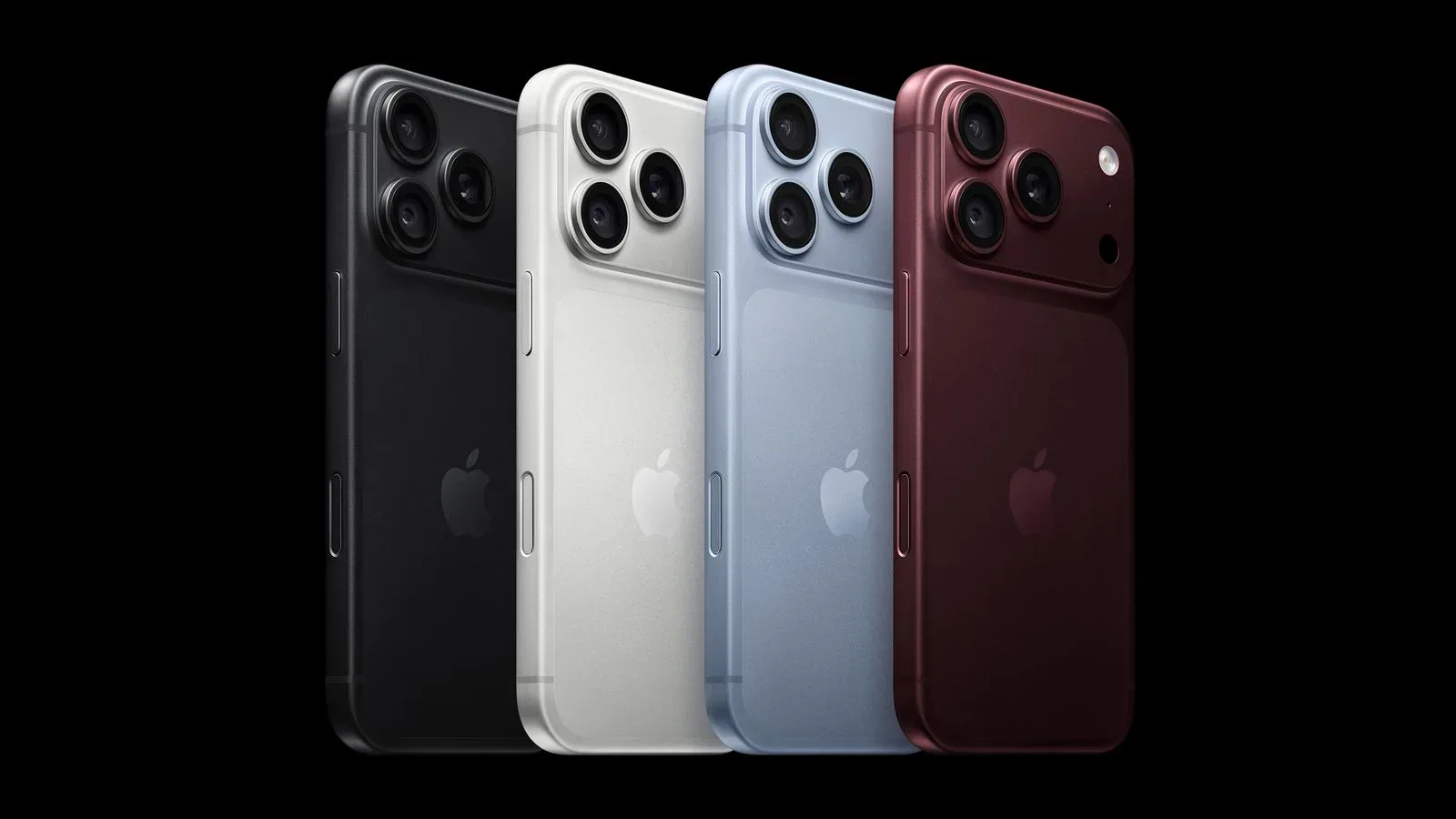
Calling the S26 Ultra the closest Android equivalent should not erase the gaps. The iPhone 18 Pro Max uses Apple’s A20 Pro chip, described as faster than the Snapdragon 8 Elite Gen 5. Chip manufacturing terminology can sound like a simple hierarchy, but it is worth separating two ideas. A 2nm process refers to the manufacturing process associated with Apple’s first mobile processor built on that process; it is not, by itself, a complete measure of real-world speed. Performance depends on the design of the chip and how the phone’s software uses it.
For buyers who want the strongest available mobile performance, the A20 Pro therefore remains a meaningful iPhone advantage. That does not make the S26 Ultra underpowered—the Samsung hardware is explicitly positioned for demanding work—but it does mean “close counterpart” is a more accurate description than “performance equal.”
Camera hardware tells a similarly nuanced story. Samsung’s main camera uses a 200-megapixel sensor that is larger than the iPhone’s main sensor. A sensor collects light; a larger sensor and a high megapixel figure can be important ingredients in image capture. Yet neither figure automatically declares a winner. Camera output also depends on the software and processing that turn sensor data into a finished photo or video.
For video, the iPhone 18 Pro Max is identified as the stronger device. Buyers who create a great deal of smartphone video should treat that as more consequential than a single camera specification. A larger 200MP sensor is an eye-catching talking point, but the iPhone’s video reputation remains part of why Apple’s handset is the benchmark Samsung is chasing.
The Pixel 11 Pro XL has a different role in Android
Google’s Pixel 11 Pro XL is the most obvious philosophical alternative. Like Apple, Google controls both a major phone platform and the handset bearing its own brand. That can make Pixel seem like the natural Android analogue to iPhone: a hardware device designed around the company that shapes the operating system.
But the supplied performance evidence points to a substantial obstacle. The Pixel 11’s Tensor G6 processor trails competing devices. In one everyday-task test conducted by the YouTube channel PhoneBuff, the Pixel 11 fell behind Samsung phones that were three or four years older. That is a stark result, though it should be read for what it is: evidence from a particular task gauntlet, not a full account of every Pixel experience or every user’s priorities.
The larger point is that Pixel is framed less as a bid to be the biggest mainstream commercial hit and more as a showcase for Google’s Android direction, intended to guide software developers and hardware vendors. That purpose can be valuable. A phone can matter to Android’s future without being the strongest candidate for a shopper looking for the most complete, performance-forward challenger to an iPhone 18 Pro Max right now.
So the Pixel 11 Pro XL may appeal to people who specifically want Google’s take on Android, but it has a harder time meeting the performance portion of the iPhone-counterpart test. Samsung’s S26 Ultra is the more balanced answer for a buyer who wants premium Android hardware without accepting that trade-off.
Xiaomi has the stronger paper-spec challenge in supported markets
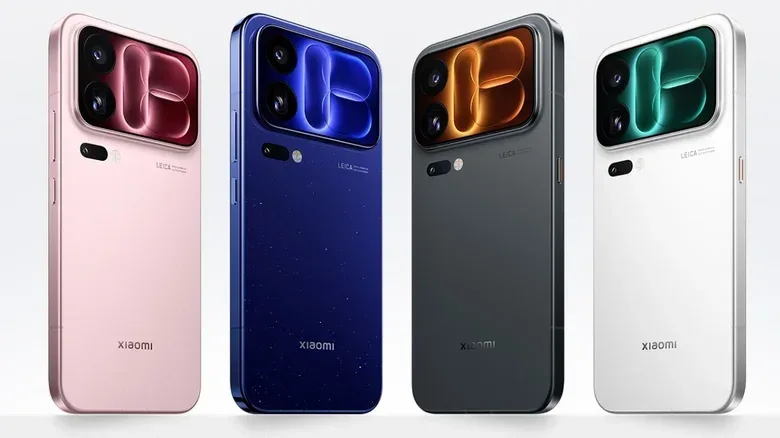
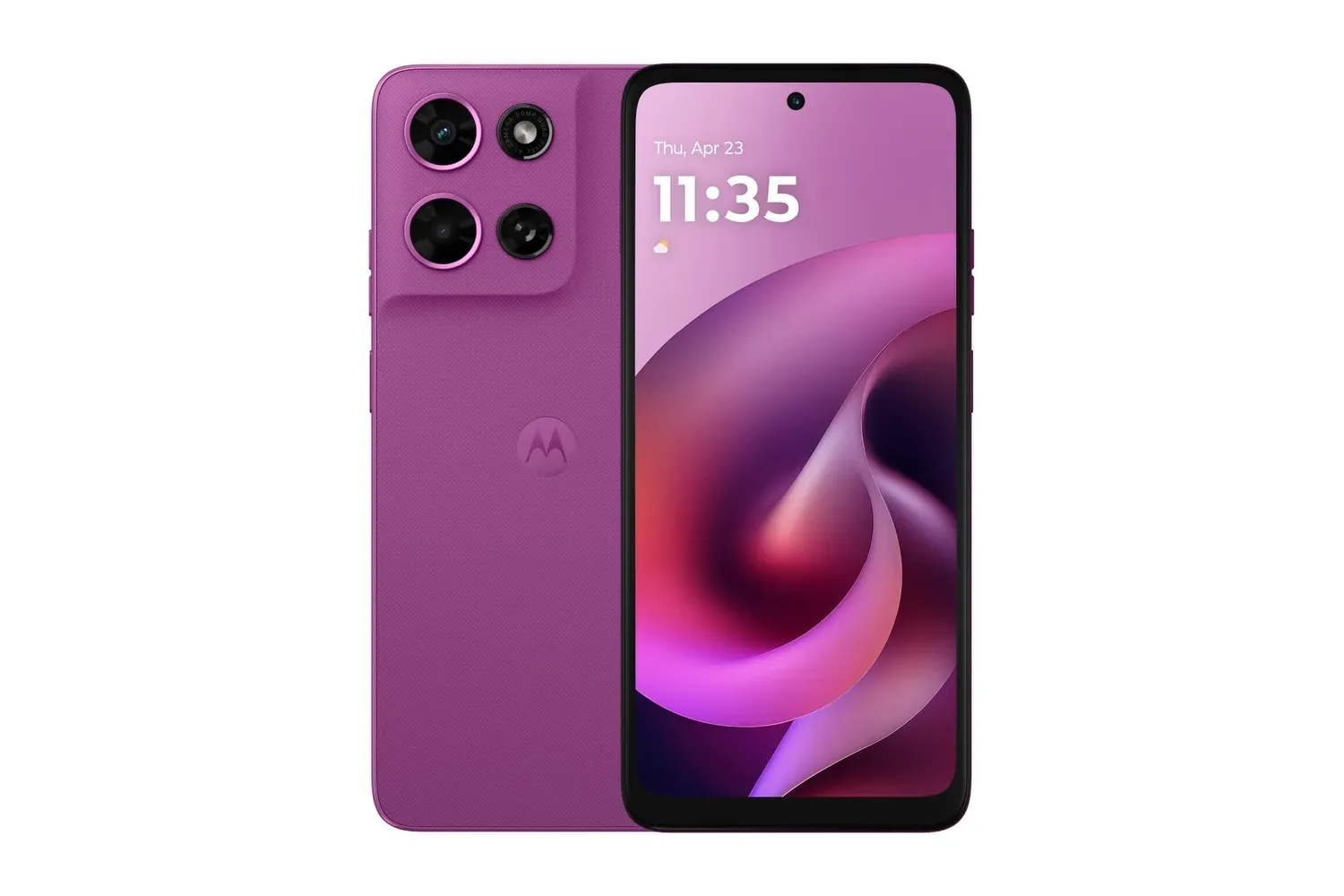
The comparison changes outside North America. Xiaomi’s 18 Pro Max uses the newer Snapdragon 8 Elite Gen 6 processor, which is described as closer to Apple’s A20 Pro than the S26 Ultra’s Gen 5 chip. On specifications, that makes it a formidable challenger. Xiaomi also uses a rear camera plateau with a second display, a conspicuous design decision that pushes beyond the visual language associated with Apple’s handset.
Yet a flagship comparison cannot stop at raw component choices. Xiaomi phones are not offered by carriers in the United States or Canada. For customers in China or Europe, where the 18 Pro Max is readily available, it can be considered a worthy iPhone competitor on specifications. For North American shoppers, the lack of carrier availability places it in a different category from an iPhone or Galaxy Ultra that can be obtained through the usual channels.
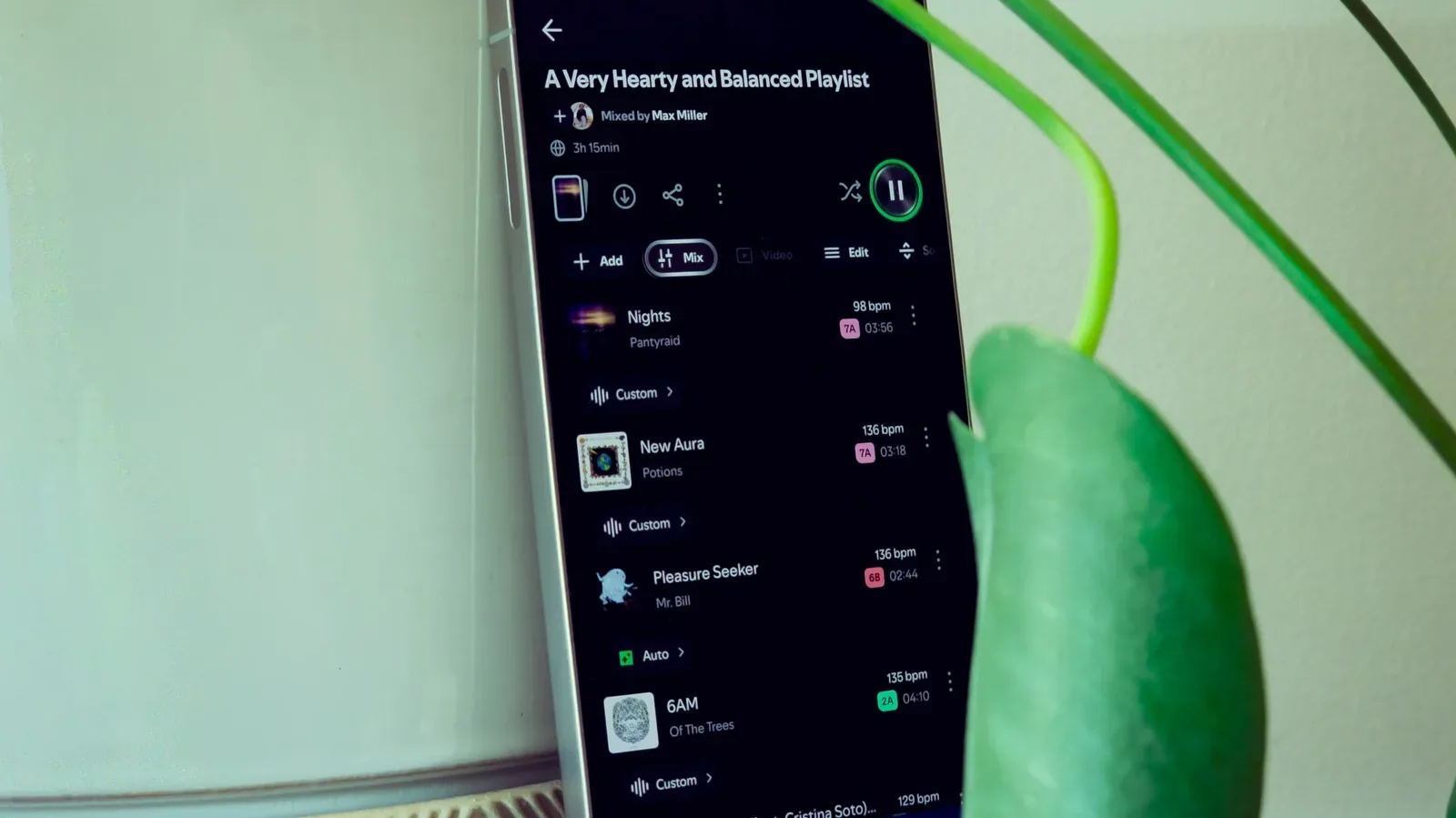
There is also the software question. Xiaomi’s HyperOS on Android 17 is characterized as less polished and less straightforward than Samsung’s One UI 9. This is precisely why a “closest counterpart” label needs more than a processor comparison. A phone is used through its interface all day, not through its benchmark score alone. People who enjoy tuning their digital environment may find useful ideas in these music-app personalization settings, but a flagship phone’s core interface still needs to work well before customization becomes a meaningful bonus.
What prospective buyers should weigh
The strongest practical reading of this comparison is to match the device to the priority rather than to search for a universal winner.
- Choose the iPhone 18 Pro Max’s strengths if leading processor performance and smartphone video are the deciding factors. Its A20 Pro is faster than the S26 Ultra’s Snapdragon 8 Elite Gen 5, and Apple’s phone is the stated video leader.
- Choose the Galaxy S26 Ultra’s proposition if the goal is a readily available, mainstream Android flagship with substantial processing power, 12GB of RAM as standard, a 5,000 mAh battery, a premium display and One UI 9.
- Consider the Pixel 11 Pro XL selectively if Google’s own Android approach is more important than competing at the front of the performance field. The Tensor G6 remains the critical compromise.
- Consider the Xiaomi 18 Pro Max where it is sold normally if leading specifications and the Snapdragon 8 Elite Gen 6 matter most. Its availability in China and Europe makes it more practical there than it is for U.S. or Canadian carrier shoppers.
The Galaxy S26 Ultra therefore sits in a particularly useful middle ground. It does not overtake the iPhone 18 Pro Max in every technical category, and Xiaomi shows that the Android market can move quickly on silicon specifications. But Samsung currently combines capability, polished software and broad market access more convincingly than the alternatives named here. For someone asking which Android phone most directly fills the same role as Apple’s top conventional flagship, that makes the S26 Ultra the clearest answer.
The next comparison is already taking shape
Samsung’s forthcoming Galaxy S27 Ultra could narrow some of the remaining differences, but the details remain unconfirmed. Rumors and leaks claim it will use the Snapdragon 8 Elite Gen 6, resemble the iPhone 18 Pro Max physically, and receive a redesigned camera system with a new sensor and image-processing pipeline.
Image processing is the computational work a phone applies to camera data to produce the final photo or video. It is especially relevant here because camera quality is not dictated solely by sensor size or megapixels. If the reported changes materialize, they could help Samsung improve photo and video results against Apple. They should not, however, be treated as settled specifications until confirmed.
For now, the Apple-Samsung contest remains the central North American flagship matchup. The iPhone 18 Pro Max holds the cleanest claims in speed and video; the Galaxy S26 Ultra is Android’s most complete, broadly accessible counterweight. That is a more useful framing than pretending either phone eliminates the other’s reasons to exist.