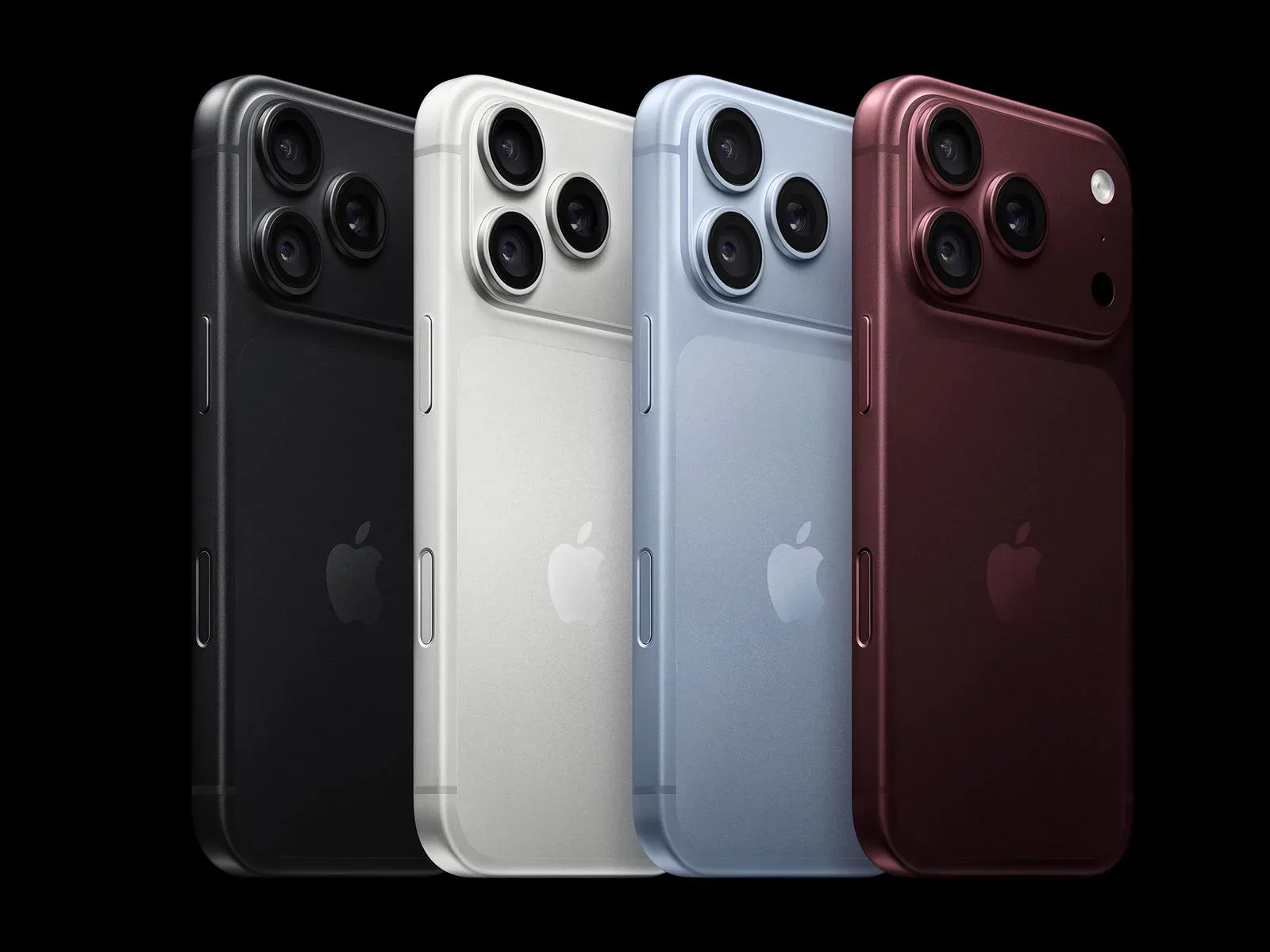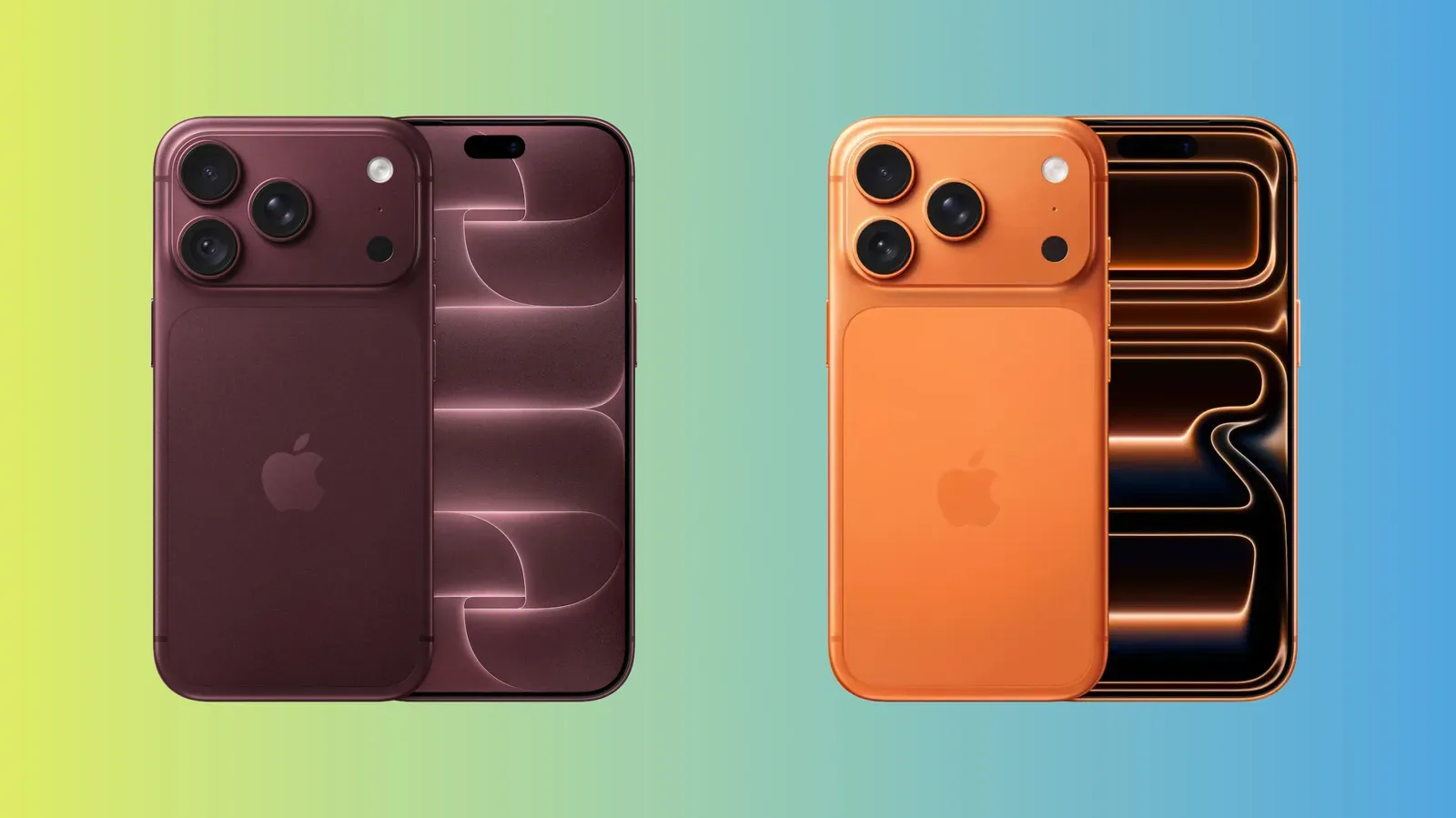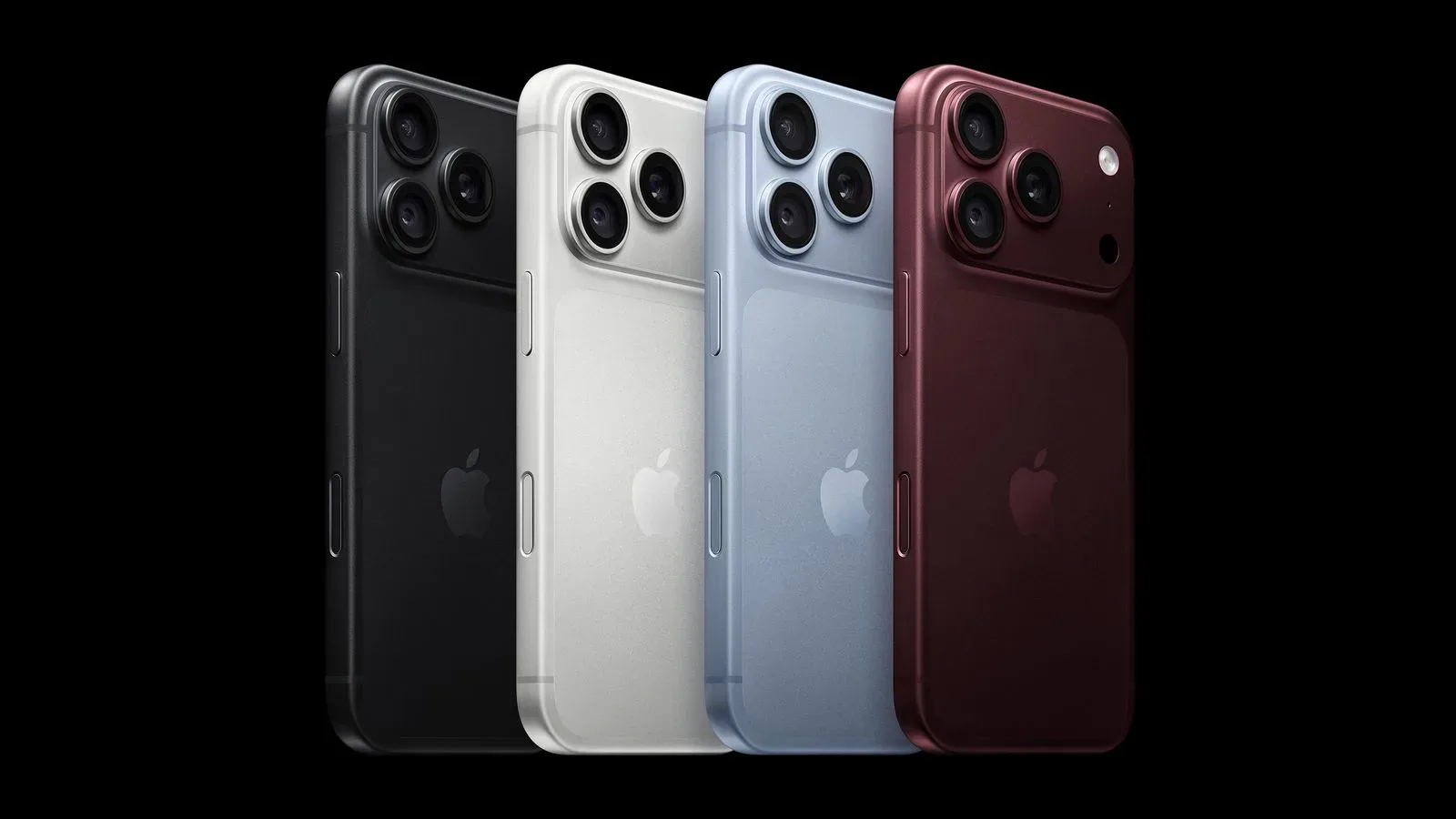
The iPhone 18 Pro and iPhone 18 Pro Max have been in owners’ hands for a little over a week, which means the useful part of a new-phone launch is beginning: the period where the glossy first look gives way to everyday camera shots, charging habits, awkward pockets and bugs that did not make the promotional reel.
Early owner discussions paint a mixed but unsurprising picture. There is particular interest in photos taken with the iPhone 18 Pro models and in the behavior of their new variable-aperture lens. At the same time, users are comparing battery results, debating the physical heft of the Pro Max, and reporting isolated trouble involving heat, speakers, Face ID and reboots.
None of that amounts to a settled verdict on either phone. A week of owner reports is valuable because it catches the small things that specifications cannot convey, but it is also inherently uneven: settings differ, usage differs, and a problem posted online is not automatically a problem affecting every unit. Still, the conversation gives prospective buyers a sensible checklist for deciding whether to upgrade now, update software first, or wait for the picture to become clearer.
The camera is the most visible early point of interest
Owners have been posting photo examples from both iPhone 18 Pro models, with the variable-aperture lens drawing close attention. Aperture is the adjustable opening through which light enters a camera lens. In simple terms, changing that opening can affect exposure and depth of field: the amount of a scene that appears acceptably sharp from foreground to background.
That is why real-world samples matter more than a feature name. A camera system can look excellent in favorable light and still raise questions in difficult indoor scenes, at night, or when a subject moves. Likewise, an adjustable lens is only as useful as the results delivered by the phone’s software and the degree of control the user has over its behavior. Early shared images are not comprehensive testing, but they can show how a feature behaves beyond a controlled demo.
For people whose phones routinely double as convention cameras, travel cameras or a quick way to capture a shelf, desk setup or game collection, this is likely to be the most relevant part of the discussion. The right question is not simply whether the new lens is “better.” It is whether its images look consistently useful in the lighting and subjects an owner actually encounters.
That makes comparison especially important for iPhone 17 Pro owners. Someone upgrading from a considerably older handset may see broad changes across the whole experience. Someone already holding a recent Pro device has a narrower decision: whether the camera behavior, rather than novelty alone, improves the moments they care about recording.
Battery and weight are daily-use questions, not footnotes
A dedicated battery discussion is collecting early data, while the iPhone 18 Pro Max’s weight has become a topic of its own. These are the details that can decide whether a theoretically appealing upgrade remains pleasant after the first week.
Battery-life anecdotes should be handled carefully. Display brightness, cellular signal, background activity, installed apps and new-device setup processes can all change a person’s experience. Early numbers therefore should be treated as observations, not a guarantee of a specific endurance result. They are most useful when patterns emerge over time among people with broadly comparable use.
Weight is more immediate, though it is still personal. A larger phone can be manageable in a bag and uncomfortable one-handed; it can feel substantial and premium to one owner and fatiguing to another. Those considering the Pro Max should focus on their ordinary routine: long reading sessions, handheld video, commuting, pockets, controllers and mounts. “Heavy” is not a laboratory measurement of satisfaction, but it can become one very quickly in day-to-day use.
The iPhone 18 Pro versus Pro Max decision is therefore not only about choosing the biggest screen. Buyers should account for how often the phone will be held for extended periods and whether the size that is best for media and photos remains convenient everywhere else.
Face ID has a software fix; other reported issues need perspective
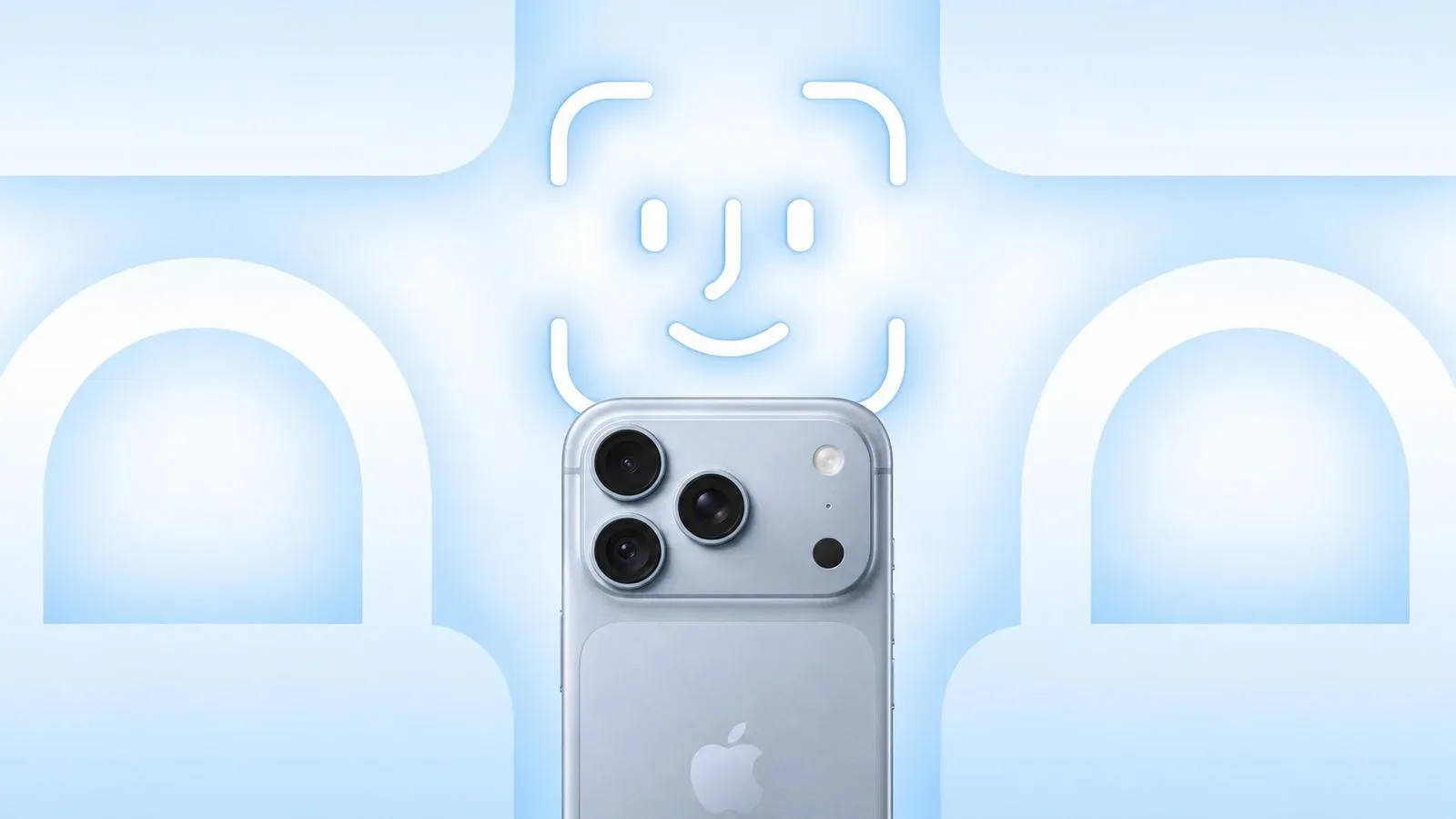
Some early owners have described heat issues, speaker problems, Face ID errors and reboots. Apple has released iOS 27.0.1, which includes a Face ID fix. Anyone encountering a “Face ID not available” message should install the update before assuming that the phone requires replacement or that the issue is universal.
Face ID is the device’s facial-recognition system for authentication, used for actions such as unlocking a phone and approving protected tasks. Because it sits at the center of routine use, even an intermittent failure can feel more disruptive than a minor cosmetic issue. The availability of a stated software fix makes the update the first practical step for affected users; it is also worth paying attention to whether the issue remains afterward.
The speaker, heat and reboot reports require a little more restraint. They are signals worth watching, particularly if recurring descriptions cluster around similar circumstances, but they do not establish a known defect by themselves. Heat can be especially difficult to interpret in the first days of ownership, when a new device may be handling setup and downloading content, though any extreme or persistent behavior is plainly a concern for the owner experiencing it.
For current owners, the practical order is straightforward:
- Install iOS 27.0.1, particularly if Face ID is unavailable.
- Note the exact circumstances around recurring speaker, reboot or temperature problems rather than relying on a general impression.
- Check whether the issue persists after the software update and normal settling-in period.
- Use the device’s support options if a serious problem continues.
That approach does not dismiss early reports. It simply separates a confirmed software response—the Face ID update—from issues that remain reports being discussed by a subset of owners.
The storage conversation has an unusual technical wrinkle
There is also discussion around TLC and QLC NAND modules in the iPhone 18 Pro. NAND is the flash-memory technology used for a device’s internal storage. TLC and QLC refer to how much data is stored per memory cell: triple-level cell and quad-level cell, respectively.
It is a technical topic that matters mainly because storage behavior can influence how people think about capacity, longevity and performance. But owners should avoid turning a label alone into a sweeping judgment of an individual phone. Hardware discussions of this kind need specifics: which configuration is involved, what is being observed, and whether there is a meaningful real-world effect. Without that, it is easy for a complicated component-level subject to become a simplistic good-versus-bad argument.
Upgrade decisions are splitting along familiar lines
One active question is why an iPhone 17 Pro Max owner would move to an iPhone 18 Pro Max so soon. The answer will not be the same for everyone. For some, the appeal will center on photography and the variable-aperture lens. For others, it may be a matter of battery expectations, a particular hardware preference, or simply wanting the newest model. Just as important, some shoppers are electing not to buy either Pro phone while they wait for the rumored iPhone Duo foldable.
Waiting has its own trade-off. It avoids committing to a current model while a different form factor is under consideration, but it also means deciding on the basis of expectations rather than a shipping device’s established record. The early iPhone 18 Pro discussion is a reminder that even after release, everyday answers take time to form.
Anyone weighing a broader device purchase can also consider how long a platform is expected to remain useful; that kind of longevity question is central to the latest ChromeOS support timeline, even though a phone upgrade is ultimately a separate decision.
What prospective buyers should watch next
The early conversation suggests a short, practical watchlist rather than a blanket recommendation. Follow more camera samples if the variable-aperture lens is the main reason to upgrade. Watch battery reports over a longer period instead of anchoring on launch-week impressions. If the Pro Max appeals, try to assess its size and mass in person where possible. And for anybody who already owns one of these phones, iOS 27.0.1 is the immediate action item when Face ID has misbehaved.
Above all, early reports are most helpful when treated as a collection of experiences rather than a single score. The iPhone 18 Pro family has clear areas of interest, notably its camera, alongside early reliability questions that deserve continuing attention. A more confident assessment will depend on whether the software update resolves the documented Face ID issue and whether reports of heat, audio faults and reboots remain isolated or develop into clearer patterns.