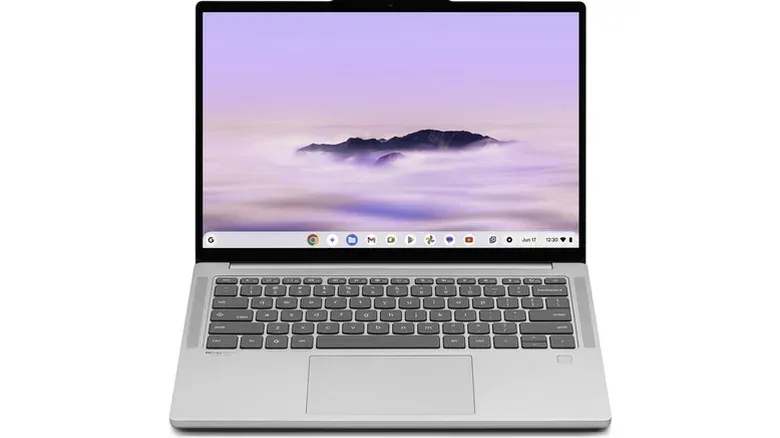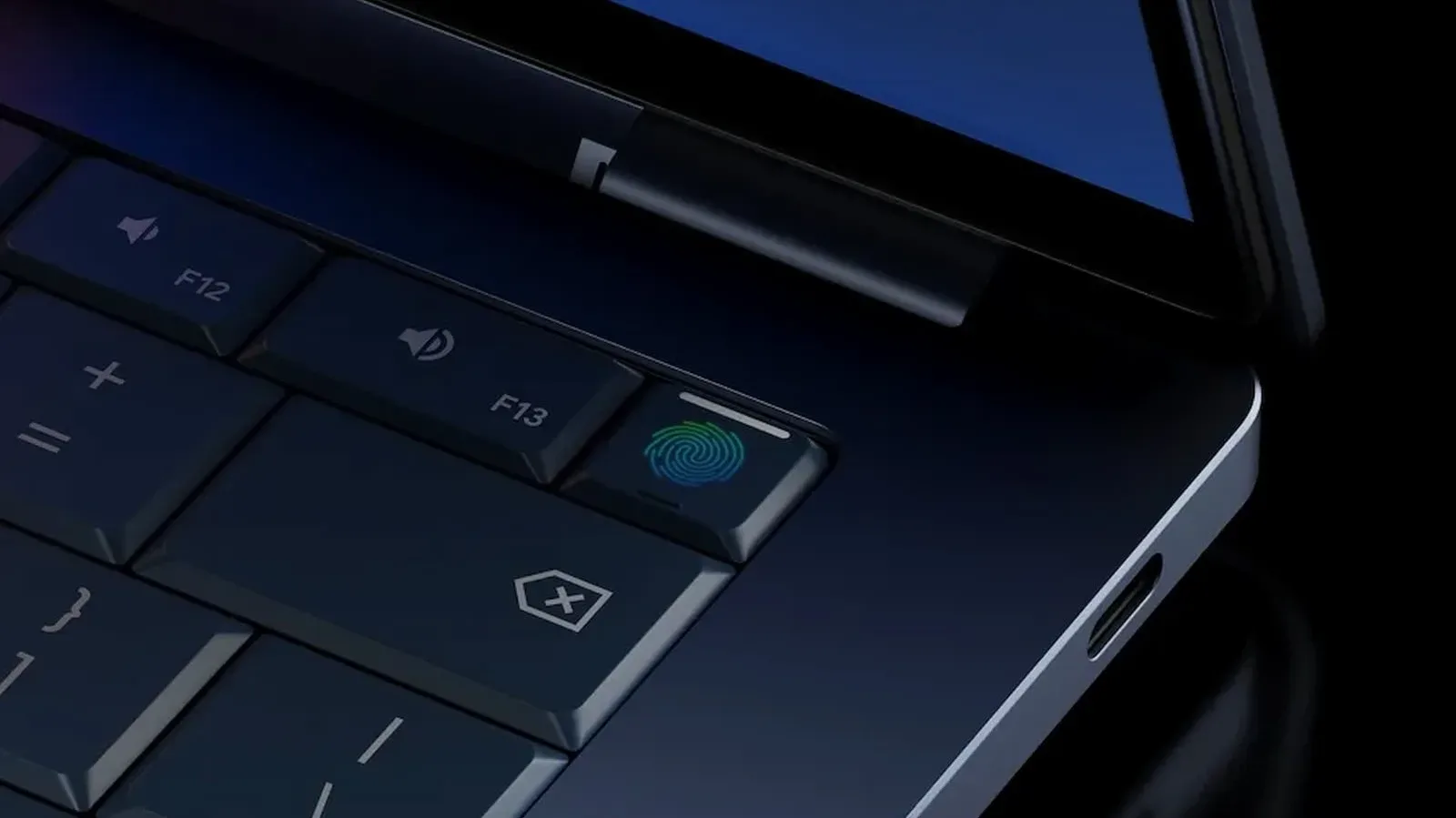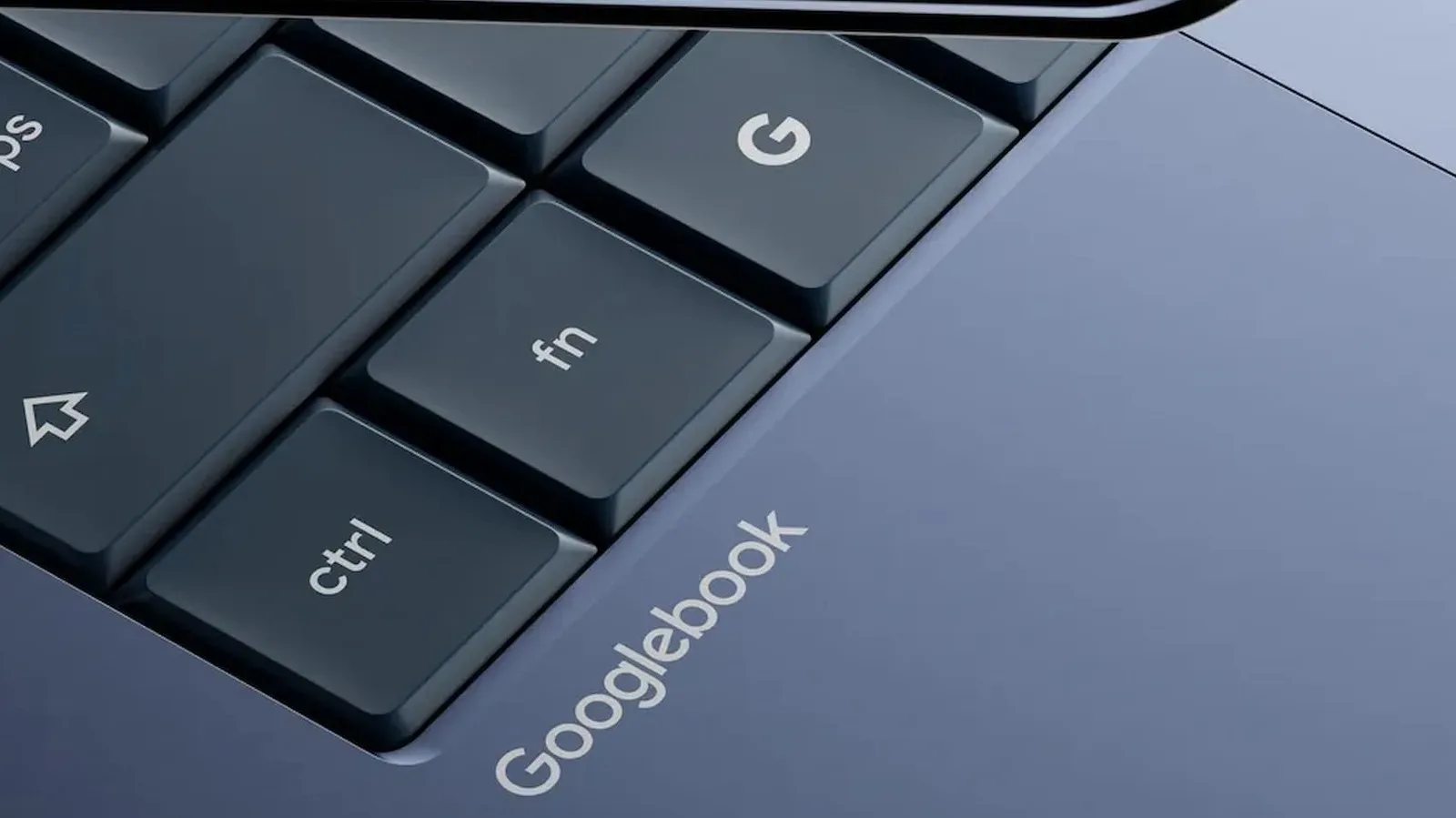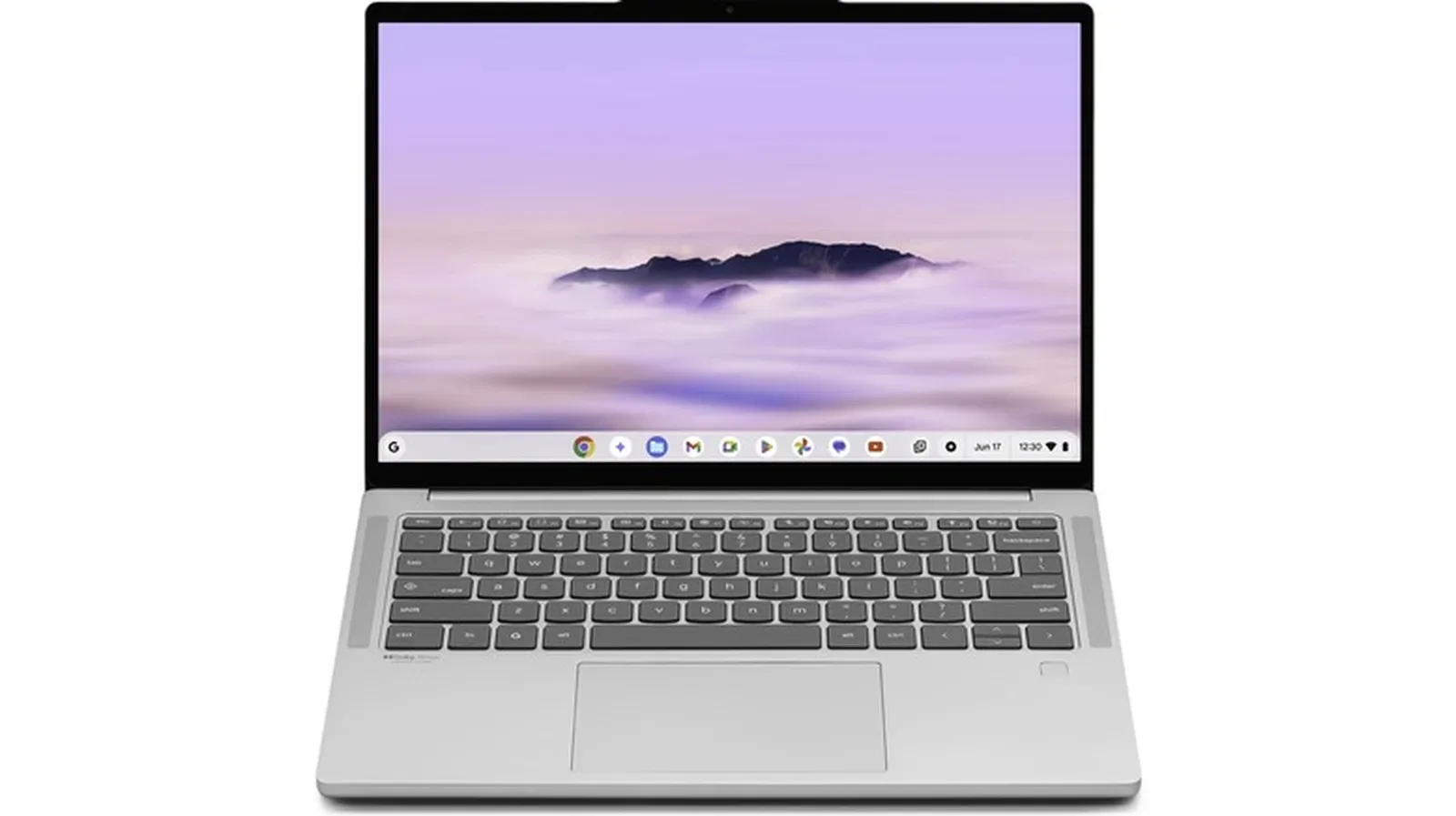
Google’s laptop-platform changeover now has a clearer long-range marker: ChromeOS is scheduled to receive updates and security patches until mid-2034 for enterprise and education deployments. That commitment arrives as the company prepares its first Googlebooks, a new line of laptops running the Android-based Googlebook OS.
The key message for Chromebook owners is that a new operating system does not mean ChromeOS disappears overnight. Google is describing a multi-year transition in which ChromeOS continues to be maintained while some newer Chromebook hardware may be able to move to Googlebook OS directly.
There is an important limitation to the information currently available. The mid-2034 date appears in guidance aimed at enterprise and education users. It is not yet confirmed that the same endpoint applies to consumer ChromeOS devices. Anyone buying or managing a Chromebook should therefore treat the date as a defined commitment for those institutional environments, not as a blanket guarantee for every personal Chromebook.
What Google has committed to
The stated plan is to continue issuing both ChromeOS updates and security patches through mid-2034. Those are related but distinct parts of software support.
- Operating-system updates maintain and improve the software that runs the laptop.
- Security patches address vulnerabilities that could otherwise expose devices, accounts, data or networks to known risks.
For schools and businesses, the security-patch piece is especially consequential. These organizations often operate fleets of machines, manage user accounts centrally and need devices to remain within support windows for procurement and IT-policy reasons. A stated support horizon makes it easier to plan replacement cycles without assuming every existing Chromebook must be swapped immediately because Googlebook OS is arriving.
The company has also previously promised 10 years of support for Chromebooks. Its current guidance addresses the obvious tension between that promise and the 2034 ChromeOS timeline: qualifying devices bought now whose 10-year lifecycle would extend beyond 2034 are expected to receive support for a transition to Googlebook OS. Google says many such devices will offer direct migration paths.
That wording matters. A transition commitment is not identical to a guarantee that every Chromebook will run the new software in the exact same manner, on the exact same schedule, or with precisely the same feature set. Google has said many of its newest Chromebook devices will be eligible, and has promised more details on how the move will work. Until it identifies eligible models and explains the process, owners should avoid assuming that a given older or newer machine is included.
ChromeOS and Googlebook OS: the practical difference
ChromeOS is Google’s current laptop operating system. Googlebook OS is described as Android-based and will power the incoming Googlebooks. The significance is not merely a branding change: Google is positioning Googlebook OS as a different operating-system platform for its laptop lineup.
At this stage, the supplied details do not establish exactly how applications, files, account settings, management policies or peripheral support will carry from ChromeOS to Googlebook OS. Nor do they establish which Chromebook generations can migrate, whether migration will be optional, or what a direct migration looks like in practice. Those are the details that will determine how smooth the handoff is for households, schools and IT administrators.
For now, the useful distinction is simple: ChromeOS support continuing through mid-2034 does not itself mean every supported ChromeOS device becomes a Googlebook. It means the current platform remains maintained for years, while qualifying newer hardware may receive a path forward to the new one.
Why eligibility is the detail to watch
“Qualifying devices” is the central phrase in Google’s plan. Hardware eligibility usually determines whether an operating-system transition is straightforward or unavailable, and it can shape purchasing decisions well before a migration actually begins.
Prospective buyers who expect to keep a laptop for many years should look for the eventual model-specific eligibility information rather than relying on the general fact that Google has discussed migration paths. Owners of recent Chromebooks have a reason to wait for those details, particularly if their device’s promised 10-year support window goes past 2034.
For school and business buyers, the situation is even more operational. A fleet may include multiple models purchased in different years. Some could qualify for Googlebook OS, while others may remain on ChromeOS until their support period ends. That could leave administrators planning around two platforms during the transition, although Google has not yet laid out the eventual management, deployment or compatibility rules.
The company plans to introduce the first Googlebook OS device-management features for enterprise and education users in the second half of 2027. Device management refers to the tools organizations use to configure machines, apply policies and oversee deployed hardware. The timing suggests institutional management is part of the longer rollout rather than an afterthought, but it also means the full administrative picture is not available yet.
What this means for existing Chromebook owners
There is no stated reason for owners to rush into replacing a Chromebook solely because Googlebook OS exists. ChromeOS remains part of Google’s plan for several more years, and the company’s 10-year support promise remains relevant to recently purchased devices.
The better approach is to separate three questions that can easily blur together:
- Is my Chromebook still within its existing support lifecycle? That determines whether it should continue receiving support under the promise attached to its purchase.
- Does the mid-2034 ChromeOS timeline apply to my situation? The current confirmation is specifically for enterprise and education users; consumer applicability still needs clarification.
- Will my model be eligible for Googlebook OS? Google says many newer devices will be, but has not yet provided the model-level information needed for a definite answer.
Keeping those questions separate avoids two opposite mistakes: assuming an older device is automatically getting the new OS, or assuming a recent device loses meaningful support the moment Googlebook laptops ship.
The shift is also worth watching for people who use a laptop alongside games, voice chat and other desktop applications. Operating-system changes can affect the surrounding PC routine even when the games themselves are not the subject of the transition. In that broader context, projects aimed at reducing background demands during play, such as Discord’s experimental Game Mode, underline why platform support and software compatibility remain practical concerns for users—not just technical footnotes.
The Googlebook launch timeline
Google announced Googlebooks around its I/O developer conference earlier in the year. It later provided a closer look at the new laptops and opened pre-orders. The first Googlebooks are due to arrive on October 4.
That launch date marks the beginning of the new platform’s public hardware era, while the ChromeOS commitment establishes the other side of the transition: continuity for the software and machines already in classrooms, workplaces and homes. Rather than presenting a hard cutover, Google is setting up a staged overlap between the outgoing operating system and its Android-based successor.
What remains unanswered
Google has supplied the broad support direction, but several questions still need official answers before owners can make fully informed long-term decisions:
- Whether mid-2034 is also the ChromeOS support deadline for consumer users.
- Which Chromebook models qualify to migrate to Googlebook OS.
- How direct migration will work for eligible machines.
- Whether migration changes access to existing software, data or device capabilities.
- How enterprise and education management features will develop after their planned second-half 2027 rollout begins.
Those uncertainties do not cancel the value of the announcement. The important confirmed point is that ChromeOS has years of planned support ahead of it, including security work for enterprise and education through mid-2034. The less certain point is the individual device path beyond that date. For owners of newer Chromebooks, Googlebook OS may become that path; for everyone else, eligibility details will be the deciding factor.