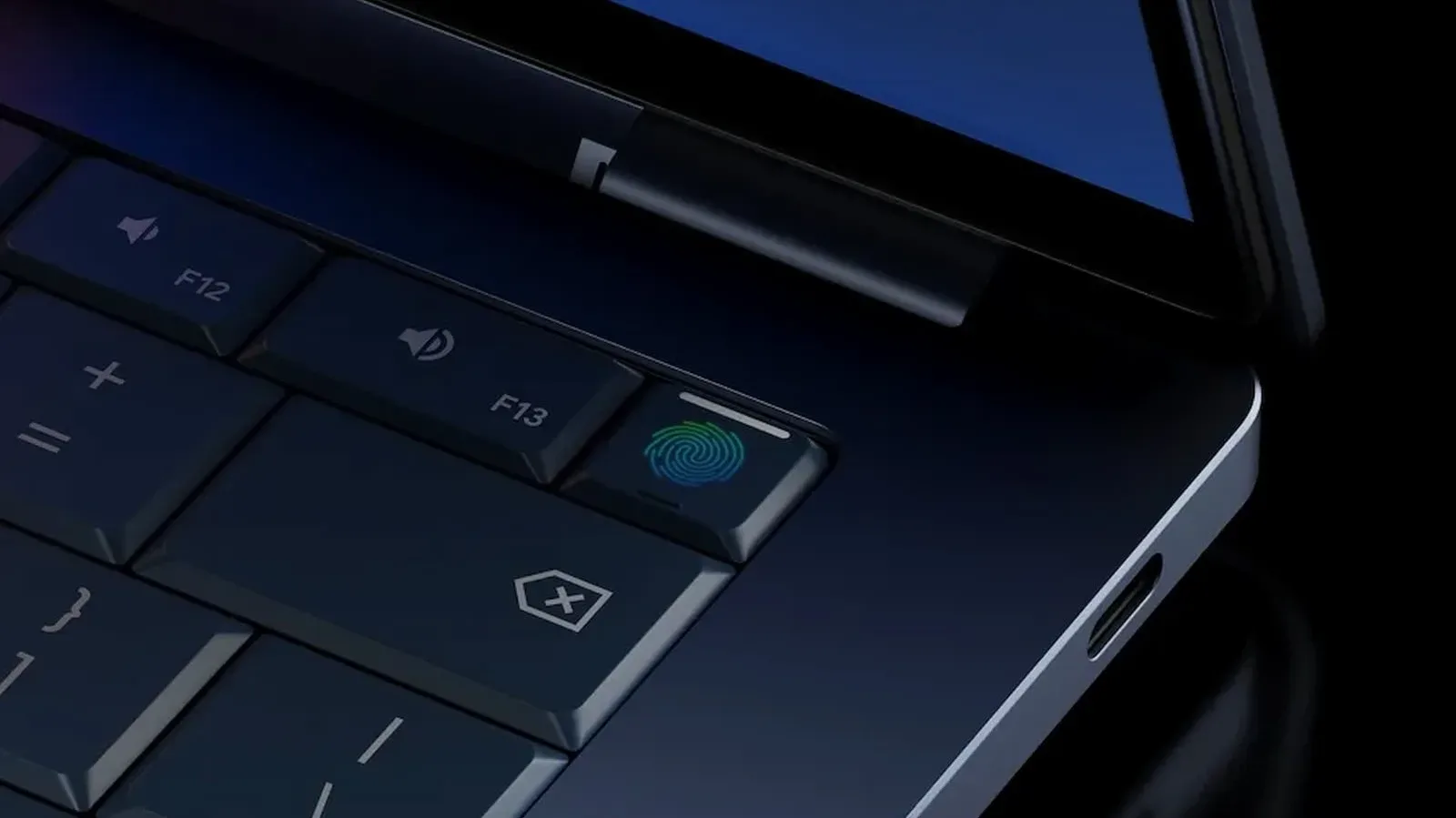
Google is preparing a more public introduction for Googlebooks, its incoming family of Android-based laptops, with an October 5 event in New York City called Opening Night. The company has scheduled preorders to begin on September 21, placing reservations ahead of the event where it intends to put the hardware on display.
The format is unusual enough to be notable: customers may be asked to commit to a Googlebook before Google has fully detailed the first devices. The October event is described as including interactive showcases and the debut of the first laptop designed for Gemini Intelligence. That language indicates a software-and-AI-centered pitch, but it does not yet answer several practical buying questions, including individual models, specifications, pricing, regional availability, or a firm shipping date.
Googlebooks could begin shipping around the time of the October 5 event. With the holiday shopping season following soon after, the schedule gives Google and its hardware partners an opportunity to establish the platform before year-end. For now, though, a preorder date is not the same thing as a confirmed delivery date. Anyone considering an early order will need to distinguish between what has been formally outlined and what may be clarified at Opening Night.
What Googlebooks are—and what is confirmed so far
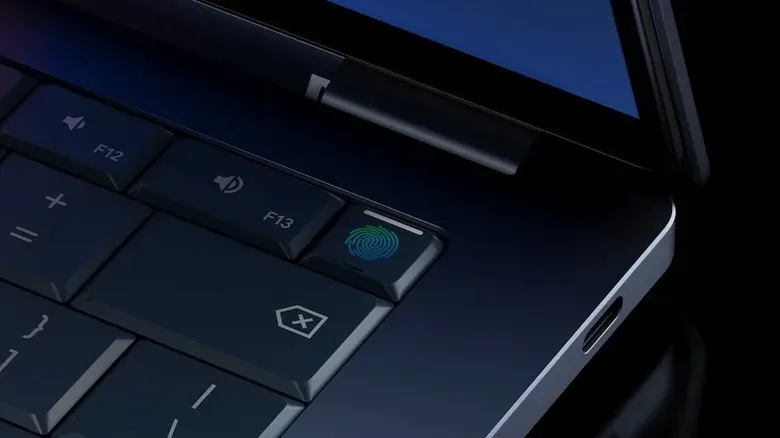
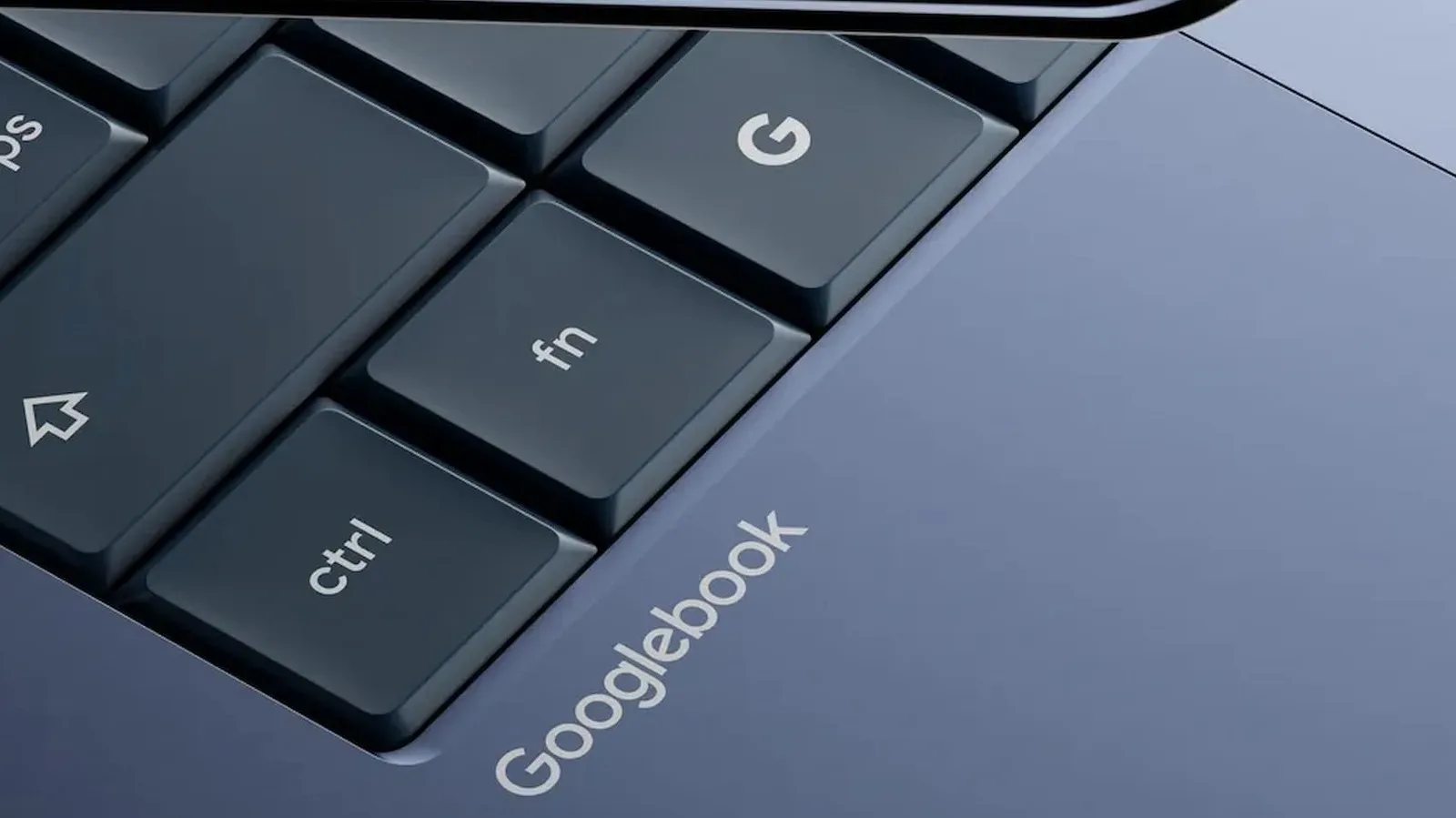
Googlebooks are a new laptop line running a version of ChromeOS based on Android. In straightforward terms, ChromeOS is Google’s desktop operating system traditionally associated with Chromebooks, while Android is the company’s mobile operating system. The stated relationship between them matters because Googlebooks are meant to connect deeply with Android phones rather than merely sit alongside them as separate devices.
“Deep integration” is broad language, and the exact behavior has not been specified. It is reasonable to read it as Google positioning the laptop and phone as parts of the same computing experience, but prospective buyers should avoid filling in missing details themselves. There is no confirmed feature list here for phone-to-laptop handoff, messaging, file sharing, apps, notifications, or setup flows. Those are precisely the types of details the October presentation could make clearer.
Five established PC makers are attached to the initial Googlebook effort: Acer, ASUS, Dell, HP, and Lenovo. Their participation means Googlebooks will not be confined to a single Google-made machine. It also raises a major question for consumers: how much variation will exist between partner models? Different manufacturers could potentially offer different designs or configurations, but no individual hardware specifications have been provided.
One shared visual detail has been identified: Googlebooks will have a “glowbar” on the lid. That is a distinctive design cue, although its role has not been explained. It could be a recognizable part of the product family’s visual identity; whether it also communicates system status, AI activity, notifications, or anything else remains unconfirmed. A glowbar is not, by itself, a reason to infer an entire feature set.
Gemini Intelligence is the centerpiece of the pitch
Google’s invitation calls the featured system the first laptop designed for Gemini Intelligence. Gemini is the name Google uses for its AI efforts, and “AI-centric” describes the company’s attempt to make those capabilities feel integral to the laptop rather than an optional website or separate app.
The clearest announced example is Magic Pointer. When a user hovers over something on screen, Magic Pointer can suggest context-sensitive actions. Context-sensitive means the suggested action is intended to relate to the item currently under the cursor. A word, image, interface element, or another onscreen object could in principle create different suggestions, but the exact supported situations and actions have not been described.
There is an important control built into the concept: Magic Pointer is not always active. Users must first enable it by wiggling the cursor. That activation gesture may sound minor, but it speaks to a real interface challenge for proactive AI tools. A system that constantly tries to interpret every mouse movement risks being distracting, unexpected, or simply in the way. Requiring an intentional cursor movement appears designed to make the feature available on demand rather than permanently present.
Whether that approach feels convenient will depend on implementation. The usefulness of a contextual assistant comes down to relevance, speed and restraint. Suggestions need to match what a person is trying to do, appear at the right moment, and remain easy to ignore. If Google supplies further examples at Opening Night, the most useful demonstrations will be ones that show not only an ideal success case but also how readily a user can invoke, dismiss, or disable the feature.
A widget feature borrowed from Android 17
Googlebooks will also adopt an Android 17 feature that lets users generate a custom widget. Widgets are compact, glanceable interface elements that commonly present information or controls without requiring someone to open a full application. A custom-generated widget could make the laptop’s home-screen experience more flexible, though the available information does not establish what users will be able to create, where widgets will appear, or what data and apps they can connect to.
The detail nonetheless reinforces the core direction of the platform. Googlebooks are not simply conventional laptops with an AI assistant added on top; Google is explicitly drawing elements from Android into a ChromeOS-based desktop environment. That could be particularly significant for people already using Android phones, because visual conventions and software features may feel more familiar across devices.
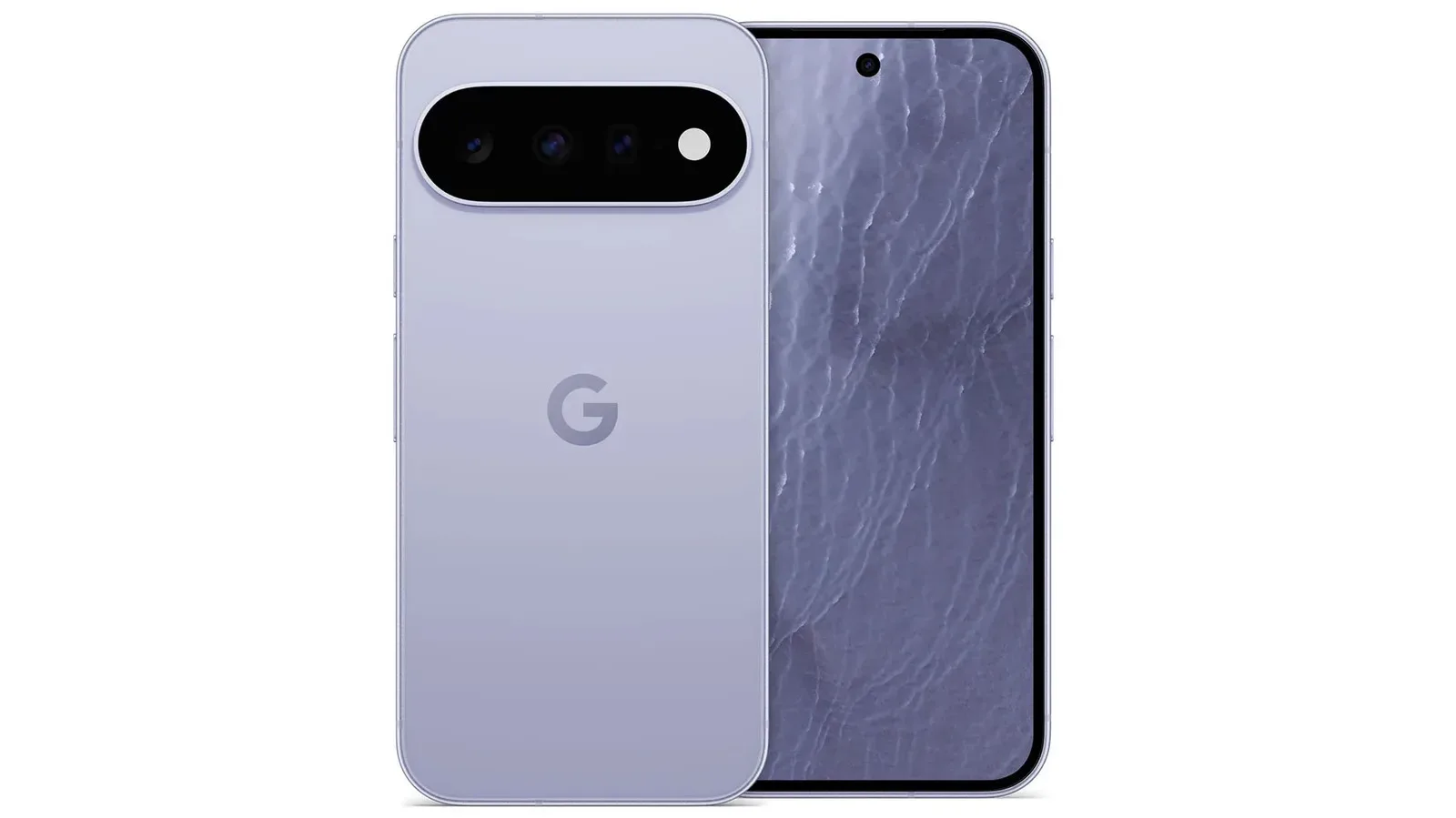
Google has recently continued adding features across its mobile ecosystem, including the changes covered in the latest Pixel update. The Googlebook announcement points toward the same broader product strategy: tie hardware more closely to Google’s software and AI services. Still, Googlebooks should be judged on their own eventual capabilities rather than on the mere presence of the Android name or Gemini branding.
Why the preorder-before-showcase schedule matters
A September 21 preorder date ahead of an October 5 hands-on event makes timing part of the story. Preorders can be useful when a buyer already knows which product they want and understands the terms. But on a brand-new platform, the missing details are especially consequential. A buyer may want to know which partner machine they are reserving, what separates one version from another, how Android integration works in daily use, and when the product will actually arrive.
There is also a difference between an event teaser and a complete launch specification. Phrases such as “Gemini Intelligence,” “interactive showcases,” and “deep integration” establish the direction of travel, but they are not substitutes for concrete device information. The October event may supply that missing substance. Until then, the right expectation is that Google has revealed the outline of Googlebooks, not the complete practical picture.
The involvement of Acer, ASUS, Dell, HP and Lenovo makes those specifics even more important. A multi-partner launch could offer choice, but it can also create comparison work for consumers. People shopping across manufacturers will need clear information on which experience is common to every Googlebook and which elements vary by model. At present, the common ground that has been named is the Android-based ChromeOS foundation, Android-phone integration, Gemini emphasis, Magic Pointer, custom widget generation, and the lid-mounted glowbar.
What to watch for on October 5
Opening Night is positioned as the moment when Googlebooks should become easier to understand. The most consequential answers will be concrete rather than promotional:
- Device lineup: Which Googlebooks are arriving first, and which manufacturer is making each one?
- Configurations: What distinguishes partner offerings and versions within each lineup?
- Availability: When do orders ship, and where will the laptops be sold?
- Android connection: What, specifically, can an Android phone and Googlebook do together?
- Gemini workflows: Which tasks use Gemini Intelligence, and how do people control those tools?
- Magic Pointer behavior: What kinds of onscreen content trigger suggestions, and what actions are available?
- Widget creation: How does the Android 17-derived custom widget feature work on a laptop?
- Glowbar purpose: Is it exclusively an aesthetic hallmark, or does it have a functional role?
Those questions are not a dismissal of the idea. They are the normal checklist for a newly introduced computing category that blends a familiar laptop format with a different software foundation and an explicitly AI-focused interface. The event’s interactive showcases should be especially valuable if they move beyond broad claims and show how these features work from a user’s point of view.
For now, Googlebooks are defined by an ambitious combination: ChromeOS based on Android, close ties to Android phones, hardware from five major PC partners, and Gemini-oriented interactions such as Magic Pointer. The October 5 presentation is where that combination needs to become legible as a product proposition. With preorders opening September 21, the pressure is on for Google to provide enough clarity for customers to know exactly what they are ordering—and why an Android-based laptop should earn a place beside their phone.