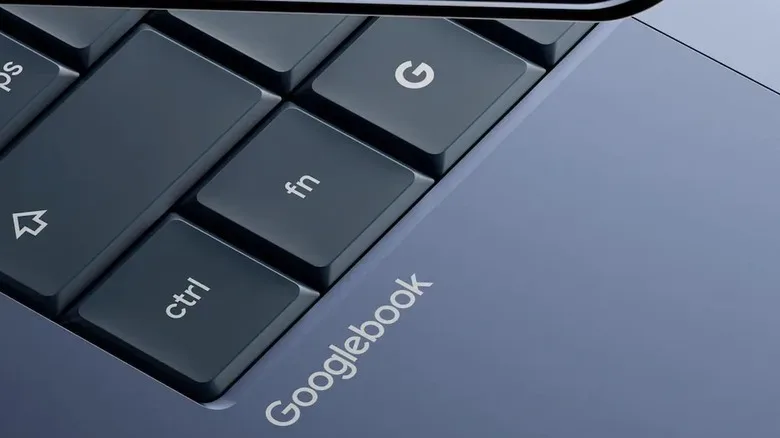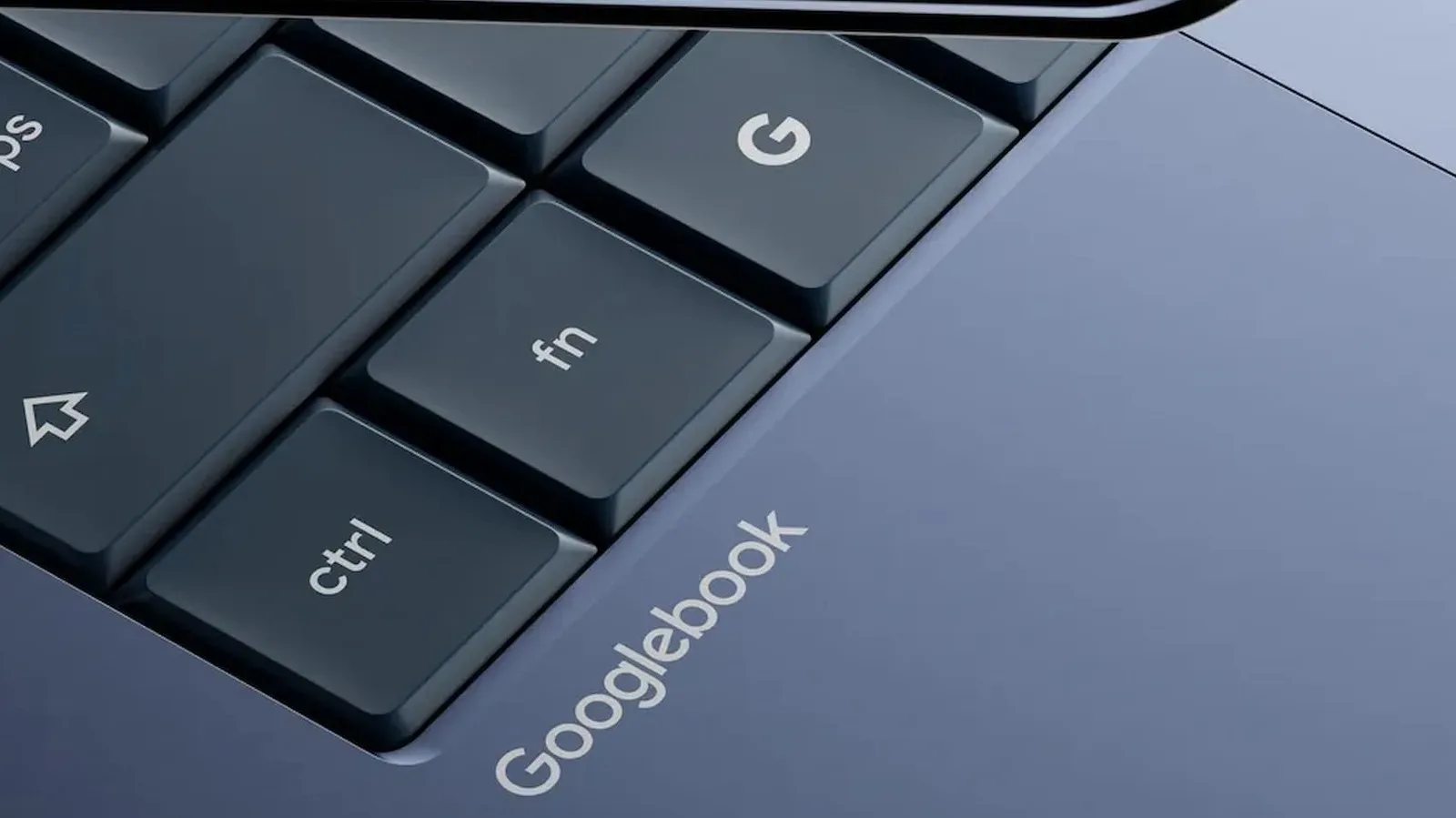
Google is preparing to take orders for Googlebook, its new higher-end laptop brand, with pre-orders set to open on September 21 at 9 AM ET. That is the scheduled time listed for people who registered for device updates, and it also appears on the Googlebook site. For anyone whose current laptop has become a warm, wheezy relic of the last battle pass season, that date is now one to circle.
There is still plenty Google has not detailed about the machines themselves. The important pieces currently on the board are that Googlebooks will run a version of ChromeOS built on Android, place Gemini Intelligence at the center of the experience, and arrive through familiar PC makers: Acer, ASUS, Dell, HP and Lenovo. Those companies have all made Chromebooks before, but Googlebook is being positioned as a distinct, more premium laptop line rather than simply another Chromebook label.
It is an interesting moment for the company’s laptop ambitions. ChromeOS has long been associated with affordable, web-first hardware, school deployments and machines that can comfortably handle a browser tab collection resembling a small archaeological dig. Googlebook appears meant to shift some of that perception while keeping the convenience that made Chromebooks recognizable in the first place.
September 21 is the first concrete ordering date
The immediate news is straightforward: pre-orders begin September 21 at 9 AM ET. Google announced the Googlebook brand in May, but has so far kept many practical details under wraps. The pre-order opening should bring a clearer view of the actual models, their configurations and the broader shape of the launch.
At present, there are no supplied details on pricing, release timing, processor choices, memory tiers, storage capacities, display specifications, ports, battery estimates or regional availability. Those are not trivial omissions, especially for a product line targeting the higher end of the laptop market. A name, an operating-system direction and an AI feature list can establish the pitch; the hardware is where prospective buyers will learn whether that pitch has a suitably sturdy desk to stand on.
That distinction matters for PC and game-adjacent users. “Higher-end” can mean very different things depending on the task. Someone who wants a portable machine for streaming, writing guides, organizing screenshots, keeping up with communities and running a wilderness of browser tools may evaluate it differently from someone expecting a traditional high-performance PC gaming laptop. Google has not set expectations for gaming performance or software compatibility here, so it would be premature to treat Googlebook as a replacement for a Windows gaming rig, console, or established PC setup.
An Android-based ChromeOS is at the heart of the pitch
Googlebook will use a version of ChromeOS based on Android. That is a major part of how Google is framing the new line, not a minor technical footnote buried underneath a heroic photo of a laptop leaning against a tasteful houseplant.
The wording suggests Google is pursuing a closer relationship between its laptop software and the Android ecosystem. Googlebooks are also planned to have deep integration with Android phones. The company has not yet explained every workflow that integration will cover, but the overall direction is clear: these devices are intended to be closely connected to the Android hardware many people already keep within arm’s reach, pocket, sofa cushion or inexplicable alternate dimension.
For users invested in Android, a more unified device experience may be the central appeal. The promise is not simply a laptop that can access web services; it is a laptop designed around Google’s mobile-platform foundation and its connection to an Android phone. The details will determine how meaningful that becomes in daily use, but the strategic aim is easy to see.
Google is not presenting Googlebook as a single laptop built by one manufacturer. Acer, ASUS, Dell, HP and Lenovo models are on the way. That approach could give buyers multiple form factors and hardware approaches, though the available information does not yet identify which company will offer what. It also means the Googlebook name is poised to function as a platform brand spanning several manufacturers, with Google defining the core software and AI direction.
Gemini Intelligence moves from assistant to operating-system centerpiece
Gemini Intelligence is described as being at the heart of the Googlebook operating system. AI branding is now common enough that it can feel like every new device is issued a small digital wizard at the factory, but Google has named specific features intended to show how Gemini will be woven into interaction with the laptop.
The most conspicuously named of those features is Magic Pointer. Activating it involves wiggling the cursor, at which point the cursor becomes the Magic Pointer. It is a title with the confident theatricality of a gadget that should arrive with a cape, a transformation sequence and at least one unnecessary beam of light.
Its stated function is more practical than mystical. When the Magic Pointer is aimed at something on screen, the Googlebook will offer contextual suggestions for actions a user can take. Google has not provided a complete list of supported contexts or commands, so the feature’s usefulness will depend on how reliably it recognizes what is being targeted and whether its suggestions are actually useful in the moment.
Context-sensitive help can be valuable when it shortens routine steps without forcing people to hunt through menus. It can also become an interruption if it offers guidance too eagerly or misunderstands the task. The pre-order period may reveal more about how Google expects people to use Magic Pointer across apps, web content and system tools. For now, the safe reading is that it is an AI-driven interface feature designed to surface possible next actions based on what is currently on screen.
Custom widgets could make the desktop more personal
Googlebook users will also be able to generate custom widgets. That is another feature with room for many interpretations, because Google has not yet spelled out the creation process, widget capabilities, design limits or where these widgets will live within the interface.
Still, the idea fits the larger Googlebook theme: an operating system that puts AI directly into common interactions rather than keeping it in a separate chat window. If the implementation is flexible, custom widgets could offer a way to shape a laptop workspace around personal routines. If it is tightly constrained, the result may be more of a convenient template system. Until Google gives a fuller demonstration, both the scope and the practical value remain open questions.
For collectors and players who spend time managing digital reference material, wish lists, launch calendars, screenshots or saved research, the appeal of a tidier workspace is understandable. But a custom-widget feature alone says little about the device’s real capabilities. The most useful evaluation will need to wait for specifics about the software and the hardware that runs it. Anyone wrestling with files across a broader Google setup may also find this look at Gemini’s Google Drive file-organizing tools relevant to the company’s expanding AI-assisted productivity approach.
The glowbar gives the lid a recognizable signature
Googlebooks will feature a “glowbar” on the lid. That is one of the few physical design notes currently attached to the line, and it gives the brand an immediately identifiable visual detail. Exactly how the glowbar behaves, whether it serves notifications or other functions, and how it differs across manufacturers have not been specified.
It does, however, underline that Googlebook is being treated as more than an invisible software initiative. A common lid feature can help separate this family of devices from the very large universe of conventional notebooks. Whether it becomes a beloved signature, a quietly useful indicator or merely an appealing thing to look at while waiting for a video call is something the full reveal will have to answer.
What remains unknown before orders begin
September 21 is an ordering milestone, not yet a complete technical briefing. Buyers considering a Googlebook will still need answers to a fairly standard but important checklist:
- Which Googlebook models will be offered by Acer, ASUS, Dell, HP and Lenovo.
- How the Android-based ChromeOS version differs in everyday use from existing ChromeOS devices.
- What Gemini Intelligence features are included, and how Magic Pointer and custom-widget generation work in practice.
- How deep Android phone integration goes across files, communications and other workflows.
- What the glowbar does beyond appearing on the lid.
- Core hardware details, pricing and the date pre-ordered systems will reach customers.
For now, Googlebook is a deliberately intriguing outline: a premium-oriented laptop label, built around Android-based ChromeOS, Gemini Intelligence, an AI-aware cursor called Magic Pointer, generated widgets, Android phone connections and a glowbar that sounds like it belongs on a space station’s control panel. The substantial details are still waiting backstage.
What is firm is the calendar. Googlebook pre-orders are due to start September 21 at 9 AM ET. That should be the point when Google’s new laptop initiative goes from a list of promising concepts to something prospective owners can scrutinize model by model—preferably before the Magic Pointer starts offering opinions about where the cursor should go next.