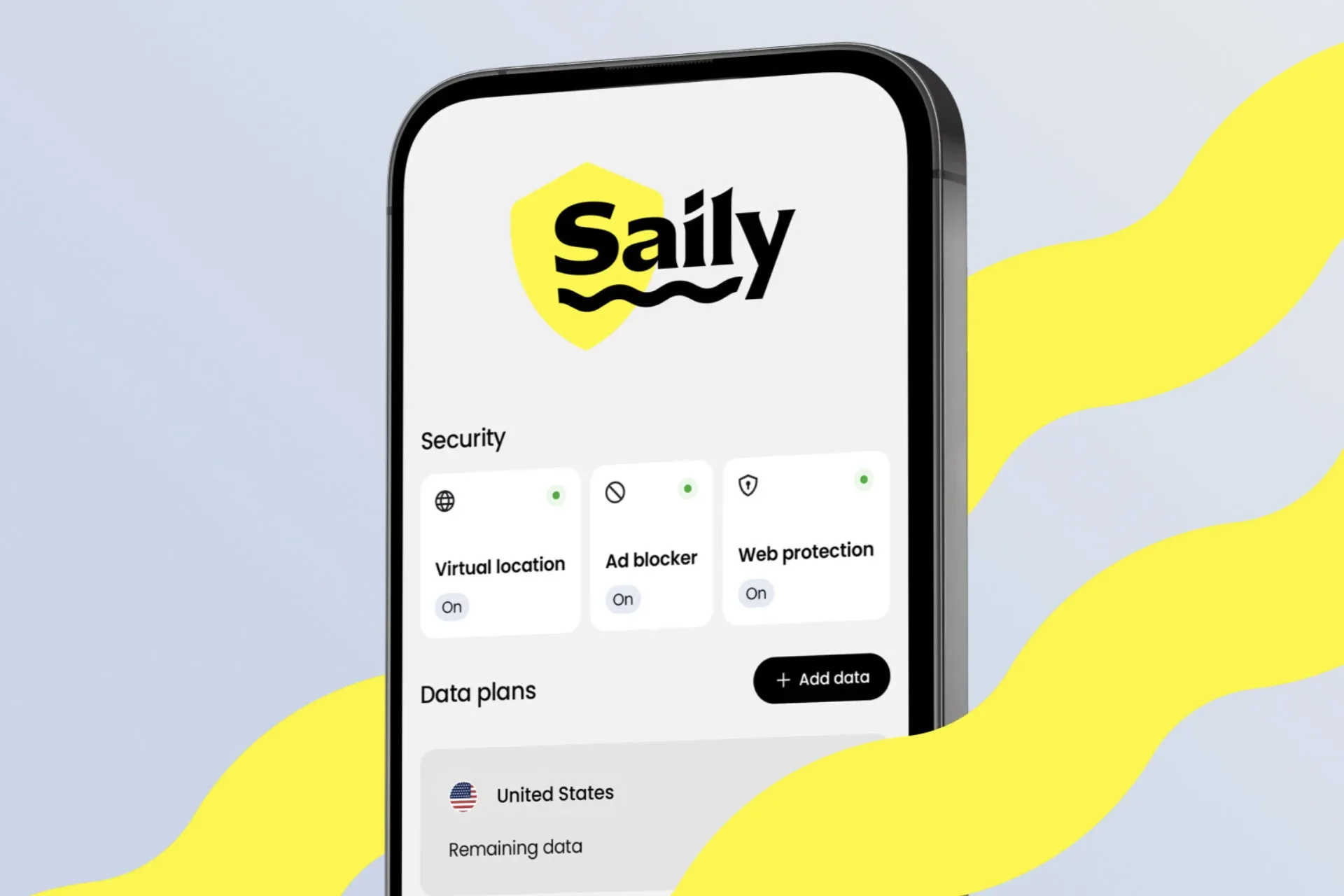
Group travel has a small but reliably chaotic opening level: everyone lands, somebody needs the accommodation address, someone else cannot access a booking email, and the person who said they would “sort data at the airport” has instead sorted nothing. Saily’s shared eSIM plans are designed to remove one part of that scramble. One buyer can purchase an eligible data plan and invite up to four other people, putting a maximum of five travelers on the same plan.
The headline benefit is straightforward: only the plan owner pays, while the invited members receive mobile data through the shared plan. It could suit a family, a group of friends, or a travel party where one person would rather handle the connectivity setup before departure than have five people make separate purchases.
There is an important catch, though: this is a shared pool of data, not five equal personal allowances. A 20 GB plan remains 20 GB in total, regardless of how many people join it. Every map refresh, message attachment, video stream and game download comes out of the same balance. The plan also ends for the whole group when its data is used up or its validity period expires, whichever happens first.
What a shared eSIM plan means
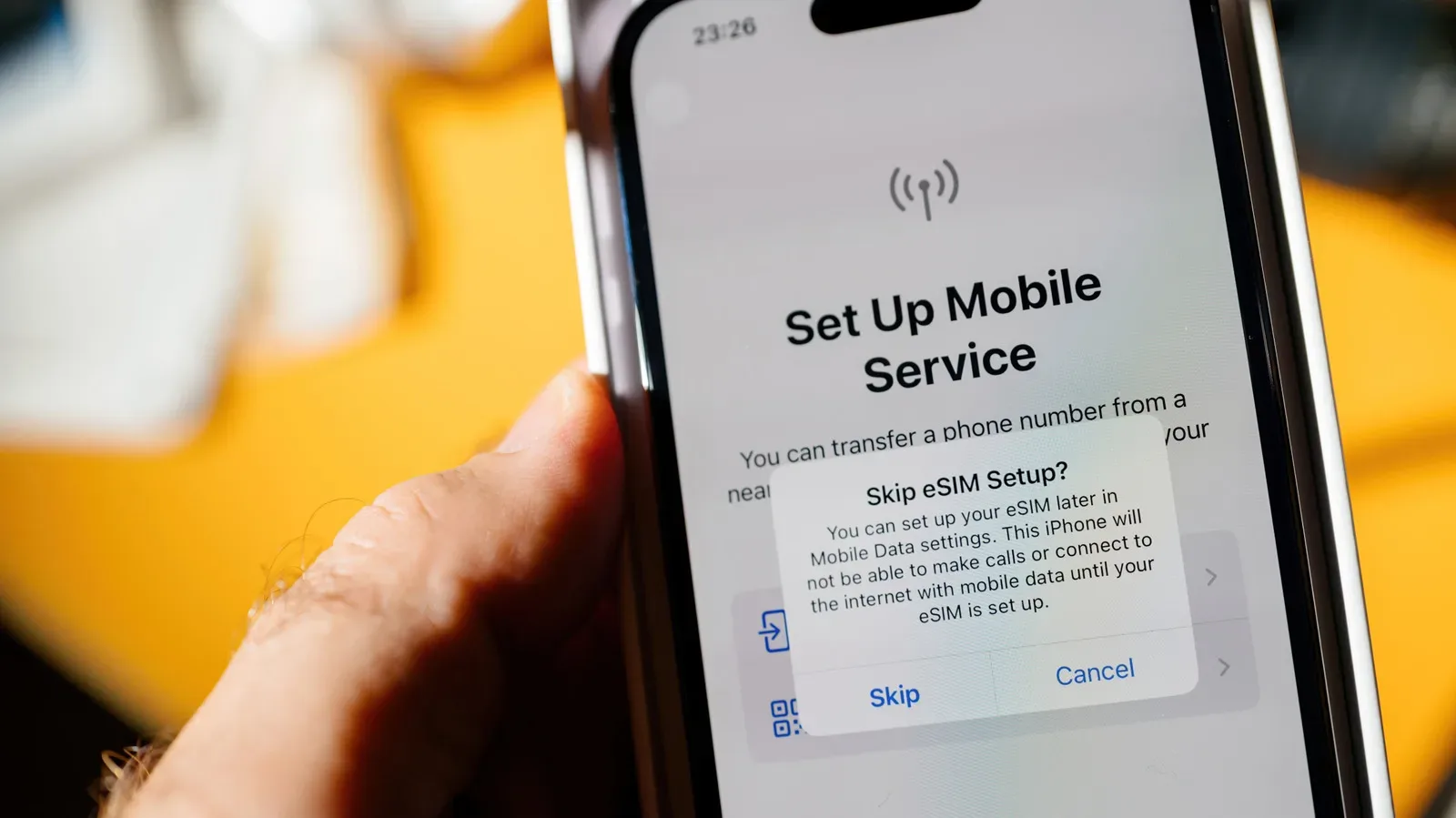
An eSIM is a digital SIM profile installed on a compatible device, rather than a physical card that needs to be inserted. In practical travel terms, it can provide cellular data in a destination without requiring each traveler to obtain a local physical SIM. Saily’s new sharing option changes the billing and setup arrangement: one person buys the plan, then distributes invitations to the rest of the group.
That does not mean the group is merely tethering to one phone. A hotspot normally depends on the host device being nearby, powered up and connected. The shared-plan arrangement instead gives invited members access through Saily after they accept their invitations. The common element is the data allowance and its owner-managed purchase, not a single phone acting as the group’s permanent Wi-Fi hub.
For a party of five, the buyer can invite four additional people. Each invitee receives a link by email, then uses the Saily app to sign in or create an account and confirm participation. This makes the group plan especially useful when the organizer wants the basics ready before arrival: directions, transport details, chat messages and access to travel documents are less likely to depend on finding public Wi-Fi first.
The setup rule that matters most: invite first
Shared-plan setup has a firm ordering requirement. The purchaser must start with a plan that has not yet been activated, enter up to four email addresses, and let those travelers accept their invitations. Once the plan is activated, no additional members can be added.
That limitation makes planning more important than it may initially sound. A group should decide who is actually traveling before activation, confirm the email addresses being used, and give each member time to accept. A late addition cannot be slotted into a running plan, even if the group has unused capacity under the five-person maximum. That person would need their own eSIM plan instead.
Related coverage includes Saily Adds Shared eSIM Data Plans for Groups of Up to Five.
A sensible pre-departure checklist
- Choose one person to buy and manage the plan.
- Confirm the final travel party and collect the email address each person will use.
- Select an eligible plan before activating it.
- Send all invitations while the plan remains inactive.
- Have every recipient open the link, sign in or create an account in the Saily app, and accept.
- Only then activate the plan, once the group is confirmed.
The details are mundane, but they are the difference between a group arrangement and a collection of last-minute workarounds. An invitation left unopened until after activation is not something the purchaser can simply resend as a new place on the existing plan.
Which Saily plans can be shared?
The sharing feature applies to Saily’s 3 GB, 5 GB, 10 GB and 20 GB plans. It does not apply to 1 GB plans, unlimited plans, or the Ultra subscription. Travelers should therefore check the plan type as well as the destination and data amount before assuming that it can be used by the group.
Saily covers more than 200 destinations, but availability in a country does not automatically make every product tier shareable. The relevant question is whether the selected data plan is one of the supported fixed-data options: 3 GB, 5 GB, 10 GB or 20 GB.
This also reveals the intended trade-off. Smaller shared packages may be fine for a tightly managed trip focused on messages, reservations and directions. A five-person group using a 3 GB pool, however, could burn through it quickly if multiple people treat it like an unlimited individual connection. The service does not divide the allowance into protected slices for each member.
Data pooling: convenience with a group-management problem
Data pooling means every member consumes from one collective allowance. That can be efficient when usage is light and broadly predictable. It can also create a familiar party-game dynamic: one person’s heavy use affects every player.
For example, a traveler looking up routes, checking restaurant times and messaging the group may use far less data than another person streaming video during downtime. Neither use is inherently wrong, but both draw from the same finite plan. Once the pool is empty, connectivity stops for everyone on it.
The practical response is not necessarily to police every megabyte. It is to agree in advance what the shared plan is for. A group might reserve cellular data for travel logistics and day-to-day communication, while leaving high-bandwidth entertainment for trusted Wi-Fi. That is particularly relevant for mobile gaming: downloading a large update, installing a new game, or streaming gameplay can consume a shared allowance much faster than ordinary browsing.
Battery planning belongs in the same conversation. Navigation, cellular use and hotspot-style habits can all put pressure on a phone during a long travel day. Keeping devices charged and avoiding unnecessary background use can be as useful as buying more data. For related troubleshooting, see our guide to why a phone battery percentage can suddenly drop.
Who is most likely to benefit?
A shared plan looks best suited to groups with a clear organizer and a realistic sense of collective data needs. Parents arranging connectivity for children are an obvious fit, as are friend groups that want one payment rather than separate purchases for each person. It can also help prevent the recurring scenario in which a traveler arrives without a plan and relies on another person’s phone connection.
It may be less appealing where the group expects uneven, high-volume use. Since a data-heavy member can diminish the available balance for everyone, people who need dependable capacity for work, streaming or other intensive tasks may prefer separate arrangements. Likewise, anyone who might join after the trip has already begun will not be able to enter an activated shared plan.
The plan owner should also recognize the social side of centralized payment. One card is charged and one person controls the initial setup, which simplifies administration. But that person is also the natural point of contact if a member has not accepted an invite in time or if the group needs to decide how conservatively to use the remaining data.
Bottom line: simple when organized before takeoff
Saily’s shared eSIM option offers a practical way for up to five travelers to start a trip connected through one eligible data plan. Its value is not just the single purchase; it is the chance to make connectivity a pre-flight task instead of an airport emergency.
Success depends on understanding the constraints. Use a supported 3 GB, 5 GB, 10 GB or 20 GB plan. Invite every traveler before activation. Remember that all members consume from the same allowance. And set expectations around data-heavy activities, because exhaustion or expiry cuts off the entire group at once. With those conditions accounted for, the setup can replace a mess of individual plans with one deliberately managed connection pool.