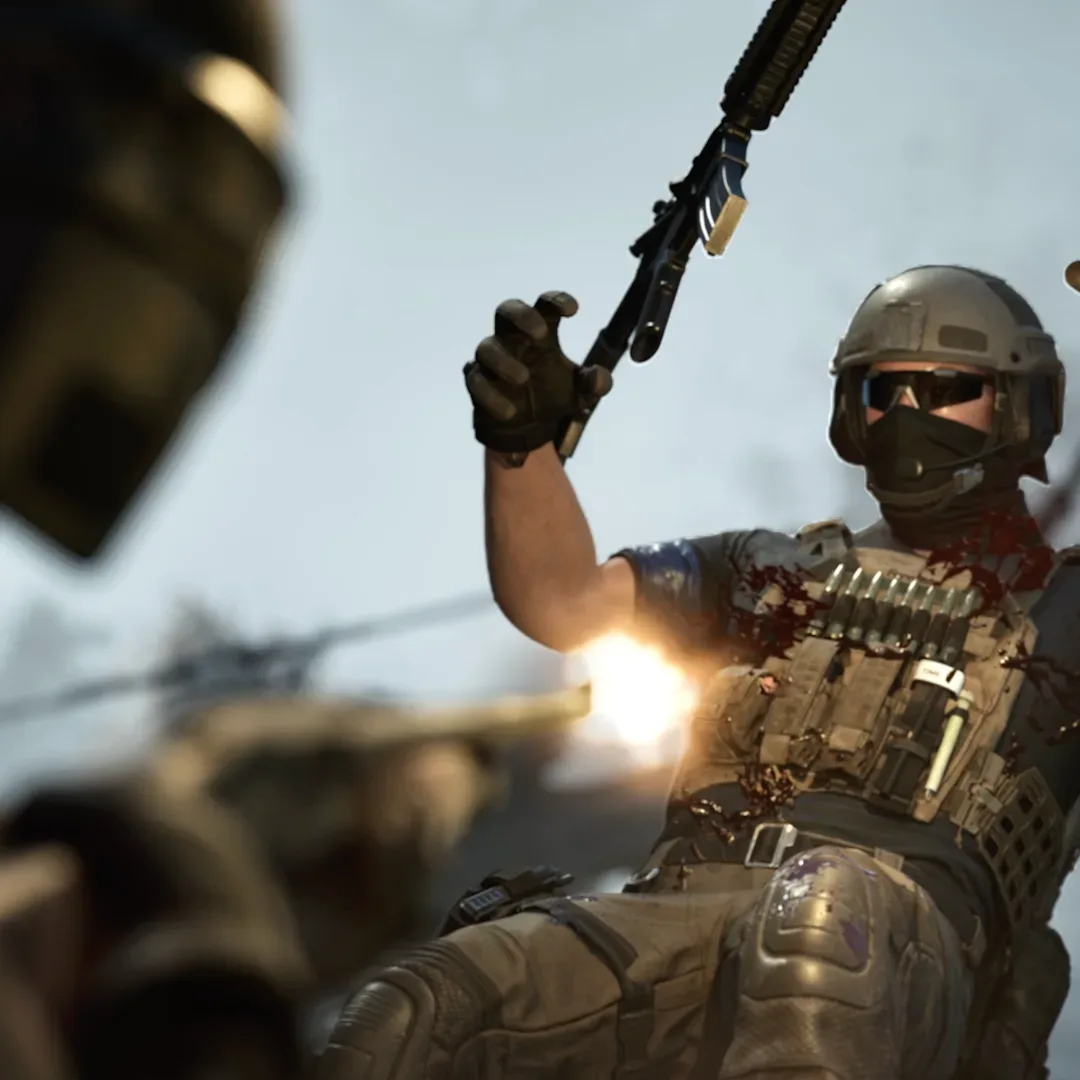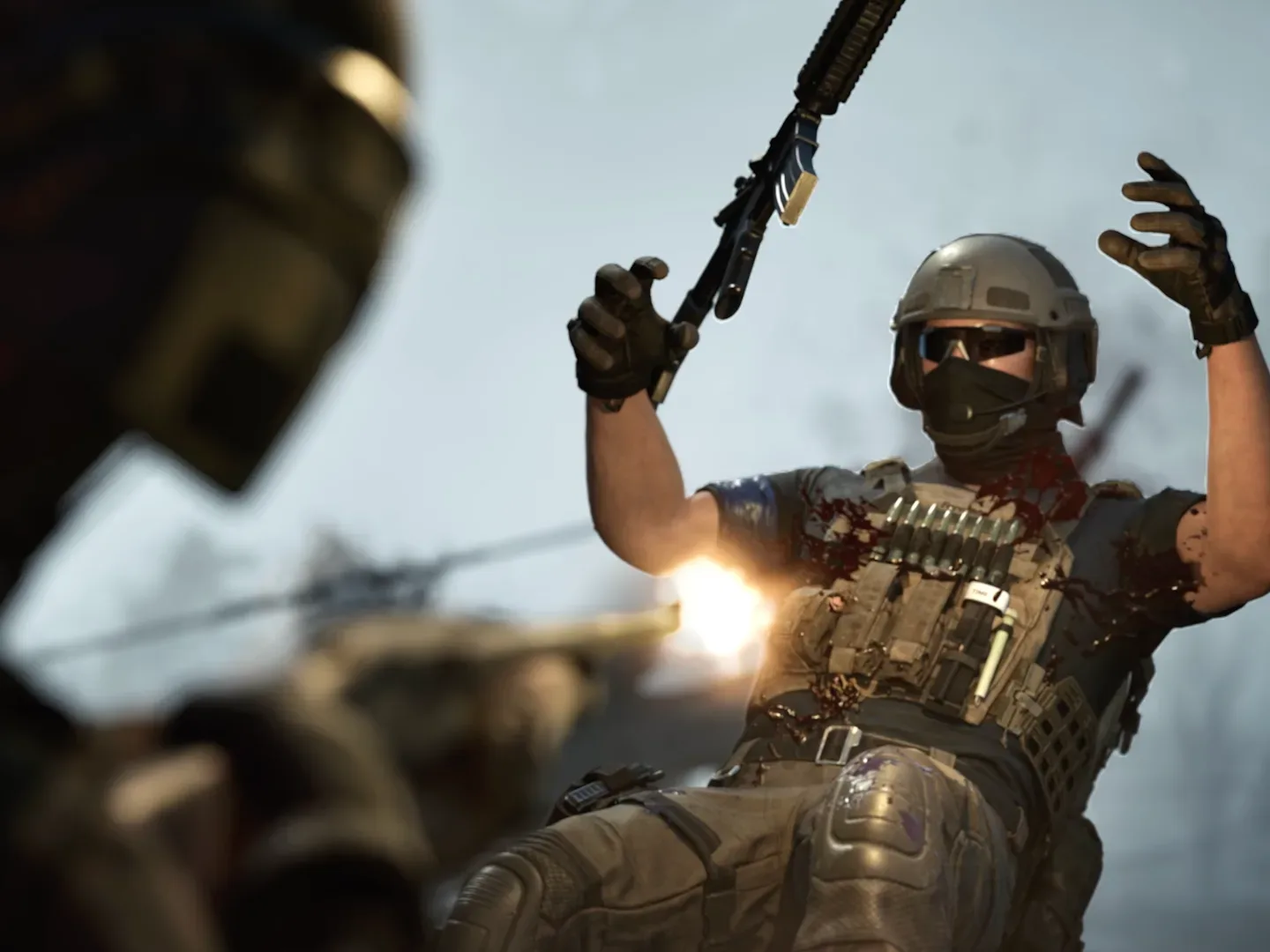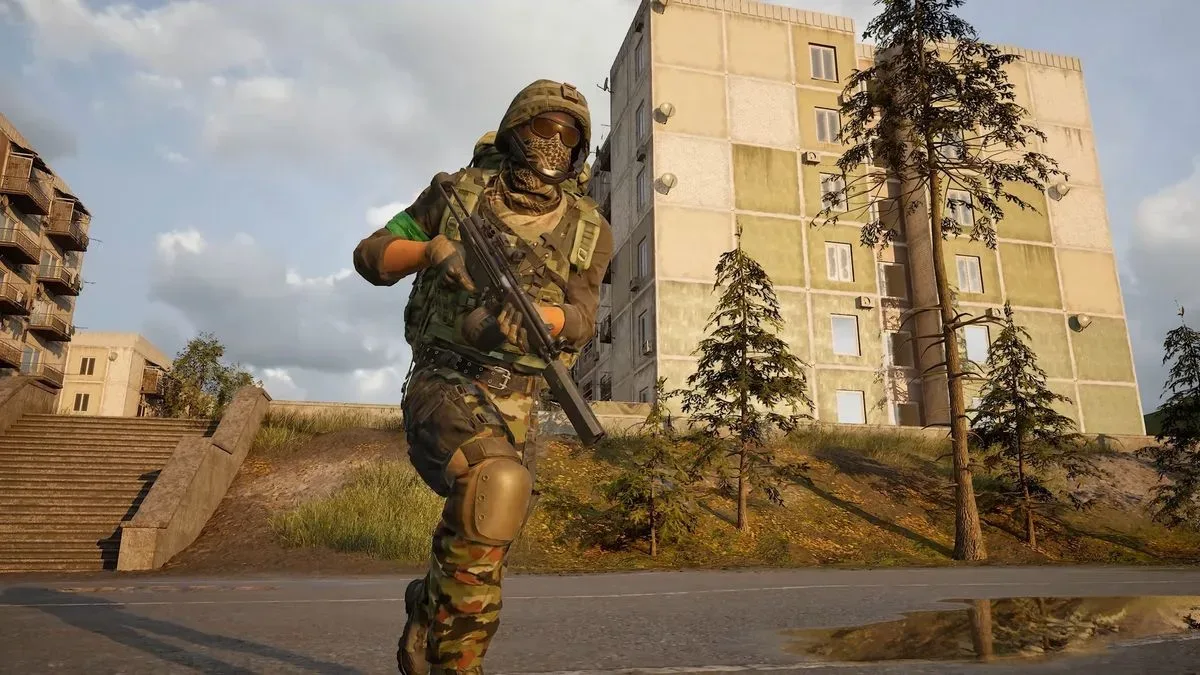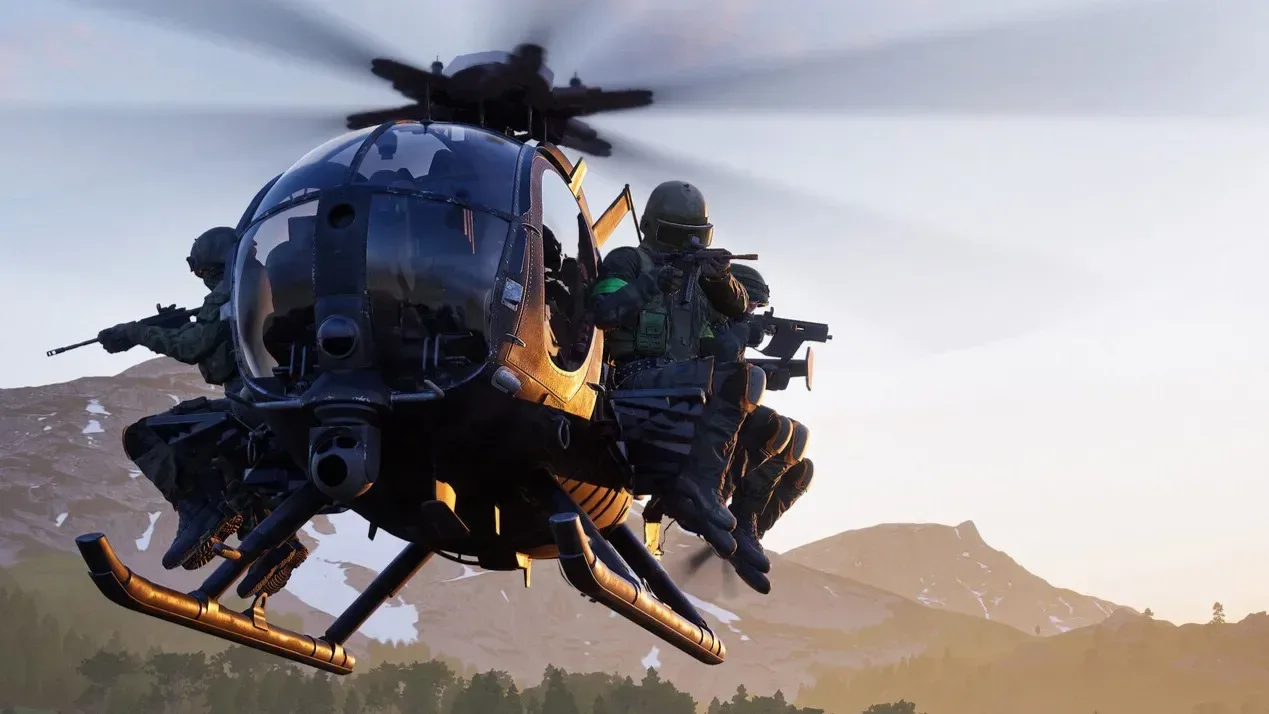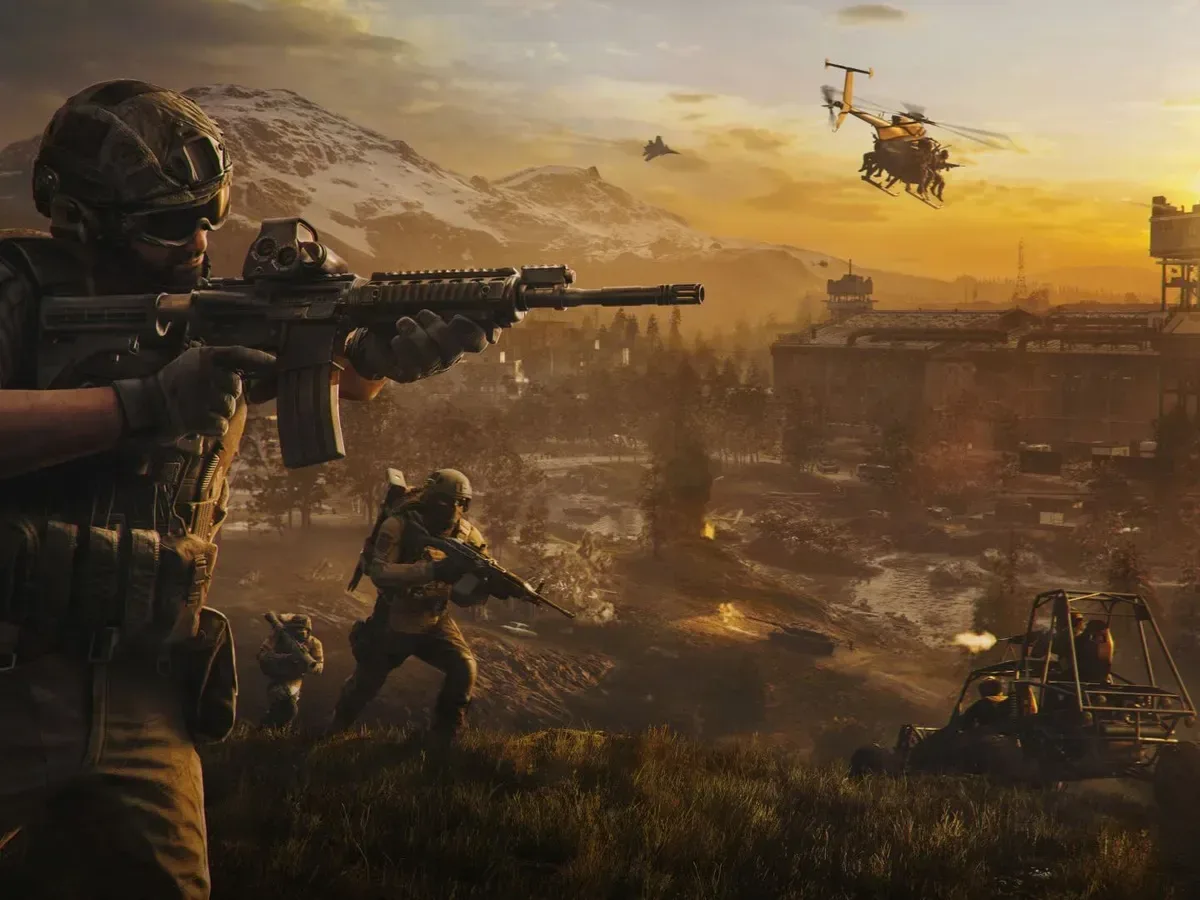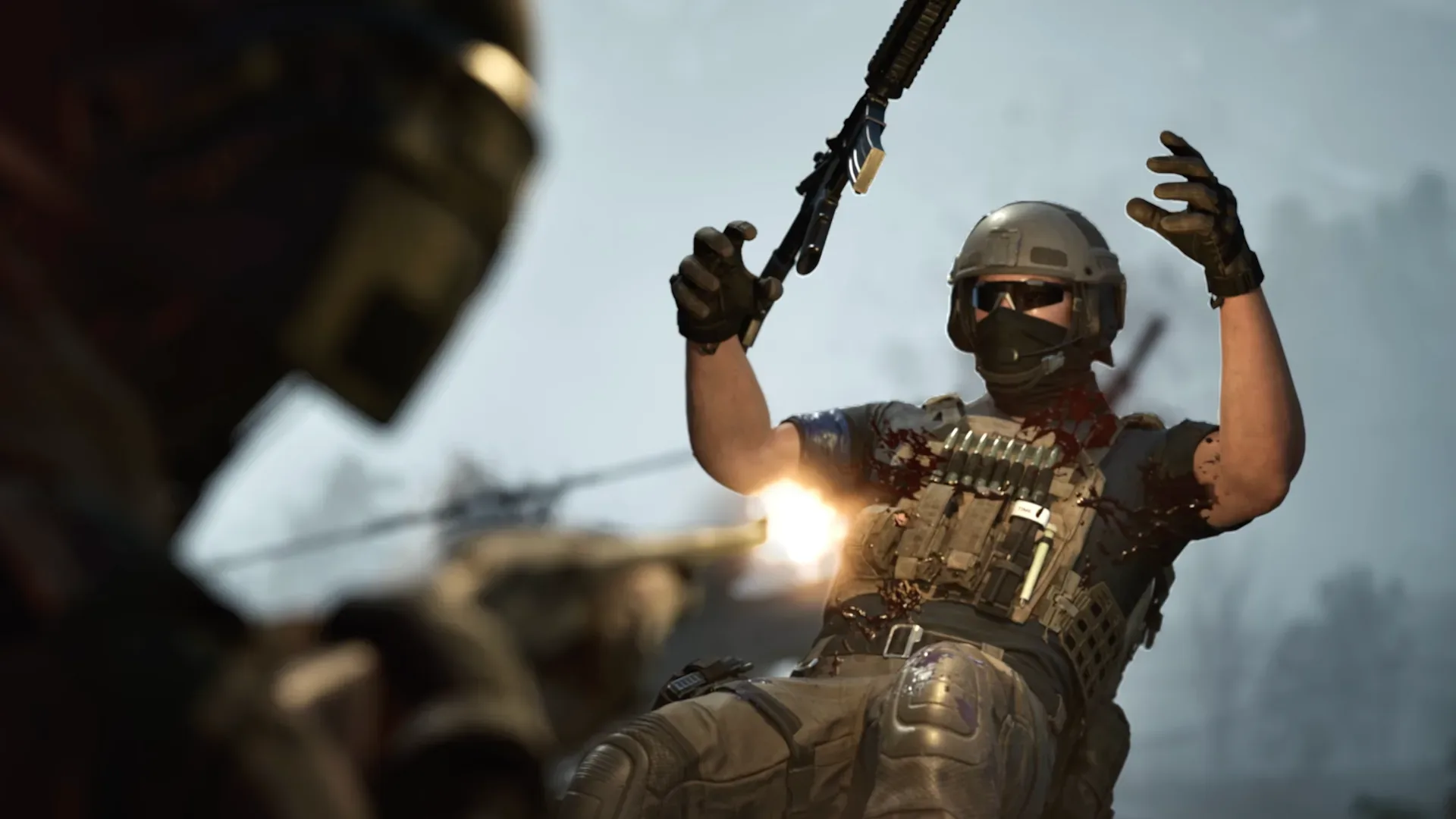
Wardogs is barely a week into early access, yet Bulkhead is already moving into the less glamorous phase of a big launch: determining which parts of its 100-player firefight are exciting enough to retain players, which parts are merely noisy, and which have become points of friction.
The game reached a peak of 428,666 concurrent players on Steam. Its concurrent count was later reported at 292,471, a decline of more than 100,000 from that high point but still an exceptionally large active audience for an in-progress game. Bulkhead CEO Joe Brammer has characterized that movement as a “perfectly acceptable decline,” while inviting the community to identify the single biggest problem it would want changed during the current season.
That framing matters. A peak concurrent-player figure captures a moment when maximum interest, availability and launch curiosity overlap. It is not a promise that the same number of people will remain online every day afterward. A post-launch drop can reflect players finishing an initial session, trying the game briefly, returning to established favourites, or simply being unable to play at the same time. The more important question for Bulkhead is what the subsequent pattern reveals about Wardogs itself.
A huge opening audience enters its feedback phase
Brammer said the game is entering the stage where players begin finding balance issues or disagreeing with design decisions. That is a familiar pressure point for a multiplayer game with a large population: the opening rush supplies a huge amount of attention, but it also exposes systems to far more play styles, skill levels and expectations than internal testing can realistically cover.
Balance, in this context, means how the game’s tools and systems compare in practice. Players may be talking about the relative usefulness of equipment, weapons, vehicles, tactics or other choices. A balance complaint is not automatically proof that something is broken. It can instead reveal that players see too little reason to choose one option over another, or that a particular approach is disproportionately frustrating to face.
Design decisions are broader. They can include rules, incentives, the rhythm of a match, how information is delivered, how progression is structured, or what the game encourages people to do. The distinction is useful because a numerical tweak may address a balance issue, while an objection to the game’s basic priorities may require a much larger rethink—or may be an intentional part of the game Bulkhead chooses to keep.
Brammer’s request puts the latter point plainly. He stressed that Bulkhead remains responsible for the game’s vision, while also saying players have a voice in the process. That is a more honest description of useful community feedback than the idea that a loud response should immediately become a development mandate. Feedback can identify pain points and priorities; the developer has to judge whether proposed changes fit the game it is trying to build.
“Season 2 is going to bring lots of new content and changes,” Brammer said, asking what the biggest issue is that players would alter mid-season.
Related coverage includes Wardogs Begins Its Early Access Reality Check as Bulkhead Invites Mid-Season Feedback.
The mention of both a mid-season change and Season 2 establishes two potential timelines. Some issues may be narrow enough to be adjusted sooner, while new content and larger changes are associated with the next season. Bulkhead has not detailed specific fixes, a Season 2 feature list, or a schedule in the available information, so players should not treat the invitation for suggestions as confirmation that any particular request is planned.
Why the player count needs context
It is easy to read a fall from 428,666 to 292,471 as a single verdict on Wardogs. It is not. Both figures are concurrent counts: the number of people playing at one time, rather than the total number of people who own, downloaded or have ever played the game. Concurrent numbers naturally rise and fall by time of day, day of week, regional activity and the novelty of a release.
The decline is significant in raw terms because the starting point was so large. But 292,471 people playing concurrently remains a major audience. The more revealing information will come from whether the game establishes a steadier population after the launch spike, whether players return around updates, and whether the issues users raise point to a common problem rather than scattered individual preferences. None of that can be settled from two snapshots alone.
For a 100-player game, scale also magnifies the value of clear priorities. Every complaint does not deserve identical weight. A dramatic request might be memorable while affecting only a tiny group. Conversely, a mundane problem involving readability, match flow or a commonly used system can influence a vast number of matches. The best signal is usually a recurring, specific report that explains both the issue and its practical effect.
What constructive Wardogs feedback looks like
Bulkhead has asked for the biggest issue players would change. That question is much more useful when answered with a clear description rather than a broad declaration that something “feels bad.” Players hoping to make their feedback actionable can focus on observations such as:
- What system or situation is causing the issue.
- When it happens and whether it is consistent.
- What outcome makes it frustrating, confusing or uncompetitive.
- Whether the concern seems like a balance adjustment, an interface or clarity problem, or a larger design objection.
- What result a change should aim for, without assuming one specific solution is the only answer.
For example, “this option is too strong” is a starting point. Explaining how it limits viable choices or repeatedly produces an outcome players cannot reasonably respond to is more informative. The same applies to design criticism. Saying that an incentive creates behaviour that undermines the intended firefight provides a developer with a testable problem; demanding that the whole game be changed to match a different game does not necessarily do so.
That does not mean players need to deliver professional design documents. It means the most valuable comments preserve the experience behind the complaint. Developers can decide how to solve an issue only after they understand what people are encountering.
Early access is a development state, not a free pass
Wardogs’ situation also highlights an ongoing tension around early access. In its straightforward sense, early access means people can buy and play a work in progress while development continues. The arrangement gives a studio a live audience capable of revealing problems, preferences and unexpected uses of a game’s systems. Players, in turn, are participating before the project’s final shape is complete.
That model does not mean players should ignore flaws, nor does it mean a studio must accept every demand. Instead, it makes the relationship unusually visible. Players may reasonably expect active communication about major concerns and the direction of development. Developers may reasonably protect the principles that make their project distinct. Brammer’s comments acknowledge both sides: he is collecting responses, but he is not presenting the game as a blank slate.
The distinction becomes sharper when a game attracts a very large audience quickly. Many people now approach early-access releases with the habits they bring to finished live-service games: they expect polish, quick answers and a content cadence from the beginning. That may be understandable from the player’s perspective, but it changes the nature of feedback. Rather than a small community helping shape a developing project, a studio can suddenly face thousands of competing instructions about a game that has scarcely had time to settle.
Wardogs has reached exactly the kind of scale where filtering is essential. Some replies to Brammer’s question were deliberately unserious, including suggestions for dashboard decoration and a request to change one colour to another. Such posts are part of public social-media conversation, but they do not offer much evidence for a development priority. The useful feedback will be the reports that identify repeated problems in a way Bulkhead can evaluate.
What Bulkhead’s wording tells players—and what it does not
There are three concrete takeaways from Brammer’s message. First, Bulkhead expects a degree of player-count decline after Wardogs’ strong launch and does not describe that fact alone as a crisis. Second, the studio is actively seeking input on problems that might be addressed during the current season. Third, Season 2 is intended to bring new content and changes.
There are also important limits. The message does not confirm which balance concerns Bulkhead has identified internally. It does not say which player requests will be adopted, whether a mid-season adjustment is imminent, or what the “lots of new content” planned for Season 2 entails. A call for feedback is an opportunity to influence priorities, not a patch note.
For players, that is the appropriate moment to separate a personal preference from a systemic concern. A game can include deliberate choices that not everyone likes. If a player thinks a decision is harming the experience, the strongest case is not “make this more like another shooter.” It is explaining what Wardogs is failing to deliver within its own premise and why a different approach might better support it.
For Bulkhead, the challenge is equally clear: preserve the vision Brammer says the studio is responsible for while showing that the invitation to speak produces meaningful listening. Early-access communities are more likely to remain engaged when they can see the difference between an unanswered demand and a considered decision. Even a choice not to change a contentious feature can be easier to understand when the reasoning and intended experience are clear.
Wardogs’ player count has moved down from an extraordinary peak, but the game is still drawing hundreds of thousands of concurrent Steam players. That gives Bulkhead a large base from which to identify recurring concerns and test the strength of its core experience. The launch novelty may be fading; the more consequential work of early access is now beginning.
For more on studios defining their next moves, see Treyarch’s comments about pursuing something new after two Black Ops games.