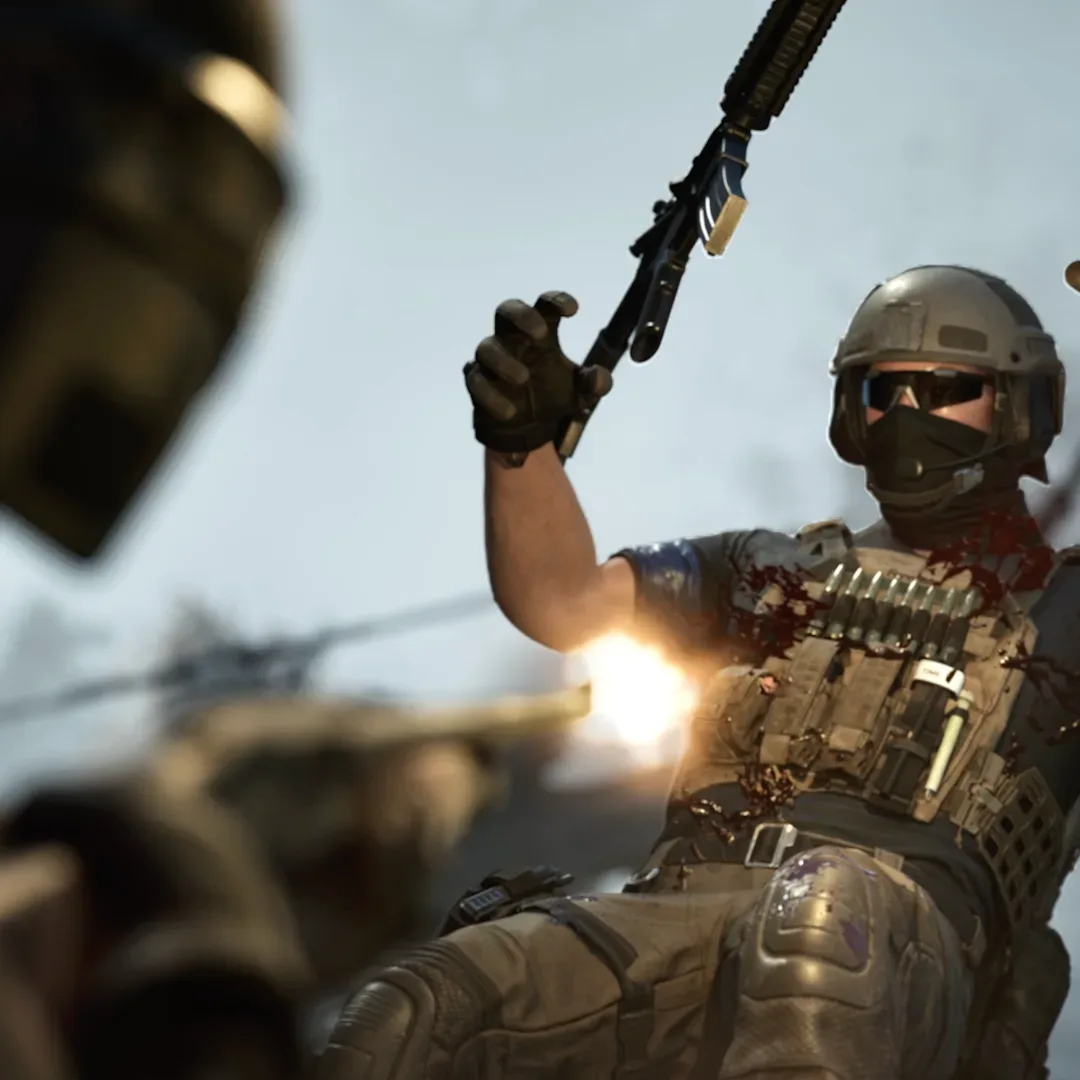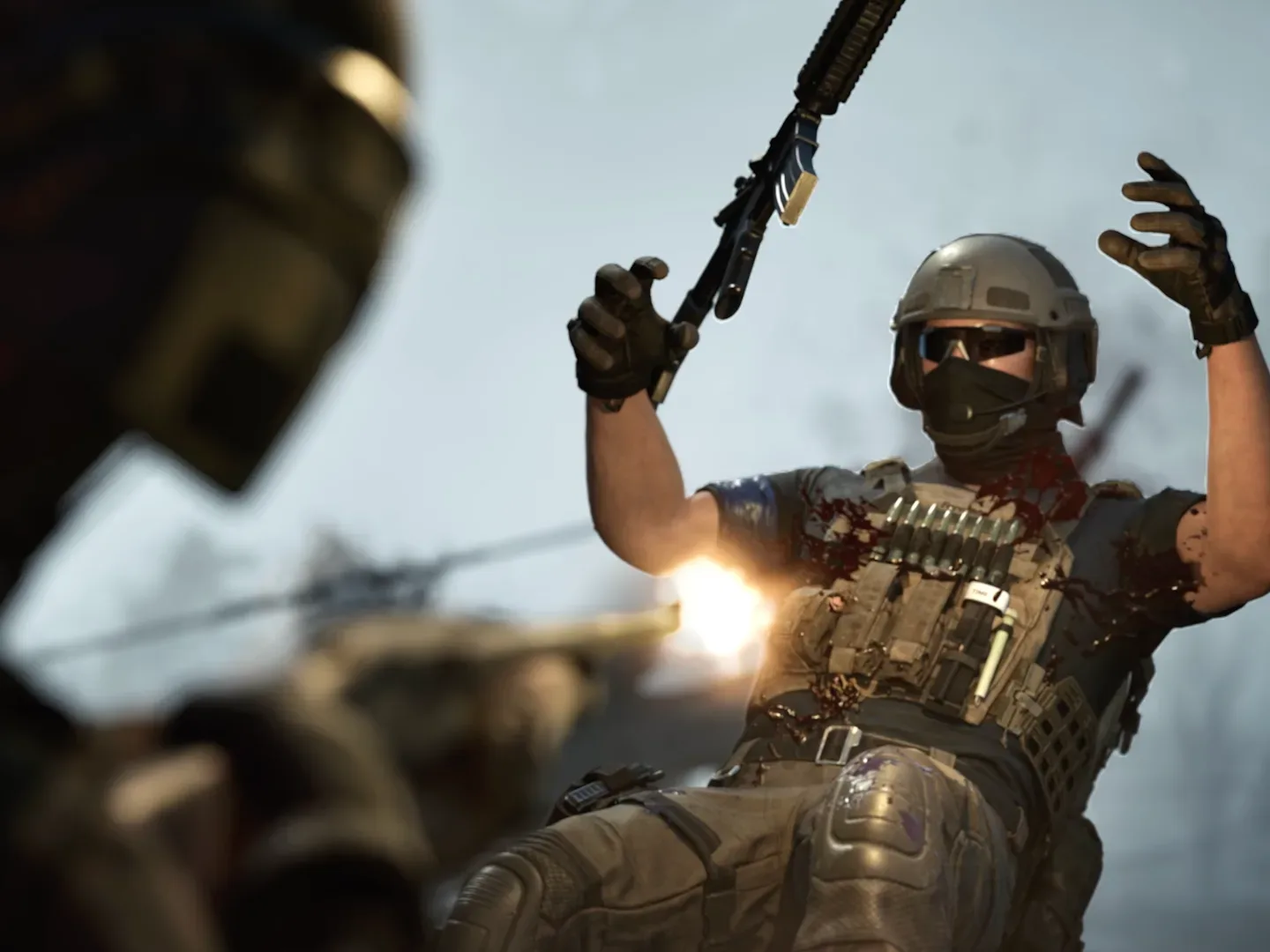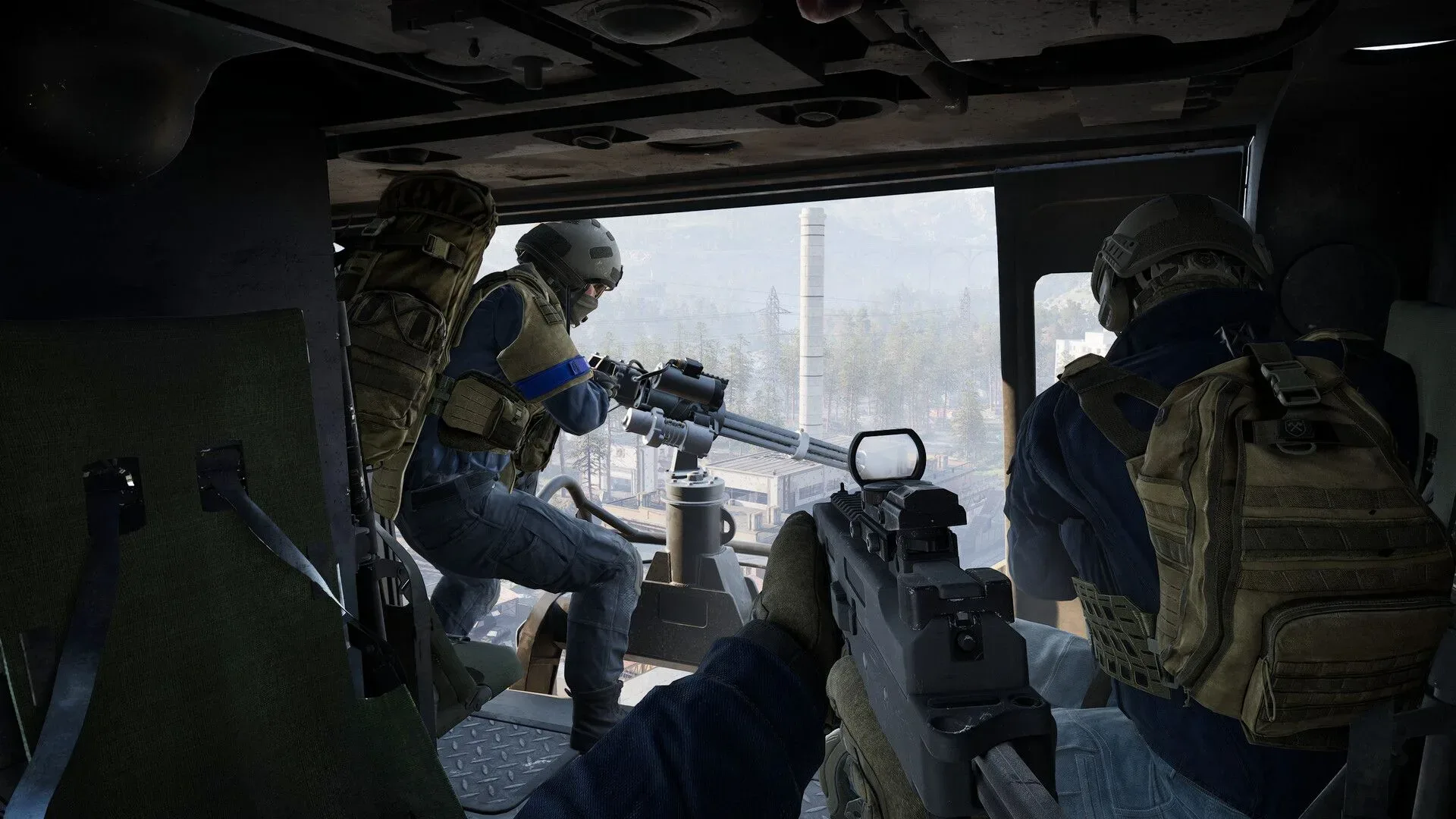
Wardogs is taking an unusually explicit approach to early-access pricing. Bulkhead CEO and Wardogs executive producer Joe Brammer says the first-person shooter’s current $40 price is not intended to remain fixed while the game grows. The studio plans to raise the price to $49.99 in around 12 months, at about the point it aims to reach “0.5,” then to $59.99 in around 24 months.
The central argument is simple, if necessarily contentious: players who buy earlier can pay less for a less complete version, while those who wait can pay more after additional content and work have been added. Brammer’s position is that the price should scale with the scope of the game, rather than treating early access as a permanently discounted alternative to a finished release.
“If you don’t want to get in now, wait for there to be more content, more stuff, buy it later,” Brammer said. “You want to buy in cheap now? That’s fine too.”
That blunt framing matters because it sets expectations well beyond a routine price adjustment. Bulkhead is presenting the increases as part of Wardogs’ development model from the outset, not as a surprise introduced late in the process. It is also accepting that some prospective players may decide the current price, or a future higher one, is not for them.
What Wardogs’ scaling-price plan actually says
The known outline is straightforward:
- Wardogs is currently priced at $40 in early access.
- Bulkhead plans a rise to $49.99 in roughly 12 months, around the intended “0.5” milestone.
- The studio plans another increase to $59.99 in roughly 24 months.
Those are plans rather than a detailed list of guaranteed additions attached to each dollar amount. Brammer described the broad trade-off as paying less at the beginning or waiting until the game has more content. Players should therefore avoid reading a precise feature checklist into the “0.5” reference alone; the information available establishes a target timing and price, not a complete roadmap of modes, maps, systems or final-release commitments.
Still, the message gives would-be buyers a clearer decision than the vague “price may change during early access” notice common to games in development. Bulkhead has stated both the intended size of the increases and an approximate schedule. That transparency does not eliminate the value debate, but it does make the studio’s commercial direction easier to assess.
Early access is a purchase of the present game, not a prepaid promise
Early access generally means a game is sold while development continues. Buyers get access to the version available at the time, and developers may use sales income and player feedback to continue work. The arrangement can also involve updates, adjustments and changing scope over time. It does not automatically mean that every player will find the current build sufficiently complete for the asking price.
Related coverage includes Wardogs Plans Early Access Price Increases as Bulkhead Maps Out Its First Two Years.
Wardogs’ model makes that distinction especially important. A $40 purchase today is, in Bulkhead’s framing, an opportunity to join earlier at the lower rung of a deliberately rising scale. It should not be interpreted as an obligation on the player’s part to fund an unspecified future game simply because the price may later be higher.
For players, the useful question is practical rather than philosophical: is the game as it exists at the moment worth $40 to them? If yes, the proposed future increases give early buyers a financial reason not to wait. If no, Brammer’s stated alternative is to wait for more content and reconsider later, accepting that the price is planned to rise.
The approach also puts pressure on Bulkhead’s communication. The more the price climbs, the more clearly the studio will need to show what has changed, what remains unfinished and why the current version supports its new price point. Brammer acknowledged the likely criticism: players may object to a price increase while they feel particular problems have not been fixed.
Bulkhead’s case: high-fidelity production and long-term support cost money
Brammer places Wardogs in the fuzzy territory between an “indie” game and a “AA” game, while also conceding that those labels do not have firm definitions. The relevant point for Bulkhead is scale. The studio argues that the game’s high-fidelity graphics and physics require substantial time and money to produce.
High fidelity, in this context, refers broadly to the visual and technical detail the developer is trying to achieve. Physics refers to systems that govern how objects and elements of a game world move or interact. Neither term, on its own, guarantees a particular level of quality or a specific feature set. But both describe areas that can demand sustained technical and artistic development.
Players interested in the graphics side of PC development may also find our explainer on what anti-aliasing does in PC games useful. Anti-aliasing is one example of the rendering work that can shape how clean and stable an image appears, though Bulkhead has not tied Wardogs’ price plan to any particular anti-aliasing technology.
For Brammer, pricing is tied directly to sustainability: the ability to keep supporting Wardogs in the long term. He said Bulkhead controls salaries and does not want to let them spiral, but maintains that the game costs a great deal to make. The studio’s logic is not that every FPS should cost the same, but that a game with Wardogs’ ambitions should command the amount Bulkhead believes it needs.
“We believe that our price needs to go up to make this game sustainable,” Brammer said, arguing that long-term support for a large FPS has to be financed.
A deliberately firm value proposition
The sharpest part of Brammer’s comments is also the least easy to soften: players who disagree with Bulkhead’s valuation are invited not to buy the game. That can sound confrontational, but it is consistent with the rest of the strategy. Rather than competing principally on being the cheapest FPS option, Bulkhead is trying to define Wardogs as a higher-cost project with a price that grows alongside it.
This is a high-accountability stance. Brammer said players should expect the quality Bulkhead delivers to match the price, and acknowledged that the studio is establishing a precedent with this kind of structure. In effect, Bulkhead is asking the audience to judge the game at each stage against a moving but publicly stated price.
That is where the plan’s risk lies. An increase can be understandable as a game gains more material and receives continued support, but the audience’s perception of value is never determined by quantity alone. Stability, responsiveness to issues and the usefulness of updates all influence whether players believe a new price tier has been earned. Brammer has already signaled awareness that unresolved complaints may become focal points when the price changes.
What buyers should watch as the roadmap progresses
Bulkhead’s stated schedule gives players a few concrete things to monitor without assuming details that have not been announced.
- Progress toward the “0.5” target. The roughly 12-month $49.99 step is linked to that milestone, making it a natural moment to assess how the game has expanded.
- What “more content” means in practice. The studio has tied value to a bigger game, so update notes and clear explanations of additions will be especially important.
- Outstanding issues. Brammer recognized that players may challenge a higher price if they believe important problems remain unresolved.
- The sustainability claim. Continued development and support are central to Bulkhead’s justification, meaning the studio’s follow-through will matter as much as the announced numbers.
There is a further complication. Brammer has also voiced concern that Wardogs may face an “Arc Raiders situation” in which the developer does not have enough content for players. That remark reinforces the tension at the heart of the pricing plan: Bulkhead wants early access to help support a big, evolving FPS, but it also knows player appetite can outpace a developer’s ability to build new material.
For now, the clearest takeaway is not that Wardogs is a bargain or overpriced in any universal sense. It is that Bulkhead has made a specific wager: a $40 entry point today, followed by planned $49.99 and $59.99 stages, can fund the work needed to make the game larger and keep it supported. The studio has been equally clear about the reciprocal obligation. If it asks players to accept a higher price as Wardogs develops, it expects to be judged on whether the game’s quality and substance rise with it.