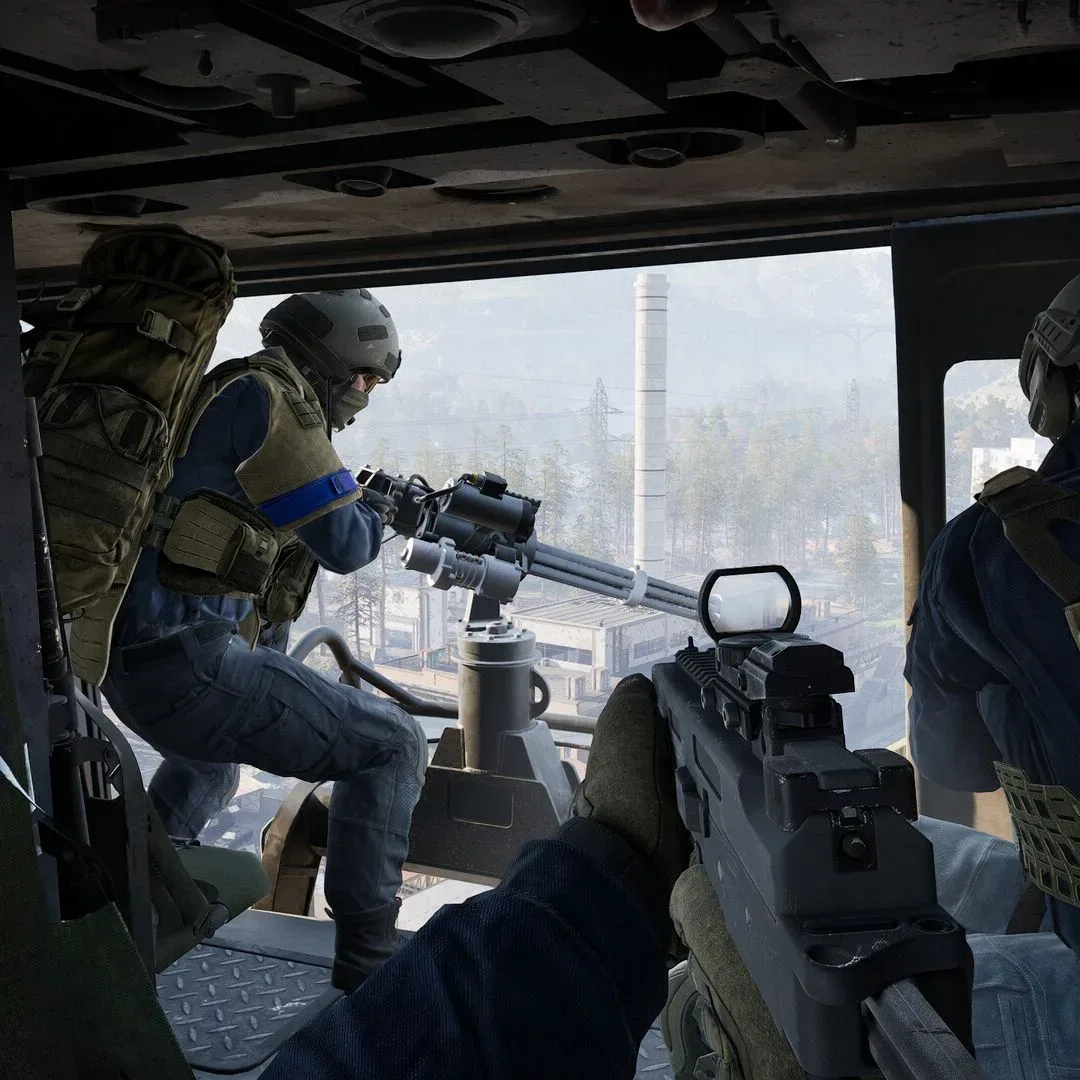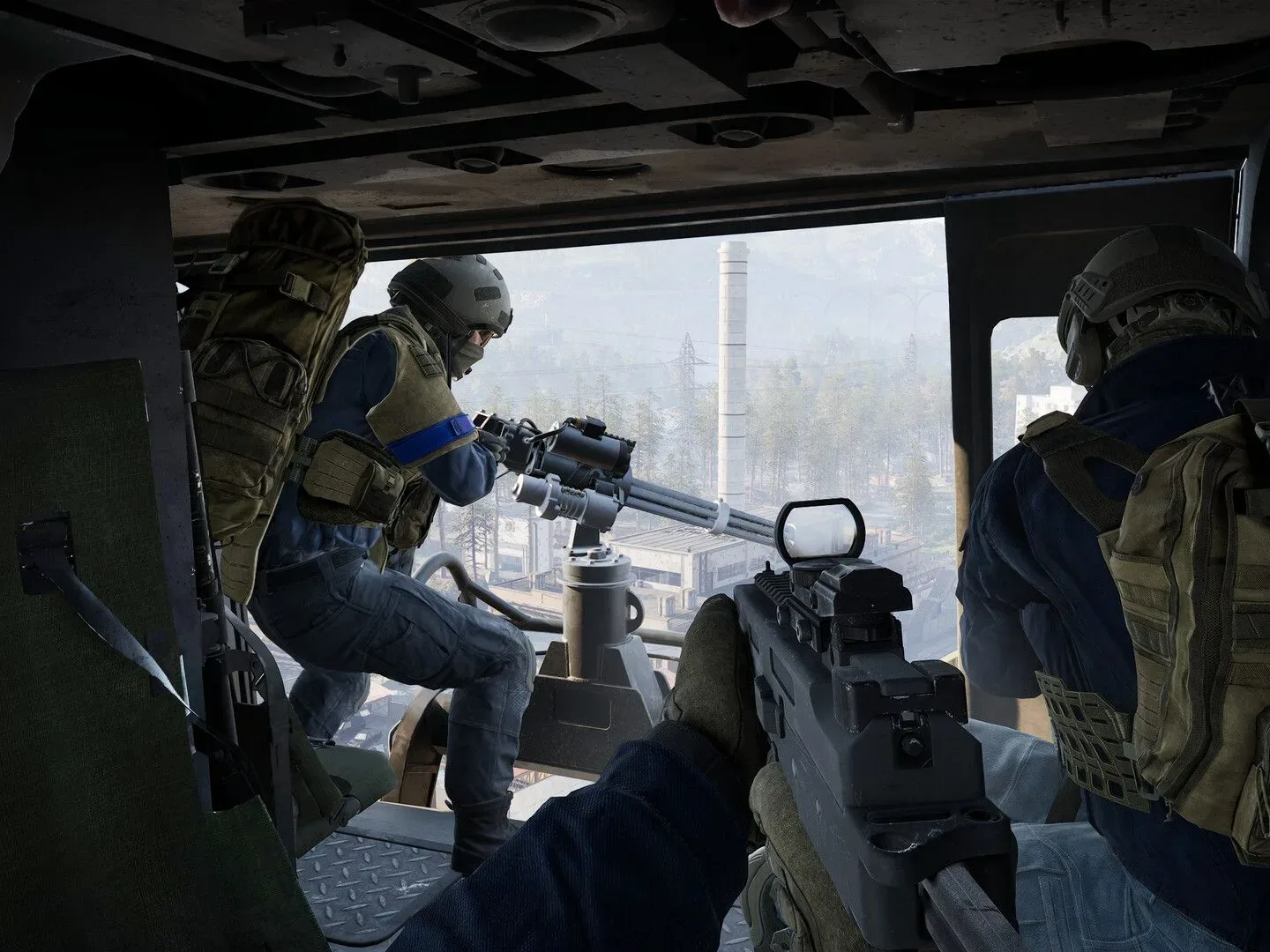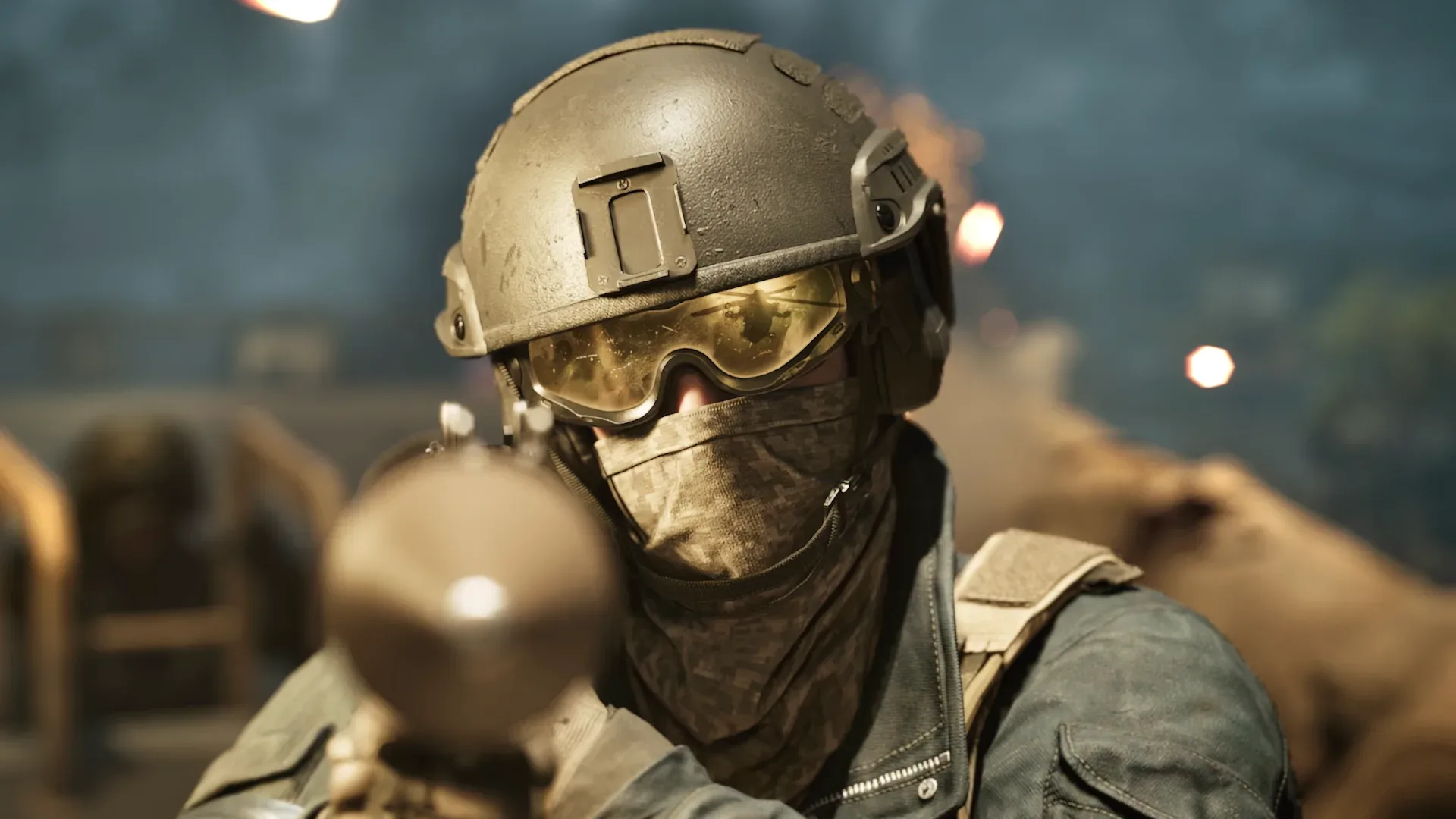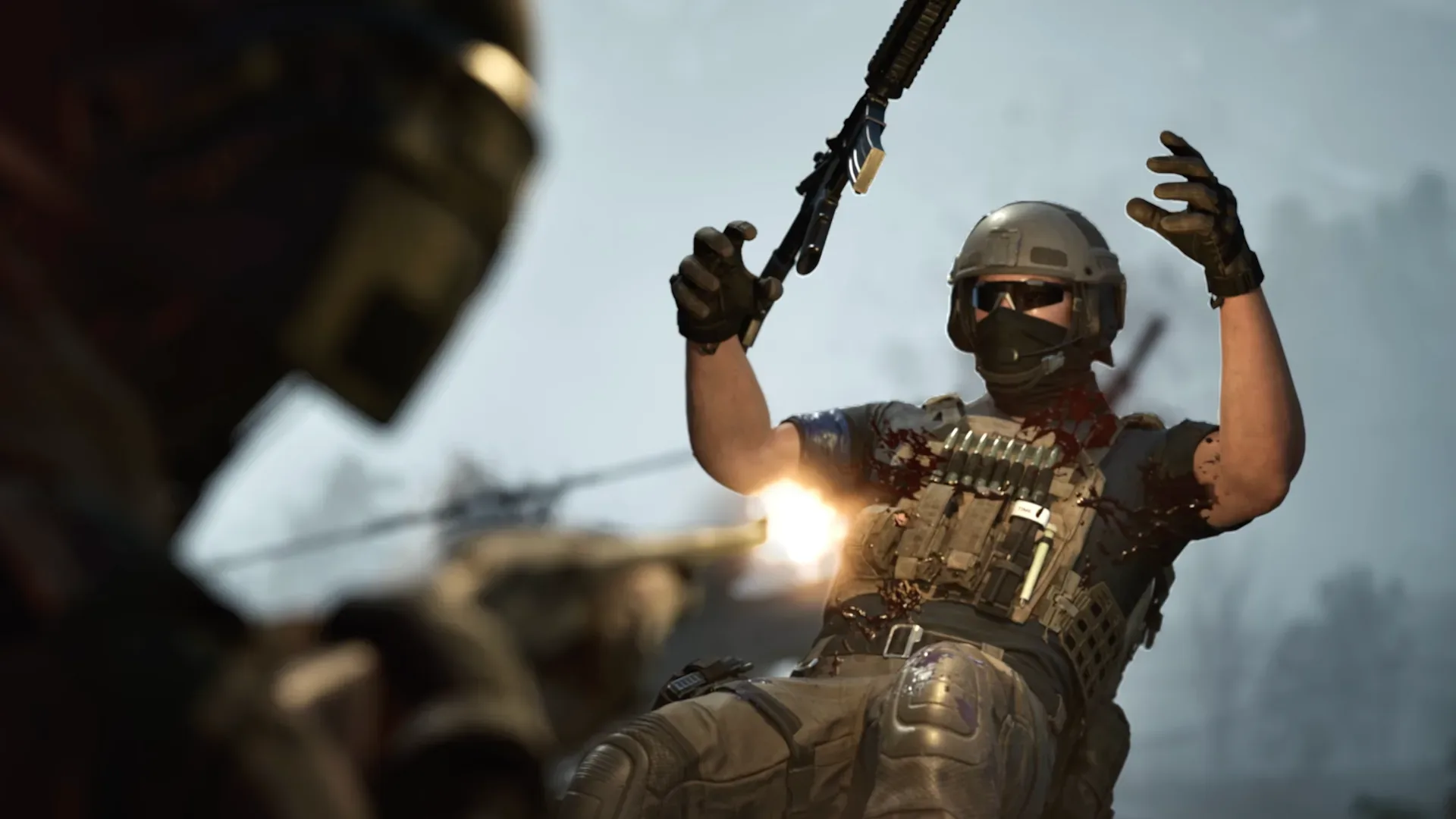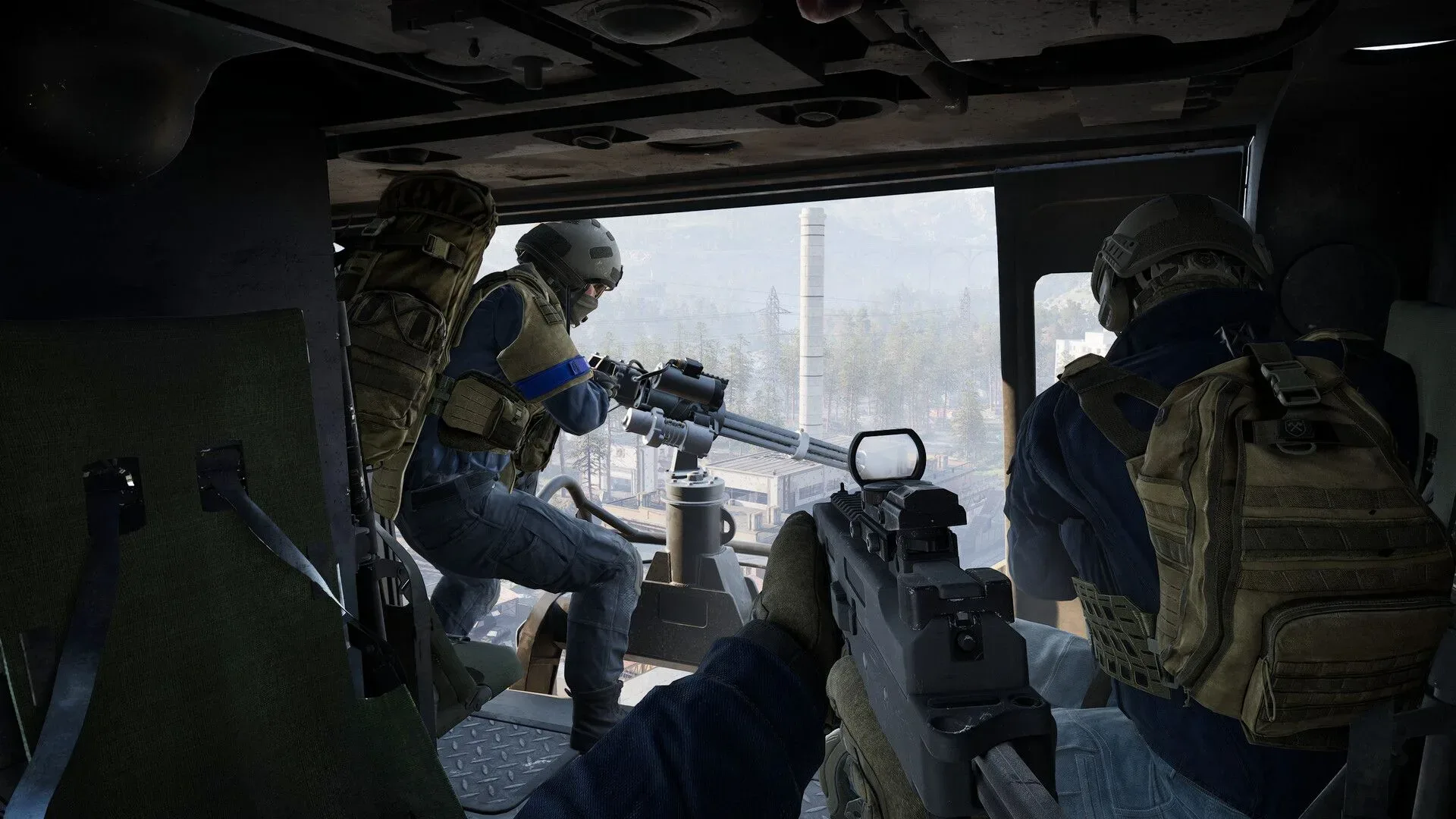
Wardogs has found the enviable kind of problem that can quickly become a difficult one: its early-access first-person shooter audience is much larger than the team expected to serve. Bulkhead executive director and CEO Joe Brammer has been unusually direct about what follows from that success. The studio does not expect to provide content quickly enough to meet every player demand, and it is deliberately keeping its attention on a full 1.0 release, including a console launch.
The shooter arrived in Steam early access less than two weeks before Brammer’s comments and drew hundreds of thousands of players. That kind of response creates enthusiasm, feedback and a great deal of pressure all at once. Players who arrive during a sudden breakout often bring different expectations for maps, modes, progression, balance changes and the rhythm of updates. A development team, meanwhile, still has to decide what can be built, tested and maintained without pushing the game’s larger launch goal out of reach.
“We weren’t making it for this size audience,” Brammer said, explaining that the team had found a larger group of players aligned with what it wants from an FPS. He stressed that Bulkhead had managed both its own expectations and the expectations around the game, rather than assuming it could satisfy every request created by the surge.
A frank warning about the content treadmill
Brammer’s central message is simple: Wardogs will not be able to keep pace with all of the demand created by its initial popularity. “We’re not going to have enough content for people, and we’re not going to be able to keep up with the demand,” he said. That is not presented as a retreat from development, but as an acknowledgment of priorities. The intended outcome is that people can continue to have fun with the current game while Bulkhead works toward what Brammer calls a “great 1.0.”
In early access, the phrase content cadence generally means the pace at which a game receives additions or meaningful revisions. Players may use it to mean new things to play; developers must use it more broadly. A sustainable cadence also needs room for bug fixes, server or performance work where necessary, balance passes, internal testing, and changes prompted by player behavior that becomes apparent only after release. Moving quickly on one visible category can slow another.
Bulkhead’s position is therefore not that feedback is irrelevant. It is that a fast-growing audience creates more potentially valid requests than a team can reasonably act on at once. Choosing among those requests is part of developing toward 1.0. Brammer said the studio has to pick its battles in order to keep work moving efficiently.
For players, that distinction matters. A request being common, loud or sensible does not automatically make it the next task in a production plan. A change may interact with systems beyond the area it appears to affect, or it may compete with work needed for the intended launch version. The most useful way to read Bulkhead’s warning is as an effort to set expectations early: popularity does not instantly expand a game’s pipeline.
What 1.0 means for Wardogs’ priorities
A 1.0 launch is the point at which a game leaves early access and is presented as its full release version. It does not necessarily mean that development ends; many multiplayer shooters continue to receive updates after that point. But it is a significant milestone, and Brammer has specifically tied Wardogs’ 1.0 goal to launching on console as well as growing the game.
Related coverage includes Wardogs CEO Warns Bulkhead Cannot Match Every Demand as It Builds Toward 1.0.
That makes the studio’s prioritization clearer. The immediate appeal of rapid, frequent additions has to be weighed against work that prepares Wardogs for that broader launch. Bulkhead is setting the expectation that it will not abandon that destination simply to chase every short-term spike in demand from its Steam audience.
This is also why Brammer’s language is more measured than celebratory. Hundreds of thousands of players is a meaningful early signal, but an early-access population is not a fixed contract that every person will remain active indefinitely. Some players will reduce their time with the game if the incoming changes are not to their taste or do not arrive at their preferred pace. That is a normal possibility for a popular ongoing game, not proof that the project has failed.
Arc Raiders offers the comparison raised in the discussion around Wardogs: it reached a high point early and then settled into a smaller, committed community. The relevant lesson is not that the games have identical futures. There is no basis to make that claim. It is that an initial player peak and a later active community can be different things, and the latter can still be dedicated. Bulkhead appears to be planning with that reality in mind rather than treating its opening numbers as a baseline it can guarantee forever.
That planning can be healthier than trying to turn every increase in attention into an immediate promise. Chasing a permanently escalating update schedule can turn development into a treadmill: the team must spend ever more time producing the next visible addition, leaving less space for the foundational work required for a more complete release. Wardogs’ leadership is signaling that it wants to avoid that trap, even if it means accepting that some players will want more than the studio can deliver during early access.
Balance updates are already on the agenda
Brammer has also identified balance updates as a high-priority item. In an FPS, balance is the ongoing effort to keep weapons, equipment, tactics or other competitive choices from becoming so efficient that they crowd out meaningful alternatives. It is not a one-time operation. Once a large group begins playing at scale, players discover combinations, strategies and edge cases that may not have been obvious beforehand. Changes to one option can alter the value of several others.
That makes balance work especially important after an unexpectedly large influx of players. It directly shapes whether matches feel varied and fair, but it can also require repeated adjustment. One patch can resolve a problem for part of the community while revealing a new concern elsewhere. Brammer’s comments do not provide a timetable or a list of planned changes, so players should not read “high priority” as a promise of any particular fix by a particular date. It does, however, place competitive tuning among Bulkhead’s stated near-term concerns.
There is a practical connection between balance and content pressure, too. New material is often more exciting to discuss, but maintaining the quality of what players already have can be just as important to an early-access game. If a fundamental competitive issue needs attention, addressing it may provide more value than adding something new while the underlying frustration remains. That is an editorial analysis of the tradeoff, not a confirmed Wardogs roadmap.
Players following another long-running shooter will recognize the broader development challenge in the time and scope involved when developers discuss restoring older game material. Wardogs is not making the same promise or facing the same task, but both situations illustrate why a community’s desired outcome and the work needed to produce it are not always on the same schedule.
Success brings a wider range of expectations
A breakout audience is never a single audience. Some players may chiefly want competitive adjustments. Others may be waiting for more playable material, quality-of-life changes, social features or clearer information about where the game is going. Early access can make these conversations more intense because players are participating in a work that is still changing, while also evaluating whether it is already worth their time.
Bulkhead’s challenge is not merely to receive that feedback. It is to determine which feedback fits Wardogs’ direction and which work best supports the road to 1.0. Brammer’s earlier comments about hiring underline how seriously the studio takes its shooter identity: Bulkhead checks prospective hires’ Steam accounts for evidence that they are passionate about FPS games. His colorful explanation was that a person should not be sent to make Final Fantasy if that is not their discipline.
That does not tell players precisely what Wardogs will become, and it should not be inflated into a promise of a particular feature set. It does, however, provide useful context for the studio’s stated approach. Bulkhead sees FPS expertise and its own vision for the genre as central to the game. The team’s task is now to translate that vision into a stable, growing release without mistaking the loudest immediate request for the entire plan.
What players should take from Bulkhead’s message
- Wardogs’ audience exceeded the team’s initial expectations. The game reached hundreds of thousands of players during its first stretch in Steam early access.
- Bulkhead is not promising to satisfy every demand. Brammer says the studio cannot provide enough content to keep up with all player expectations.
- The longer-term target is 1.0 and console. The studio’s stated focus is growing Wardogs toward its full release and console launch.
- Balance is a priority. The team has indicated that tuning the shooter is high on its task list, though no specific update schedule was given.
- Population changes are being treated as a possibility, not a catastrophe. Some players may move on if updates do not match their desired cadence, while a smaller community can remain invested.
The notable part of Brammer’s comments is the willingness to say this before the honeymoon period has fully passed. Wardogs’ early popularity gives Bulkhead an opportunity, but it also raises the stakes for every decision about updates and priorities. The studio is framing success not as a guarantee that it can do everything, but as a reason to be disciplined about the work that leads to 1.0.