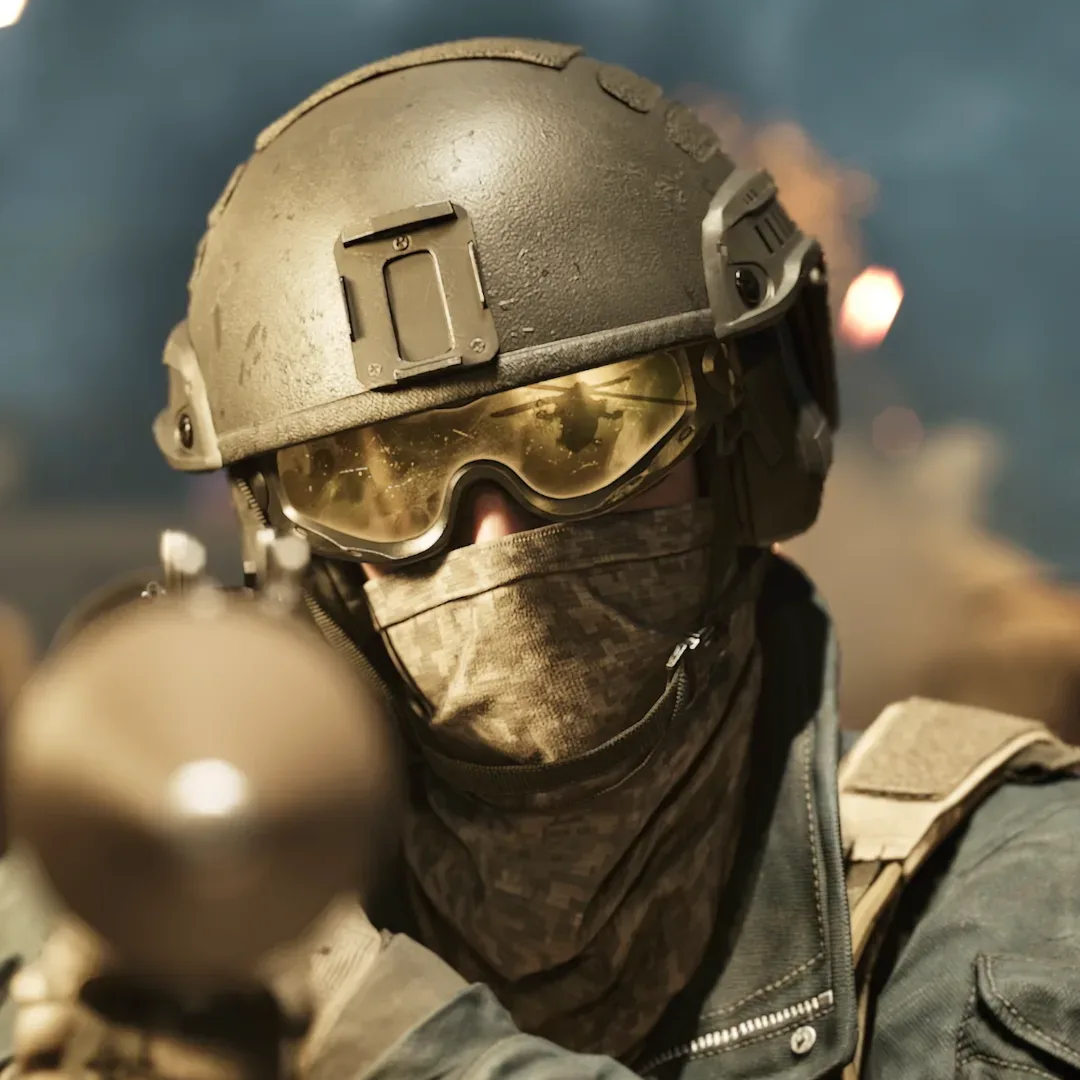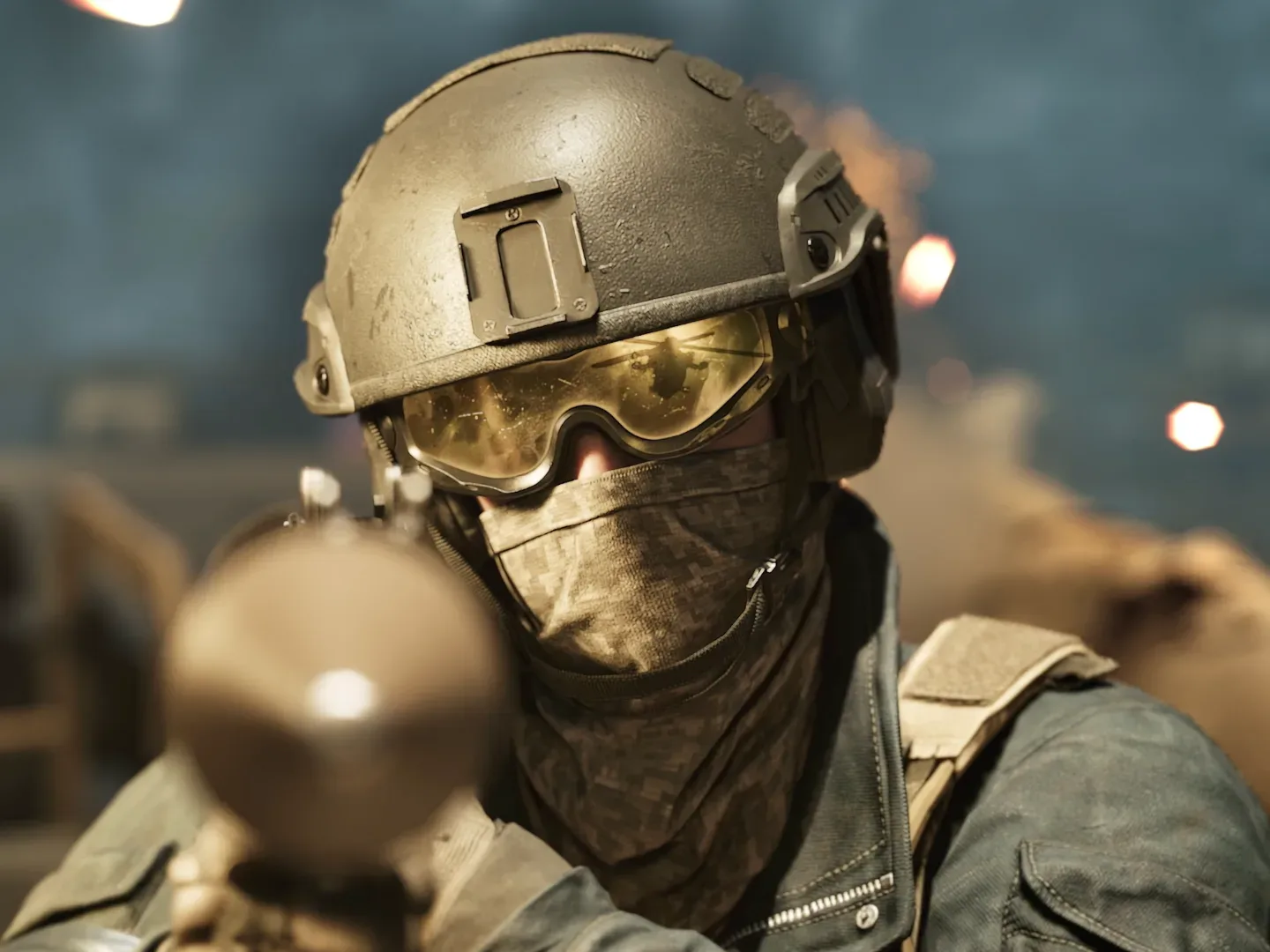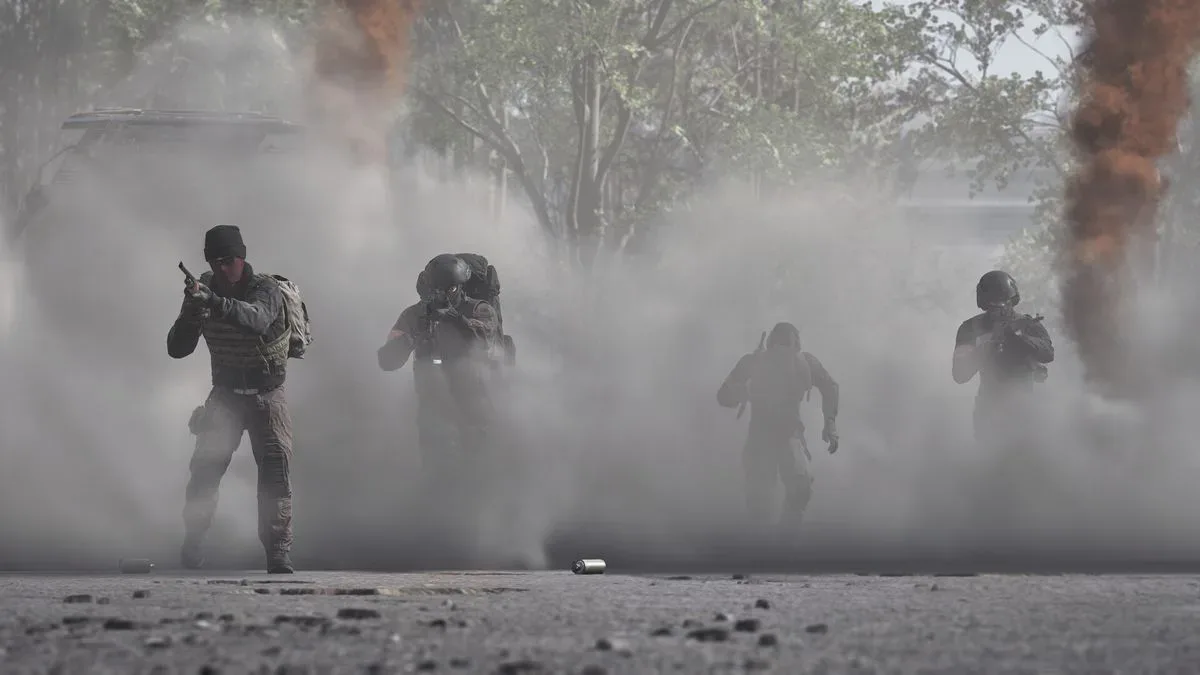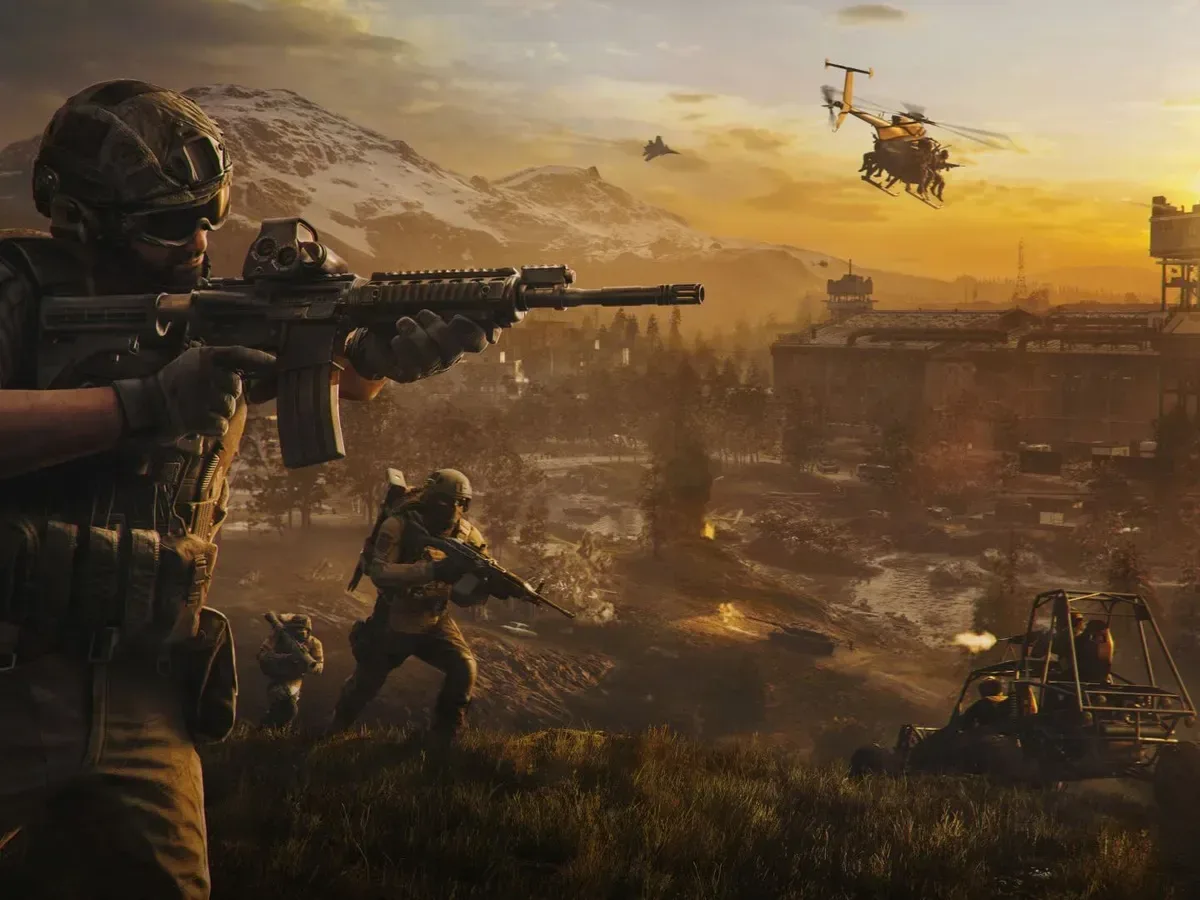
Wardogs has arrived in early access with the kind of player surge that studios hope for and infrastructure teams fear. The 100-player FPS, set amid an Eastern European mountain backdrop, reached a peak concurrent-player count of 428,666 on September 13, just three days after launch. Its Steam reception was also listed as Very Positive from 32,134 reviews at the time those figures were reported.
That level of attention came with the predictable downside: enormous login queues. At one point, 356,282 players were reportedly waiting to enter. Bulkhead, the game’s developer, made a decision intended to keep some Wardogs broadcasts moving while the systems were under pressure: it gave queue-jump access to a small set of influencers.
The move did not land quietly. Bulkhead’s response, however, was unusually blunt. In an in-game server message seen in a clip from FPS creator TheBurntPeanut, the game told players that developers had placed influencers in a queue jump, followed by an equally direct admission: “We are dick heads.”
That message was not the studio’s only acknowledgement. Additional server notices stressed that the streamers themselves had not requested the preferential access, while repeating that the decision belonged to the developers. Bulkhead CEO Joe Brammer also said, in a message circulated via a Reddit screenshot, that influencers would be placed at the end of the queue the next day.
A launch-day shortcut becomes a player-trust problem
Queue priority is a particularly combustible issue for a multiplayer game whose first obligation is getting paying and waiting players into matches. The technical strain itself is easy to understand: hundreds of thousands of people attempting to enter a new online shooter at roughly the same time is not a gentle request. The social calculation is much harder.
For the player parked deep in a queue, priority access creates an obvious question: why should someone with an audience be allowed through first? The answer from a developer’s perspective is usually exposure. A working stream can show people what the game looks like, create clips, give waiting players something to watch, and potentially sustain interest during an otherwise frustrating launch window.
But that argument can sound backwards to the people who are already there. If Wardogs had enough demand to leave hundreds of thousands of users waiting, then access was the scarce resource. Handing any portion of it to influencers—even a tiny portion—can look less like promotion and more like a VIP rope placed across a crowded doorway.
That is why the apology matters at least as much as the original decision. Bulkhead did not initially hide behind a vague reference to “launch conditions” or pin responsibility on creators. The studio’s messages explicitly said streamers did not ask for the jump. That distinction is important. Creators may benefit when a studio offers a special route into a game, but the decision to build and use that route remains the developer’s.
Related coverage includes Wardogs Developers Reverse Influencer Queue Priority After Launch-Day Backlash.
The actual number was 11
There is a crucial scale detail that risks being lost in the broader outrage. Brammer said the priority list contained 11 influencers, not a vast hidden class of preferred players. Compared with the reported queue of 356,282, that is an extremely small group. It does not erase the fairness concern, but it changes the practical picture.
In Brammer’s explanation, those 11 people collectively generated more than 300,000 views while Wardogs’ systems were struggling. He argued that the decision was a sensible entertainment-business choice: a limited number of people making content for a much larger audience while many prospective players could not immediately get in.
“I wouldn’t say we were predatory,” Brammer wrote, while also conceding that he might be “way off base.”
That qualification is probably the most revealing part of the exchange. There is a defensible business logic behind ensuring that some live broadcasts remain active during a launch bottleneck. A player stuck in a slow-moving queue may indeed prefer to watch gameplay rather than stare at a number. One Reddit commenter made essentially that case, saying that having something to watch during the wait was welcome.
Yet a calculation can be commercially rational and still feel wrong to the community experiencing it. Queue systems are not merely technical waiting rooms; they become a visible expression of a game’s priorities. Once players believe a public figure receives better treatment than the ordinary audience, even briefly, the studio has a trust issue to manage.
That dynamic extends well beyond Wardogs. In online games, creators have become a major part of launches, updates, and community conversation. Their videos can explain systems, bring attention to new releases, and make difficult first-day problems easier to see. But creator partnerships also demand boundaries that players consider legitimate. Priority access during a capacity crisis is one of the clearest examples of a boundary that can produce backlash.
For another recent example of how public missteps can become longer-term relationship work, see this look at rebuilding trust after public missteps.
Even priority access did not guarantee a match
There is also an almost comical wrinkle in the reaction. One commenter who looked into the streamers said that some creators who appeared to have received favored access were already in-game but sitting AFK because their lobbies had not filled. In other words, getting through the front door did not necessarily mean getting a functional match immediately.
That detail underscores the difference between a login queue and the wider launch environment. Priority access might get a person into the game client, but it cannot by itself solve every capacity, matchmaking, or lobby-population issue surrounding an extraordinary player spike. It also means the visible benefit offered to those 11 influencers may have been less dramatic than it seemed from the outside.
Still, the underlying perception remains straightforward. Players tend to judge the policy, not just its numerical impact. Eleven people may be a microscopic share of hundreds of thousands, but the symbolic message can be much larger: some accounts are allowed to skip a line everyone else must endure.
What Bulkhead’s reversal says about Wardogs’ early days
Bulkhead’s decision to move influencers to the end of the queue is a direct reversal rather than a carefully qualified defense of the original policy. The company’s playful, self-critical server language also made the episode highly shareable, but it did at least communicate responsibility in a way players could understand immediately.
Whether the original decision was a major breach of trust or a small, clumsy launch-day experiment depends partly on perspective. The creator access applied to 11 people. Brammer’s view was that their broadcasts served an audience of more than 300,000 viewers while technical systems struggled. Some community members agreed that streams gave them entertainment while they waited. Others viewed any queue jump as an unacceptable privilege when a reported 356,282 people were trying to get into the same game.
All of those facts can coexist. The priority list was tiny. The wait was immense. The promotional upside was plausible. The optics were poor enough that Bulkhead quickly backed away from the policy.
For Wardogs, the more encouraging metric may be that its early access review status remained Very Positive despite the launch-day queue controversy. That does not make the capacity issues disappear, and a positive rating should not be treated as proof that every player approved of the influencer policy. It does suggest that enthusiasm for the shooter has remained substantial even while its developers were publicly apologizing for an unpopular choice.
Wardogs’ opening week has therefore become a familiar modern multiplayer story, compressed into a few hectic days: demand exceeds capacity, queues test patience, creators become part of the launch strategy, and a studio has to decide whether exposure is worth the perception of unequal access. Bulkhead has made its answer clear for now. The queue jump is being reversed, and the developer has accepted that the shortcut was not received as intended.