Dungeons & Dragons is not treating its recent reputation problems as a quick PR encounter that can be solved with one successful release. Dan Ayoub, the head of D&D, has acknowledged that the brand is still recovering from what he called “very loud, very public missteps,” while stressing that earning back trust will be a long-term task.
That candor matters because D&D is more than a single game line. It is a tabletop institution with players, dungeon masters, independent creators, local game stores, publishers, digital-tool users, collectors, actual-play audiences, and fans whose entry points can be decades apart. Repairing confidence across that group requires more than saying the right things. It means showing a sustained change in how the game is made, who gets heard, and what kinds of products receive support.
Ayoub’s stated approach centers on listening more closely to the people around the game. He said the brand had lost touch with its audience and had made the mistake of treating D&D as if one model could serve everyone. The alternative being outlined is a roadmap in which different communities can recognize that something is being made with them in mind, even if no individual book, setting, or format is designed for every player.
A difficult recent history cannot be skipped
The comments arrive with clear context. D&D has endured intense criticism in recent years over the Open Game License controversy, the loss of outside partners, and prominent creative figures moving away from the brand. Those developments did not merely create disagreement over corporate policy. They fed a larger concern about whether a game built on shared imagination, third-party material, and long-running communities still understood the relationships that helped it become so influential.
Ayoub joined D&D after several of those headline-making moments, but he is now responsible for guiding the effort to move forward. Importantly, he did not frame that work as something achievable within a year. That is a realistic assessment. Community trust is rarely restored by a promise, a trailer, or a single nostalgia-forward product. It is built through repeated decisions that players and partners can evaluate over time.
For tabletop gaming, consistency can be especially important. Campaigns often run for months or years. Game stores invest in organized play and shelf space. Independent creators plan books, accessories, streams, and crowdfunding projects around the health of the wider ecosystem. A direction that looks encouraging in the short term must remain recognizable when the next rules release, licensing decision, setting revival, and retailer conversation arrives.
The proposed fix: more voices, not one universal D&D
A central part of Ayoub’s argument is that D&D is strongest when it makes room for multiple creative perspectives. He pointed to his own memories of the game at its best as a time when outside voices had a meaningful place in its world. That idea is being positioned not as a side project but as a core feature of D&D’s future identity.
The planned community council is one visible piece of that effort. While the available details do not establish its final membership, authority, or process, the stated purpose is clear: create a more direct route for community perspectives to reach the people steering the game. The value of such a group will depend on its execution. A council can be helpful if it represents varied types of players and creators, communicates its role clearly, and demonstrably influences decisions rather than simply serving as a decorative consultation layer.
Related coverage includes D&D Leader Dan Ayoub Says Rebuilding Trust Will Take Time After 'Very Public Missteps'.
Ayoub also emphasized hearing from fans, consumers, retailers, and others connected to the game. That wider framing is sensible. A first-time player looking for an approachable starter experience may have very different needs from a veteran Dungeon Master maintaining a home campaign, while retailers may be focused on release cadence, product clarity, and what helps bring groups through the door. None of those audiences are interchangeable.
The same lesson extends to the digital side of D&D. Players may engage through printed rulebooks, virtual tabletops, livestreams, online communities, or combinations of all four. The wider games business has repeatedly shown how difficult it can be to maintain confidence when teams alter long-term plans; for a recent example of how roadmap changes can reshape audience expectations, see this report on Marathon’s update delay and seasonal-schedule retirement. D&D’s medium and audience are different, but the underlying need for clear communication is familiar.
Icons and legacy settings point toward a broader roadmap
The D&D Icons initiative appears to be a major signal of the “more voices” philosophy. It is expected to bring celebrated external creators back into the fold while revisiting settings including Greyhawk and Dragonlance. These are not merely names from a catalog. Each setting carries its own tone, history, player expectations, and communities that care deeply about how it is revisited.
Greyhawk represents one of the foundational worlds of D&D, tied to the game’s earliest era and a style of fantasy adventure many longtime players still treasure. Dragonlance has an equally devoted following, shaped by its distinctive epic storytelling, character-driven legacy, and the world of Krynn. Bringing creators associated with beloved corners of the hobby into new projects has the potential to make those releases feel like active contributions rather than brand exercises.
However, the products themselves are still some distance away. That leaves room for anticipation, but it also means the initiative should be judged on the eventual books, the creators involved, and the degree of creative personality those releases retain. Nostalgia may get attention, yet it will not substitute for strong material or respectful stewardship.
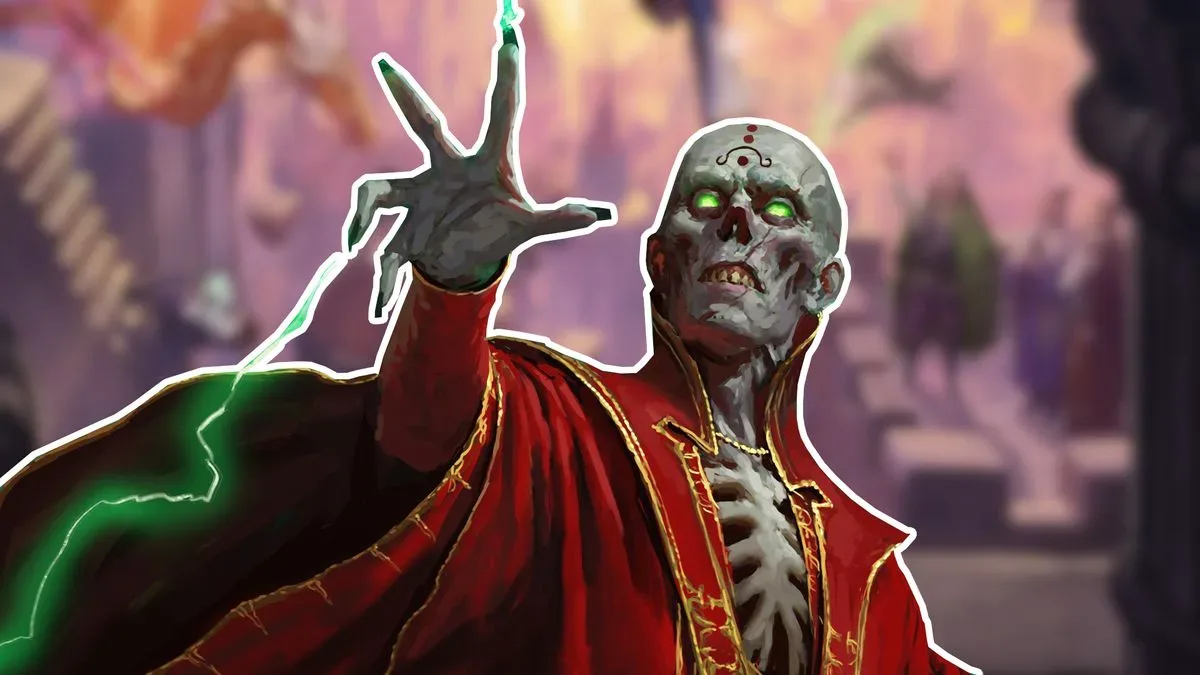
There is nearer-term material for Forgotten Realms players. An upcoming adventure returns to that setting and places the long-running villain Szass Tam at the center of the danger. The Red Wizard of Thay is one of the setting’s most recognizable threats, so his appearance offers a familiar anchor for players who want a large-scale fantasy antagonist without needing to wait for Icons releases.
Dark Sun and Star Wars broaden the promise
Other projects mentioned around the current D&D slate further reinforce Ayoub’s point that the future roadmap should not be one-size-fits-all. Dark Sun, the famously harsh and distinctive setting, is set to return. Its planned revival carries particular weight because its world, themes, and history demand careful handling. Interest in seeing Athas again is substantial, but interest alone will not determine whether the comeback lands well. Players will be watching for a clear sense of what the setting is meant to be now and how its most challenging elements are approached.
Star Wars is also coming to D&D, a crossover that speaks to a different kind of audience appetite. It demonstrates a willingness to let the D&D rules framework meet a major pop-culture universe rather than only expanding inward through classic settings. Between Forgotten Realms, Greyhawk, Dragonlance, Dark Sun, and Star Wars, the announced direction is notably varied.
That variety is not automatically the same as cohesion. The challenge is to ensure that a larger slate does not become scattered or make players feel they need to buy into every branch of the game. Ayoub’s own framing provides a useful standard: not every product needs to appeal to every person, but every person should be able to spot something intended for them. If D&D can meet that standard while keeping its communication direct and its partnerships credible, the roadmap could serve both newcomers and longtime fans.
What rebuilding trust will actually require
The phrase “new spirit and energy” sets an optimistic tone, but tabletop players have good reason to look past slogans. The meaningful test will come in the details: whether community feedback is visibly acted upon, whether outside creators have genuine space, whether retail partners receive practical support, and whether difficult decisions are explained early rather than after frustration has hardened.
Ayoub’s public recognition that the process will take time is therefore one of the most consequential parts of his message. It does not erase the issues that prompted the criticism. It does, however, avoid pretending that a legacy brand can simply reset its relationship with its audience on command.
D&D’s future lineup offers several opportunities to demonstrate a changed approach. The community council, the Icons program, new work in enduring settings, the return of Dark Sun, and the Star Wars project are all different kinds of commitments. Together, they suggest a D&D that wants to be broader, more collaborative, and more attentive to the people who have kept the game alive across generations. Trust will be measured not by the scale of that ambition, but by how reliably it is carried out.
Shop the products
Check current price, model and availability at the retailer.