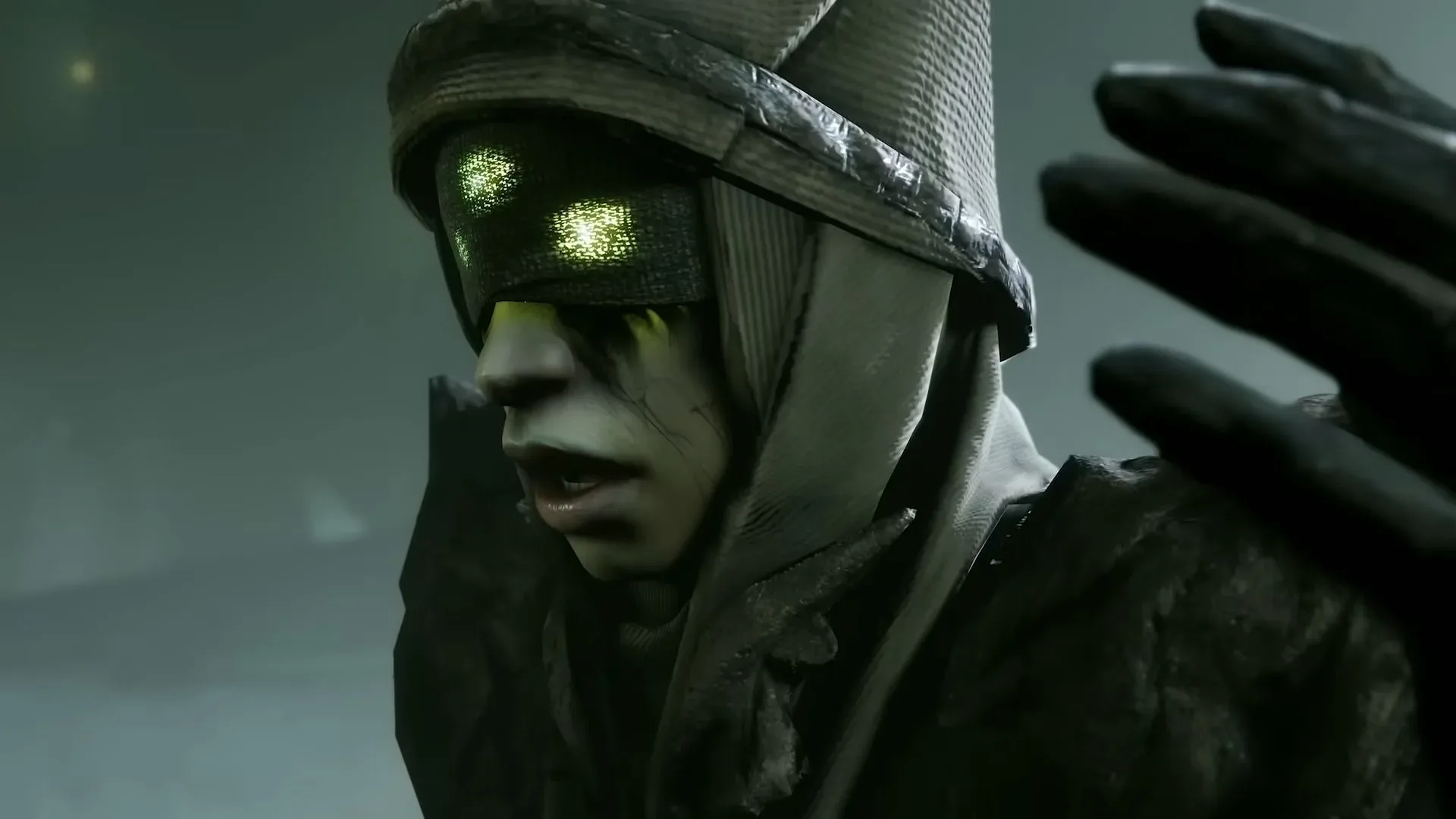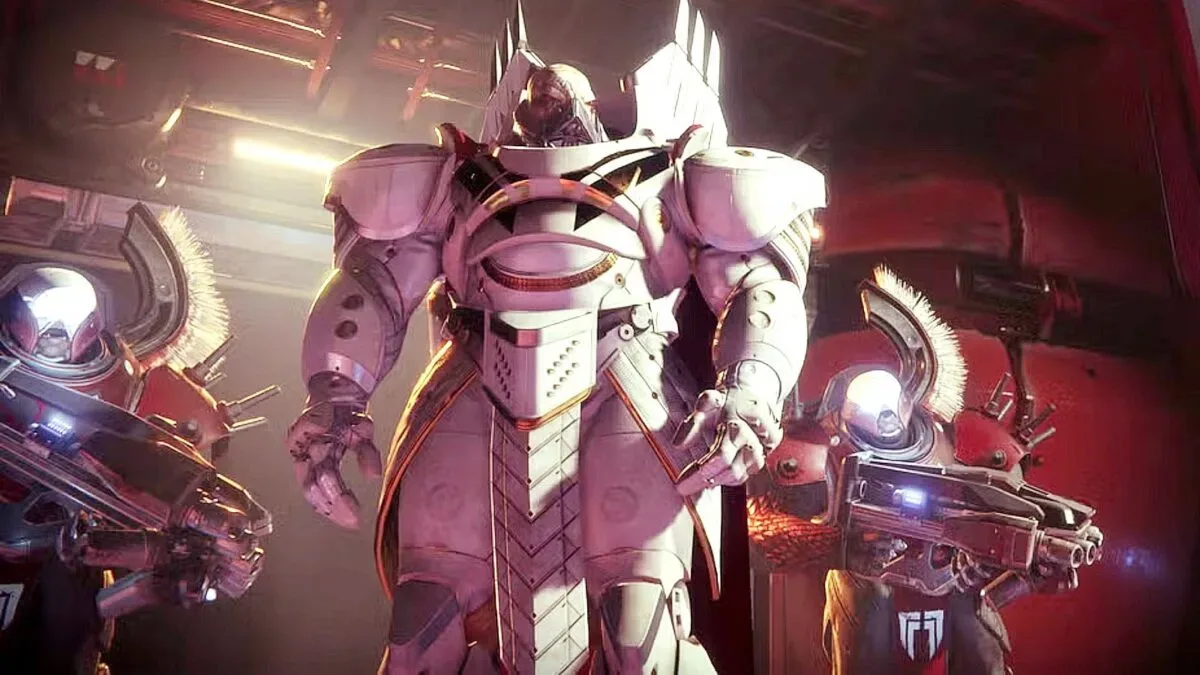
Bungie says it has begun the work of restoring vaulted Destiny 2 content, including the game’s launch-era Red War campaign. The plan covers campaigns, destinations, and raids that players can no longer experience in the current game, and Bungie says those returning experiences will be available to all Destiny 2 players.
It is a consequential reversal in direction, even if it is not an instant “press button, receive old planets” situation. The studio has not provided a timetable, a release order, or a complete itemized list of what will return first. It has also not confirmed fresh Destiny content beyond its restoration plans. What it has confirmed is a major long-term effort to make older portions of Destiny 2 playable again under the game’s current technical and gameplay standards.
For a live-service game built on years of changes, that distinction is the whole ball game. Vaulted content is not simply a forgotten menu tile waiting for someone to find the right password. Bungie says updates made since Beyond Light mean it must revise lighting, encounters, combatants, and underlying systems before the old material can safely return. In short: the vault door is opening, but there is construction equipment on the other side.
What Bungie has actually committed to
The core commitment is straightforward. Bungie is beginning work to bring back Destiny 2 campaigns, destinations, and raids that were previously vaulted. The Red War, the original Destiny 2 campaign, is specifically included in the restoration effort.
The company frames this as the first step in a broader attempt to strengthen Destiny’s long-term future while restoring its past. It says Destiny remains foundational to its future, and that it wants to recover qualities associated with the series at its best: mystery, discovery, and Guardians cooperating against difficult odds.
That is meaningful language, but players should keep the boundaries of the announcement in view. There is currently:
- No announced schedule for the first returning campaign, destination, or raid.
- No confirmed rollout order for the vaulted catalogue.
- No detailed technical roadmap explaining how each piece will be updated.
- No confirmation of new Destiny 2 content beyond the stated restoration work.
Availability is the clearest player-facing promise so far: Bungie says restored material will be available to all Destiny 2 players. The announcement does not spell out the practical details of access, progression, or exactly how returning activities will be presented in the game, so those are questions for later updates rather than facts to assume today.
Why restoring old Destiny 2 is more complicated than downloading old files
“Vaulting” refers here to content being removed from the active Destiny 2 experience. That removal left parts of the game’s history inaccessible, including stories, places, and group activities that had formed a shared reference point for the community.
Related coverage includes Bungie Says Destiny's Future Starts With Restoring Vaulted Campaigns, Raids and Destinations.
Bringing something back after years of live updates is not necessarily the same as restoring a preserved version of an old game. Bungie’s explanation points to several kinds of work required to reconnect old material to the modern Destiny 2 environment.
Lighting
Lighting is the visual system that determines how environments, objects, and characters are illuminated. If a game has changed its rendering methods or environment setup, old lighting can look wrong or behave incorrectly. Updating it is not merely cosmetic; visibility, atmosphere, and readability during gameplay can all be affected.
Encounters
An encounter is a designed combat or activity sequence: the enemies, objectives, triggers, spaces, and rules that create a particular challenge. An old encounter may need retuning if the game’s present-day systems do not interact with it as originally intended. Bungie has not outlined individual changes, but its reference to encounter updates makes clear that this is active adaptation rather than a simple archive upload.
Combatants and underlying systems
Combatants are the enemies and other gameplay entities players face. “Underlying systems” is broader shorthand for the technical foundations that make activities operate within the current version of the game. Bungie says changes since Beyond Light affect these areas, which is why it is emphasizing stability and modern gameplay standards.
That wording matters for expectations. A returning Red War or raid may aim to preserve the original experience’s place in Destiny history, but it will have to function inside today’s Destiny 2. Bungie is promising the work necessary to make that happen; it is not promising untouched historical builds.
The trust issue behind the unvaulting push
Bungie directly acknowledges that removing experiences had a lasting effect on player trust and enjoyment. That admission is at the center of this announcement. This is not being framed only as a content-library expansion. It is also an attempt to address a decision that prevented players from revisiting major parts of a game they had played, remembered, and in many cases introduced to friends.
The response to the announcement that Monuments of Triumph would be Destiny 2’s final content update appears to have sharpened that pressure. Bungie says player feedback had a real impact, while the broader response included a petition with more than 400,000 signatures. The studio’s message is that community participation helped demonstrate how much Destiny’s history and future still matter.
“We are not done with Destiny.”
That short declaration does not answer every question about Destiny’s next era, but it changes the immediate conversation. Rather than treating the game as a story whose remaining business is a final update, Bungie is describing restoration as a foundation for future stories and games.
There is a practical benefit to that approach. Destiny 2 is more coherent as a continuing world when players can access more of the events that shaped it. Restoring campaigns gives returning and newer players a chance to experience story material directly rather than encountering its consequences without the original context. Returning destinations and raids can likewise make more of the game’s communal history playable instead of merely remembered.
That said, the announcement should not be read as a guarantee that every unanswered continuity, onboarding, or preservation issue is solved. Bungie has established the direction and acknowledged the work; it has not yet specified the implementation.
What players should watch for next
The next useful update will be one that turns the broad commitment into concrete milestones. Players will want to know which campaign, destination, or raid is first; when it is expected; whether restoration happens in stages; and what changes will be made to accommodate the current game.
It will also be worth watching how Bungie explains access. “Available to all Destiny 2 players” is an encouragingly broad statement, but the company has not yet provided the operational details players need to plan around it. A clear explanation of how restored stories, activities, and destinations fit into the game would help convert an important promise into a usable path back through Destiny 2’s history.
For now, patience is part of the deal. Bungie is explicitly cautioning that the technical work will take time, and that caution is more credible than pretending years of systemic evolution can be undone overnight. The encouraging part is that the company is describing the restoration as necessary work, not optional nostalgia.
The news also sits alongside Bungie’s larger positioning of its games and studio priorities. Its recent comments on Marathon’s development and Destiny’s continued role reinforce that Destiny is not being described as a franchise to be replaced. The unvaulting program gives that claim a concrete, if still early, action attached to it.
A restoration project, not yet a release calendar
The most important thing about this announcement is not that players can immediately replay the Red War. They cannot yet, because no launch date has been given. Its significance is that Bungie has publicly committed to bringing back content it previously removed and has connected that effort to rebuilding trust and supporting Destiny’s future.
That leaves plenty unresolved. No player should mistake a development commitment for a finished restoration, or assume the exact scope before Bungie provides it. But after a period in which parts of Destiny 2’s past were inaccessible, the studio is now saying that the past belongs in the game again. For Guardians who have wanted the vault to be less of a tomb and more of a very inconvenient library, that is a substantial change in course.