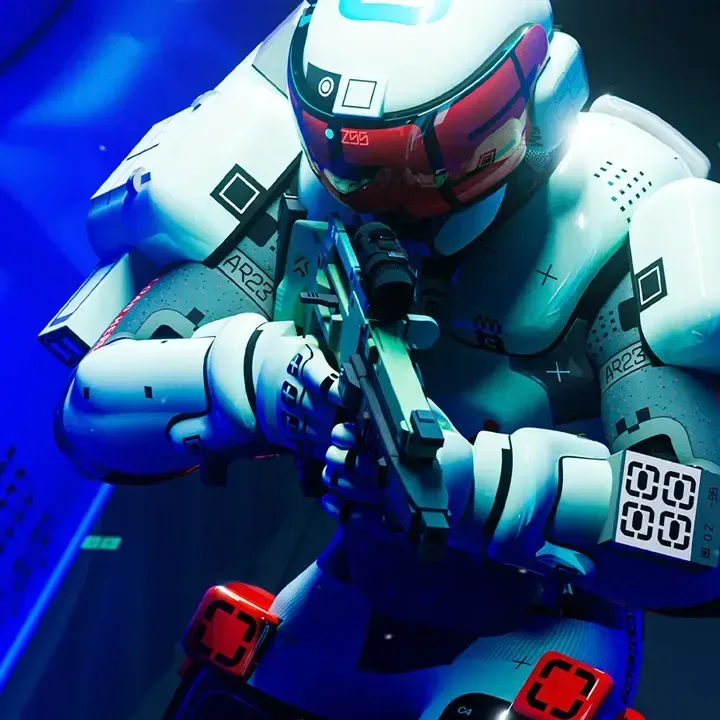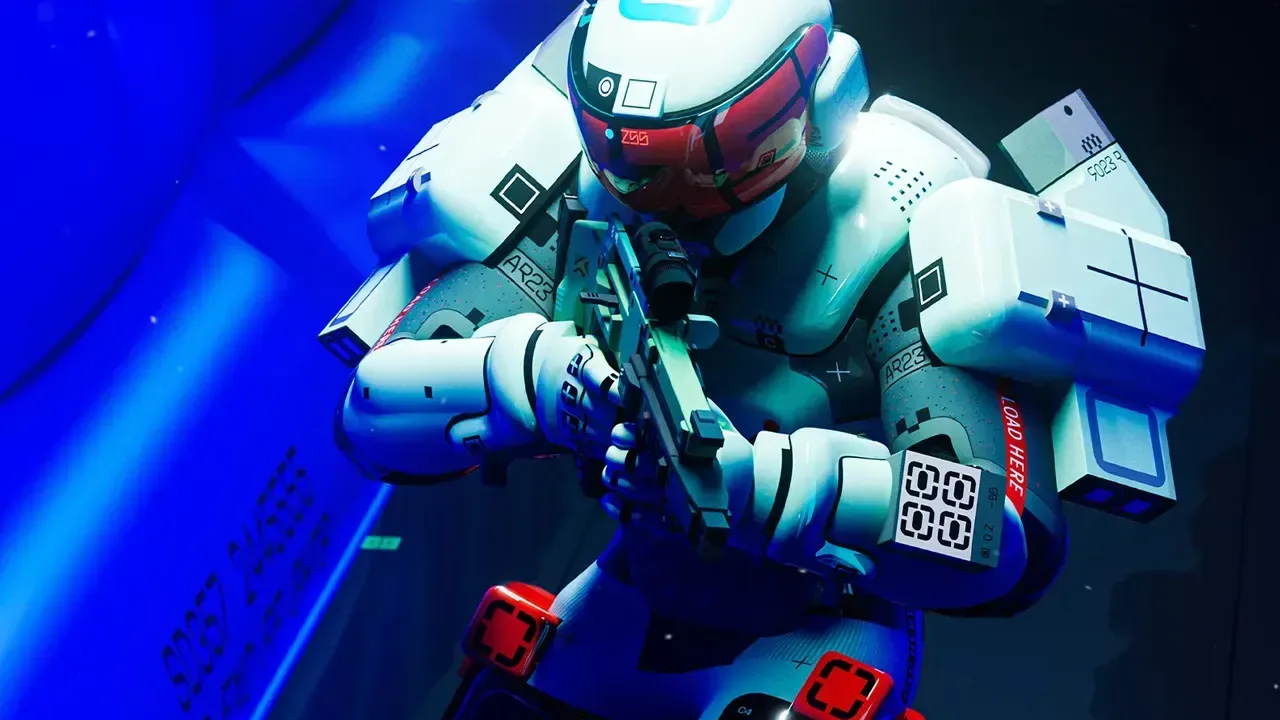
Bungie has acknowledged that Marathon has not reached the audience it expected and says the answer is to evolve the game rather than treat its current form as fixed. In a September 21 message, studio head Poria Torkan and Marathon head of product and general manager Josh Dean described the shooter as important to the company’s direction, while also conceding that it needs substantial development after its March launch.
The most consequential commitment is not a narrowly defined patch promise. Dean said the team intends to build Marathon into a deeper survival experience, give players more ways to approach its alien setting, and move beyond genre constraints the team believes it has placed on the game. By the end of the first year, Bungie wants to retain what current players value while adding more player agency across both PvE and PvP.
That is a broad direction rather than a detailed roadmap. No specific features, dates, modes, or release schedule were provided in the message. Still, the language matters because it frames the studio’s diagnosis: the issue is not simply making balance adjustments or adding a single activity, but giving the overall experience more depth and flexibility.
Bungie openly addresses Marathon’s player-reach shortfall
Torkan said Marathon did not reach as many players as Bungie had hoped. That direct acknowledgement accompanies a difficult snapshot from SteamCharts data cited around the message: roughly 1,390 active players and a 24-hour peak of 2,630. Those figures are only a snapshot of Steam activity, not a complete count across every possible platform or a full measure of engagement. They do, however, indicate a sharply smaller visible Steam audience than Destiny 2.
Player counts are especially relevant for a game built around PvP, shorthand for player-versus-player competition, because a healthy population can affect how consistently players find opponents and how much variety emerges from the people sharing the game’s world. Bungie’s stated plan also explicitly includes PvE, or player-versus-environment content, where players face computer-controlled threats rather than other players. The studio is therefore presenting its response as broader than a PvP-only intervention.
Steam-facing momentum remains an important part of the PC landscape, whether the story is a struggling live game or a title preparing for launch. For a contrasting look at how pre-release Steam demand can become part of a game’s public narrative, see the reported Steam pre-order momentum behind Graveyard Keeper 2. The meaningful point for Marathon, though, is not an apples-to-apples comparison. It is that Bungie is reacting publicly to the gap between its ambitions and the audience it has so far reached.
What “deeper survival experience” could mean—and what remains unknown
“Survival” is the clearest description Bungie supplied, but it is also a flexible term. In game design, a survival experience generally puts pressure on players to make decisions under risk: how long to remain in a dangerous space, what to prioritize, what to carry, when to retreat, and which threats are worth confronting. That does not automatically tell players which systems will change in Marathon. Bungie has not named particular mechanics.
What can be said is that survival depth and agency are closely connected. Agency means the meaningful ability to choose an approach and see that choice shape an outcome. A player has more agency when different plans are viable and legible, rather than when one route, tactic, or objective sequence dominates every session. Dean’s reference to agency in both PvE and PvP suggests Bungie wants players to have more control over how they engage with the world, not merely what weapons or opponents they encounter.
Related coverage includes Bungie Plans Marathon Evolution After Missing Player Targets.
That could be especially important in an alien-world setting presented as dangerous. A more compelling sense of danger does not necessarily come from making everything harder. It can come from making decisions clearer and consequences more understandable: players need reasons to weigh risk against reward, and enough room to express their preferences. The balance is delicate. Too little pressure can leave a survival premise feeling cosmetic; too much inflexibility can make “choice” feel like a label for a single correct answer.
Bungie has not yet said where it believes Marathon currently falls on that spectrum. Nor has it described whether its evolution will arrive through incremental updates, larger revisions, or some combination of the two. Players should distinguish the stated objective from confirmed implementation details. The objective is a deeper survival game with broader ways to play. Specific systems remain unannounced.
Preserving what players like while changing the foundations
Dean’s first-year goal contains two potentially competing obligations: preserve what players already love and materially expand agency. This is a familiar challenge for an evolving online game. A studio must identify which elements are worth protecting while accepting that a modest tune-up may not address a fundamental mismatch between the intended experience and the experience players are having.
The phrase “beyond the genre constraints” is significant in that regard. It implies Bungie sees its initial genre framing as too restrictive. Yet it does not establish that the game is abandoning its identity, changing business model, or adding any particular style of content. Reading it more cautiously, the statement signals a willingness to reconsider boundaries that may have limited the range of viable player experiences.
For existing players, that may be encouraging precisely because Bungie did not characterize the plan as starting over. The studio says it wants to anchor future work in what makes Marathon special. For people who left or have not yet joined, the promise will need to become concrete enough to answer a simpler question: what will they be able to do, decide, or experience that they could not before? The September message establishes the direction, but not that practical level of detail.
Marathon is not replacing Destiny
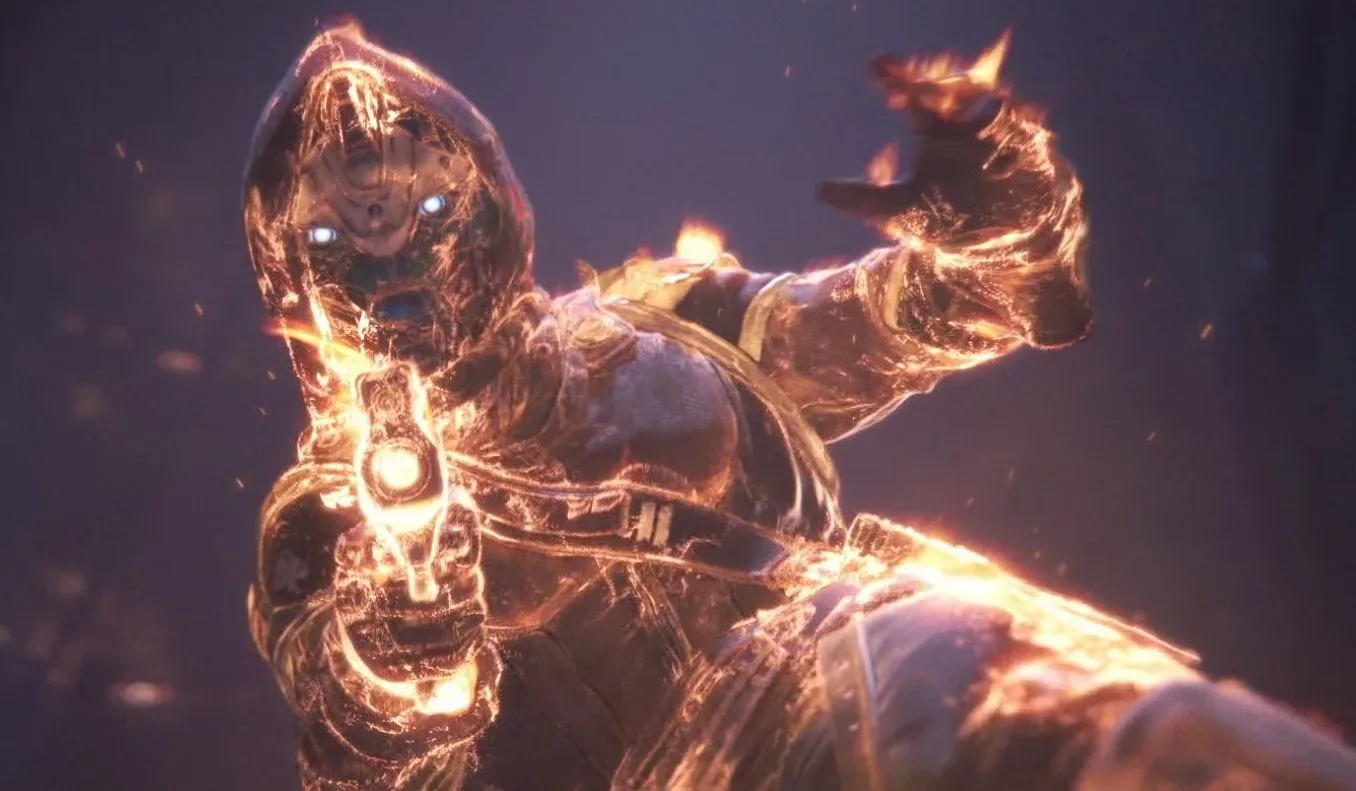
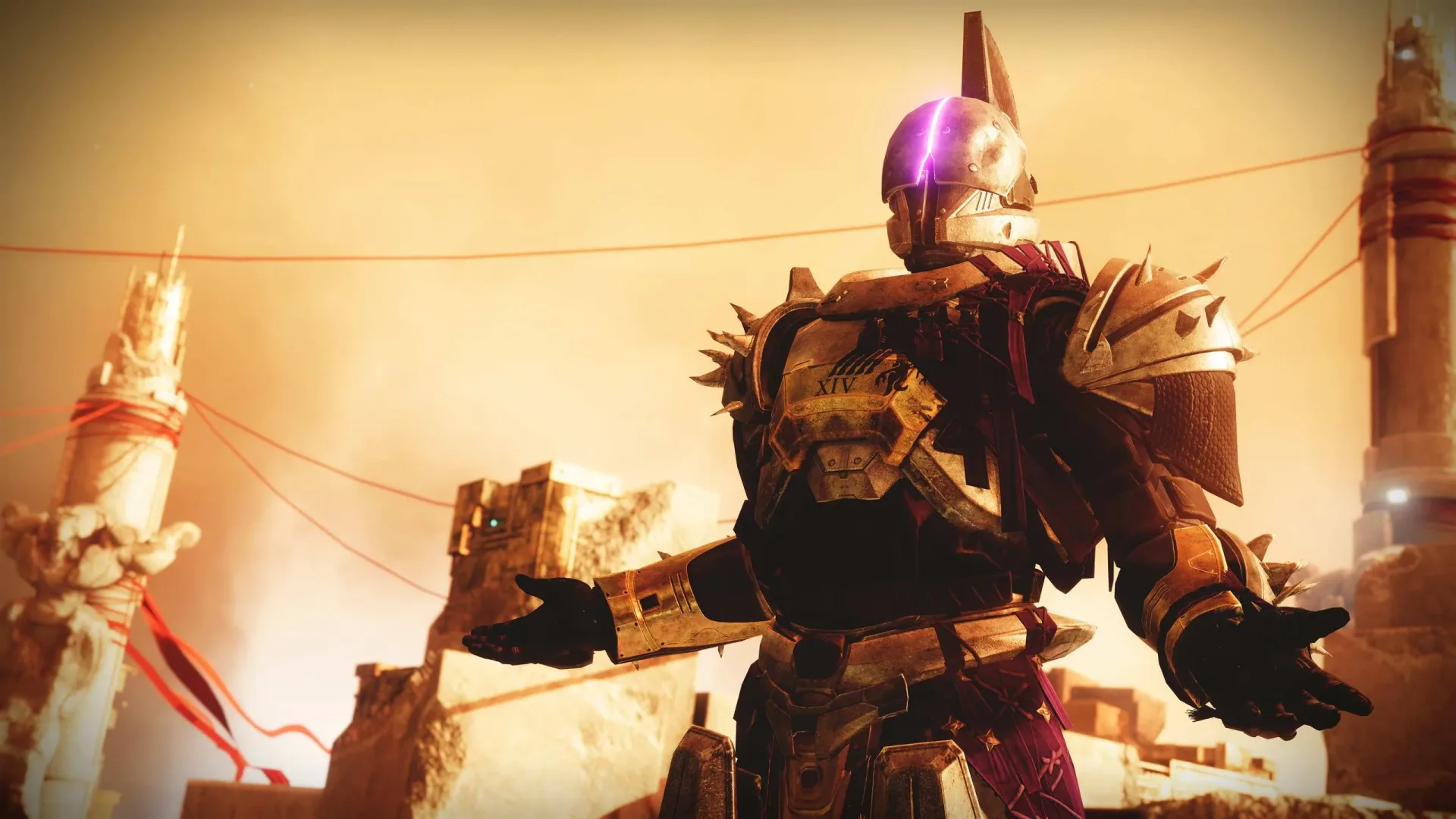
The leaders also directly rejected the idea that Marathon will replace Destiny. That reassurance carries extra weight following Bungie’s May decision to shutter future Destiny 2 content updates, a decision that prompted confusion and distress among players. The new message indicates the company does not intend to abandon the broader Destiny property in favor of Marathon.
It is important to keep the scope of that confirmation precise. Bungie said Marathon is not a replacement for Destiny, and the same video contained separate Destiny announcements. The message does not erase the earlier news about future Destiny 2 content updates, nor does it by itself define a complete long-term content plan for either game. It does answer the larger identity question: the company is positioning both names within its future rather than presenting one as the other’s successor.
Why the first year now matters
Bungie has attached its broadest target to the end of Marathon’s first year. That creates a useful time frame for assessing future updates, even though it is not a feature-by-feature timetable. The central measures will be whether the game develops the deeper survival character the team described, whether PvE and PvP players receive more genuine latitude in their approaches, and whether the changes help the game reach more people.
There is no guarantee embedded in the announcement. Acknowledging a shortfall is not the same as solving it, and public player counts alone cannot explain every reason people stay, leave, or never try a game. But the message is more candid than a routine assurance that the status quo is working. Bungie has identified a need to evolve Marathon, set a first-year aspiration, and clarified that its effort to reshape the game does not mean turning away from Destiny.
For now, the next useful evidence will be specifics: which constraints Bungie chooses to remove, how it defines survival depth in practice, and what forms of agency players can expect in PvE and PvP. Until those details arrive, the studio’s commitment is best understood as a direction of travel—one prompted by an admitted failure to meet its desired reach and aimed at making Marathon more flexible, deeper, and more durable.