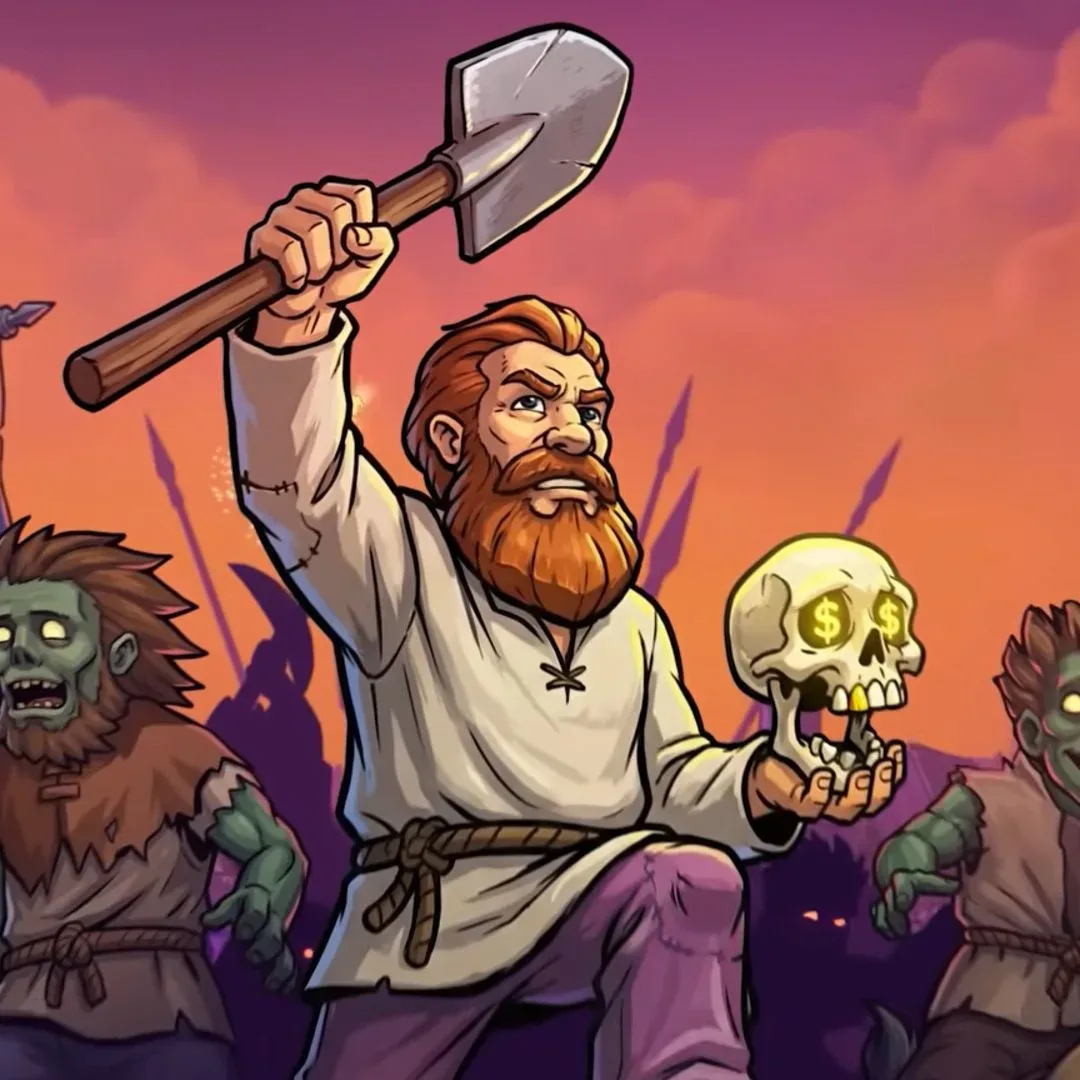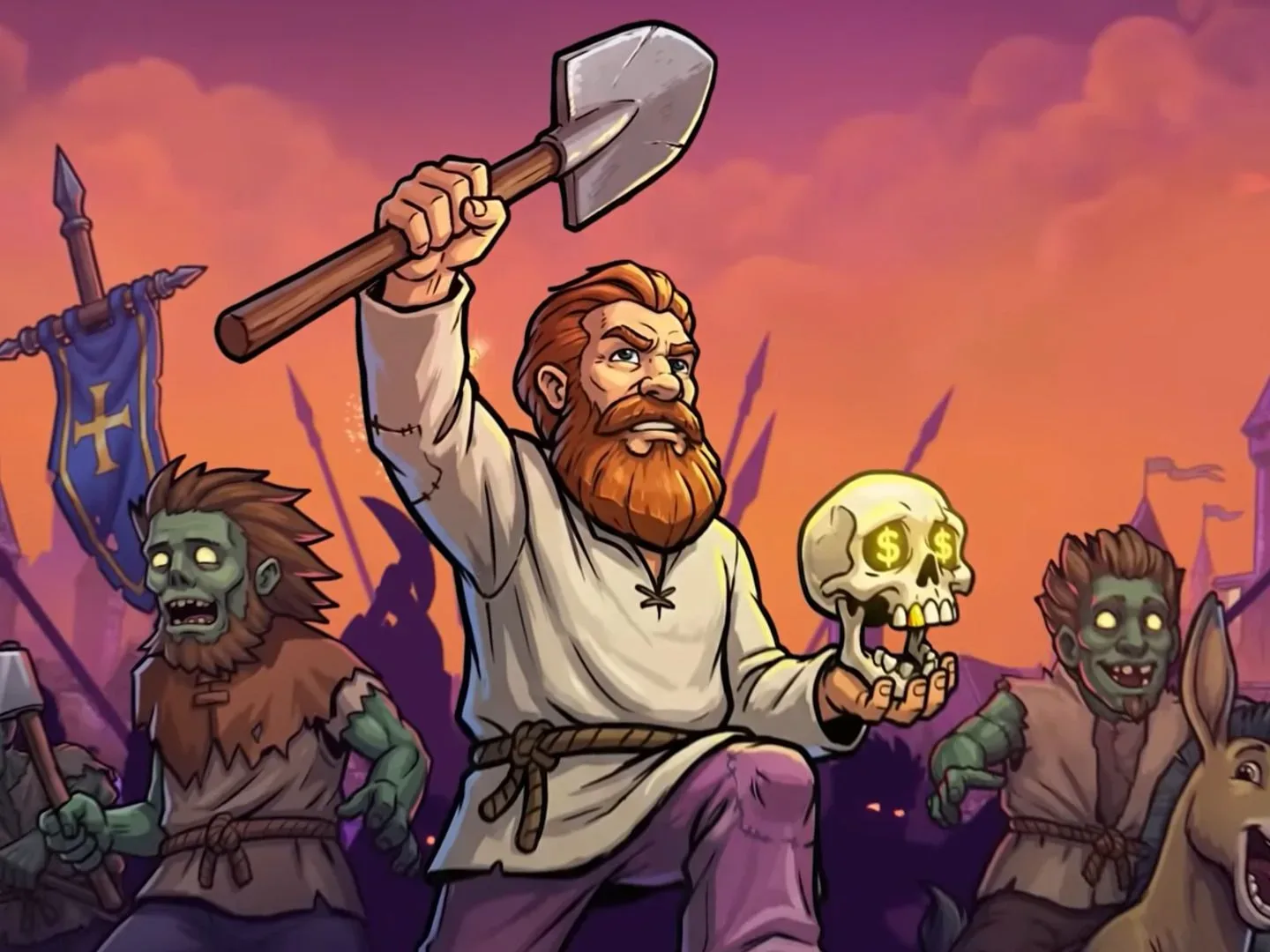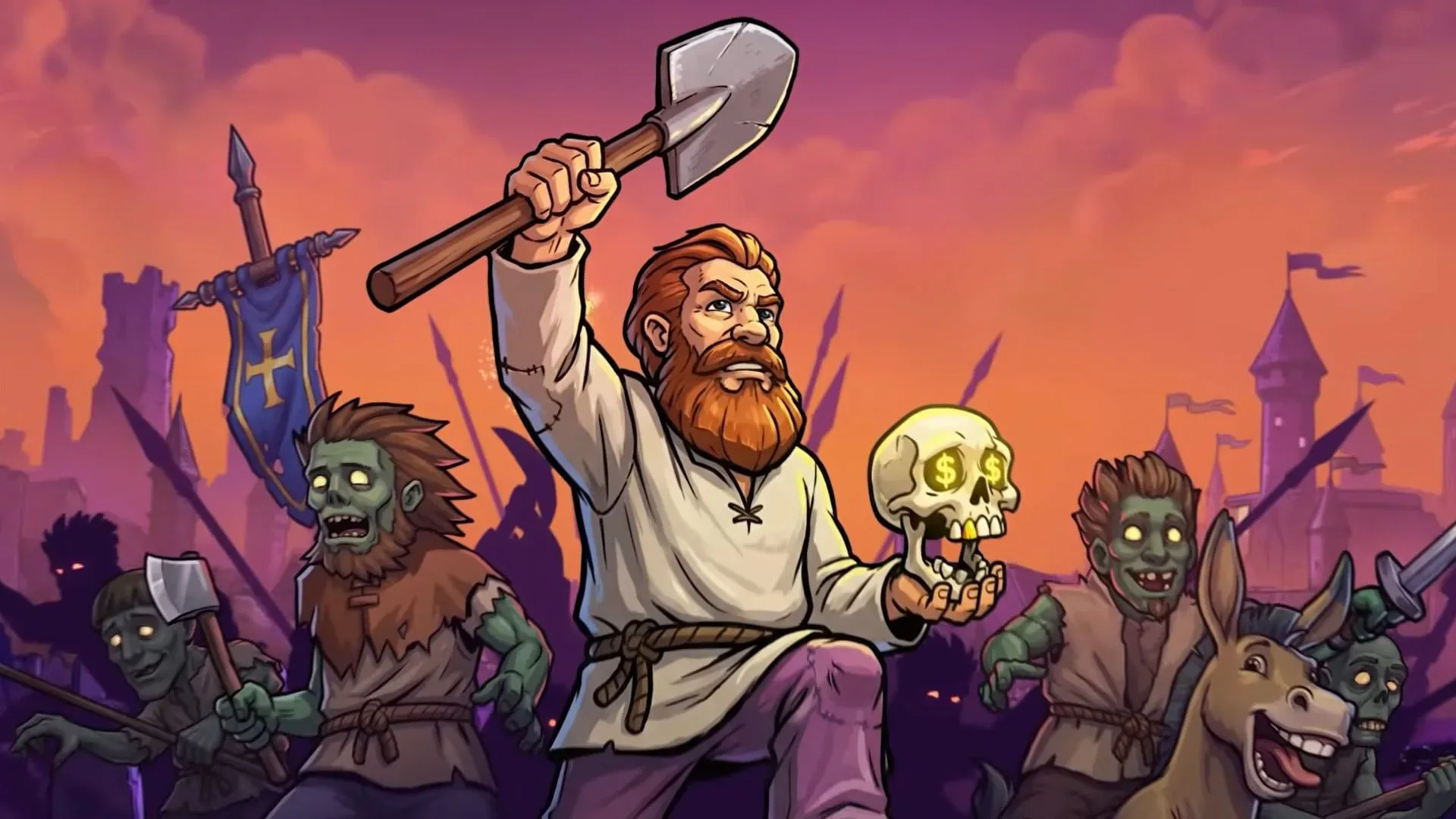
Graveyard Keeper 2 is heading into its September 22 launch with unusually strong early momentum for an independent release. The sequel has surpassed 147,000 Steam pre-orders and more than $2.5 million in gross pre-order revenue, with the total now nearing $3 million. It has also accumulated more than 1 million wishlists on Steam.
Those are substantial signals of interest, but they are worth reading precisely. A wishlist is not a sale, and gross revenue is not the amount ultimately retained by the developer or publisher after platform fees, taxes, refunds, regional pricing and other costs. Still, more than 147,000 pre-orders is a concrete measure of paid commitment before release, while the seven-figure wishlist count gives the game a much larger pool of potential buyers to reach after launch.
The publisher believes the opening could be especially large. A recent demo attracted around 22,000 players, and its progress can be carried into the full game. That continuity matters: players who invested time in the demo do not necessarily have to begin again when the complete release arrives, removing one small but meaningful barrier between trying the game and continuing with it.
What the pre-order figures do—and do not—say
The headline number is the pre-order count. More than 147,000 people had placed orders on Steam when the figure was shared, producing more than $2.5 million in gross revenue. A subsequent update put the total close to $3 million, with the final pre-order day immediately before launch.
“Gross revenue” describes the total money generated from those orders before deductions. It should not be confused with profit, nor should it be used to calculate an exact per-copy price. Steam customers can pay different amounts depending on region, edition, currency conversion or other store conditions, and the supplied figures do not provide a price breakdown.
Likewise, a wishlist is a useful indicator rather than a guaranteed conversion. On Steam, wishlisting lets a user follow a game and can make them eligible for store notifications tied to release or discounts. Reaching 1 million wishlists therefore suggests broad awareness and intent, but it does not establish how many of those users will purchase at launch, wait for later, or never buy at all.
Even with those caveats, the combination is notable. Pre-orders show that interest has already moved beyond passive attention, while wishlists create a potentially large audience that may be reminded of the game around its release. The demo supplies a third, separate signal: tens of thousands of players have had an opportunity to engage with an early slice of the game rather than merely view trailers or store-page material.
Demo progress carryover can turn curiosity into continuity
The demo’s roughly 22,000 players represent a narrower group than the wishlist total, but arguably a more engaged one. Downloading and playing a demo requires more effort than clicking a wishlist button. Allowing their progress to move into the full game means that the demo can function as an opening chapter rather than a disposable preview.
Related coverage includes Graveyard Keeper 2 Nears $3 Million in Steam Pre-Orders Ahead of Launch.
For players, that can make a launch-day purchase feel like a continuation of existing progress. For the game, it can help convert a portion of demo participants into early active users, rather than asking them to repeat introductory tasks. The publisher has pointed to this carryover as a reason to expect high launch-day player numbers.
It is important, though, not to treat demo participation as an automatic sales figure. The available information establishes that the demo was played by about 22,000 people and that progress can transfer. It does not reveal what share of those players pre-ordered, how many will buy after release, or how much of the demo they completed. What it does show is that Graveyard Keeper 2 has a tested path from sampling the game to picking up where that sample ended.
An eight-year follow-up to a game with a long tail
The sequel arrives eight years after the original Graveyard Keeper, which launched in 2018. That gap gives the new game a different starting position from a completely new property: it can draw on recognition built by the first game over time.
The original maintained an audience through regular updates and downloadable content. It also reached a peak of more than 42,000 concurrent players on Steam, according to Steam Charts. Concurrent players means the number of people playing at the same time, not total copies sold or total lifetime players. It is useful for illustrating periods of high activity, but it is not a direct sales total.
Its potential audience extends beyond Steam as well. The first game released on Nintendo Switch and PlayStation 4, among other platforms. That does not tell us how many console owners will move to the sequel or which platforms they will choose, but it does mean the series is not known only to the Steam audience represented by the pre-order data.
Long-running support for the original may be particularly relevant to a management-focused game. Players who spent time maintaining its systems, returning for updates or purchasing DLC had years in which to become familiar with its premise. A sequel can benefit from that accumulated awareness even as it must persuade newcomers on its own terms.
A cozy-management formula with graveyard dirt under its nails
At its center, the Graveyard Keeper series is built around maintaining a local graveyard amid supernatural and spooky activity. It is often framed alongside cozy agricultural and life-management games, but its setting offers a distinctly macabre variation on that structure.
That contrast likely explains some of its appeal. The broader management-game rhythm—taking care of a place, handling recurring tasks and gradually improving operations—can be approachable, while graveyards and unsettling goings-on give the experience a different tone from a conventional farm. The sequel is arriving close to Halloween, a calendar window that naturally fits its horror-leaning theme.
Describing a game as “cozy” does not necessarily mean it lacks eerie material. In this context, it points to the persistent, routine-oriented appeal of tending and developing a space. The graveyard premise supplies the hook: familiar sim-like upkeep, but with a world and mood rooted in the morbid rather than pastoral.
That positioning also gives the sequel a clear identity in a crowded field of games inspired by farming, crafting and community-management conventions. It is not merely asking players to adopt another plot of land. Its premise begins with a cemetery, and the series’ established audience already knows that death-adjacent work is part of the package.
Why launch-day expectations are high
The expectation of a major debut rests on several data points that reinforce one another:
- More than 147,000 Steam pre-orders: an existing paid audience before release.
- More than $2.5 million in gross pre-order revenue, nearing $3 million: a substantial financial start, while not a measure of net earnings.
- Over 1 million wishlists: a much larger group expressing interest and able to receive Steam store reminders.
- About 22,000 demo players: an audience that has already interacted with a playable portion of the game.
- Demo progress transfer: a practical bridge from the preview build into the main release.
- An established predecessor: the 2018 original had years of updates, DLC and availability across Steam, Switch, PlayStation 4 and other platforms.
None of those figures guarantees a specific launch peak or lifetime sales outcome. There is no supplied launch-player forecast, review score, pricing detail or post-release performance data. The most defensible reading is that Graveyard Keeper 2 has entered release week with exceptional advance interest and a meaningful base of purchasers already in place.
For those watching Steam’s independent-game landscape, the situation is also a reminder that launch performance is shaped before a release date arrives. Wishlist growth, a playable demo, progression carryover and an existing series audience can all help build a runway. The game’s results after September 22 will determine how much of that runway becomes sustained player activity, but its pre-launch numbers have already made the sequel one to watch.
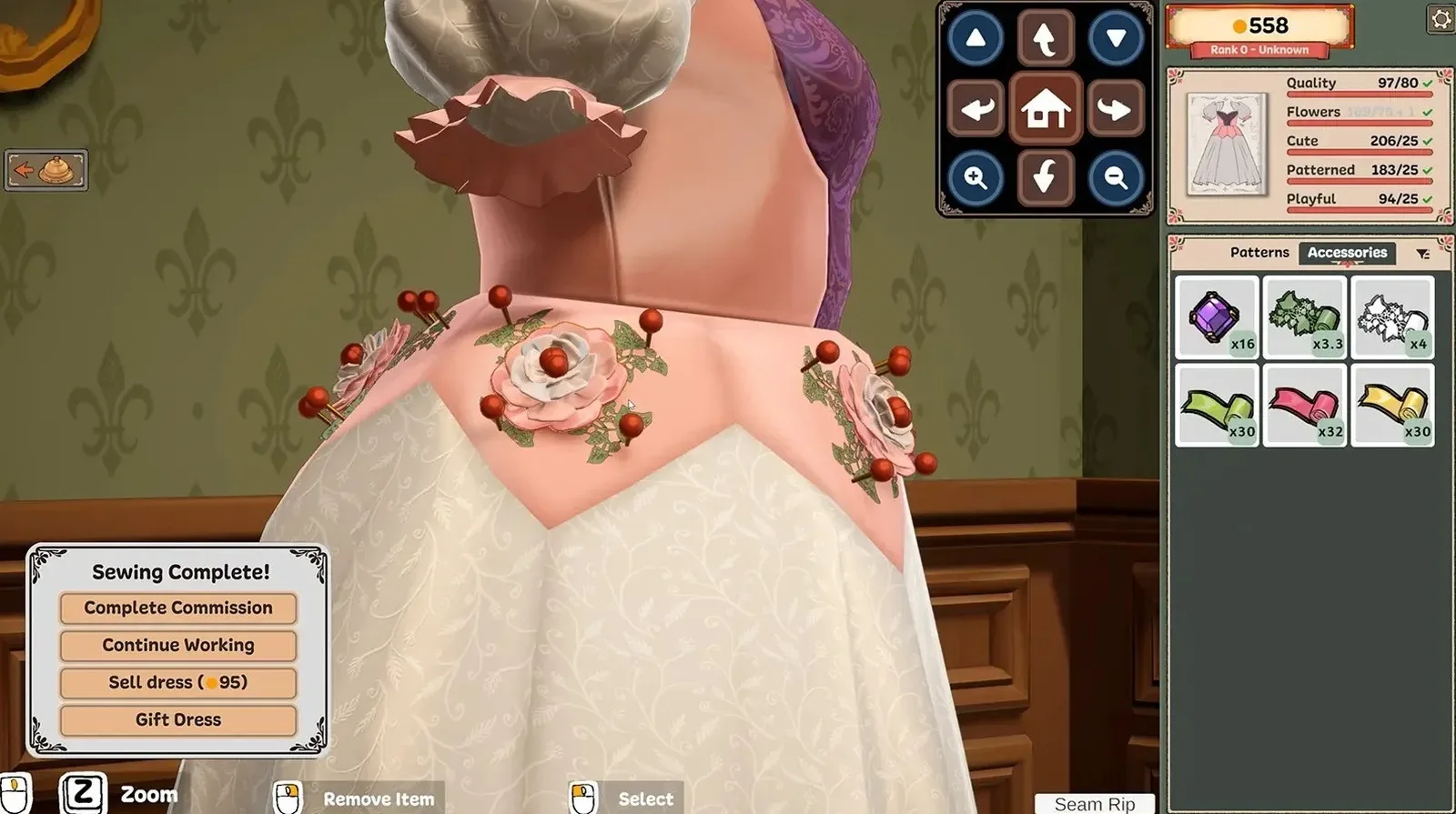
Steam remains a key venue for games across widely different genres and scales; for another recent PC launch, see Dressmaker’s Steam release and its focus on pattern cutting and sewing.