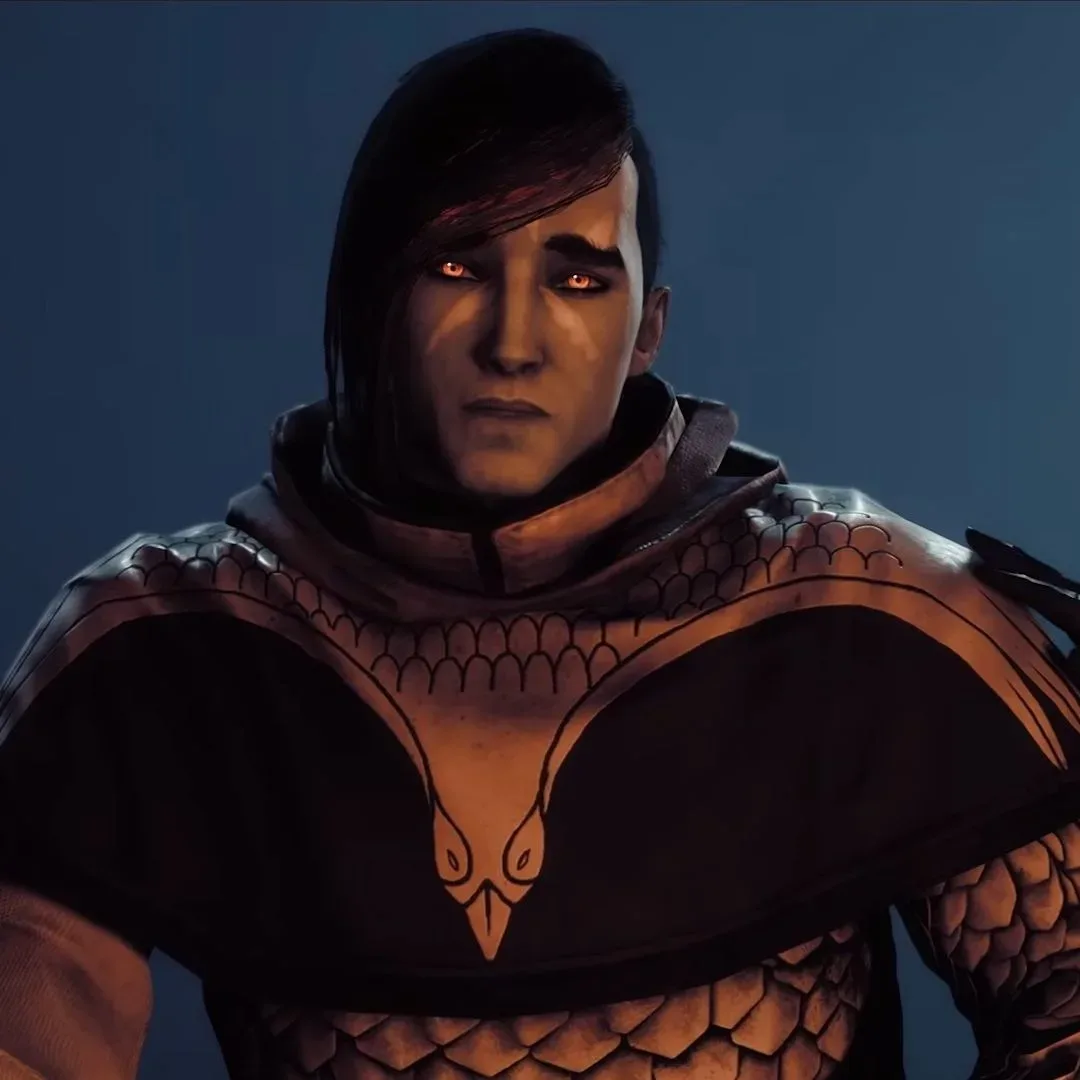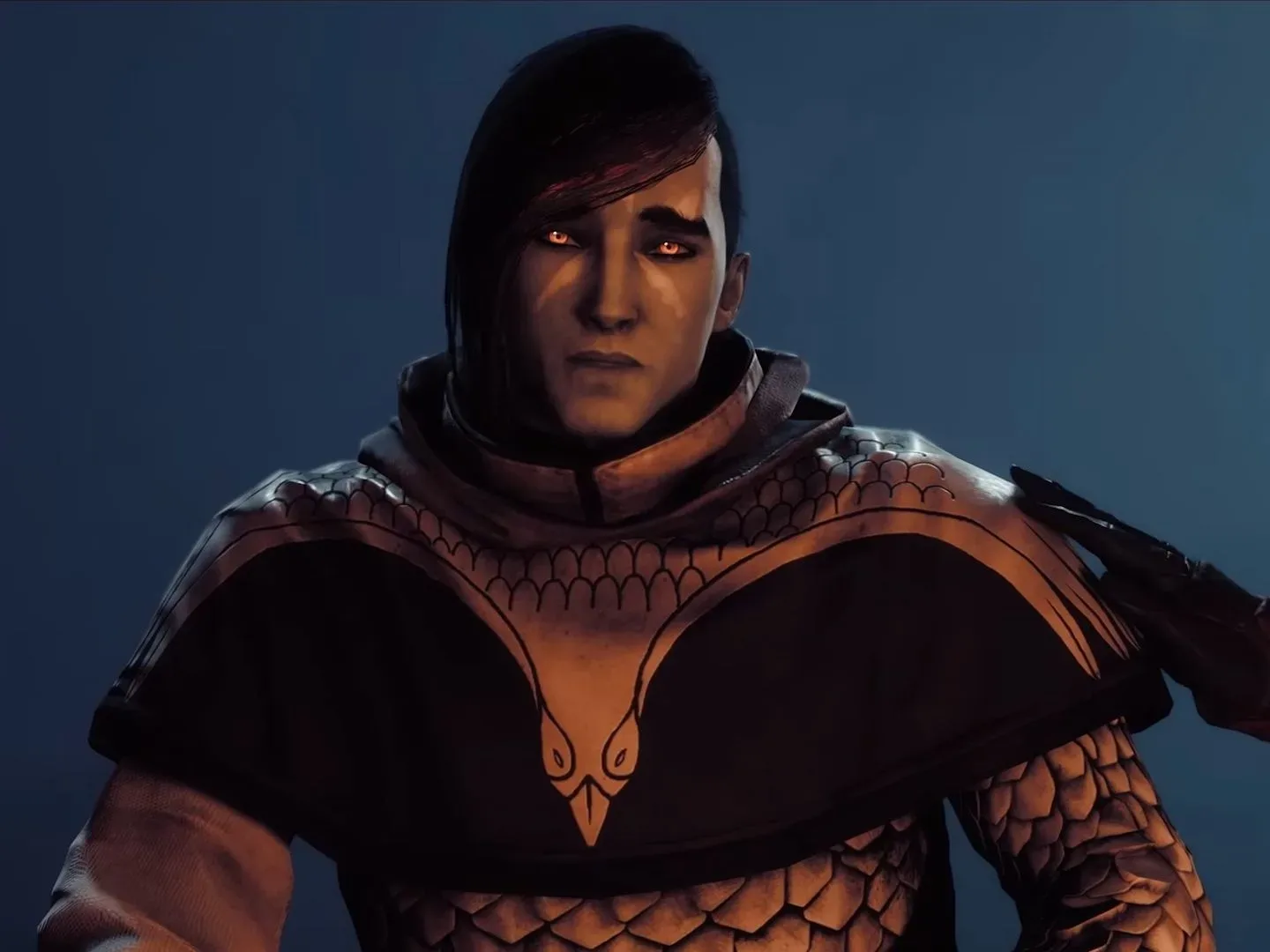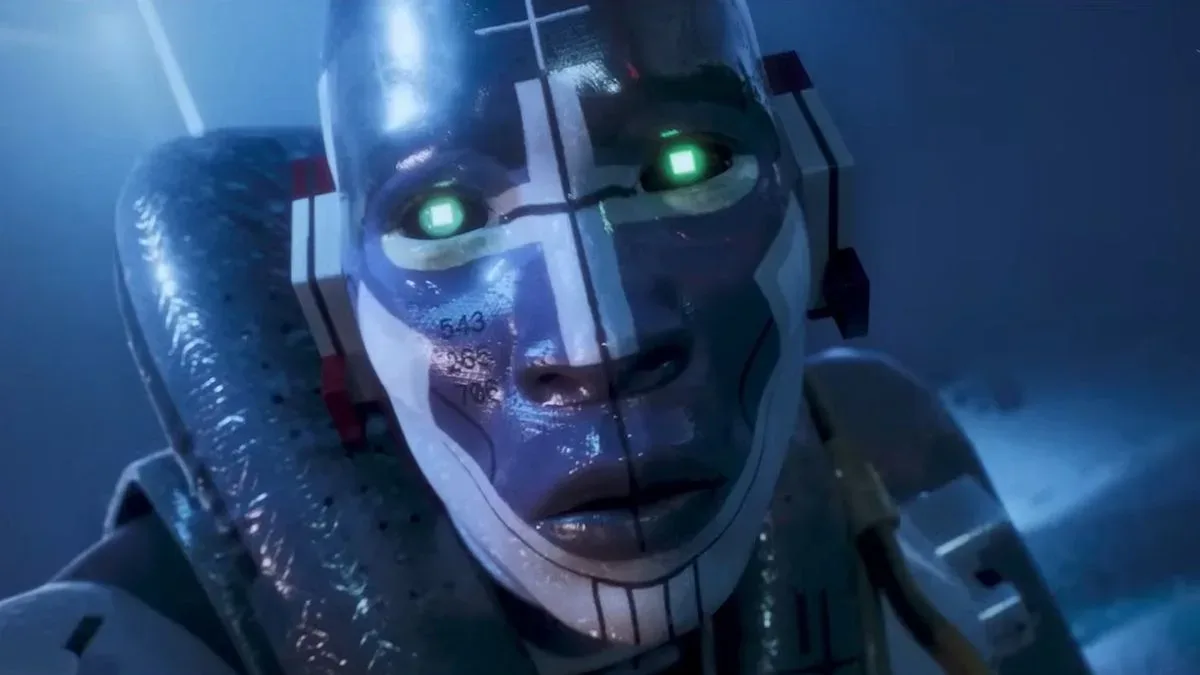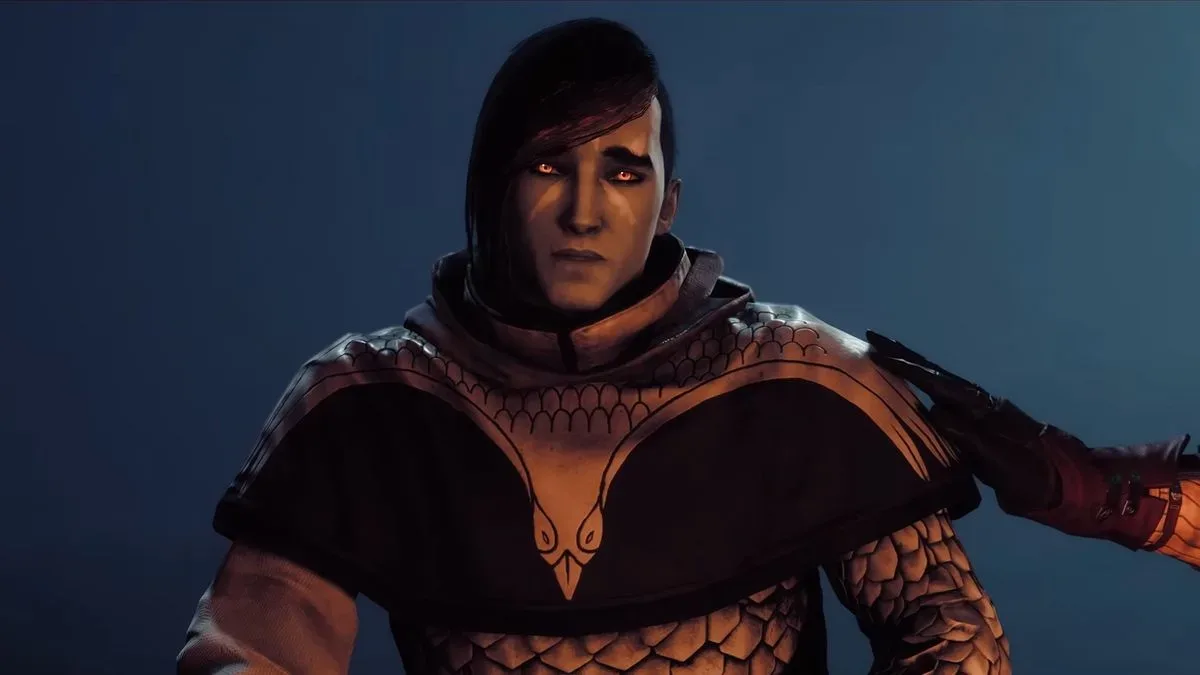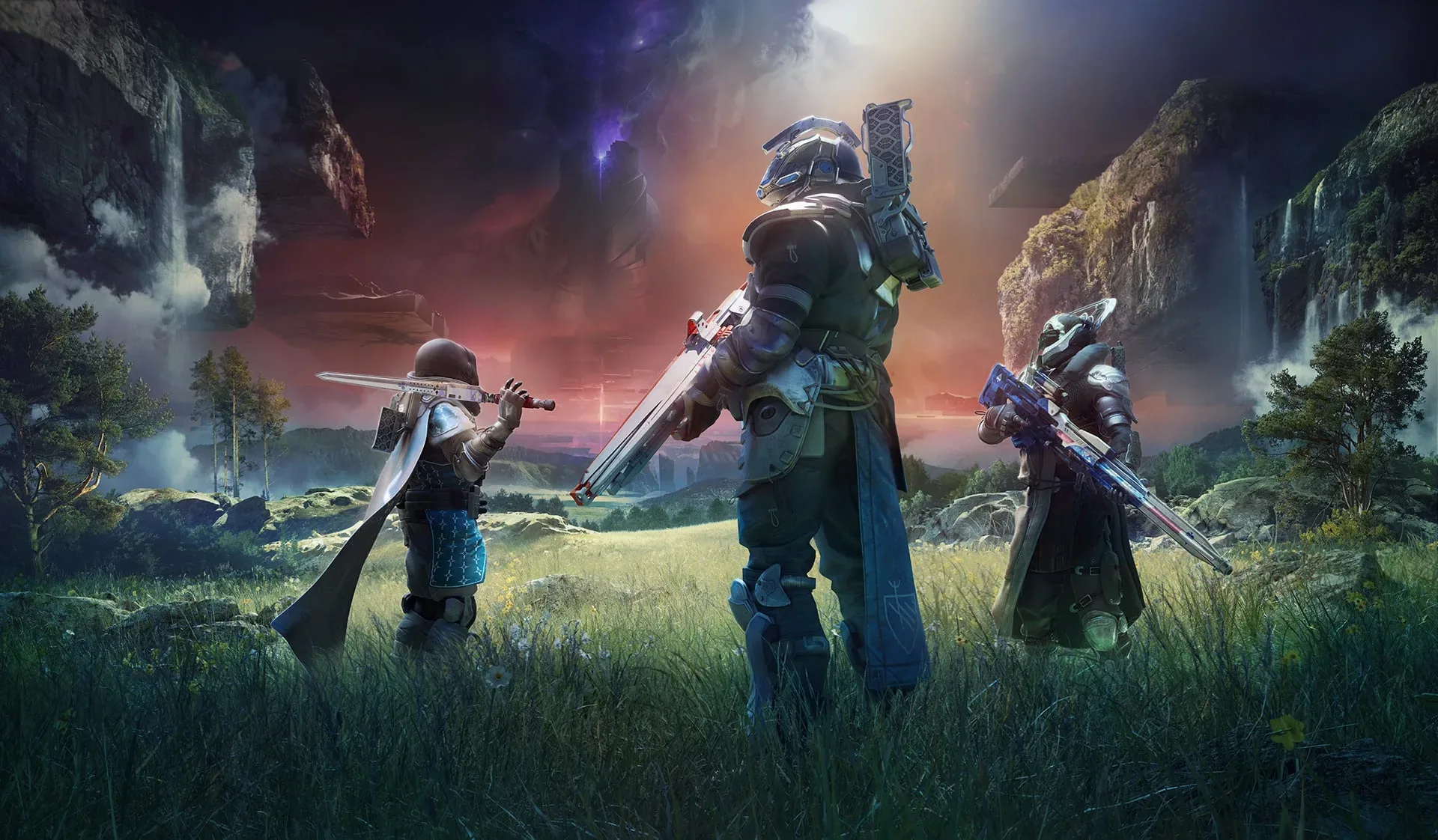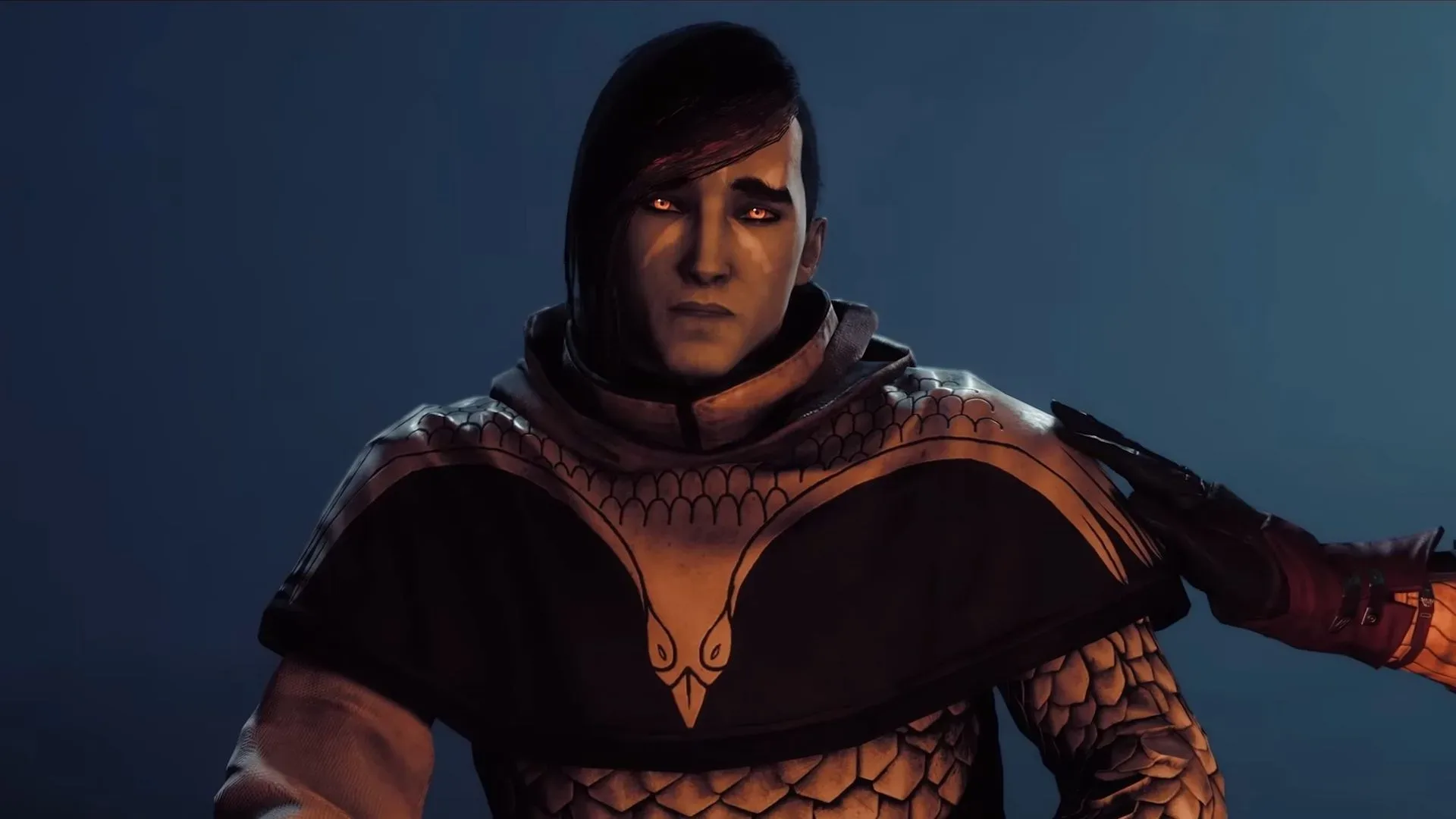
Bungie product head Josh Deane has moved to separate the studio’s plans for Destiny 2 from the commercial and player-population struggles facing Marathon. The clarification follows concern that comments about Marathon becoming sustainable meant players would need to support the newer game to secure Destiny’s future.
Deane’s answer is unusually direct: Destiny’s plan is “in no way” contingent on Marathon. He also told players not to treat a Marathon purchase as a way to financially prop up another game.
“Don’t buy Marathon as a donation or offer anything else,” Deane wrote. “It’s our job to show up for you.”
His wider message is straightforward: players should buy or play a Bungie game because they think it is worthwhile, not because they feel responsible for the health of the studio’s broader slate. “Only buy or play a thing that inspires you from us / you think is cool!” Deane added, while saying that Bungie would “find our way back home with Destiny.”
Why players read a connection between the two games
The concern did not emerge from nowhere. In a longer discussion of a proposed “new forever Destiny” and a “Destiny ‘Legacy’” project, Deane said that Marathon rapidly evolving into a sustainable game would help bridge Bungie into its future. That is a reasonable business observation: a successful live-service game can give a developer more resources and flexibility. But it can sound rather different to a community already worried about support, staffing, and the direction of a long-running game.
Deane acknowledged that his meaning had been misunderstood and accepted responsibility for the wording. He said his intention was to serve people who enjoy either Bungie universe, or both, rather than ask players to support one product in exchange for another.
That distinction matters. A studio can benefit when one game succeeds without making the roadmap of another game formally dependent on that success. Deane’s clarification addresses the latter claim. It does not erase the broader reality that Bungie, like any developer maintaining multiple costly projects, benefits from stable businesses and satisfied players across its portfolio.
What “contingent” means here—and what it does not
In this case, contingent means conditional: the Destiny plan would only happen if Marathon hit a particular level of success. Deane says Bungie is not building the Destiny plan on that basis.
Related coverage includes Bungie Says Destiny 2 Plans Are Not Dependent on Marathon's Success.
That should not be interpreted as a guarantee about every future update, expansion, team size, or business decision. No such detailed promises were made. It is instead a response to a narrower fear—that Marathon purchases or engagement are a prerequisite players must meet to earn ongoing Destiny support.
For Destiny players, the practical takeaway is not that all uncertainty around the franchise has vanished. It is that Bungie’s product lead is explicitly rejecting the idea of a cross-game fundraising bargain. If Marathon does not appeal to someone, Deane’s advice is not to purchase it out of loyalty or anxiety about Destiny.
This is a useful boundary for a live-service audience. These games can cultivate an understandable feeling of shared investment: players spend years learning systems, joining clans, building collections, and following long-term storylines. That investment can make corporate planning language feel personal. But players are not responsible for rescuing a game’s retention, revenue, or development strategy.
Marathon’s population challenge remains the backdrop
The clarification arrives while Marathon faces a difficult retention picture. Bungie said in September that the game had not reached as many players as hoped. On Steam, its peak player count reached 88,000, while its daily average has later fallen into roughly the 2,000-to-3,000 range.
A post-launch drop is normal for online games. Launches concentrate attention from curious players, returning fans, and people trying a new release with friends. The tougher question is whether a game can retain enough of those players—or attract new ones often enough—to support healthy queues, diverse skill levels, social momentum, and continued development.
Marathon’s reported issue is not simply that the number went down. The concern is that seasonal updates have not restored the population meaningfully, leaving the game to contend with a smaller, more committed group.
That can create a difficult feedback loop in competitive multiplayer games. As casual and lower-skill players depart, the remaining matchmaking pool becomes more concentrated with experienced players. Matches can feel harsher to newcomers, queue times can increase, and early progression may become harder to achieve. Those conditions can lead still more people to leave, reducing the pool again.
It is not an automatic outcome of every player-count decline, and player totals alone do not explain every frustration. Yet it is a familiar structural challenge for games whose moment-to-moment experience depends on having many players of varying skill levels online at the same time.
Mandatory wipes are another retention question
The feedback around Marathon also includes the question of why players should repeat seasonal progression after mandatory wipes. In this context, a wipe is a reset of some form of player progress at a defined point, typically intended to refresh competition or progression loops. A reset can work when players see compelling new goals, rewards, strategies, or experiences on the other side.
If players instead feel that the reset mainly asks them to redo familiar work, it can become a point of friction—especially for people with limited time. That does not make the underlying design inherently wrong, but it raises the stakes for each season: the game needs to make starting over feel purposeful rather than merely obligatory.
Bungie is also working to add a more compelling PvE element to Marathon. PvE, or player-versus-environment, refers to gameplay centered on computer-controlled enemies and challenges rather than direct competition against other people. The effort suggests an attempt to widen the game’s appeal beyond its existing audience and give players another route through its world.
Former Marathon game director Joe Ziegler had previously said Marathon was not designed to replace Destiny 2 and that the games did not necessarily target the same audience. That remains an important piece of context. The two titles may share a developer, but a Destiny player is not automatically a Marathon player, and vice versa. Different pacing, structures, stakes, and multiplayer expectations can produce very different communities.
Analysis: reassurance is valuable, but execution will decide trust
Deane’s comments are valuable because they confront the emotional premise behind the worry rather than dancing around it. Telling people to buy a game only if they genuinely want it is a healthier message than treating a community as a financial lever for a separate project.
It also recognizes a simple point: goodwill cannot substitute for fit. A player who wants Destiny’s particular blend of cooperative and competitive play, progression, and fiction may not want Marathon’s harsher experience. Asking that person to purchase Marathon anyway would risk turning enthusiasm for one series into resentment toward both.
Still, the reassurance will ultimately be judged against what happens next. Destiny players will be watching for clearer evidence of the stated future plans around “new forever Destiny” and “Destiny ‘Legacy’.” Marathon players will be watching whether PvE additions, seasonal changes, and solutions to progression concerns make the game more welcoming and sustainable.
Those are separate tests, even if they take place at the same studio. Bungie’s challenge is to demonstrate that each game has a coherent reason to exist for its own audience—not merely as a support beam for the other. That broader tension around financing major game projects is also visible elsewhere in the industry, including when publishers seek dedicated funding to carry a sequel through launch, as in CI Games’ funding facility for Lords of the Fallen II.
What players should take from Bungie’s message
- Do not treat Marathon as a donation to Destiny. Deane has explicitly said not to buy Marathon, or offer other support, for that purpose.
- Destiny’s stated plan is not conditional on Marathon succeeding. That is the direct clarification Bungie has provided.
- Marathon’s problems are still real. Its lower active population, tough competitive environment, and seasonal-progression questions remain issues Bungie needs to address.
- The games need not have the same audience. Bungie has maintained that Marathon was never intended as a replacement for Destiny 2.
- Promises need follow-through. The most meaningful proof will be the quality and clarity of future support for both games.
For now, Bungie’s position is clear: enjoy Destiny if Destiny is the game that inspires you, and play Marathon only if Marathon earns that interest on its own merits. The studio may benefit if both thrive, but it is rejecting the premise that players owe one game their money to protect the other.