Total War: Shogun 2 - Complete Edition has arrived with the kind of launch-day reception a remaster is supposed to prevent. Steam users have pushed the release to an overwhelmingly negative rating, with 19% of 677 posted reviews marked positive at the time reflected in the available figures. The objections are not confined to one disputed visual asset, either. Players are pointing to allegedly AI-upscaled unit-card artwork, reports of worse performance than the older game, a mix of inherited and new bugs, and the removal of the original Total War: Shogun 2 from Steam’s storefront.
That combination matters because a remaster is generally being judged on a simple promise: the existing game should remain recognizably itself while becoming easier or more appealing to play on present-day hardware. Players arguing against the Complete Edition say it has instead complicated the proposition. It costs $10 more to enter, while the older store listing is no longer an option for newcomers who would rather buy the non-remastered version.
Existing owners are not reported to have lost access to their original copies; they can still download and play them. The immediate problem is one of choice for new buyers. Someone arriving at Shogun 2 for the first time now faces the Complete Edition rather than being able to select between the original and the updated release on Steam.
Why the unit-card art has become the flashpoint
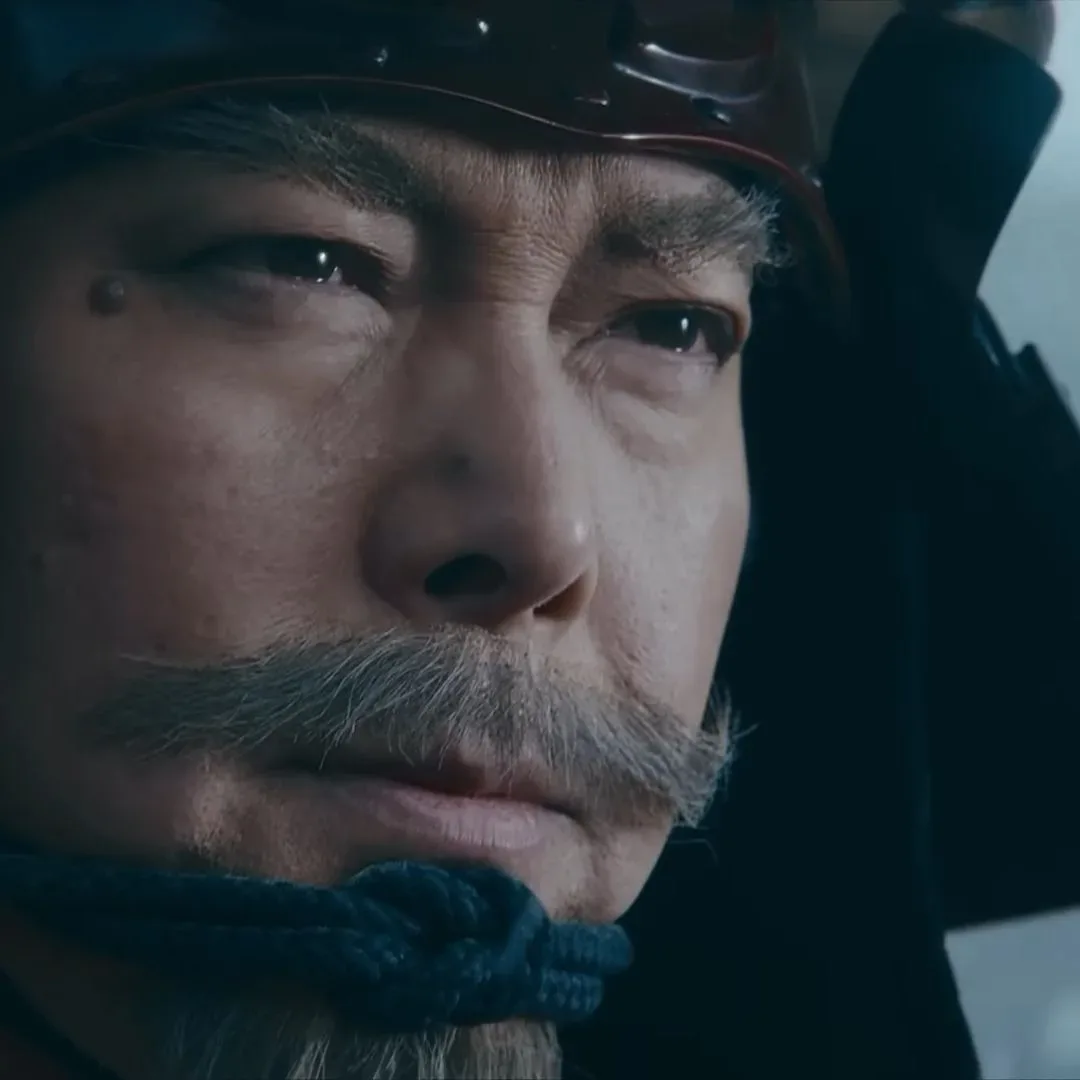
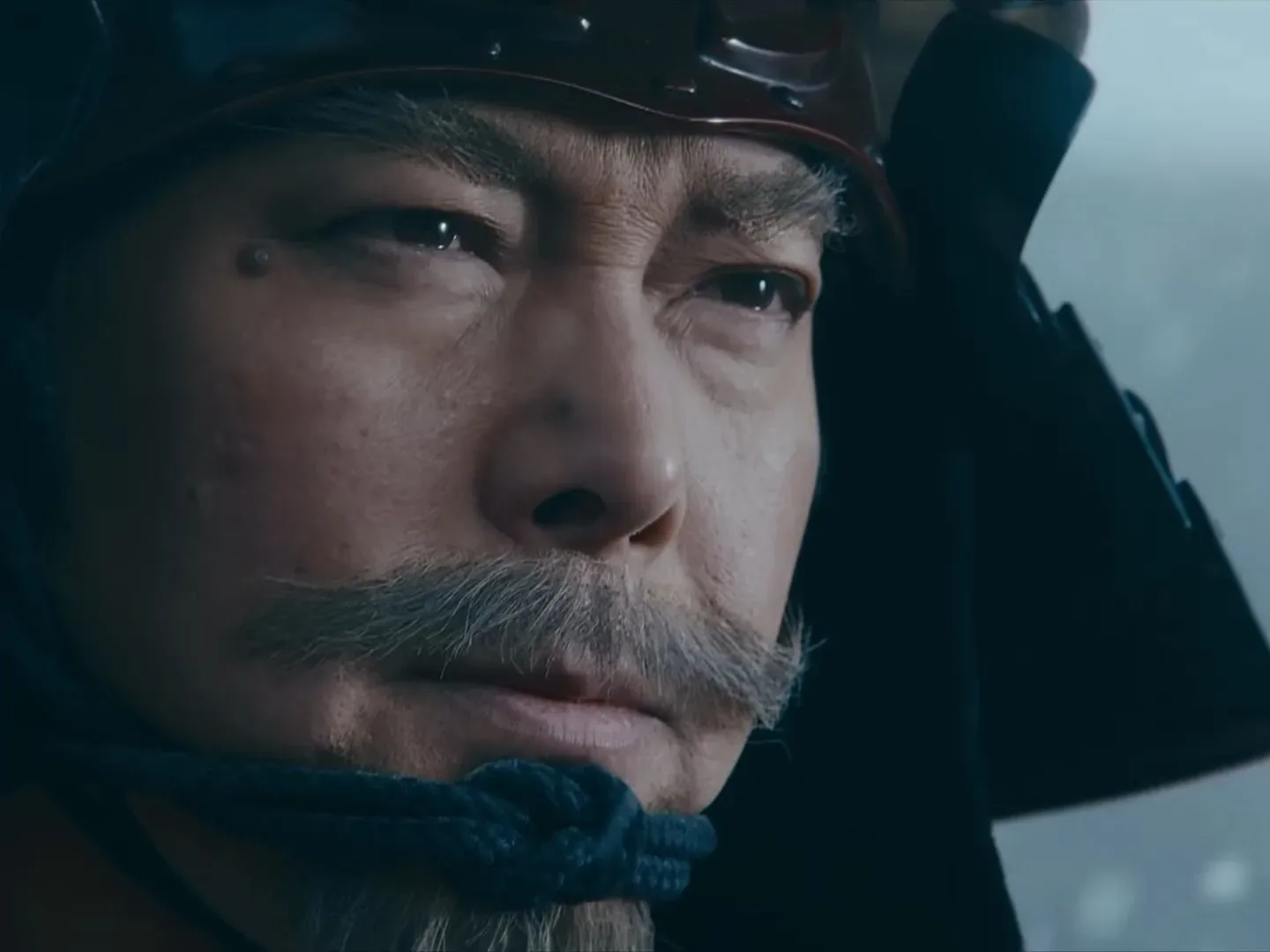
The most visible criticism concerns the game’s artwork, particularly unit cards. These are the small illustrated panels used to identify military units in the interface. They are not just decorative extras in a strategy game: players repeatedly look at them while building armies, checking formations, and making decisions in battle. If the images look inconsistent or distorted, that is a persistent interface issue rather than a flaw tucked away in a single cinematic.
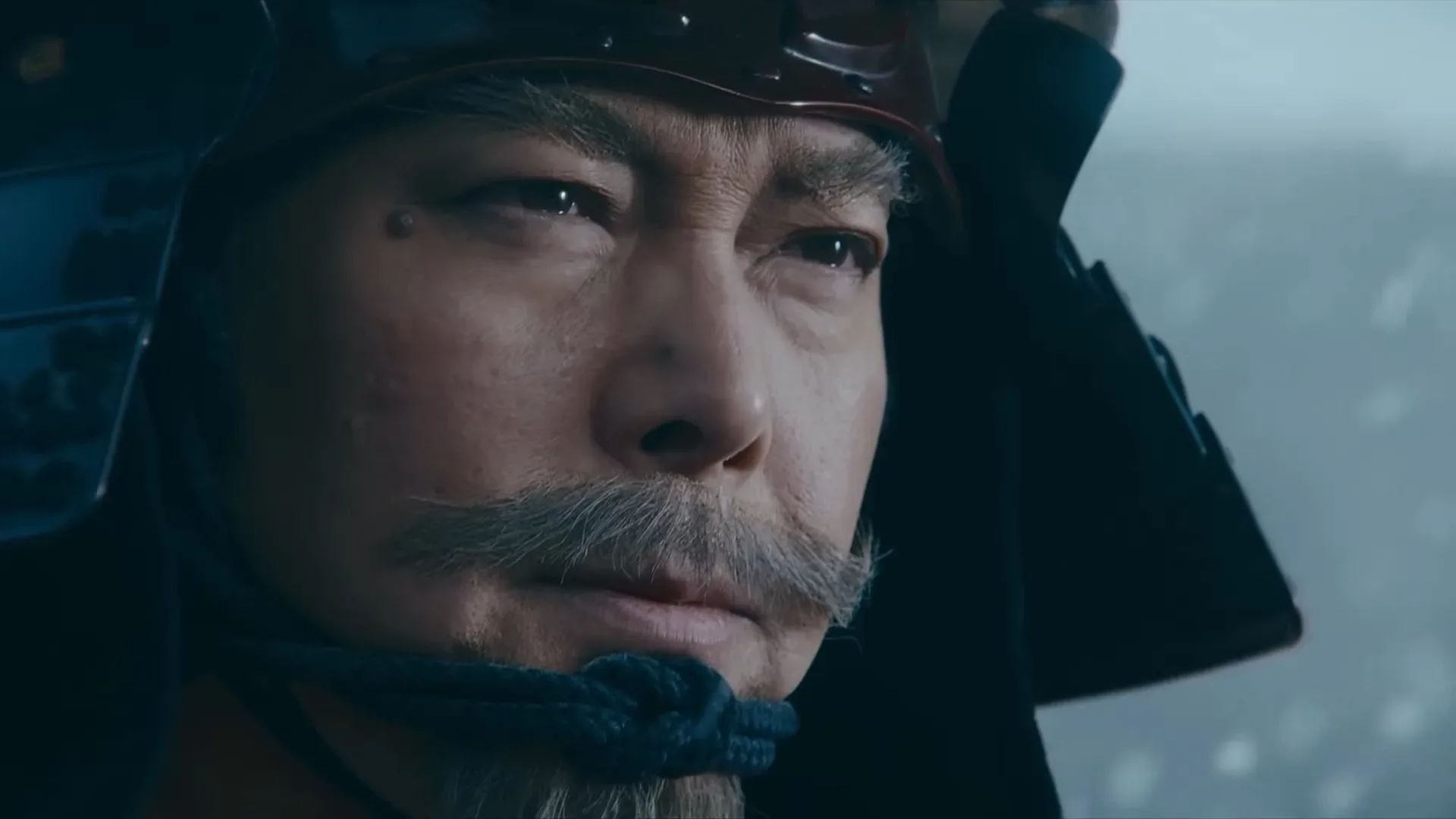
Players have shared comparisons that they believe show AI upscaling or generative-AI-style mistakes. One widely criticized comparison concerns an original illustration of a moustached mounted warrior. In the new version, the altered nose and moustache have been described as resembling a Stormtrooper helmet. Other examples cited by players include apparent anatomical errors such as hands with six fingers, including in newly created art.
It is important to separate what is visible from what has been formally established. The complaints characterize the images as AI-upscaled or as bearing generative-AI tells; the material provided does not include a developer confirmation of the production method. Nevertheless, the visual comparisons are central to the reaction because they give players concrete images to contrast with the older art rather than leaving the complaint at the level of a vague dislike.
Upscaling means enlarging an image to a higher resolution. Conventional methods can sharpen or interpolate detail but can also make a picture look soft, harsh, or artificial. AI-based upscaling uses a model to infer missing detail. That can make a small image appear cleaner at a glance, but it can also invent shapes that were not in the original—especially in facial hair, hands, equipment, and fine line work. Whether every disputed card came from a particular process is not established here; the practical complaint is that some revised images appear to have gained strange details rather than simply becoming clearer.
The request from critics is correspondingly direct: redo the cards by hand. That is not necessarily a small undertaking, but it explains why the art controversy is more than a technical debate about pixels. The original cards had authored silhouettes and visual information. If a remaster introduces accidental-looking forms, fans see it as a loss of character and readability in a game they already knew.
Related coverage includes Total War: Shogun 2 Complete Edition Faces Overwhelmingly Negative Steam Response.
Performance reports undermine the point of an update
Visual complaints could perhaps be easier for some players to overlook if the updated package delivered clearly stronger technical results. Instead, widespread user reports say the Complete Edition runs worse than the original, and even worse than more recent Total War games in some comparisons. Those reports should be treated as player feedback, not a standardized benchmark result: no hardware configurations, test routes, frame-rate data, or developer explanation are supplied here.
Even so, performance is especially consequential in a large-scale strategy game. A player may spend considerable time navigating campaign maps, managing forces, and staging battles. Stutters, slowdowns, instability, or other technical problems can affect the basic rhythm of those activities. An updated release that feels less responsive than its predecessor naturally invites the question of what the upgrade is delivering in exchange for the higher entry price.
Players are also compiling lists that include bugs carried over from the original alongside glitches described as new to the Complete Edition. That distinction is useful. An old bug is still frustrating, but a remaster does not necessarily create it. A newly introduced issue, by contrast, is read as regression: a problem associated with the version intended to refresh the experience. In both cases, the package is being evaluated as it exists now, not as an abstract celebration of an earlier game.
This helps explain why the review response has been so severe. Any single concern—a questionable portrait, a weak launch build, a higher price, or a delisting—might lead to a rough launch. Together, they build a perception that the newer edition has reduced the available options while failing to provide a reliably better replacement.
The delisting changes the stakes for new players
The original Steam version being delisted is the pressure point beneath the anger. Delisting means a product no longer has a purchasable store page option for new customers. It does not, in this case, mean that everyone who bought the original has been stripped of access: current owners can still download it. But it does mean that people who did not previously own it cannot choose to buy that older release through the storefront.
For a remaster, retaining the original listing can function as a consumer safety valve. Some players might prefer the older visuals, have hardware or mod-related reasons for sticking with the established edition, or simply want to decide for themselves whether the update is worth paying for. Removing that option makes the quality of the replacement far more important. If buyers believe the replacement is compromised, the delisting no longer reads as housekeeping; it reads as a forced migration.
That is the context behind the unusually angry Steam comments. One reviewer summarized the perceived commercial motive with a biblical comparison to greed. The phrasing is rhetoric, not evidence of intent, but it captures the mood: users do not see a frictionless path toward the edition they would rather play or purchase.
There is a broader practical lesson for anyone considering a new PC release built around an older game. Steam review sentiment can flag patterns quickly, but it is still an aggregate of individual reactions. Prospective buyers should distinguish between the reported issues most likely to affect them—art revisions, performance, particular glitches, price, or the lack of an original-store option. In this case, though, the complaints overlap enough that the low rating is not being driven by one isolated disagreement.
PC storefront releases often evolve quickly after launch, and fixes could change the situation. No specific patch, timetable, restoration plan, or developer response is established in the supplied information, so it would be premature to promise one. For now, the available facts support a narrower conclusion: the Complete Edition’s opening reception is overwhelmingly negative, existing original owners retain their downloads, and new Steam buyers cannot currently choose the original listing.
What would address the criticism
The community’s complaints point to several clear areas where meaningful improvements would matter. Revised unit-card and other disputed artwork would address the most obvious visual concern, particularly if the replacements avoid the distortions players have highlighted. Performance and stability work would speak to the expectation that a modernized version should not feel technically weaker than the game it succeeds. Fixing both lingering and newly reported bugs would improve confidence that the Complete Edition is being maintained as a definitive package rather than merely repackaged.
Restoring the original version to the Steam store would resolve a different problem: consumer choice. That would not erase objections to the Complete Edition, but it would let new players decide whether the remaster’s changes suit them. Until then, anyone who missed the original release period has no official Steam purchase choice between the legacy game and this updated package.
The episode also arrives amid a wider PC environment where presentation and preservation often pull in opposite directions. A remaster can preserve a game by keeping it accessible, but it can also alter its original presentation. The conversation around Shogun 2 is therefore not merely about resolution. It is about whether technical modernization is preserving the authored work players value, and whether a new edition earns the place of the version that newcomers are now asked to buy.
For readers tracking other PC release stories, a recent look at Send in the Clown’s unusual PC RPG setup shows the very different challenge of presenting a new game on its own terms. Shogun 2’s situation is harder: it is being measured every moment against an older version that players can still run if they already own it, but cannot newly purchase on Steam.