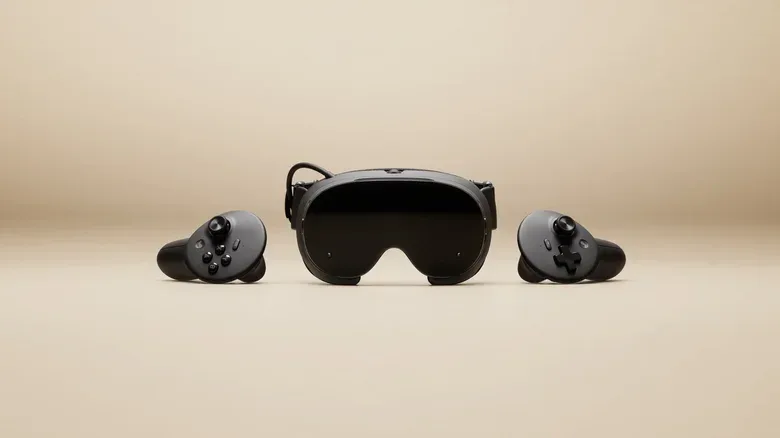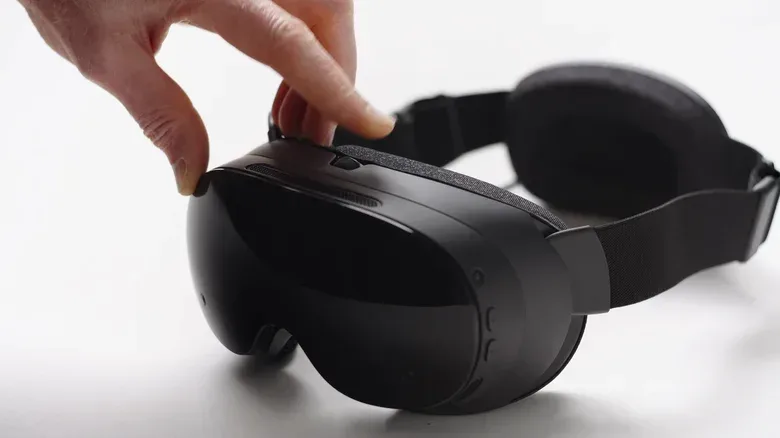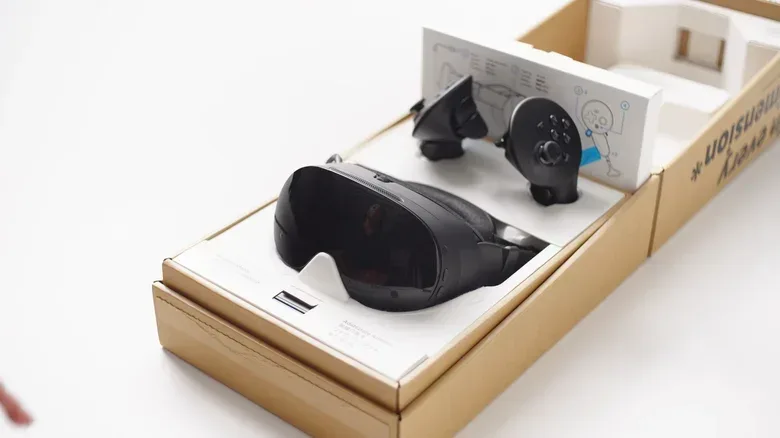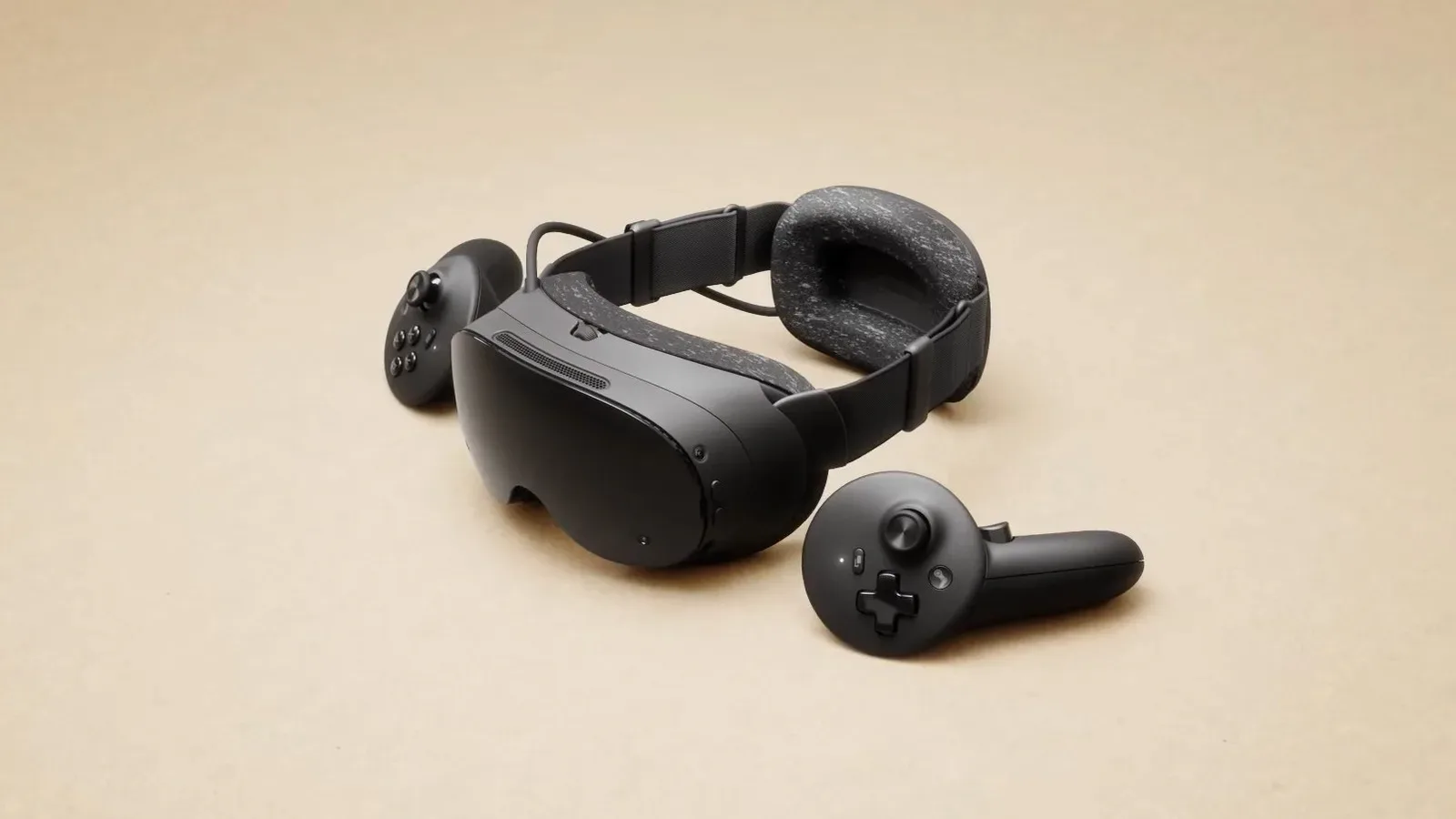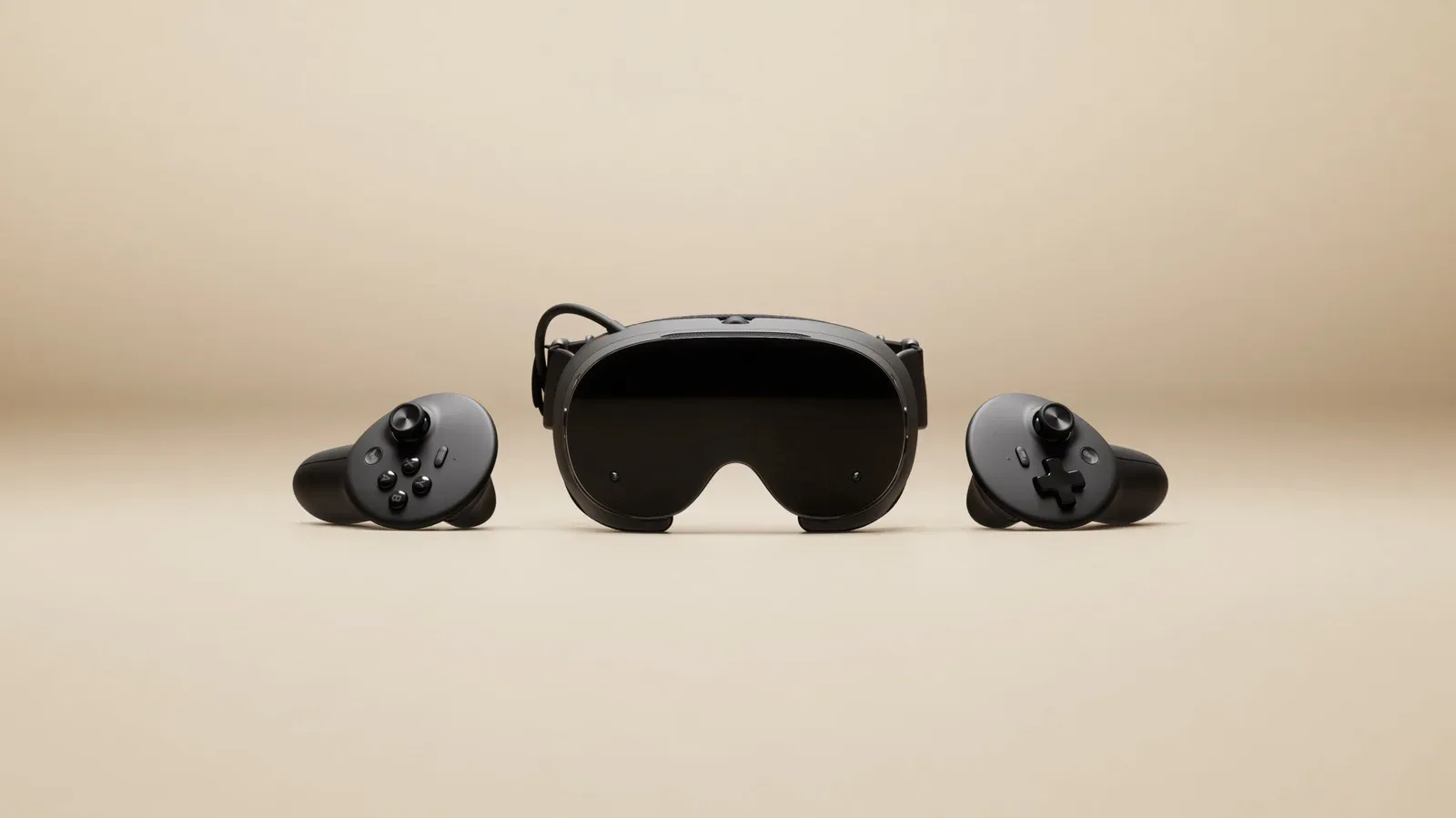
Valve’s Steam Frame appears to have avoided one of the most frustrating modern-hardware traditions: making every routine repair an expedition through glued panels, delicate screens and tightly packed boards. Its overall construction offers several unusually sensible routes into the headset. But a teardown has found one major exception, and it is the kind of exception that could matter more as the device ages: the cooling fan is difficult to reach.
That is an awkward place for a repairability compromise. A fan is not simply an obscure internal part that can be ignored for the lifetime of a headset. Cooling fans gather dust, their moving parts can wear over time, and they are central to moving heat away from the hardware. Steam Frame’s fan is reportedly positioned behind the optical assemblies and among thermal components, cabling and other internal hardware. Reaching it requires substantial disassembly rather than a targeted service procedure.
It does not erase the good work elsewhere in the design. Steam Frame looks comparatively approachable for a VR headset in a number of important areas. Yet it makes the product a useful reminder that “repairable” is not a binary label. A device can make some high-impact parts pleasantly modular while placing another predictable maintenance point behind a long sequence of careful steps.
The fan is the repairability catch
Cooling is easy to overlook in a feature list. Displays, tracking, storage and game compatibility are the pieces buyers will encounter first. Inside compact electronics, however, thermal management is foundational. A fan circulates air to help carry heat away from components; a heat pipe is a separate sealed part designed to transfer heat from one place to another. The teardown’s positive detail is that Steam Frame’s fan and heat pipe are separate components rather than a single inseparable assembly.
That separation is valuable in principle. It means a fan failure should not automatically require replacing the heat pipe as well. The practical limitation is access. If an owner or repair technician must work past optical hardware, cables and the surrounding thermal layout before reaching the fan, the part’s separability only solves half the problem.
For a headset, the stakes are higher than the inconvenience of opening a desktop tower. The internal layout sits alongside components responsible for the visual and tracking experience. More disassembly means more connectors, screws and pieces that must be handled and reassembled correctly. It also makes a task such as cleaning accumulated dust much less inviting for a person who is otherwise comfortable swapping a simple component.
This is not necessarily a prediction that every Steam Frame will need fan service. It is instead a design trade-off worth recognizing up front. Fans are wear items because they move, and dust buildup is a familiar possibility wherever active cooling is used. A repair design that treats them as deep-core components can add cost, time and caution to maintenance that may become relevant later.
Where Steam Frame makes better choices
The fan issue stands out precisely because the rest of the device contains several choices that support repair and upkeep. The head strap uses quick-release latches. That enables access to the rear battery pack without first disturbing the displays, a meaningful division of the work in a device where displays are among the components users would least want to handle unnecessarily.
Related coverage includes Steam Frame Repairability Has One Major Fan-Service Problem.
The headset’s comfort and hygiene materials are also replaceable. This includes the nose bridge, face cushion and headrest cushions—the parts most likely to absorb sweat through repeated wear. That is a modest-sounding feature with a direct practical payoff. VR hardware is worn against the face and head, so replaceable contact components can help owners refresh a well-used headset instead of treating wear to those materials as the end of the product’s comfortable life.
Steam Frame’s lenses are attached magnetically to its IPD rail. IPD means interpupillary distance: the spacing between a person’s pupils. In a headset, the lens position needs to correspond appropriately to the wearer’s eyes for comfortable, clear viewing. The magnetic attachment is reported to simplify work related to the display and eye-tracking hardware, though this should not be mistaken for tool-free access. Removing the lenses still involves some disassembly, including screws and cables.
That qualification matters. “Straightforward” in a teardown is relative. A repair can be more accessible than the norm for VR hardware without becoming an entry-level project. Still, avoiding a need to excavate the motherboard for these jobs is a strong structural advantage. The design gives individual assemblies more of an identity, rather than forcing every problem to become a motherboard-adjacent operation.
Repairability is more than whether a device opens
A useful way to read teardown findings is to separate three questions:
- Can the part be removed? Steam Frame receives encouraging signs here for its strap, cushions and magnetic lens arrangement.
- Can the part be reached without risky or excessive disassembly? This is where the fan is a clear weak point, while the battery presents a smaller but notable concern.
- Can owners obtain a replacement part? This remains unresolved for some of the most important parts at the launch of the replacement-parts store.
A product needs all three to deliver a genuinely strong do-it-yourself repair proposition. A replaceable component offers limited help if it is difficult to access. Likewise, an accessible connector or screw layout does not solve much if a compatible replacement cannot be bought.
Battery and controller compromises remain
The battery can be removed, but it lacks release tabs. Those tabs are usually simple pull features that help detach adhesive-backed batteries with less prying. In the teardown, removal required isopropyl alcohol and gentle prying. That does not make the battery permanently trapped, but it adds a layer of care and technique to a repair that would have been more welcoming with a deliberate release mechanism.
The controller thumbsticks are another less-friendly point. They are soldered to their circuit boards, so a damaged thumbstick is not a quick module swap. Soldering is the process of joining electronic components to a board using melted metal alloy; it can be effective and durable, but it generally makes a replacement job more involved than removing a screw-mounted part or unplugging a connector. For owners facing thumbstick trouble, that construction means a repair may demand equipment and skill beyond routine headset maintenance.
These details create a more useful picture than either extreme. Steam Frame is neither a sealed appliance nor an effortlessly serviceable collection of snap-in modules. It appears to be thoughtfully repairable in several areas, with particular trouble spots that could make certain failures or maintenance jobs disproportionately demanding.
Parts availability will determine how meaningful the design is
Replacement parts are expected to be sold through iFixit’s store, and iFixit is Valve’s repair partner. That is an important route for owners who want to keep hardware in service beyond a warranty period. But the initial catalog will not include replacement batteries or replacement displays. iFixit has indicated it hopes the battery situation can change.
The missing battery is especially conspicuous. Batteries are consumable components in the broad sense that their capacity and usefulness can change with age and use, and Steam Frame’s battery placement makes it an especially relevant service part. The lack of an initial replacement option means the hardware’s serviceable design does not yet translate into a complete owner repair path for that component.
Displays are also consequential omissions, even if display replacement is likely to be a more delicate undertaking. An accessible display assembly cannot fully benefit a buyer if the part itself is unavailable at the point the store opens. Warranty repairs and replacements remain available for covered devices, but warranty coverage and DIY repair solve different problems. The first is a manufacturer support route under particular conditions; the second gives an owner or independent repairer a way to extend the hardware’s life outside that route.
That distinction fits a broader consumer conversation in games and technology. Repair access, transparent costs and ownership options are separate questions, but they all affect what someone can realistically do after paying for a product. Gaming’s discussions of value often focus on software practices—such as the concerns around virtual-currency bundles covered in ongoing scrutiny of in-game currency bundles and leftover balances—while physical hardware presents its own version of long-term control: whether key parts, instructions and sensible access remain available when wear arrives.
A costly headset with a more complicated value case
Steam Frame starts at $1,059, placing it far above Meta Quest 3 on price. The hardware has several stated advantages: it supports many Steam games in standalone form, including Half-Life: Alyx; it can wirelessly stream games from a PC; and it supports microSD expansion. It is also described as powerful and comfortable.
However, the price is difficult to separate from the repair story. A premium device does not have to be perfectly modular, but the higher the initial investment, the more reasonable it is for buyers to weigh its long-term service options. Steam Frame offers meaningful positives—replaceable sweat-contact parts, detachable strap hardware, and a lens arrangement that can ease access to display and eye-tracking repairs. Its buried fan and initial absence of batteries and displays in the parts store temper that promise.
For prospective owners, the teardown is best read as a practical checklist rather than a simple pass-or-fail score. Those who value replaceable cushions and a more approachable internal layout than many VR devices may find real reassurance here. Those who expect to personally clean or replace a fan, replace a battery later, or rapidly swap a controller thumbstick should recognize the limits before treating “repairable” as a blanket guarantee.
Steam Frame’s construction shows that repair-minded decisions are possible in a compact VR headset. The next test is whether its replacement ecosystem catches up—and whether future designs make the components most likely to need attention as easy to reach as the parts already designed with modularity in mind.