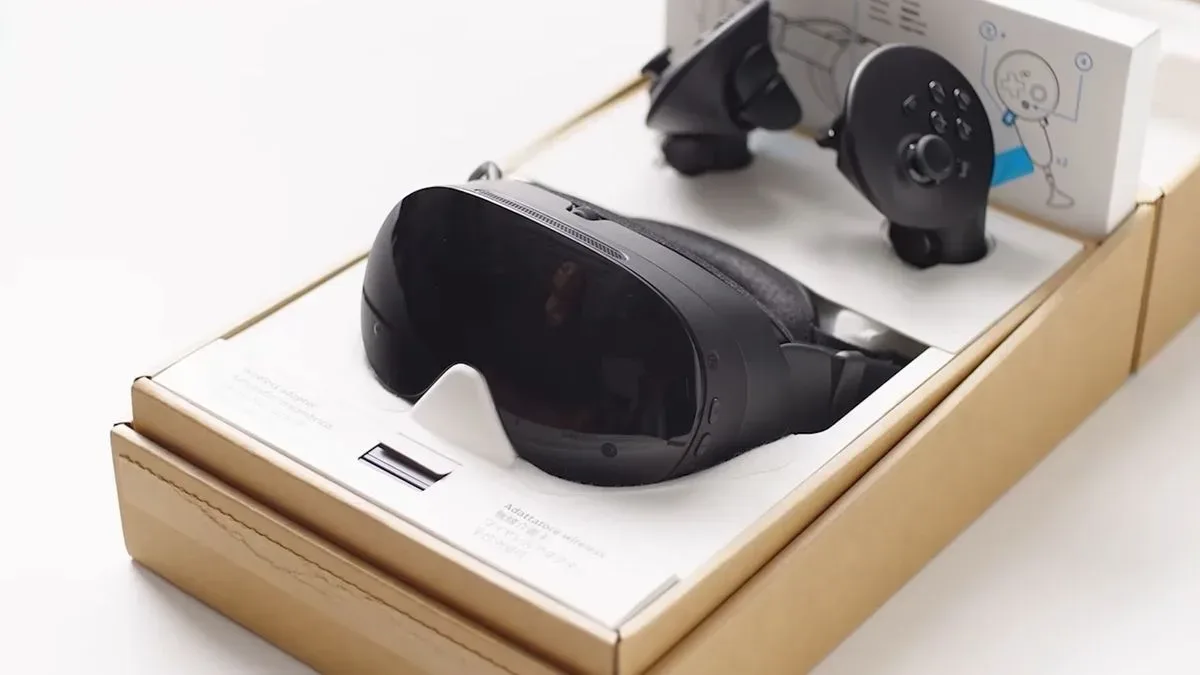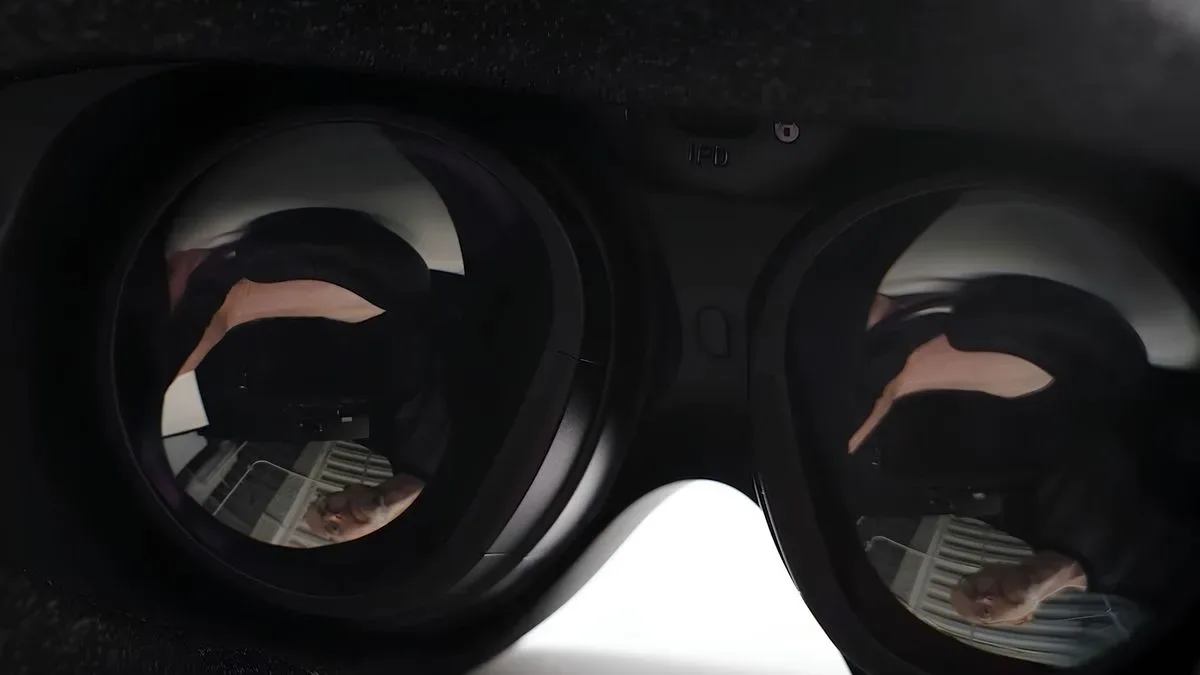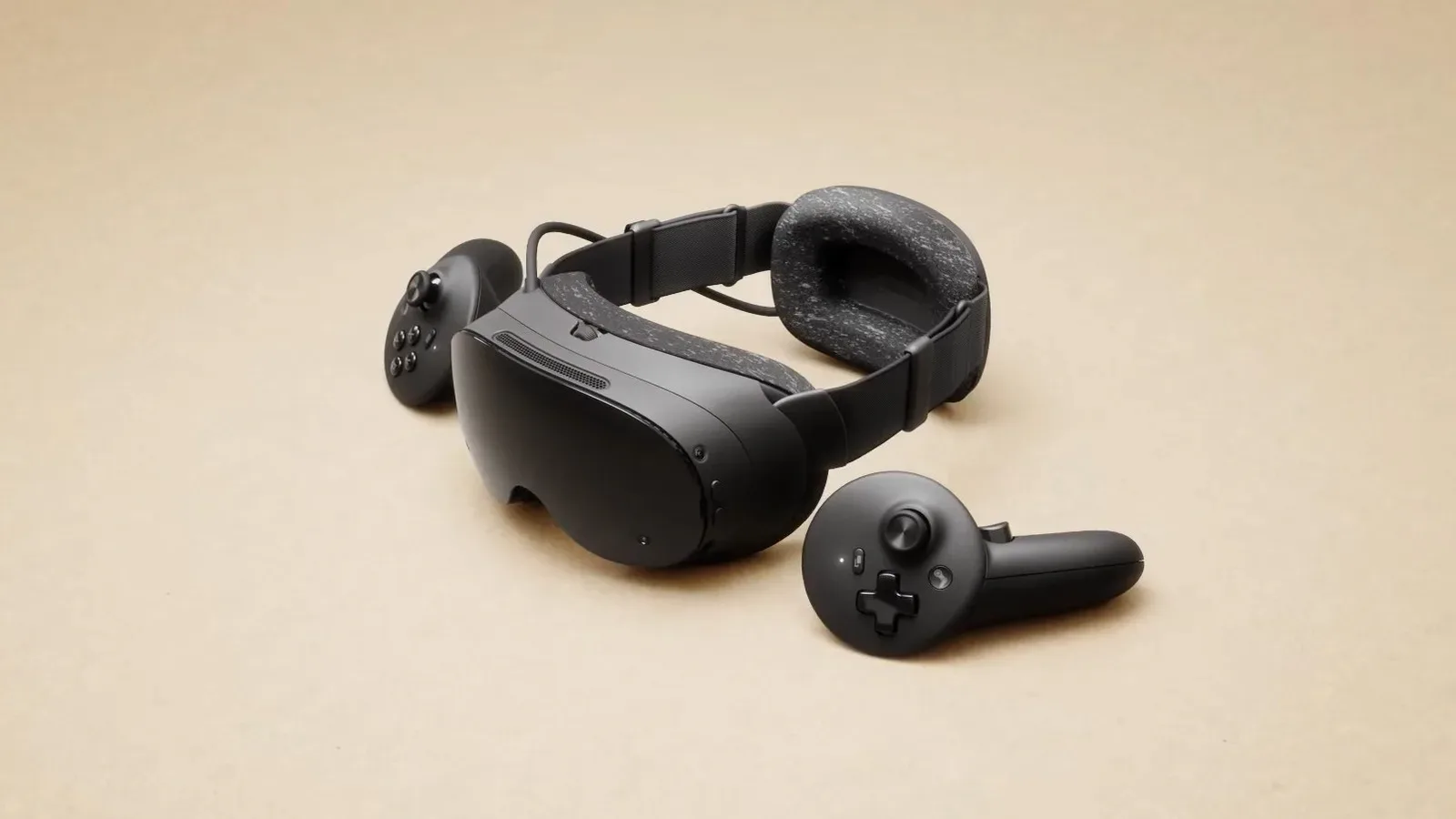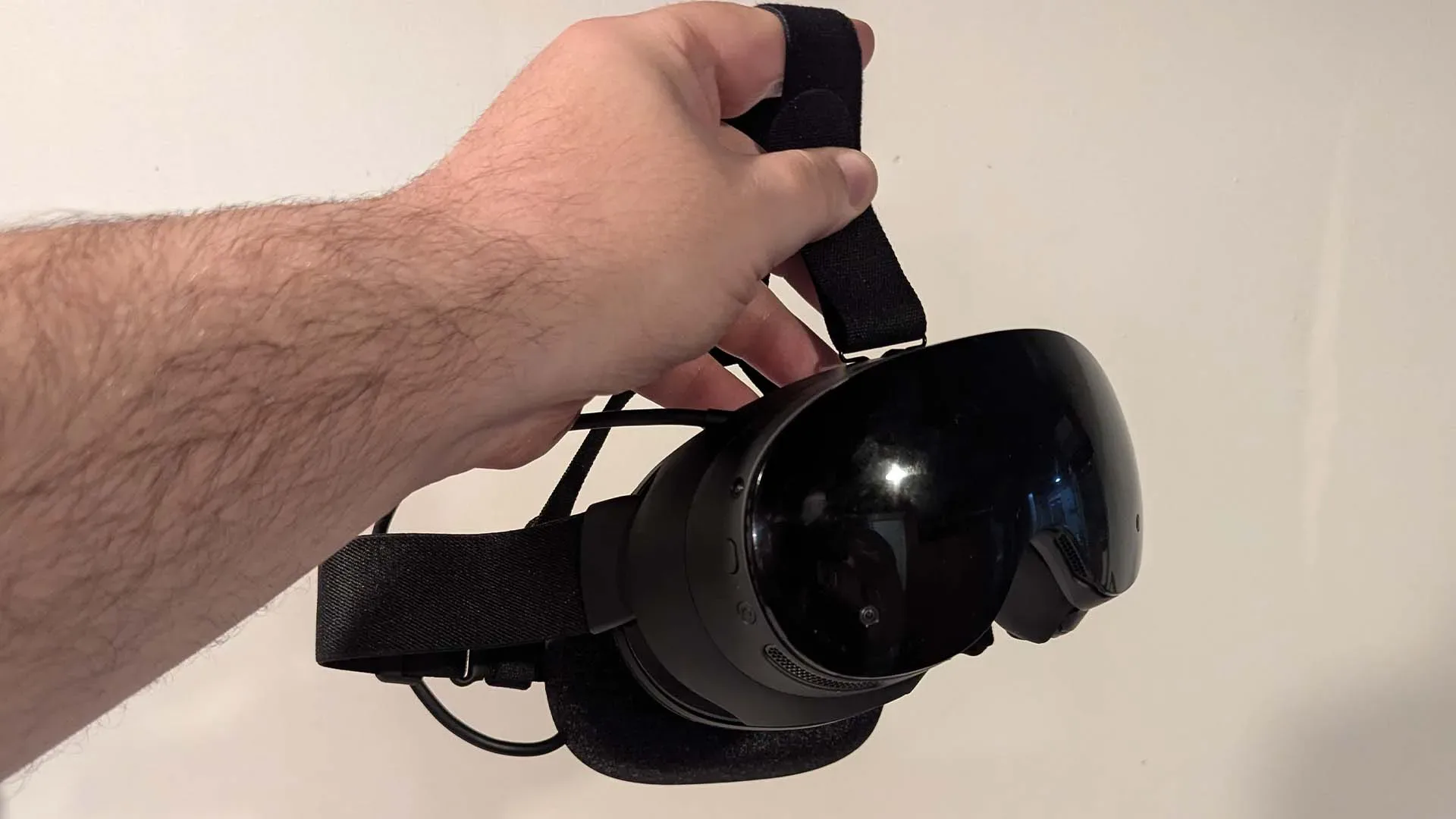
Valve is bundling Half-Life: Alyx, its 2020 VR flagship, with Steam Frame rather than launching a new first-party virtual-reality game alongside the headset. That choice may disappoint players hoping for another original Valve VR adventure, but the company’s explanation points to a larger and more consequential priority: making the existing Steam catalogue work well on Steam Frame’s standalone, ARM-based hardware.
In practical terms, Alyx appears to have served as a demanding compatibility target. Getting an established, high-end VR game working natively on the device was valuable not merely because it creates a strong bundle, but because the underlying work can carry over to other games and apps.
“All the fixes we got in for Alyx,” Valve programmer Robin Walker said, “the vast majority of them are applicable to basically anything that’s running on the Frame.”
That is potentially the most important part of the Steam Frame story so far. A launch title can sell the appeal of a device. Broad compatibility determines whether that device is useful after the launch window excitement wears off.
Steam Frame’s software problem is bigger than one VR game
Steam Frame is intended to support both immersive VR software and conventional Steam games in a portable, standalone format. That puts Valve in a different position from simply supporting a wired headset connected to a powerful gaming PC. In the wired scenario, the PC handles the demanding local processing. In standalone mode, the headset itself must run the game.
Half-Life: Alyx was designed with high-end wired VR headsets in mind, making it a meaningful test case for a smaller standalone device. It can also be played through Steam Frame by streaming from a gaming PC or laptop, but Valve has additionally updated it to run in the headset’s standalone mode. Those are different propositions: streaming relies on a separate computer to do the heavy lifting, while native standalone play relies on the hardware inside Steam Frame.
Pierre-Loup Griffais, a SteamOS developer at Valve, described the company’s effort as a focus on making “the Steam catalogue as a whole” provide a good experience. The goal was compatibility rather than attempting to use the headset launch as a vehicle for a new Valve-made VR release.
That emphasis makes sense for a platform holder. A headset with one impressive bundled game is a showcase; a headset able to reach across an existing library has a much clearer everyday purpose. Valve is also not treating older VR games as obsolete simply because they are older. Griffais specifically pointed to SUPERHOT VR and Beat Saber as longstanding experiences that remain highly effective introductions to VR.
What ARM means, and why it matters here
The central technical complication is Steam Frame’s ARM processor architecture. Processor architecture refers to the fundamental instruction design a chip uses: the low-level language and operating assumptions software must target. Much PC gaming software has traditionally been built around more conventional desktop and laptop chip architectures. ARM is different, so software made with those traditional PCs in mind may need additional work before it can run properly on an ARM device.
This is not just a question of whether a game can launch. VR raises the stakes because it combines performance requirements with a need for smooth, dependable delivery to the headset. A game that technically opens but performs inconsistently is not equivalent to a game that is genuinely ready for a standalone VR platform.
ARM chips are attractive in smaller hardware because they prioritize efficiency and lower heat generation. Those qualities suit compact, lighter devices that need to balance portability with performance. The trade-off is that the existing software ecosystem cannot be assumed to arrive ready-made. Moving a game or application from one architecture to another can require adaptation, testing, and fixes that are invisible to the player when everything goes right.
Valve’s framing suggests it is addressing that work at a platform level where possible. If the fixes made for Alyx apply broadly to “anything” on Steam Frame, developers may not each be starting from zero. That does not prove every Steam game will work, nor does it promise identical results across every title. It does indicate that Valve sees its work on a demanding game as a route to improving the general baseline for the device.
Compatibility is more than emulation
Discussions of ARM gaming often stop at emulation, the process of allowing software built for one computing environment to operate in another. But hardware compatibility extends beyond that single layer. Games can depend on graphics technologies, system interfaces, protection systems, and other components that all have to cooperate.
The relevant complications cited around ARM support include anti-cheat systems, DirectX, and Vulkan. Anti-cheat is software intended to detect or prevent cheating in games, particularly online titles. Because it may operate closely with a system and game client, compatibility work can be sensitive and difficult. DirectX and Vulkan are graphics and computing application programming interfaces, or APIs. An API is a standardized way for software to communicate with system resources and hardware capabilities. When games rely on these layers, making the whole chain function properly on new hardware is not necessarily a simple switch.
That wider picture is why a verified catalogue matters. “Verified for Steam Frame” should be understood as a useful compatibility signal, not as shorthand for every game on Steam being automatically suited to standalone use. Valve’s catalogue work appears aimed at growing the number of titles with a reliable path onto the device, while the Alyx update provides a visible example of the effort.
Why Valve chose an existing VR landmark
Bundling a six-year-old game could seem conservative on paper, especially from the studio behind it. Yet Half-Life: Alyx remains an unusually relevant selection for a VR headset because it is both a major known quantity and a hard technical target. It can demonstrate what Steam Frame is trying to accomplish without Valve promising an entirely separate new game during a period when compatibility work is evidently a major focus.
There is also a platform-building logic to the decision. New hardware benefits from software that communicates its purpose immediately. A familiar, acclaimed VR game can do that, while the broader Steam catalogue gives owners choices beyond a single first-party release. In Griffais’ description, different existing experiences can introduce people to whichever side of the device interests them—fully immersive VR or the ability to take non-VR Steam games with them.
The distinction between VR and non-VR software is important. Steam Frame’s ambition is not limited to being a machine for one kind of game. A Steam Deck-like promise of portable access to traditional games, paired with immersive VR support, broadens the use case. It also broadens the engineering challenge, because the device needs a large range of software to behave well across those modes.
Valve’s priorities therefore look less like an absence of ideas for new VR software and more like a decision to solve a foundational problem first. That is analysis, not a confirmation of future projects: Valve has not established that another VR game is in development, and the Steam Frame compatibility push should not be read as an announcement of one.
Native play and PC streaming can coexist
For prospective owners, the most practical takeaway is that Steam Frame’s native mode and PC streaming offer separate routes to play. Streaming Half-Life: Alyx from a gaming PC or laptop lets the external system supply the demanding performance. Native standalone support removes that direct dependence for the updated game, though it shifts the challenge to the headset’s own processor and software stack.
Neither route automatically replaces the other. Streaming can preserve access to demanding PC-driven experiences, while standalone operation offers the convenience of using the headset without relying on that external machine in the same way. As wireless VR convenience becomes a greater focus, this dual approach could matter more than an all-or-nothing choice between fidelity and freedom from cables.
It is too early to claim that the industry will only make less demanding VR games for standalone hardware. Streaming remains a path for PC-scale workloads, while native support can expand as device software and compatibility improve. The real question is not whether one approach eliminates the other, but how clearly players will understand which games work natively, which benefit from streaming, and what level of experience each option provides.
What to watch as the verified catalogue grows
Steam Frame’s longer-term appeal will depend on evidence beyond the bundle. The key signals are likely to be the pace at which the “verified for Steam Frame” catalogue expands, the types of games it encompasses, and whether Valve’s broad Alyx-derived fixes reduce friction for developers and players.
This is an ARM compatibility story as much as it is a VR story. Smaller form-factor gaming devices are increasingly interested in the efficiency and thermal advantages that ARM designs can offer, but the software transition carries real costs. Valve’s approach with Steam Frame appears to be to make one demanding existing game do useful engineering work for the rest of the platform.
For now, Half-Life: Alyx is both the bundled attraction and a demonstration of Valve’s broader strategy. A new Valve VR game may remain an understandable wish, but the company’s present effort is clearly focused on turning a substantial existing library into something Steam Frame owners can actually use. That work is less flashy than a surprise sequel, but it is the kind of work that decides whether a new hardware ecosystem has legs.
Steam Frame’s approach also fits a wider PC-hardware conversation: compatibility and platform reach can be as meaningful as raw specifications. PC gaming’s expanding importance makes that software-access question especially relevant whenever new device architectures arrive.