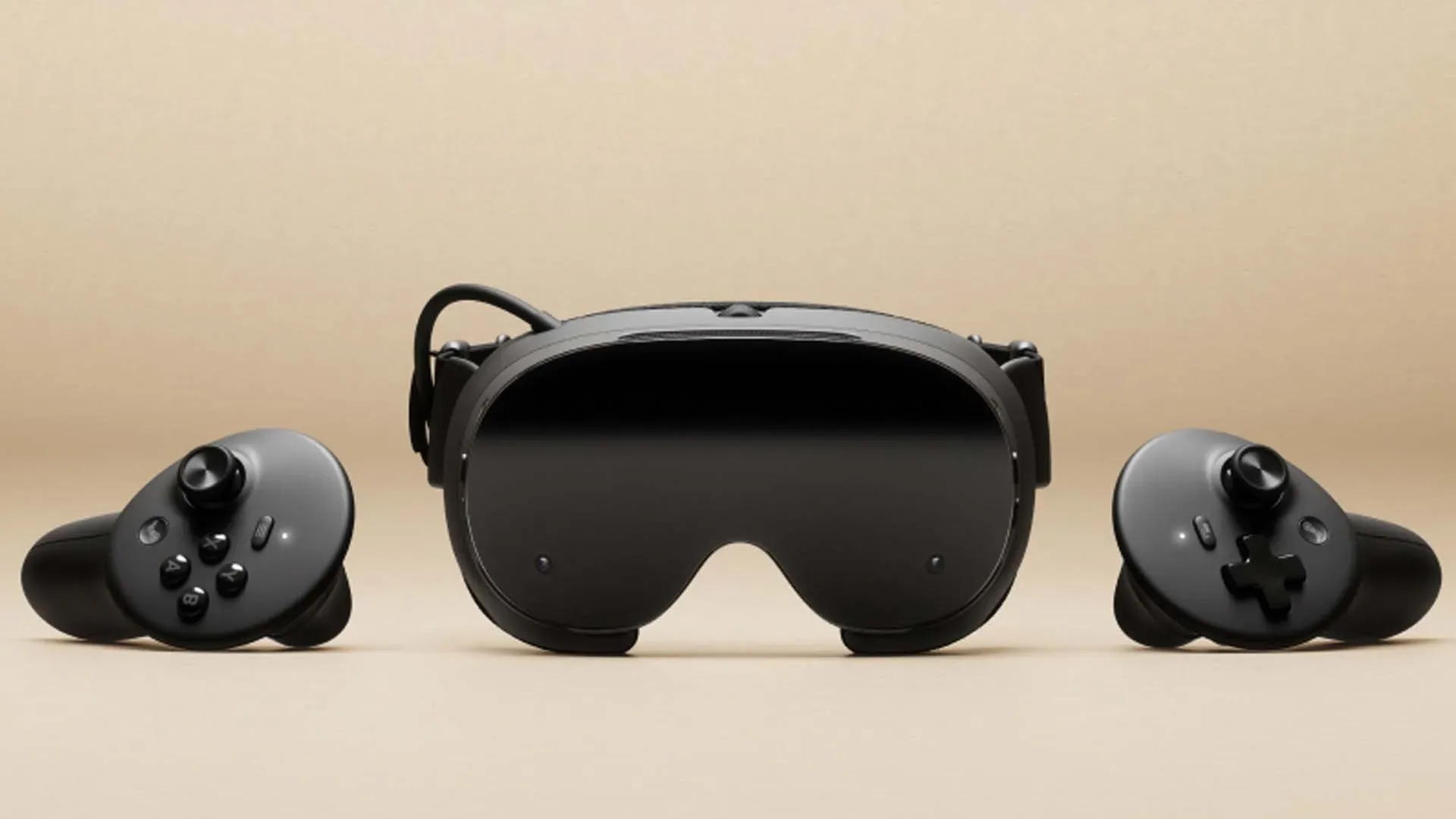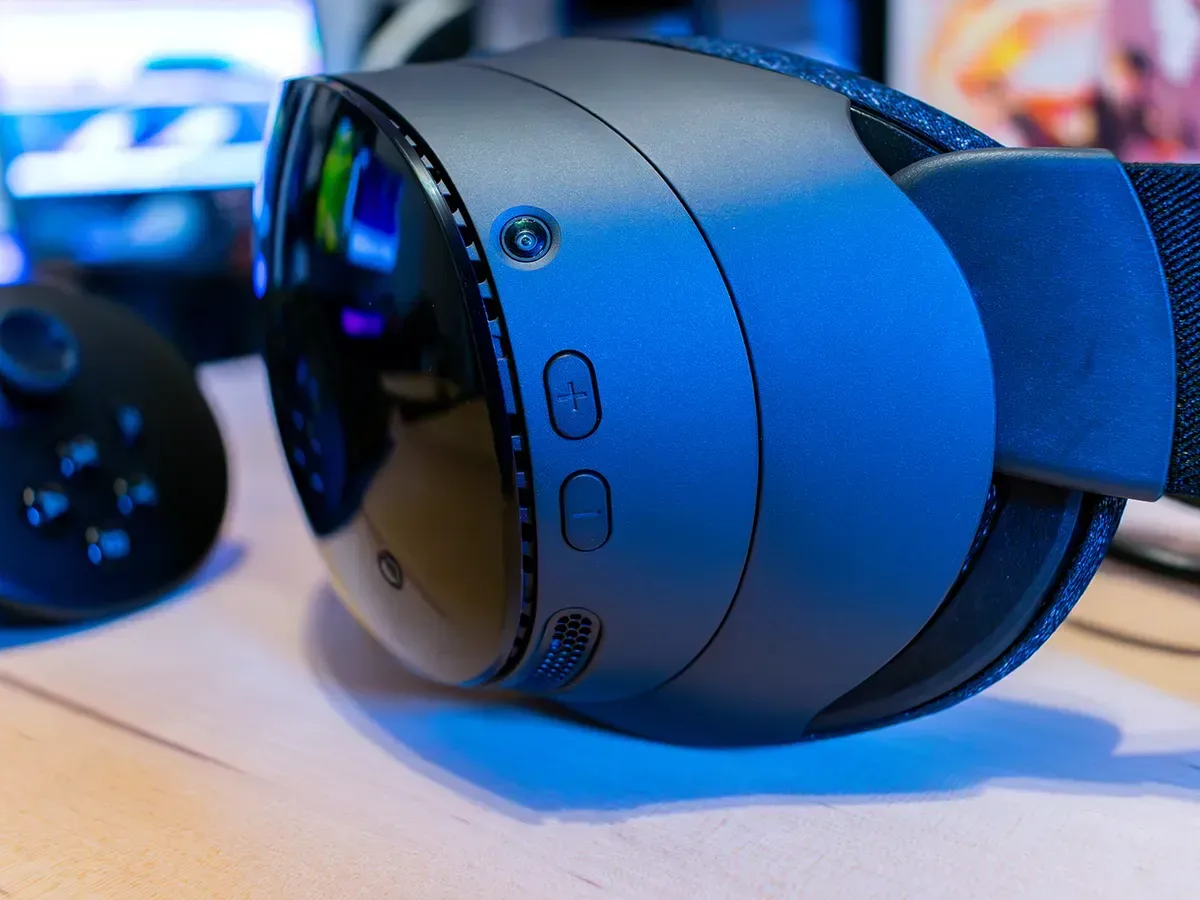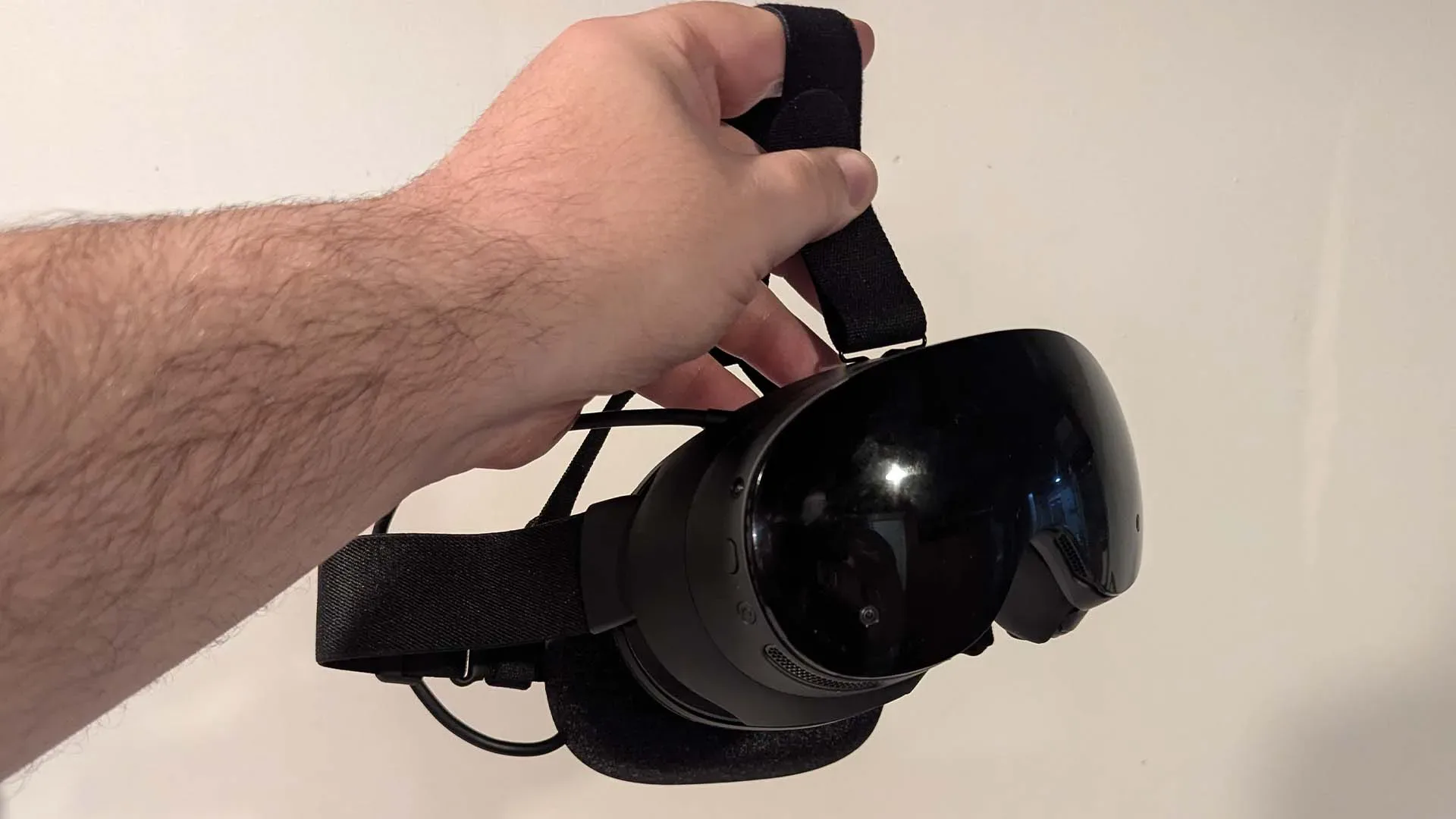
Valve’s Steam Frame arrives as a standalone virtual-reality headset with an unusually clear mission: put a Steam-centered VR experience directly on the player’s head, while still making PC VR feel wireless and painless. It is also positioned as the company’s successor to the Valve Index, a headset that has spent years as one of PC VR’s defining enthusiast options.
The catch is immediate and substantial. The Steam Frame starts at $1,060 for 256GB of storage, while a 1TB edition costs $1,300. An additional $60 Ergonomics Kit adds controller hand straps and a top strap for the headset. That places Valve’s new device far above a Meta Quest 3, which can be found at $600 or less, including officially refurbished units. For a category still looking for its next broadly irresistible software moment, it is a price that demands an exceptional, polished experience.
Early impressions suggest the Frame has flashes of exactly that greatness, especially when it streams games from a capable PC. But the standalone experience reportedly has too many rough edges at launch to make the buying case simple. The result is a fascinating piece of hardware with a rather narrow potential audience: players who specifically want Valve’s ecosystem, cable-free high-end PC VR, and are prepared to pay premium money while the platform’s software matures.
A lightweight headset that does not always feel luxurious
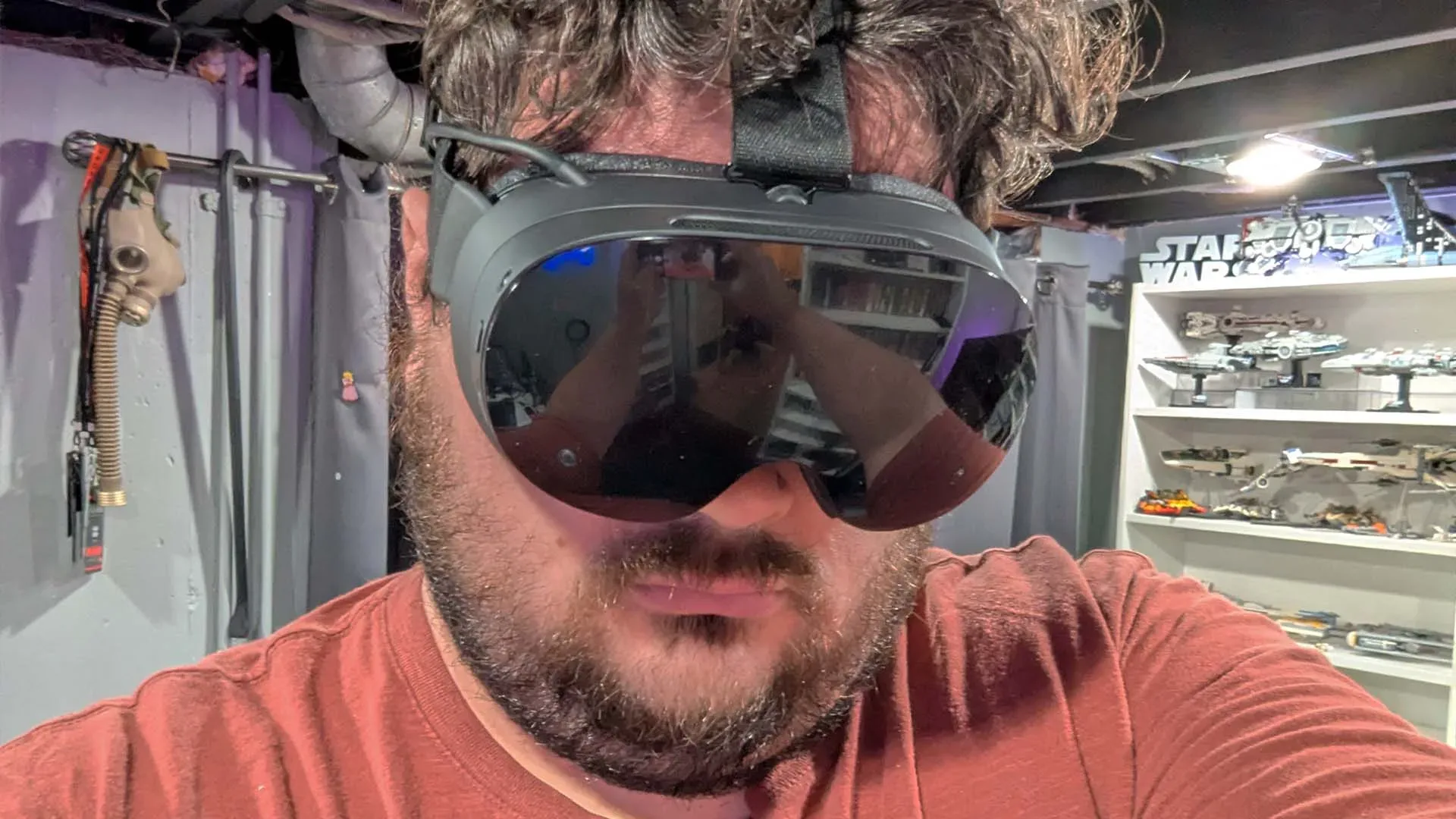
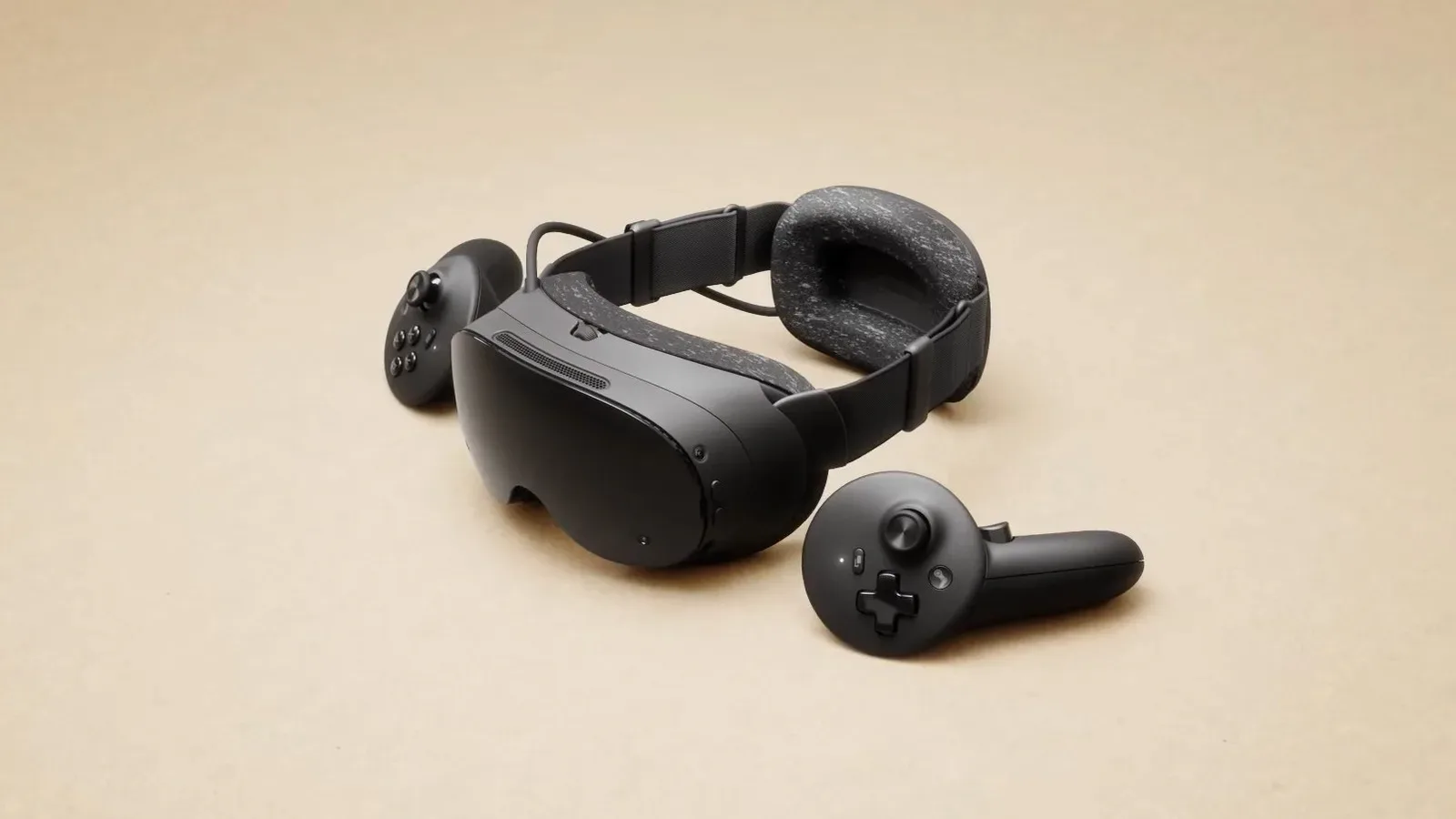
Valve has opted for a light construction: thick goggle-like hardware, fabric straps, and a rubberized rear battery pack that doubles as a cushion against the back of the head. Once worn, that low weight is said to pay off handsomely. Comfort appears to be one of the Steam Frame’s strongest traits, even without the optional top strap, while the display and lenses reportedly deliver unusually crisp menu text and a sharp overall image.
That is a meaningful strength in VR. A headset can have all the rendering tricks in the world, but poor weight balance and face pressure rapidly become the final boss of any extended session. The Frame’s comparatively light feel seems well suited to the medium’s basic physical demands.
In the hand, however, the premium impression appears less convincing. The glossy black exterior reportedly picks up fingerprints easily, while magnetic faceplate and cushion attachments can make creaking or clicking sounds when the unit is handled. The magnets are convenient for removing parts, but this kind of flex and noise can undermine confidence in a device priced as high as $1,300.
The controllers are another area where the old Index casts a long shadow. Valve’s new motion controllers use a familiar contemporary layout, resembling the general approach popularized by Quest hardware. They function normally, but they are described as less distinctive and less comfortable than the Index controllers. Without the hand straps included in the $60 kit, they must be held continuously as simple plastic wands. The accessory improves that arrangement, though some button placement and the grip trigger reportedly remain underwhelming.
That turns the Ergonomics Kit into a peculiar proposition. At this price level, purchasers may reasonably expect secure controller straps and a stronger head-support solution in the standard box rather than on an additional checkout screen.
Related coverage includes Steam Frame Review: Valve's Ambitious VR Headset Struggles to Justify Its Premium Price.
Steam Deck familiarity meets standalone growing pains
Steam Frame’s interface should be immediately recognizable to anyone who has used a Steam Deck or the modern Steam client on PC. Valve has effectively extended that ecosystem into VR, adapting its navigation and familiar conveniences—including community controller layouts—to a headset format. In principle, that is the device’s major differentiator. Rather than treating Steam as an external PC service to be coaxed into cooperating with a headset, the Frame is built around it.
Players can install VR games directly to the device and run them without a PC. It is a compelling promise, particularly for people who want access to Steam’s large VR library without a permanently tethered cable. Steam’s importance to PC gaming is difficult to overstate, as even recent discussion around competitors such as Battle.net’s selective game additions has underscored the difference between a curated launcher and a full Steam-style storefront.
Yet early use of Steam Frame’s standalone side has reportedly been inconsistent. Wi-Fi connection problems required several restarts in one account, and downloads later required disconnecting and reconnecting to the network on multiple occasions. Valve was issuing frequent updates during the evaluation period, and some parts of the operating system improved as those updates landed. Still, the Wi-Fi trouble apparently persisted even after a later update.
Other reported issues included momentary black screens in games installed directly on the headset, unreliable controller tracking, and performance hitches across both Steam Frame-verified and non-verified software. These are not minor blemishes for a premium standalone VR machine. Reliability is the entire bargain: users are paying to avoid the tinkering traditionally associated with PC VR.
Half-Life: Alyx proves the point—and exposes the compromise
Every Steam Frame includes Half-Life: Alyx, Valve’s landmark 2020 VR game. Native support is an impressive technical achievement. Valve has said that eye tracking and foveated rendering—techniques that concentrate rendering resources where the player is looking—were essential to making the game viable on the headset. Its 16GB of VRAM was also important because it avoided the need to replace or downgrade the game’s assets.
There is a difference, though, between making a game run and offering its best version. Reports indicate that achieving a steadier frame rate in native Alyx required reducing graphical settings to Low, with hitching and freezes still occurring in heavier action or during explosions. That may be acceptable for newcomers who have never experienced the game on a powerful PC, but it makes the standalone Frame a compromised way to play one of VR’s defining titles.
Other games produced a mixed picture. The Walking Dead: Saints & Sinners reportedly failed to get beyond a reset-position prompt despite restarts and attempts to use community control schemes. Beat Saber, the 2018 rhythm-game fixture that remains one of VR’s most widely recognized experiences, initially froze and could crash the headset before later updates and reduced visual settings improved matters.
Conversely, Half-Life 2 VR, the fan-made virtual-reality adaptation of Valve’s classic shooter, reportedly ran very well. Arizona Sunshine Remake also performed without trouble. Less demanding visuals may partly explain the former result, but the pattern remains telling: software compatibility and tuning will be central to the Frame’s reputation.
The wireless streaming feature may be the real headline
Steam Frame’s most persuasive feature is not necessarily its standalone power. It is Valve’s wireless PC streaming setup. The headset uses an included wireless puck connected to the PC alongside a home Wi-Fi network, aiming to transmit PC-installed VR games to the headset without a physical cable.
In early reporting, that setup performed exceptionally well: no obvious lag, distracting compression artifacts, or instability were observed while streaming, and the connection was said to be seamless enough that the absence of a cable quickly faded from notice. For PC VR users, that is a major deal. A dangling tether has long been the tax paid for high-end visuals and access to demanding software. Reliable wireless delivery removes one of VR’s most persistent physical annoyances without forcing a player to settle for standalone visual settings.
Streaming also reportedly extends battery life beyond the roughly 60 to 90 minutes seen when games run natively on the headset. Exact endurance varied by title, with demanding games such as Half-Life: Alyx consuming power more quickly and Beat Saber proving less demanding. Even with streaming, charging breaks remain inevitable. An hour to an hour and a half is workable for a casual session, but it is hardly generous for a flagship headset that costs more than $1,000.
A difficult recommendation in a stalled VR moment
The Frame’s dilemma is not simply that it has bugs. Launch software can improve, and Valve’s update activity suggests it is already working through problems. It is that the headset must answer two separate questions: why this device, and why now?
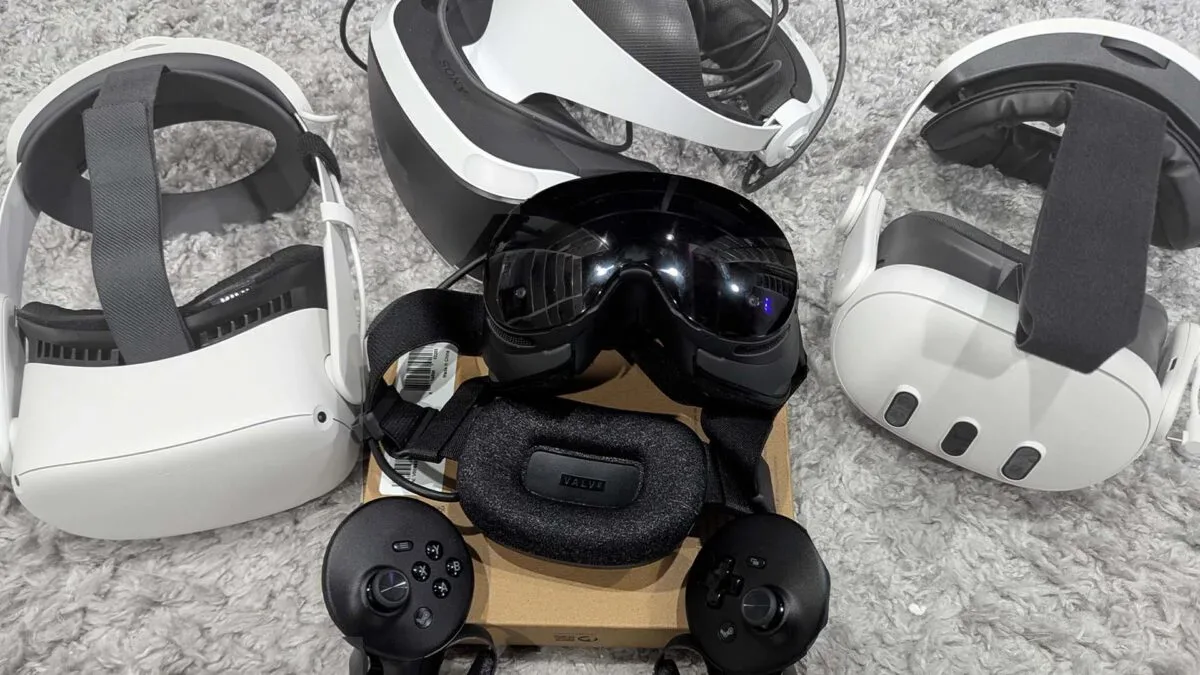
For VR newcomers, the price alone is an enormous barrier. A Quest 3 provides a more affordable and reportedly sturdier entry point, with performance and features close enough that many new users may not feel deprived. An older Quest 2 costs less still, though it is substantially less capable.
Existing VR enthusiasts have a different calculation. Quest 3 and Pimax owners who already have effective PC streaming arrangements or established libraries may find little reason to spend $1,060 to $1,300. Those who only want wired PC VR have less expensive options, too. The Frame’s most credible niche is the player who values a standalone Steam device specifically and wants the unusually strong wireless PC streaming system.
That niche may be real, but it is small. VR’s biggest reference points are still often Beat Saber and Half-Life: Alyx, despite their 2018 and 2020 release dates. New VR games continue to appear, but the market has struggled to escape cycles of gallery shooters, puzzle titles and physics-driven experiments. Valve’s headset offers an elegant path into Steam VR and what may be outstanding wireless PC performance. Its pricing, battery life, controller compromises and reported standalone instability make that path feel much harder to recommend than it should.