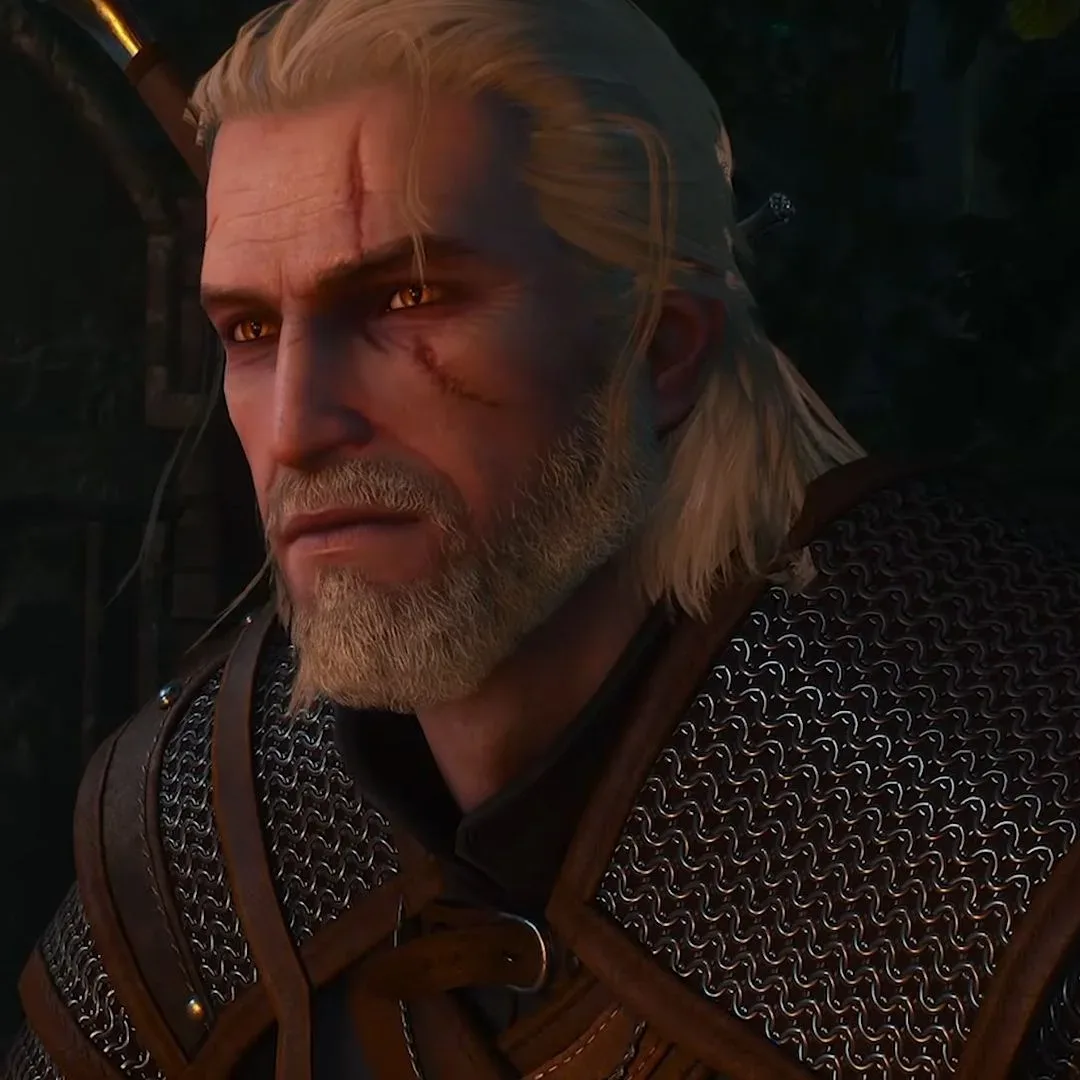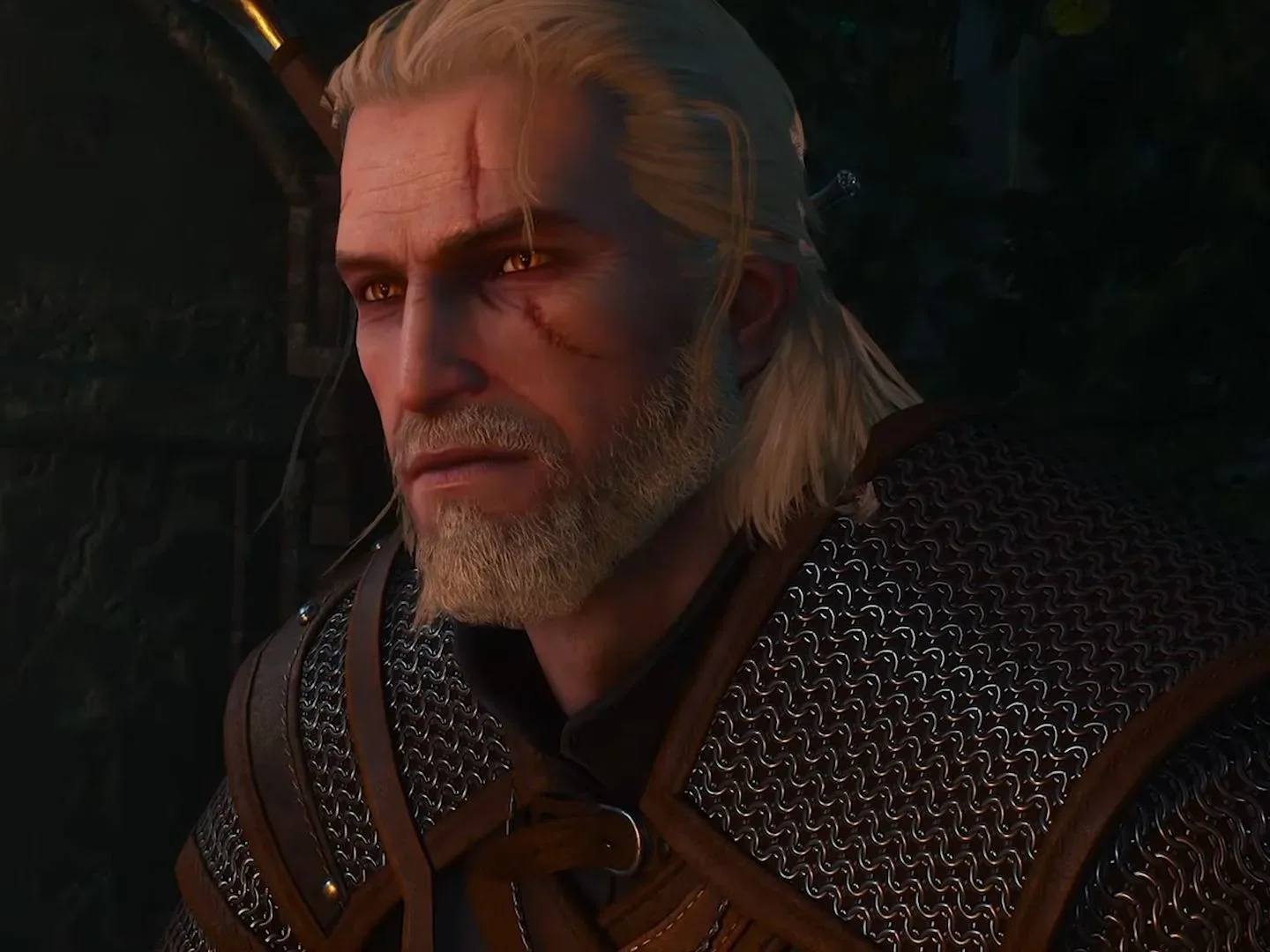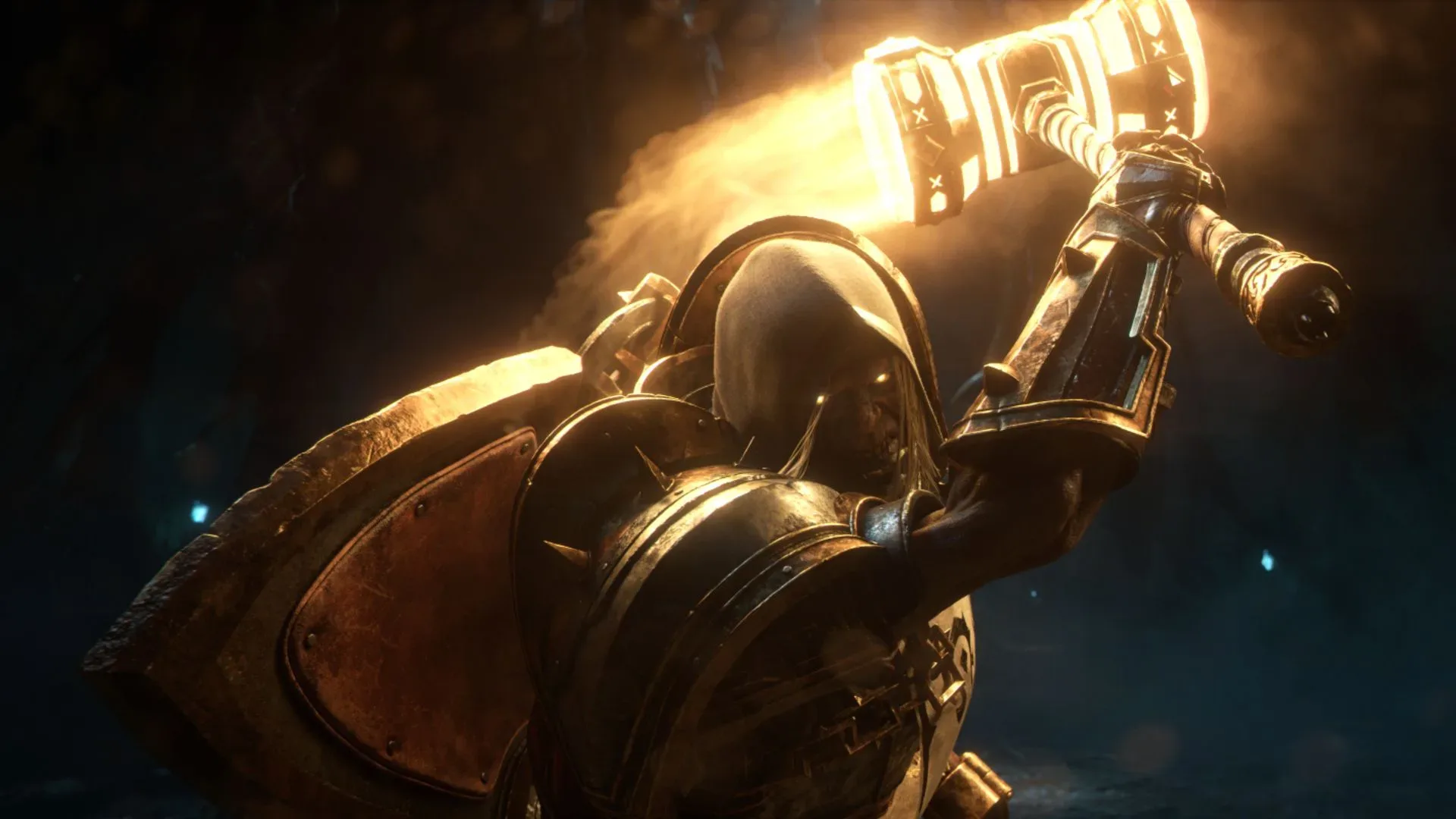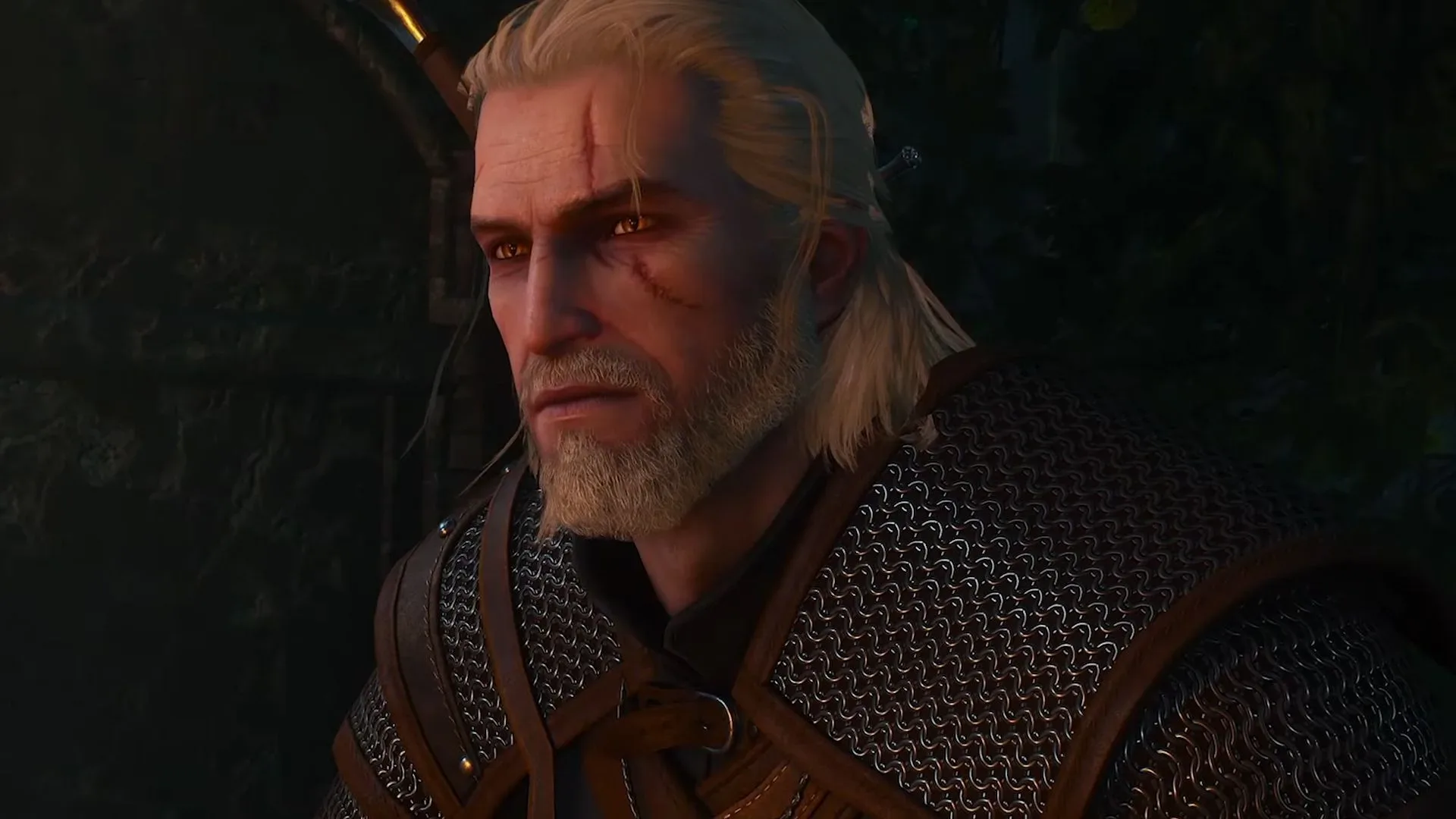
Battle.net is preparing to welcome two of CD Projekt Red’s biggest role-playing games: Cyberpunk 2077 and The Witcher 3 Remastered. The news is notable not simply because both are enormous, long-form RPGs, but because neither was made under the Blizzard, Activision, Xbox, or Bethesda umbrella. On the surface, that can look like the beginning of a much broader third-party storefront plan.
Blizzard, however, is drawing a fairly firm line around that interpretation. During BlizzCon 2026, Andrew Guerrero, Blizzard’s vice president of product management and global insight, described the additions as part of a selective approach rather than a bid to turn Battle.net into a direct all-purpose rival to Steam or the Epic Games Store.
“We’re obviously not out there trying to do the Steam or Epic Game Store thing,” Guerrero said. “We have our audience.”
That distinction matters. A storefront built around every conceivable PC release is a vastly different undertaking from a launcher that occasionally adds carefully chosen games for an existing community. The former needs a large submission pipeline, expansive discovery tools, broad regional support, ongoing moderation, publisher onboarding, customer-service infrastructure, and a constant flow of releases across every imaginable genre and budget. The latter can stay focused on a comparatively narrow question: will this particular game make sense to people already spending time in Blizzard’s ecosystem?
For Cyberpunk 2077 and The Witcher 3 Remastered, the answer is easy to see. Both are premium, single-player RPG experiences with gigantic worlds, dense quest lines, memorable characters, and enough optional activity to absorb players for dozens or even hundreds of hours. They are not mechanically identical to Blizzard games, of course, but their scale, polish, and ability to become a player’s main game for weeks align with an audience accustomed to major PC releases and durable game worlds.
A focused catalogue instead of an open floodgate
Battle.net has increasingly housed games beyond Blizzard’s historic core, particularly after Microsoft’s acquisition of Activision Blizzard. Activision series such as Call of Duty and Crash Bandicoot have obvious corporate ties, while Bethesda-connected games make sense within the same larger organization. The addition of CD Projekt Red titles is different because it reaches outward to another publisher.
Even so, Guerrero’s comments suggest Blizzard is not treating outside publishing relationships as a blank cheque to stock the launcher with everything it can license. The operative word is curation. Blizzard’s thinking appears to be centered on quality, audience fit, and whether a game can receive useful exposure through Battle.net—not on building an endlessly expanding catalogue for its own sake.
“What do we think our players would absolutely love?” Guerrero said, framing the selection process around “top-tier quality experiences” and whether a title makes sense for the platform.
Related coverage includes Blizzard Says Battle.net Additions Are a Curated Strategy, Not a Steam-Style Store Expansion.
That philosophy also explains why other high-profile games can feel plausible on Battle.net without implying that smaller releases, experimental projects, and the usual mountain of PC software are about to arrive. Doom: The Dark Ages, The Outer Worlds 2, and Destiny 2 all occupy familiar territory in the modern blockbuster PC space: established names, substantial production values, and player communities that overlap at least partly with the Battle.net crowd.
It is a more intentional model than the digital equivalent of tossing every game into a shopping cart and hoping the algorithm sorts it out later. There is an advantage to that restraint. A smaller catalogue can make a launcher easier to understand: players know why a title is there, and its presence can carry a little more weight than it would in a store receiving hundreds of games in a week.
Why Battle.net is unlikely to become an indie bazaar overnight
The prospect of another major PC storefront is naturally appealing in the abstract. More sales channels can give publishers choices, potentially improve visibility, and reduce dependence on a single dominant marketplace. But becoming a general PC store is not merely a matter of putting an extra tab in a launcher and adding a search bar with suspiciously tiny filters.
Open storefronts have to solve difficult, continuous problems. They must establish policies for submissions and prohibited material, enforce those policies at scale, handle fraud and payment issues, provide localization and regional pricing, review user-generated material where applicable, support developers with updates and backend systems, and create discoverability systems that do not bury new games under the weight of everything already released. Then comes the challenge of persuading both publishers and players to make the platform a habitual place to buy games.
Steam’s reach and Epic Games Store’s investment have made the PC distribution field particularly hard to enter at full scale. Battle.net already has recognition and a dedicated user base, but its greatest strength may be its existing identity rather than its capacity to imitate every feature of larger competitors. A deliberately managed selection lets Blizzard use that identity without taking on the sprawling obligations of a fully open marketplace.
That does not make the CD Projekt Red arrivals insignificant. They show that Battle.net can be a destination for games that are not directly attached to Blizzard’s own studios. More importantly, they suggest that external partnerships can be evaluated title by title. The platform’s boundary is not “Blizzard-made only”; it is closer to “games Blizzard believes belong in front of its audience.”
What the CD Projekt Red partnership may mean
It would be reasonable to watch future CD Projekt Red releases with extra interest, but it would be premature to treat any unannounced port or storefront listing as guaranteed. The presence of Cyberpunk 2077 and The Witcher 3 Remastered makes another major game from the studio a logical candidate for consideration, not a confirmed commitment.
That nuance is important in a business where distribution deals can vary game by game, region by region, and over time. A relationship represented by two titles does not automatically establish permanent storefront exclusivity, a publisher-wide agreement, or a promise that every future sequel will arrive in the same place. Battle.net’s stated emphasis on individual fit actually argues against assuming a rigid formula.
For players, the immediate takeaway is simpler: two landmark RPGs will be available through Battle.net, and their arrival broadens the launcher’s appeal without changing its purpose. Anyone who already uses Battle.net for Blizzard games may value having more of their library under one roof. Others may simply see another purchasing or launching option for games they already know well.
The choice of these particular games is also a tidy reminder that platform audiences are not sealed compartments. People who play World of Warcraft, Diablo, Overwatch, or StarCraft can also be the people who disappear into Night City or spend a weekend deciding which Witcher side quest somehow became a second job. Blizzard is betting on that overlap, rather than betting that it can win a battle to sell every game to every PC player.
That audience-first approach appears consistent with Blizzard’s wider effort to keep major franchises active over long stretches. Its thinking around long-lived games has already been visible in discussions of World of Warcraft’s future; Blizzard’s “forever” strategy for World of Warcraft illustrates how central sustained communities remain to the company’s planning. Adding selected outside games to Battle.net can complement that ecosystem without transforming the service into an unbounded catalogue.
A meaningful expansion with clear limits
Cyberpunk 2077 and The Witcher 3 Remastered are major additions, and they give Battle.net a little more range than its traditional reputation might suggest. Yet the message from Blizzard is not that the launcher is entering an arms race for every publisher’s catalogue. It is that a handful of high-profile games can be useful additions when they match the tastes and expectations of a well-defined player base.
So the sensible expectation is measured growth, not a sudden avalanche of indie releases or a wholesale Steam clone. Battle.net may continue to add prominent games that fit its audience and business goals. But for now, it is presenting itself as a curated destination: one built around a passionate established community, with room for carefully selected guests rather than an unlocked door for the entire PC gaming universe.