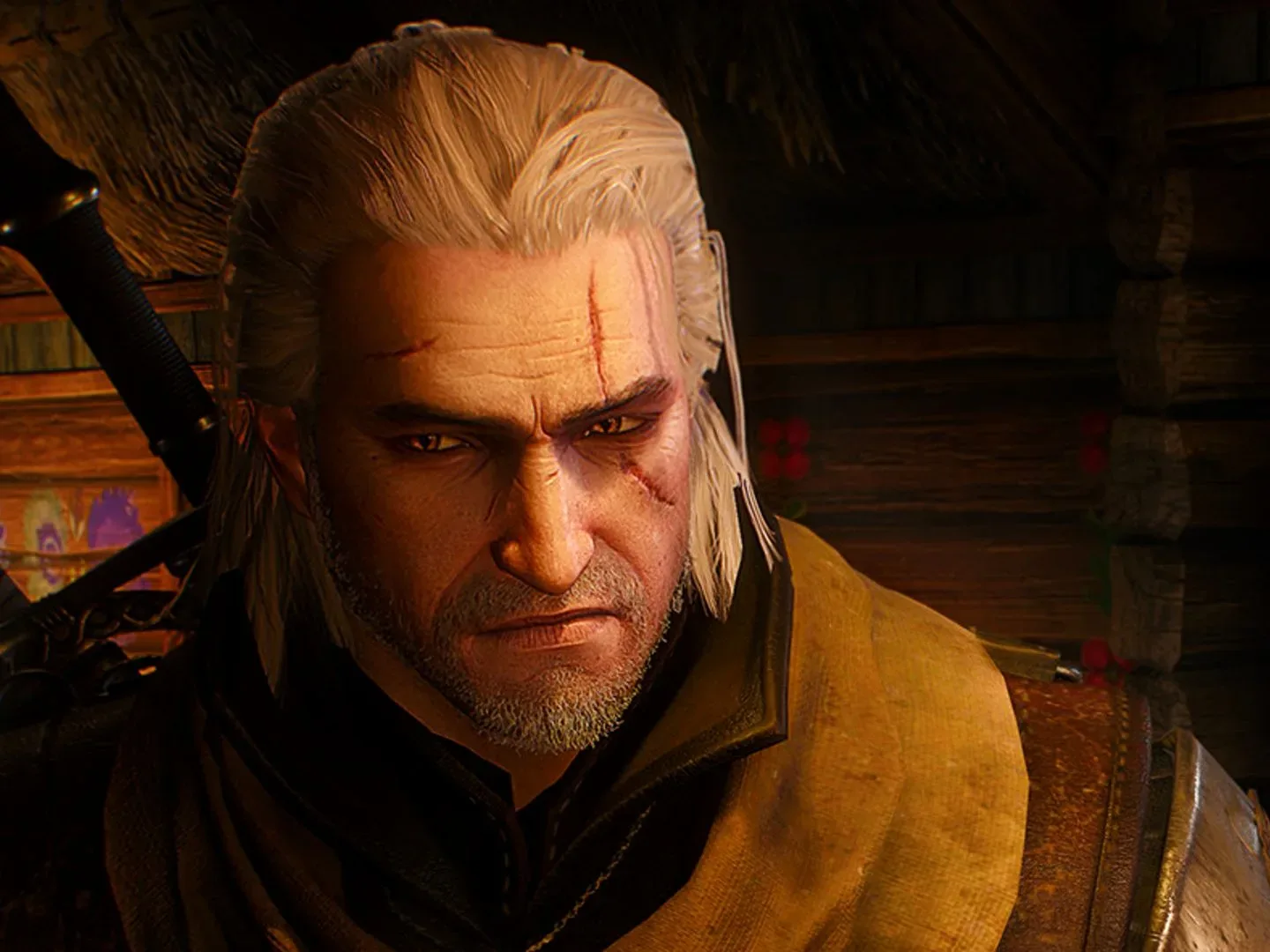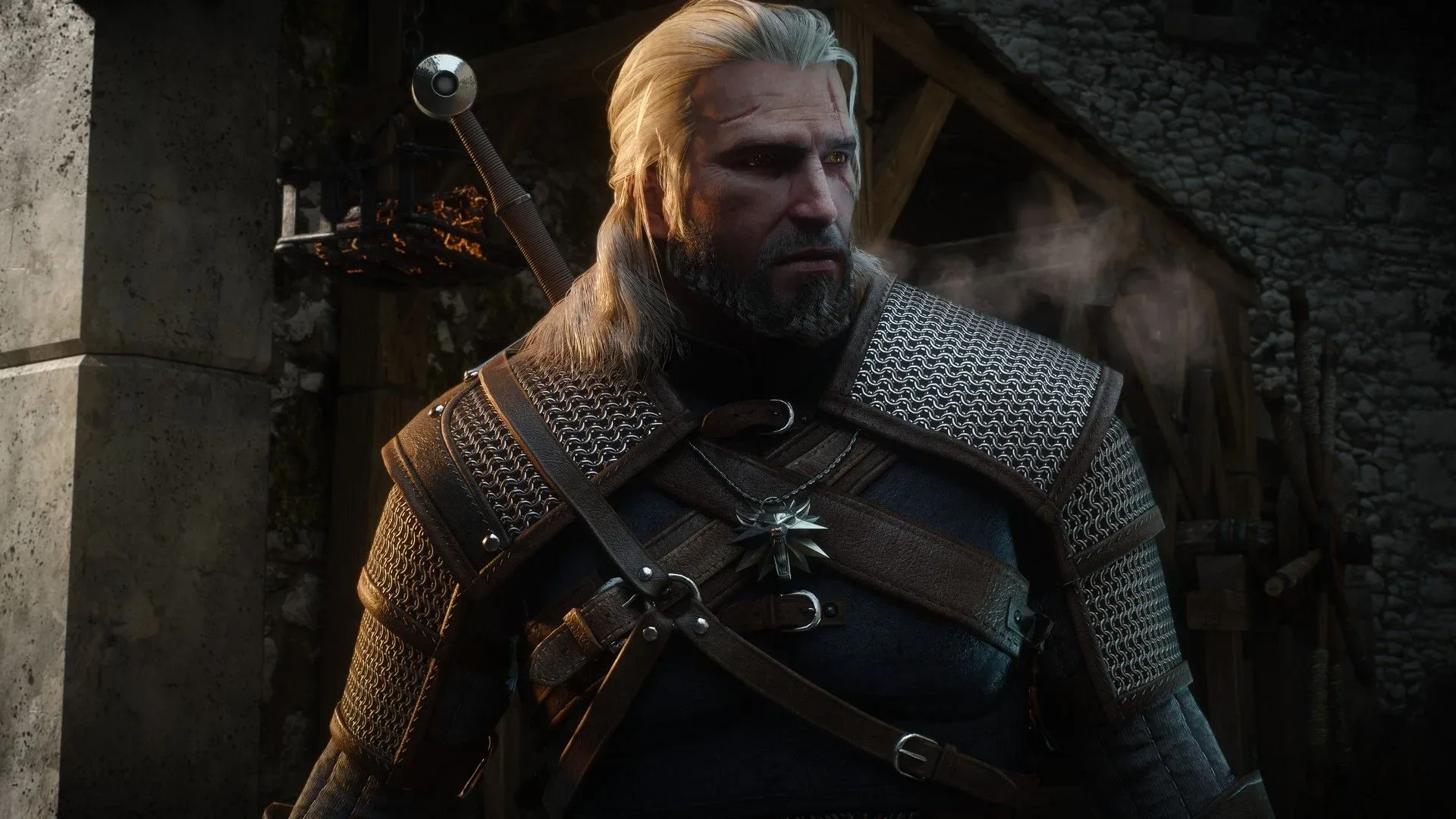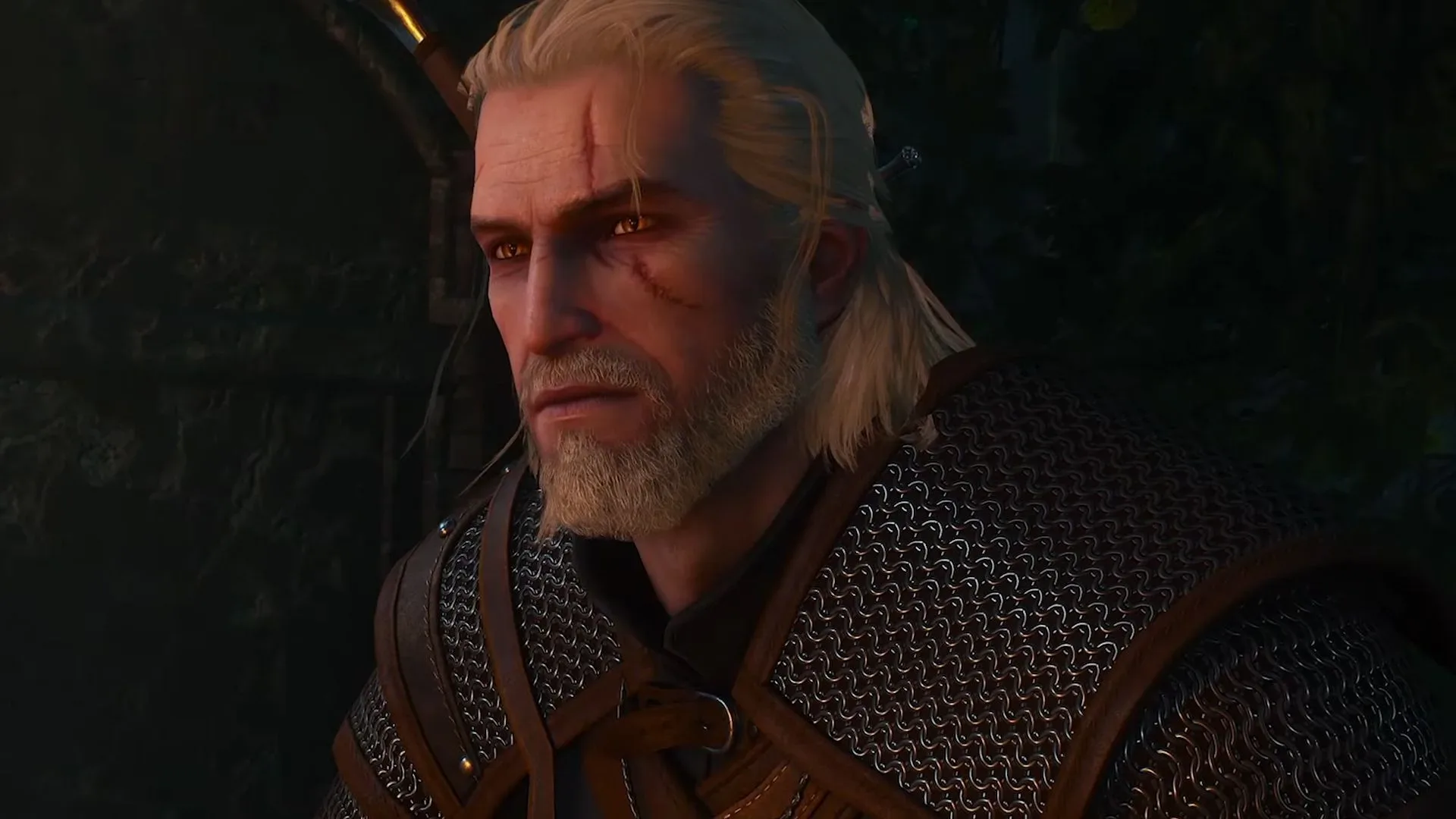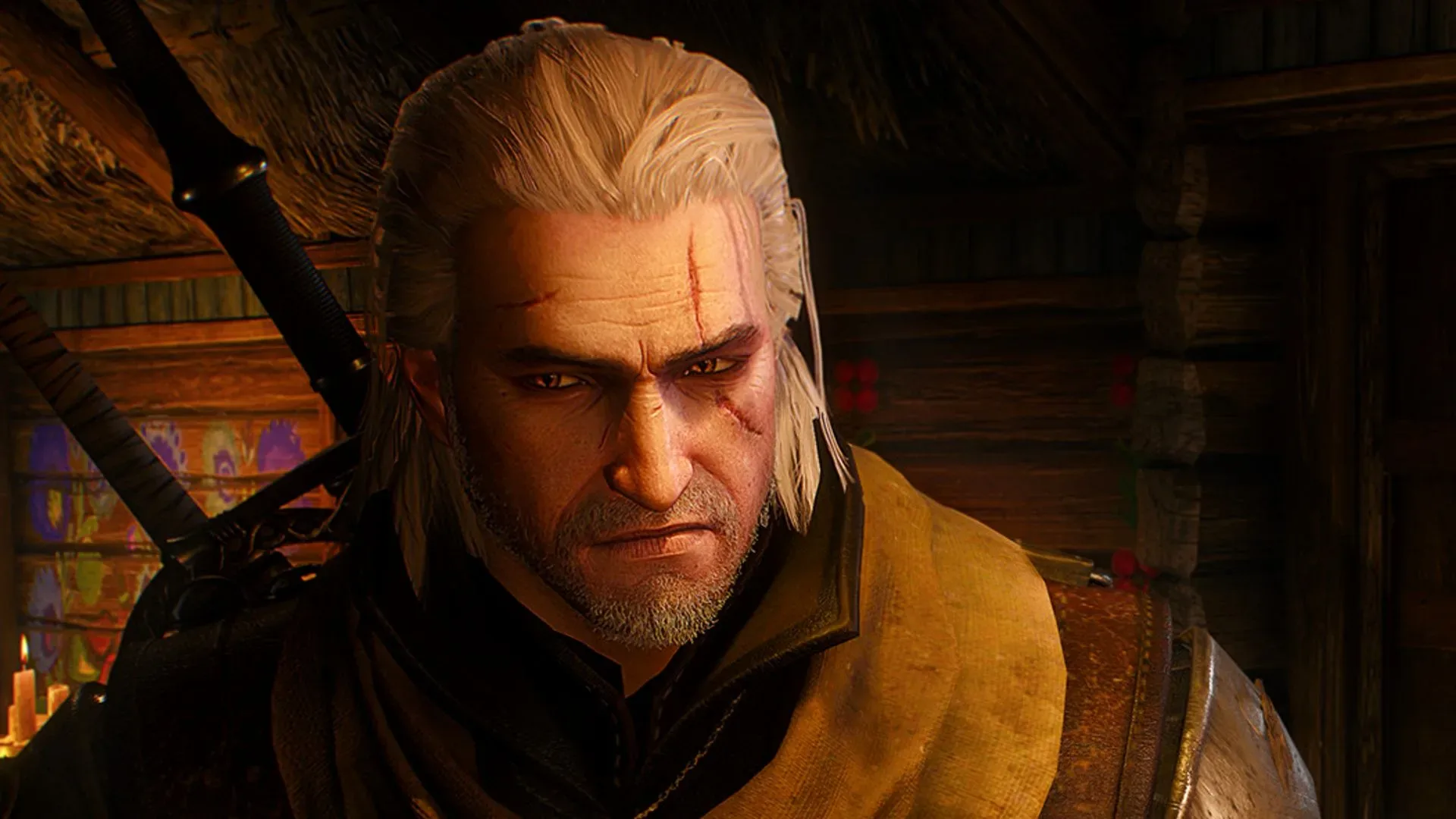
Battle.net appears set to carry more games beyond Blizzard’s own catalogue, but Xbox leadership is drawing a very deliberate line around what that growth is supposed to mean. The arrival of The Witcher 3 through a partnership with CD Projekt Red is not, executives say, the opening move in an attempt to turn Battle.net into a lookalike of Steam or the Epic Games Store.
Asha Sharma, Xbox CEO and executive vice president, has said Battle.net will grow while stressing that it will not become Steam. The language matters because a single high-profile third-party game can invite a big assumption: that a platform is about to shift from a specialized launcher and store into a vast, broadly stocked PC marketplace. The stated plan points somewhere narrower. Battle.net may add partner games, but selection is intended to be based on whether a title suits the people already using the service.
That direction matches comments made previously by Andrew Guerrero, Blizzard’s vice president of product management and global insight. He described Battle.net’s audience as a committed core that plays Blizzard titles and games with a similar fit, rather than an audience requiring the storefront to carry every major release. In Sharma’s phrasing, the company intends to do the expansion “the right way” for those communities.
The Witcher 3 is a signal, not a blank cheque
The Witcher 3 is a consequential addition precisely because it is not a Blizzard game. It is also not an Xbox Game Studios title. Its presence shows Battle.net can serve as a destination for selected outside publishing partners, and Sharma indicated that the relationship with CD Projekt Red could grow. But neither executive’s comments describe an unrestricted submission model or promise a rapid flood of external releases.
That distinction separates a curated storefront from an open, all-purpose PC store. Curation means the platform operator actively decides which products belong in the catalogue based on a particular strategy or audience. It does not inherently say anything about a game’s quality; it says the store has a defined identity and is not trying to be the default shelf for everything on PC.
Steam is the obvious comparison because it is commonly understood as a broad PC game marketplace, while Battle.net has historically been centered on Blizzard’s own ecosystem. The practical question for Battle.net, then, is not whether it can list a famous game. It plainly can. The harder question is whether each addition feels coherent to players who primarily arrive for games such as World of Warcraft and Diablo 4.
For that audience, a selective approach could make the store easier to understand. A player opening Battle.net may reasonably expect a compact catalogue built around Blizzard, the wider Xbox organization, and a small number of partner releases chosen because they overlap with those interests. That is a markedly different proposition from asking customers to treat Battle.net as their complete PC library.
Battle.net already has partner games, but its identity remains specific
Battle.net is not exclusively a Blizzard catalogue today. It includes Call of Duty entries, as well as Xbox Game Studios games including Avowed and Sea of Thieves. Those releases establish that the storefront can accommodate brands with different studios, genres, and communities. Yet the available lineup remains comparatively particular: its core identity is still tied to Blizzard’s games.
Related coverage includes Xbox CEO Says Battle.net Will Expand Carefully, Not Become Another Steam.
That matters when interpreting the move to bring in CD Projekt Red. The partnership does not erase Battle.net’s existing role; it extends it. The storefront can add a major role-playing game without suggesting that every publisher, genre, or release will necessarily have a place there.
Sharma also said Battle.net is retaining nearly as many users as Steam. The wording should be treated carefully. It is a comparison about retention, not a disclosed claim that Battle.net has Steam’s total user base, catalogue scale, sales volume, or feature set. Retention generally refers to the ability of a service to keep people returning or remaining active over time. It can be valuable evidence that a platform has a durable audience, but it does not answer every question about overall reach.
Still, the strategic implication is clear. If Battle.net already has a deeply engaged base, the company does not necessarily need to imitate the biggest PC store in order to grow. It can instead try to make each additional release more meaningful to the players it has, and give partners access to that established community.
Why a narrower PC-store strategy could make sense
A focused library gives Battle.net a clearer job. For Blizzard players, it remains the familiar place for the company’s own games. For Xbox and selected publishing partners, it can act as another route to an audience that is already accustomed to using Blizzard’s platform. The strategy is less about replacing every launcher on a PC and more about making Battle.net more useful without making it unrecognizable.
There are trade-offs. A highly selective store has fewer opportunities to capture purchases from players whose tastes sit outside its chosen lane. It also places more pressure on each partner title to make sense alongside the rest of the catalogue. But it may avoid the opposite problem: expanding so broadly that customers cannot identify what distinguishes Battle.net from larger rivals.
For publishers, a curated placement can carry a different value proposition from simply being one listing among an enormous number of releases. A title such as The Witcher 3 enters a storefront with an existing audience that has demonstrated interest in long-running, service-driven and often highly social PC games. That does not guarantee an outcome for the game, and no sales or player-performance data has been provided. It does, however, explain why audience fit is being presented as the central test.
What players should and should not read into this
- Players should expect: more growth beyond Blizzard’s first-party lineup, including further work with CD Projekt Red if the partnership develops as indicated.
- Players should not assume: that Battle.net is opening itself to every publisher or building a direct one-for-one replacement for Steam.
- The key filter appears to be: whether a game makes sense for Battle.net’s established community, rather than whether it is merely prominent.
- The unanswerable part for now: which games will meet that test, how quickly new partnerships will arrive, and what the finished scope of the catalogue will be.
A broader Xbox PC question sits behind the storefront decision
The Battle.net discussion also fits into a wider Xbox conversation about where and how people play. Xbox has its own PC presence, while Blizzard’s platform remains a recognizable home for a large set of long-running PC communities. Maintaining a distinct purpose for Battle.net could be more useful than attempting to flatten every Xbox-related PC game into a single identical storefront proposition.
That does not mean the platforms cannot overlap. Battle.net already carries Xbox-associated releases. Rather, it suggests a portfolio approach in which each PC destination can have its own audience expectations and commercial role. The relevant question is whether players see a benefit from that choice: a worthwhile library, convenient access to the games they want, and a clear reason a particular release is available there.
The company’s broader PC priorities are also worth watching alongside this storefront approach. Microsoft’s Windows and Surface event plans point to another area where the company’s software, hardware, and PC ambitions can intersect, even though no direct Battle.net product connection has been established.
For now, Battle.net’s prospective expansion is best understood as controlled enlargement rather than a wholesale reinvention. The Witcher 3 demonstrates that the storefront can reach outside its traditional walls. Sharma and Guerrero’s comments set the boundary: outside games are welcome when they suit the community, but the objective is not to become the next everything-store on PC.
Whether that careful balance succeeds will depend on the partner games that follow and on whether existing Battle.net users welcome them as additions rather than distractions. The company has outlined the philosophy, but it has not provided a release roadmap or a comprehensive list of future partners. Until it does, the most concrete takeaway is simple: Battle.net is growing, though it intends to grow on its own terms.