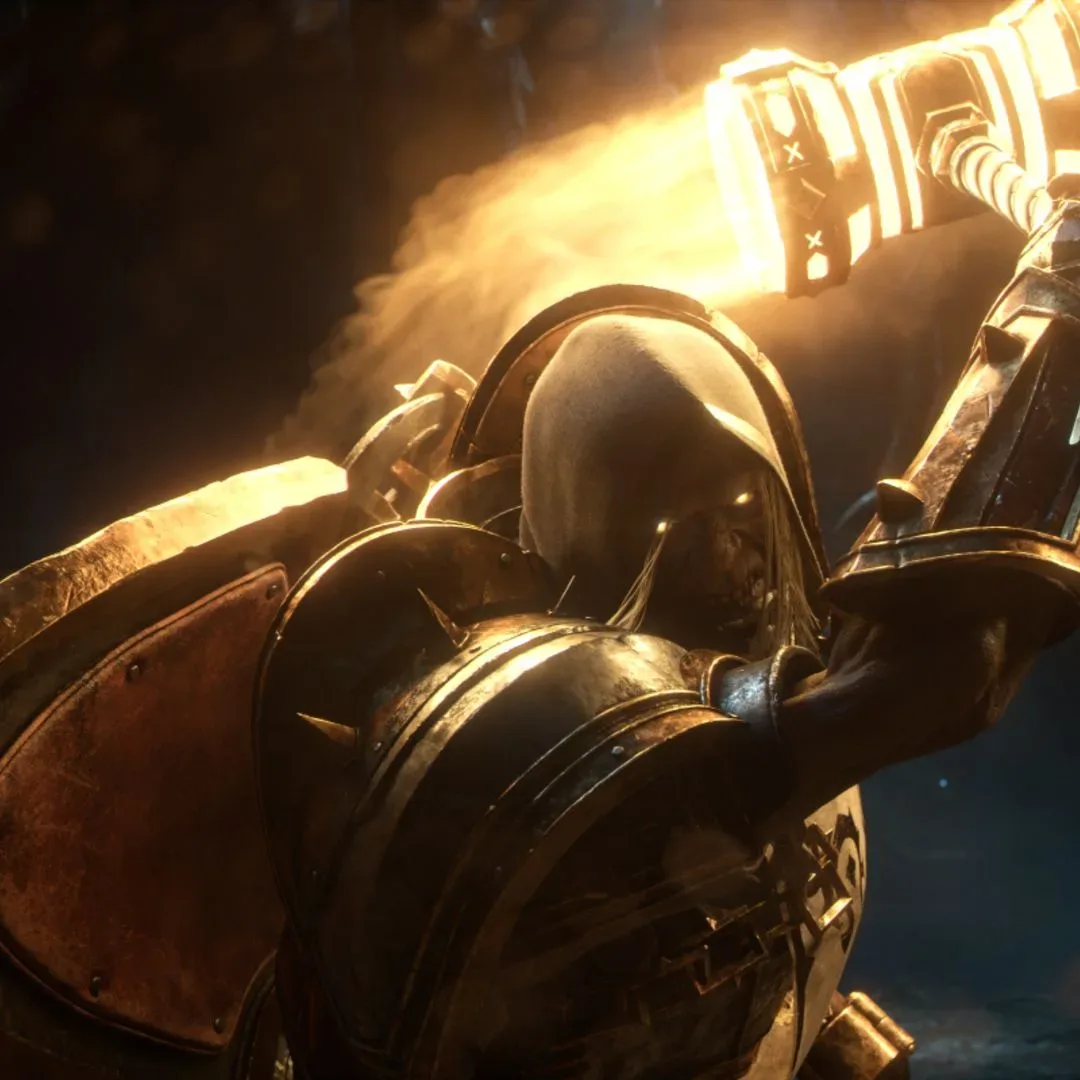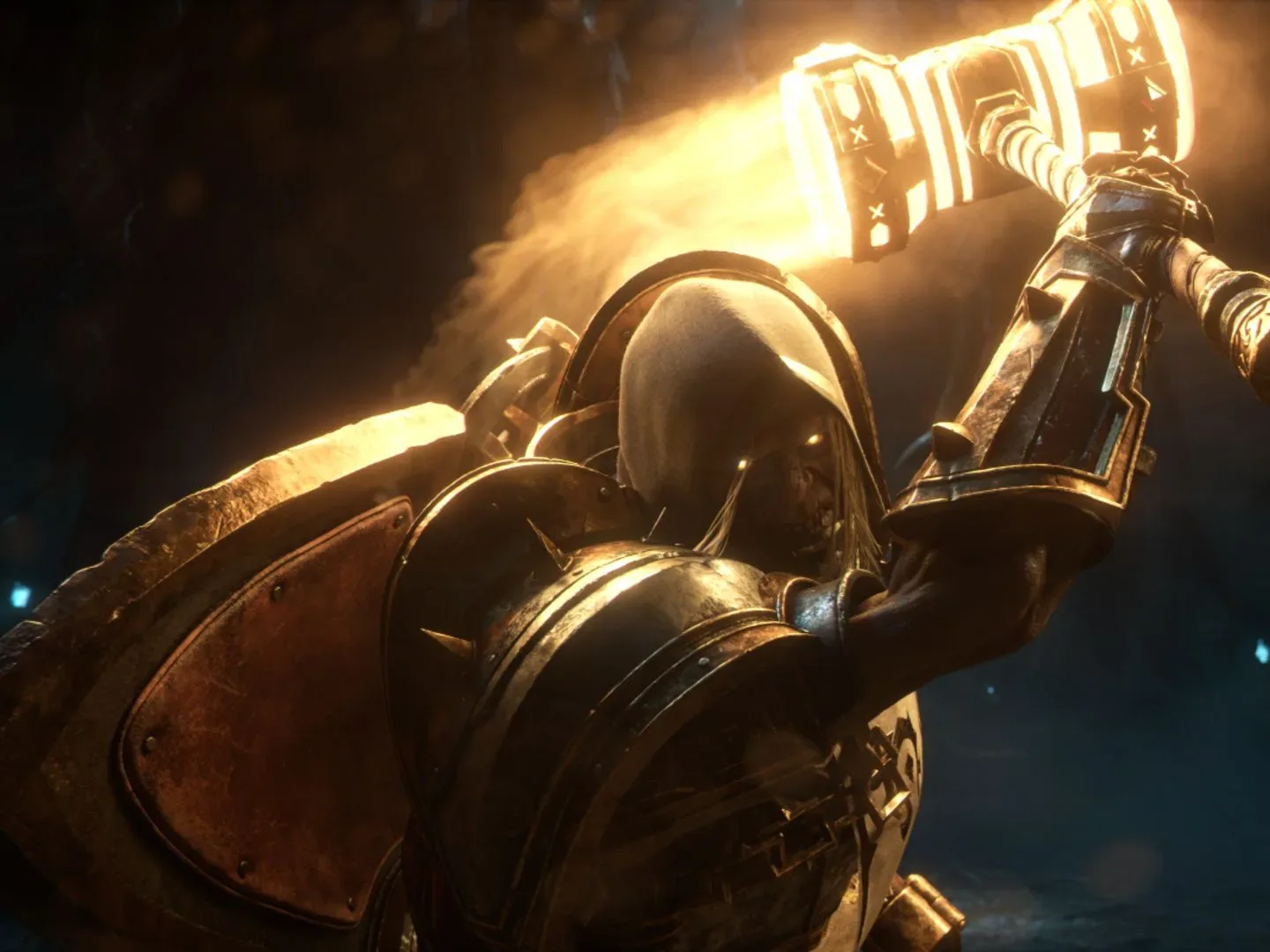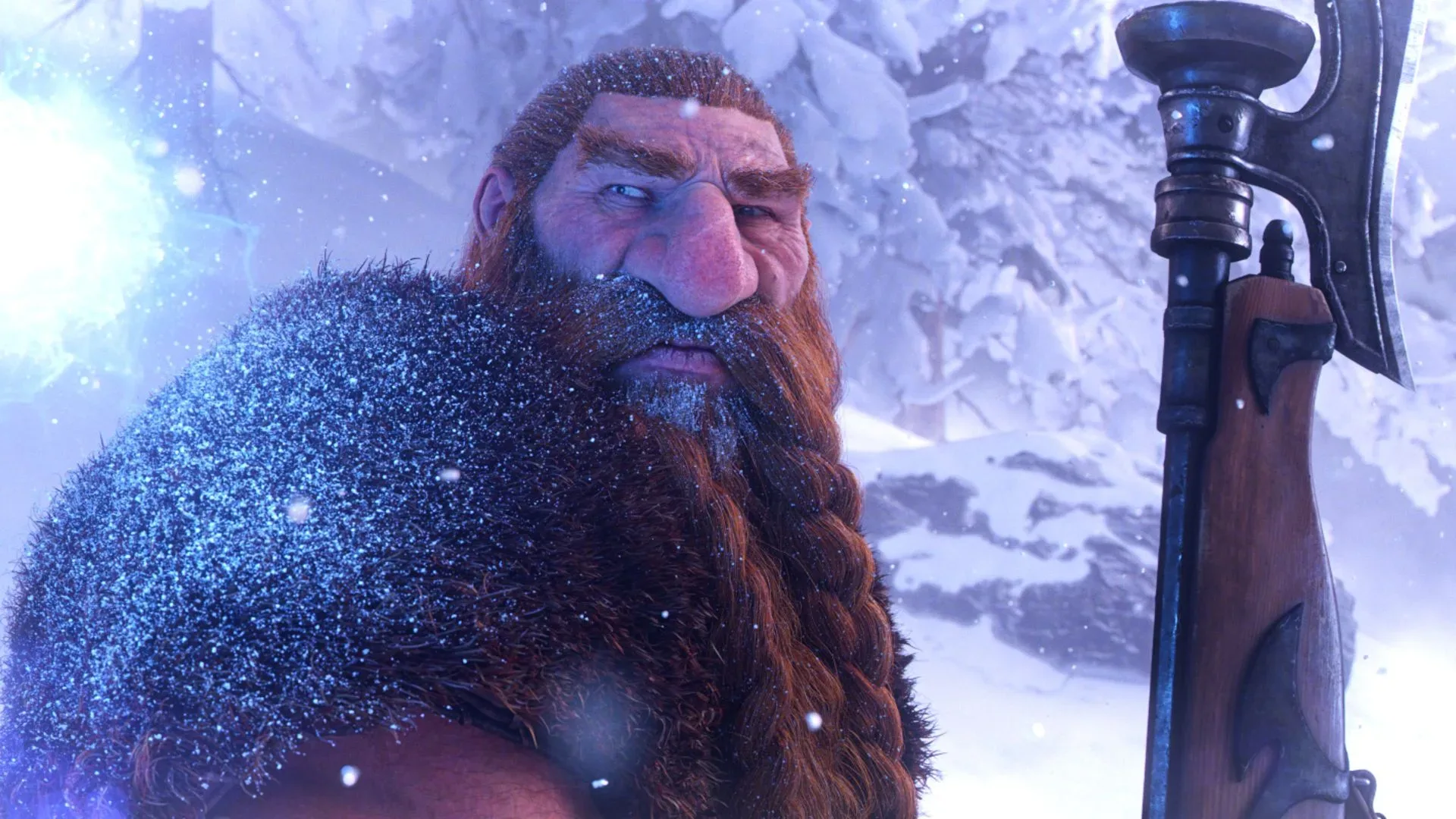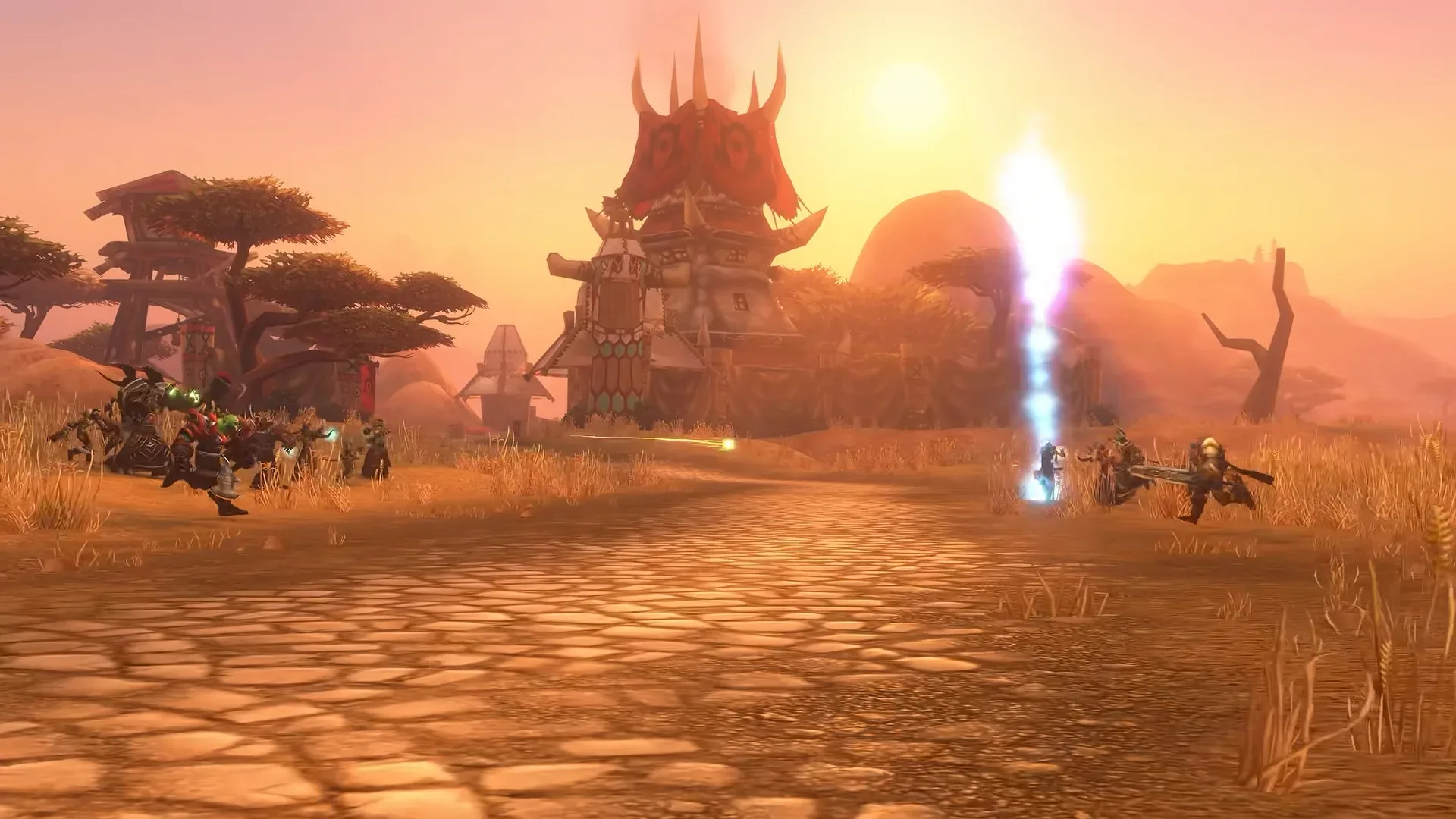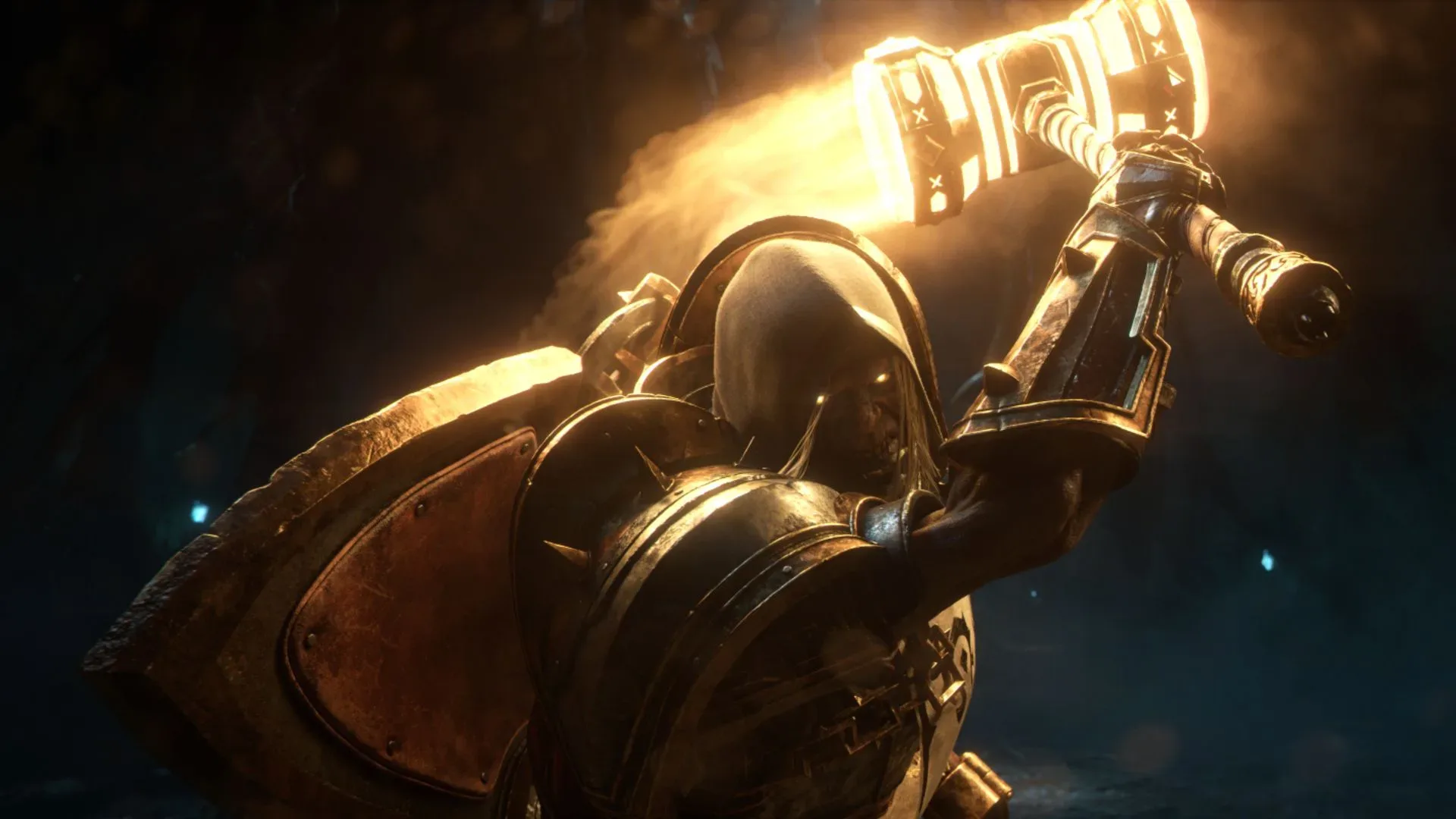
The conversation around a hypothetical World of Warcraft 2 has returned with predictable force, but Blizzard’s stated direction points somewhere else. Following the BlizzCon 2026 reveal of World of Warcraft: Forever, principal designer Kris Zierhut has laid out the central reason a numbered sequel is hard to make a case for: the existing MMORPG has spent roughly a quarter-century accumulating technical improvements, game systems and story history that a replacement would have to abandon—or painstakingly rebuild.
That does not amount to a formal declaration that a sequel can never exist. It does, however, make the company’s current priorities clear. Rather than splitting attention between an aging original and a newly launched successor, Blizzard sees value in continuing to develop the same fundamental game and using Forever to revisit its earliest era through a different lens.
For fans who have hoped for an official answer to the long-running desire for “Classic+”—a version of early World of Warcraft that does more than simply replay history—Forever is therefore the more meaningful development. Its planned November release makes it the closest announced project to that concept, while also suggesting Blizzard believes Azeroth has plenty of room left to evolve without being renamed and restarted.
A sequel would mean leaving decades of work behind
Zierhut’s reasoning begins with the less glamorous but crucial side of an MMO: its technology. World of Warcraft has not remained frozen in the state it occupied at launch. Over the years, its visuals, lighting and rendering have been upgraded, while the engine and server architecture have also been continually refined. That includes the work required to display the world efficiently, support large populations of players, and keep movement, spells and combat operating at scale.
Those are not small background details that can be swapped out without consequence. An online world of this size depends on countless interconnected systems, from character data and encounter behavior to social features, itemization and network performance. A sequel marketed as a clean break might be exciting on a trailer card, but it would immediately face an awkward question: why discard a live foundation that has repeatedly been improved for the exact kind of game Blizzard still wants to make?
That question becomes even sharper when a prospective sequel’s usual selling points are compared with the ongoing game. Better graphics? The current game can receive visual improvements. A more modern engine? The existing technology continues to be optimized. New zones, stories, classes, progression systems and endgame activities? Those are the kinds of additions an MMO is built to absorb over time. A numeral on the logo does not automatically create a benefit that updates and expansions cannot deliver.
There is an important caveat, of course. Sometimes a successor exists because a studio wants to pursue a fundamentally different design philosophy, a different combat model, or technical ambitions that cannot reasonably fit inside the existing framework. Nothing described about Forever indicates that Blizzard is taking that route. The emphasis instead is on retaining the advantages of World of Warcraft’s mature infrastructure while returning to an earlier point in its setting and finding fresh paths through it.
Forever is a return, not merely a rewind
World of Warcraft: Forever matters because it frames looking back as an active design opportunity rather than a museum exhibit. Classic versions can preserve a particular period of an MMO, but the appeal of a Classic+ approach has always been the possibility of surprise: familiar places, recognizable conflicts and an older style of progression paired with new developments that players did not encounter in the original timeline.
Related coverage includes Blizzard Sees World of Warcraft: Forever, Not WoW 2, as the MMO's Next Evolution.
Blizzard’s position is that the underlying story is not something in need of replacement. Azeroth’s lore has accumulated for decades, and Forever is intended to offer a way to explore its beginnings in new and different ways. That makes the project potentially useful to two distinct audiences. Veterans can return to formative locations and concepts without knowing every beat in advance, while newcomers can enter through a version of the world whose early identity is especially clear.
The distinction is vital. A World of Warcraft 2 would probably be asked to bring in newcomers with the promise of a fresh starting point. Forever may be able to provide some of that accessibility and novelty while retaining the continuity, community knowledge and recognizable identity attached to World of Warcraft. It is not necessarily an identical substitute for a true sequel, particularly for players who want a radically new MMO, but it addresses many of the same desires without cutting the franchise in two.
There is also a practical benefit to keeping the World of Warcraft name and platform at the center. The game’s history is one of its strengths. Its classes, regions, factions and long-running narrative threads matter precisely because they have been maintained and expanded across so many years. A new title would need to decide how much of that legacy travels forward, how much remains behind, and whether players are expected to start again. Forever avoids making that break the premise.
The journey is meant to remain central
One detail around Forever gives a clearer sense of the experience Blizzard wants to preserve. The development team has said it has no plans to add Tokens or level boosts, arguing that the journey itself is important. In a game built around revisiting World of Warcraft’s early foundations, that stance is understandable: rapid skips and direct progression purchases could undercut the significance of leveling, exploration and social interdependence.
That choice will not appeal equally to everyone. Some players value the ability to catch up quickly with friends or focus their limited time on later activities. But the absence of current plans for boosts or Tokens signals that Forever is not being framed solely as a fast route to familiar endgame destinations. The road through the world is part of what Blizzard is seeking to protect.
It also separates Forever from the idea that it is simply a nostalgia product. Nostalgia can get players through the door, but an enduring MMO needs reasons to remain there. New twists on established material, a leveling journey with weight, and a living community can offer that reason more effectively than a static historical snapshot. The success of that approach will ultimately depend on the specifics of Forever’s content and how it develops after launch, but the design intent is already more ambitious than a straightforward replay.
Why the name “WoW 2” still has appeal
Even so, the wish for a numbered follow-up will not disappear. “World of Warcraft 2” remains an appealing shorthand for a fresh visual baseline, a less intimidating entry point, and the feeling that an enormously influential game is beginning a new era. After more than two decades, that instinct is understandable. A sequel can feel like permission for both developers and players to rethink inherited expectations.
Yet it is precisely the scale of that inheritance that makes the proposition complicated. World of Warcraft has been shaped by years of content, engineering and player investment. Starting from zero risks losing the qualities that let an MMO become a durable social space. Carrying all of it forward, meanwhile, makes the distinction between a sequel and a major new direction within the existing game much less obvious.
Blizzard’s answer, for now, is to make the existing universe flexible enough that a sequel is not required. Forever is the clearest expression of that plan: a project that can revisit the start of the journey while drawing on the knowledge and technical capability accumulated since then. It is a bet that the future of World of Warcraft is not about replacing Azeroth, but about finding more ways to make it feel alive.
That broader focus on communities and shared progression is also part of why multiplayer games remain such adaptable spaces for special events and creative formats. For another example of how established games can be used to bring people together, see Make-A-Wish UK’s Golf With Your Friends Live event.
With World of Warcraft: Forever set for November, the immediate question is not what a hypothetical World of Warcraft 2 might look like. It is whether this return to the beginning can convincingly demonstrate that one of gaming’s most persistent worlds still has new directions to take. Blizzard clearly believes it can.