The argument around World of Warcraft: Forever’s new Skyborne race has been loud, but early Beta participation data points to a more complicated reality: players are choosing them in significant numbers.
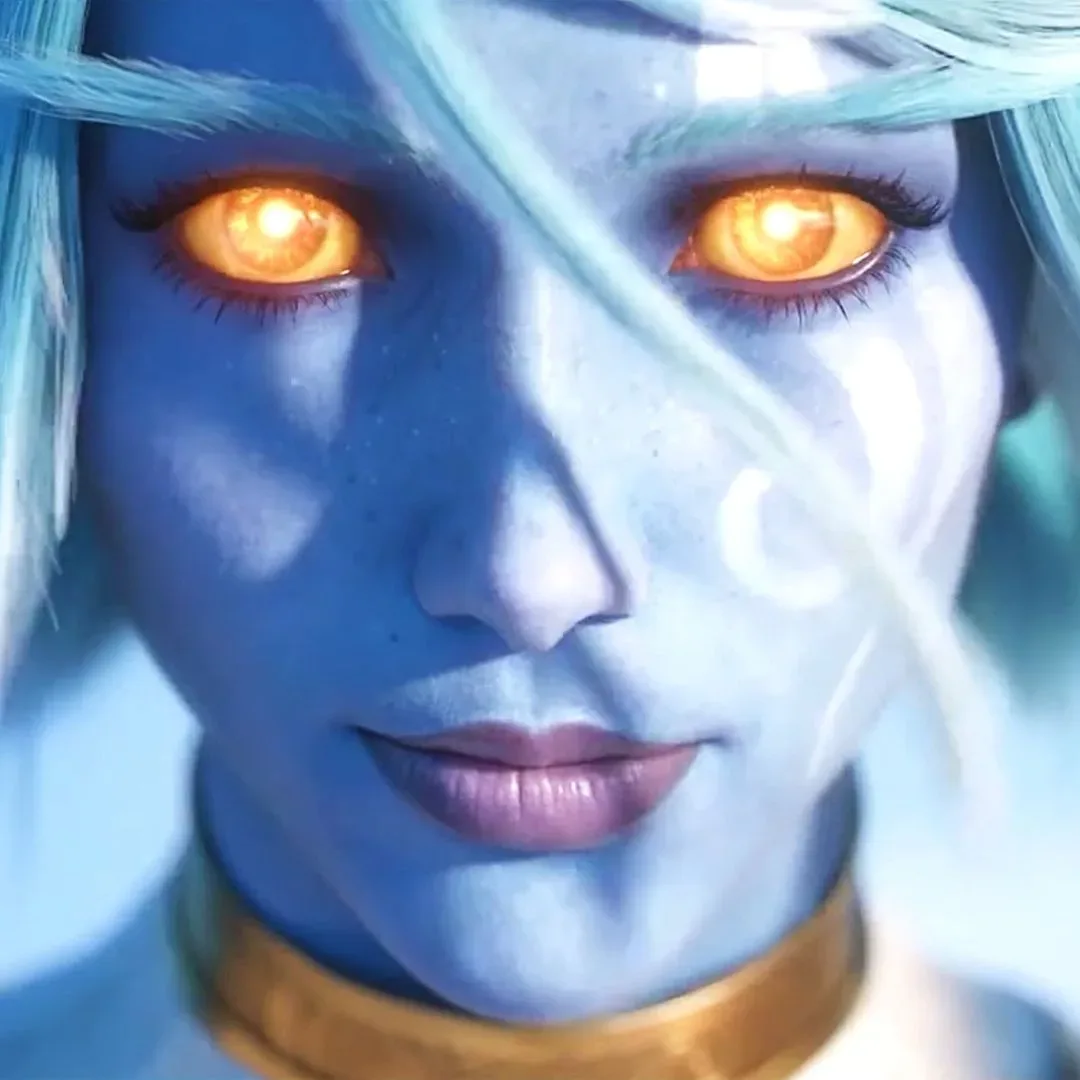
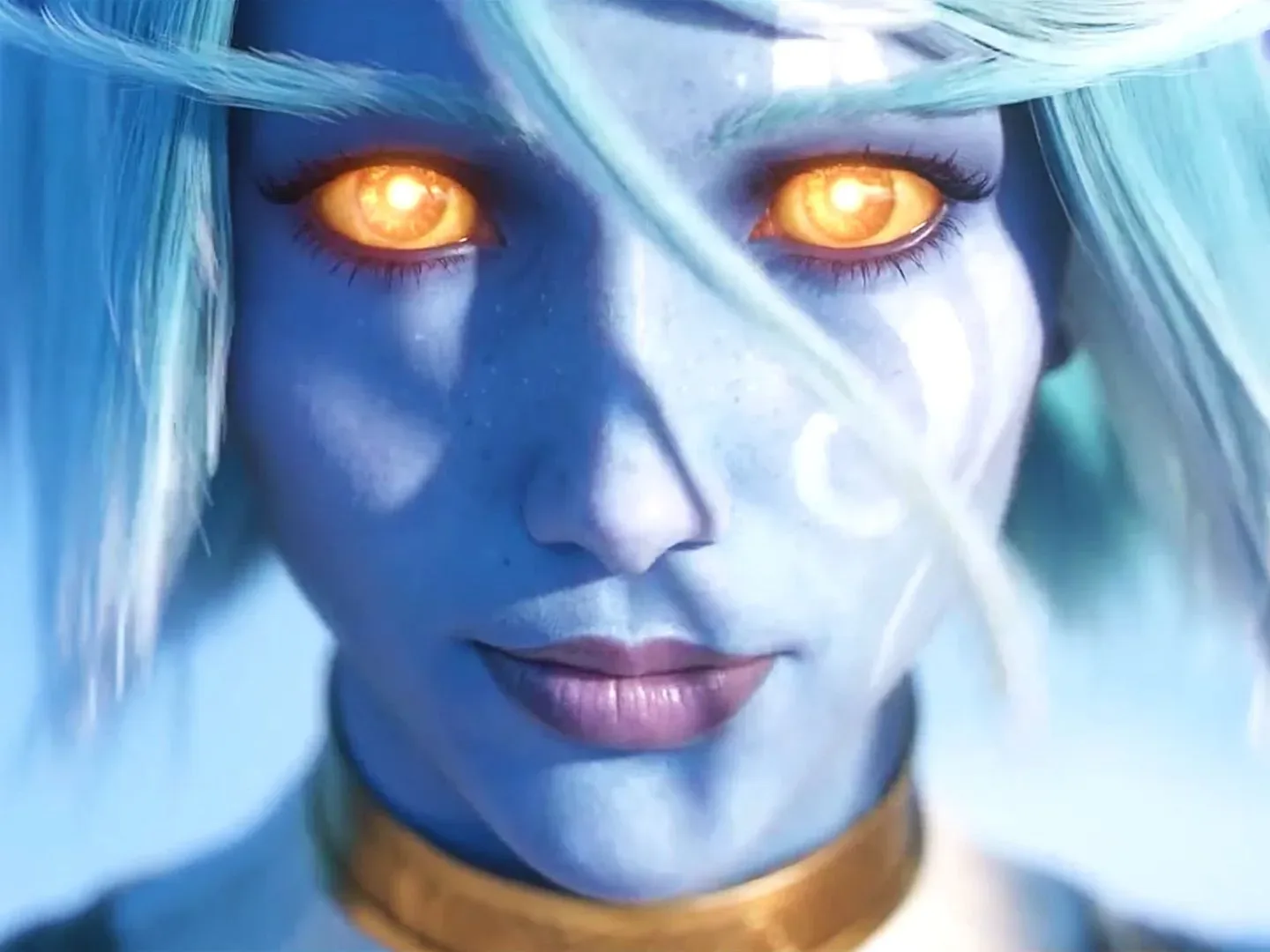
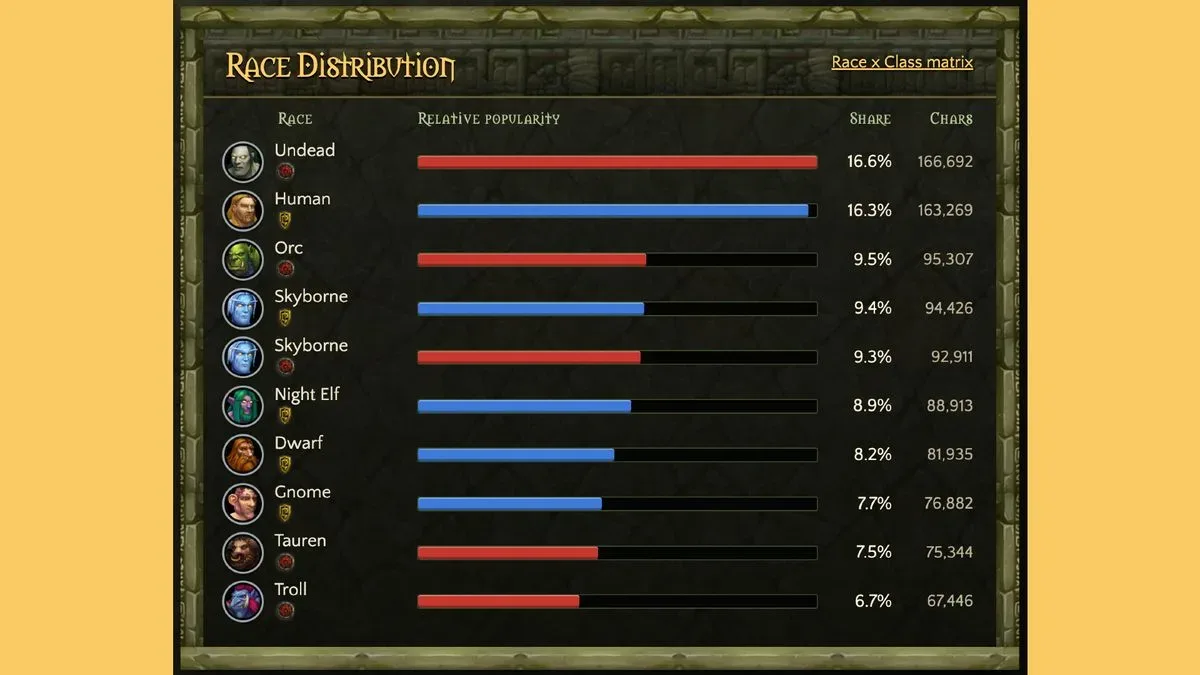
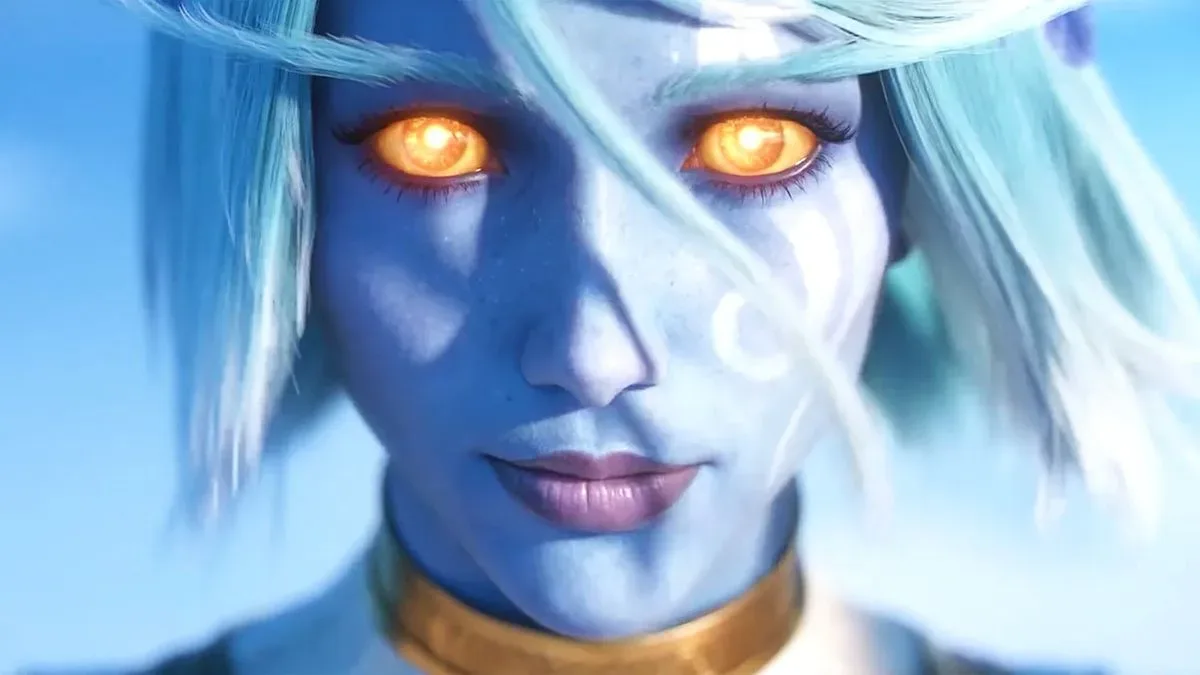
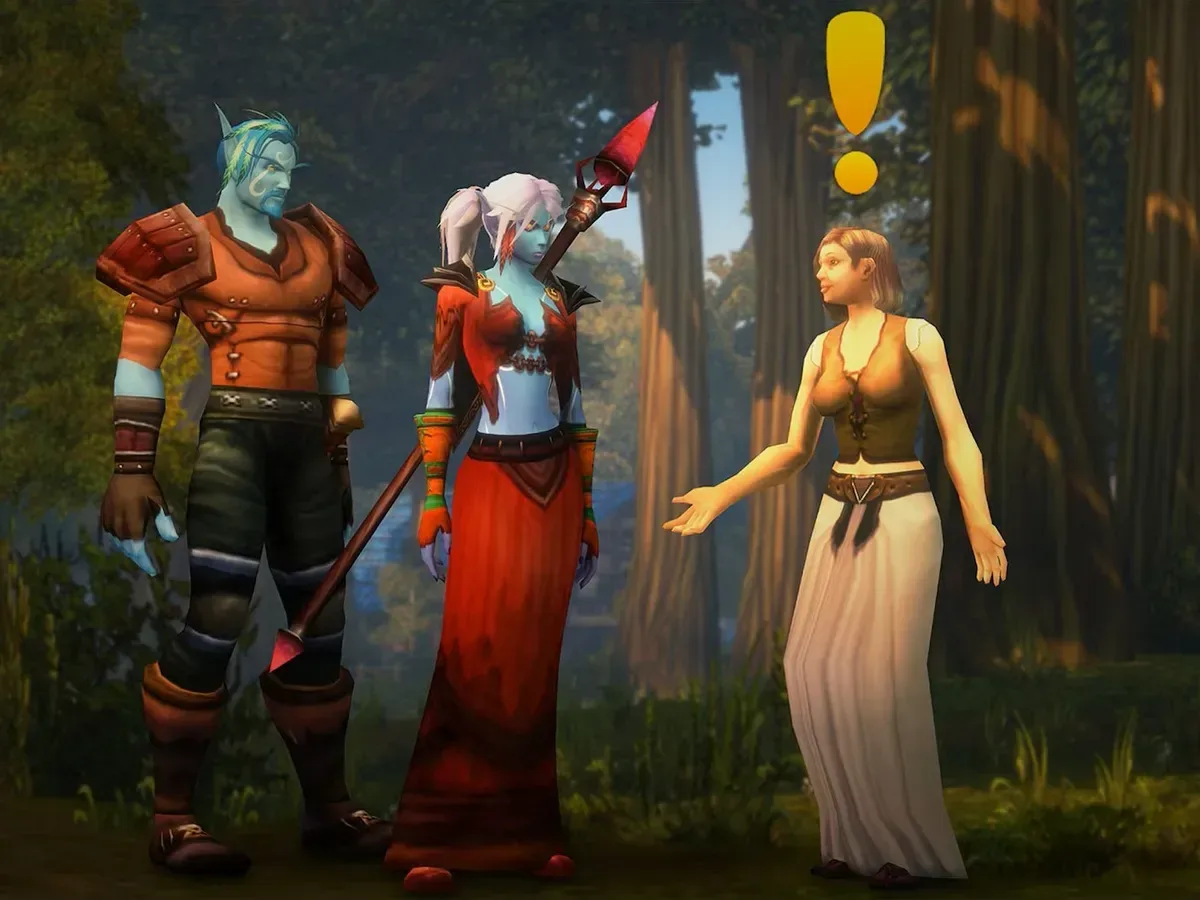
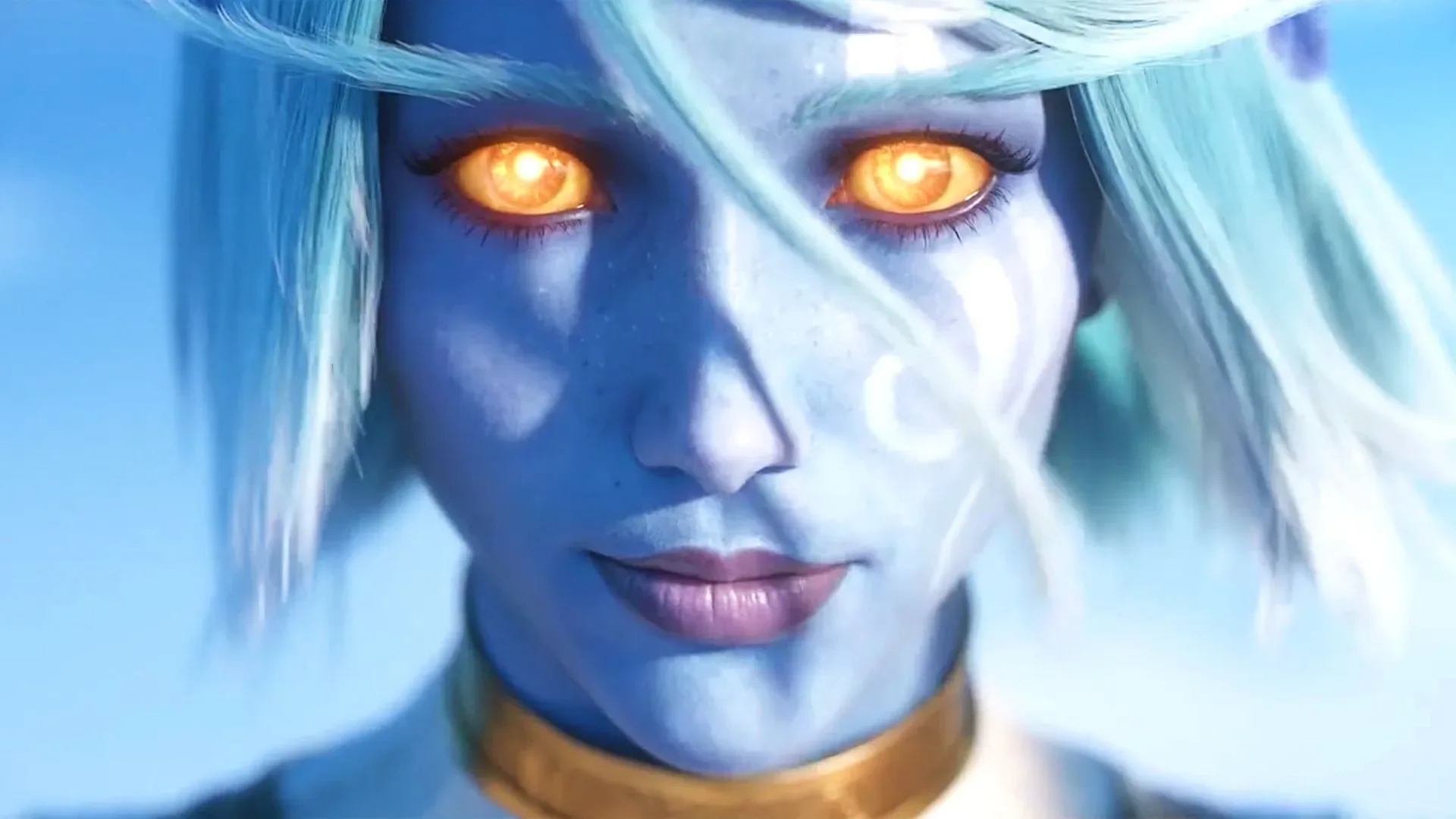
Figures collected by the fan-run data project Classic.io indicate that Skyborne characters account for nearly 20% of the World of Warcraft: Forever Beta population. The Alliance-aligned Skyborne rank as the fourth most popular race in the data, while the Horde-aligned version sits close behind. That puts the new periwinkle-skinned elf race ahead of Night Elves, Dwarves, Gnomes, Tauren, and Trolls in the current snapshot.
Only Undead, Humans, and Orcs rank ahead of the Skyborne. For a newly introduced option that has prompted substantial discussion over its presentation, that is a striking early result—though it is not the same thing as a final verdict on the race or the wider game.
What the Beta numbers actually show
The useful part of this data is its scale within the Beta: it provides a picture of what participating players are creating and playing right now. The less useful part is treating it as a complete census of the eventual World of Warcraft: Forever audience.
Classic.io is a fan-led project collecting player data, and the Beta has been active for nearly a month. Its rankings establish a clear ordering in the observed population: Undead, Humans, and Orcs occupy the top three positions; Alliance Skyborne come next; and Horde Skyborne follow closely. Together, the two faction versions make up nearly one-fifth of players represented in the data.
That distinction matters. A Beta sample can reveal enthusiasm, curiosity, or a strong preference among people who have chosen to enter the test. It cannot, on its own, settle how the race will perform once the game reaches a broader population. The supplied information also does not establish every method used to collect the figures, the total number of players observed, or whether every Beta character is equally represented. Those are reasons to read the ranking as an early trend rather than a final market share.
Still, the trend is difficult to dismiss. A race ranked fourth on one faction and close behind on the other is plainly not being ignored. The Skyborne have moved beyond being merely a flashpoint in community conversation and become one of the Beta’s most visible character choices.
The access bundle is an important part of the story
There is a practical explanation for some of that momentum. Access to the World of Warcraft: Forever Beta costs $30, and that same purchase includes the Skyborne. In other words, the price of entry and the new race are bundled together.
Related coverage includes World of Warcraft: Forever Beta Data Shows Skyborne Near 20% of Players.
A bundle can change how a popularity chart should be interpreted. Players who pay for Beta access already possess the new option, removing a separate purchase decision that might otherwise limit experimentation. A fresh race with distinctive character customization is also a natural first choice for players entering a test environment, particularly when it is included with the access package.
That does not make the selection data meaningless. A player still has to decide what character to create, and Skyborne are repeatedly being selected ahead of several established races. But it does mean the results should not be simplified into a claim that nearly 20% of players paid specifically for Skyborne. The available information supports a narrower conclusion: among the Beta players captured by the fan data, Skyborne are a major choice, and their inclusion with access likely helps explain why.
Race popularity and purchase motivation are different questions
It is easy for online debates to merge two separate questions:
- How many players choose a race once they can use it?
- How many players would buy access primarily because of that race?
The Beta figures speak to the first question far more directly than the second. They measure character selection within an audience that has already entered the Beta. They do not identify why each person purchased access, nor do they tell us whether appearance, class combinations, faction loyalty, novelty, or another factor was decisive.
That may sound like a technical distinction, but it is central to interpreting the controversy. A player can criticize a race’s visuals yet still roll one to inspect the model, try its class options, join friends on a faction, or use a character they simply find appealing. Usage and approval often overlap, but they are not identical.
Skyborne Druids are also climbing the chart
The strongest detail beyond the overall race ranking is the performance of Skyborne Druids. The race-and-class pairing is the fourth most selected combination in the game’s current data, despite some negative reactions from players.
In an MMORPG, a race-and-class combination is exactly what it sounds like: the specific pairing used to make a character, such as a Skyborne Druid. It is a more precise metric than race alone because it catches where aesthetics, available class choices, and player interest meet. A race can be broadly popular while one class pairing remains niche; here, the Skyborne Druid combination is among the most commonly chosen.
The discussion has focused in part on how the combination looks in motion. Blizzard has said it will make the Skyborne less “jarring” visually and specifically called out Druid animations. Animations are the movement sequences that make a character’s actions readable—casting, attacking, transforming, idling, and moving. For Druids, whose identity is closely tied to animated forms and transformations, visual coherence is especially important. A problem that is minor for a standing character model may become much more noticeable when the class is constantly shifting shape or performing movement-heavy abilities.
Blizzard’s promise to address the presentation is therefore meaningful, but the information available does not detail the exact changes, a rollout schedule, or whether every point of feedback will be addressed. The firm takeaway is simply that the developer has acknowledged the concern and named Druid animations as an area for improvement.
Controversy has not translated into low adoption
The most notable contradiction is the gap between the volume of criticism and the selection data. The Skyborne were controversial enough for Blizzard to respond publicly on visual concerns, yet their population share places them comfortably above multiple long-established choices.
There are several evidence-based ways to understand that gap without pretending the criticism never existed. First, the race is included with the $30 Beta access purchase, which gives every access holder the opportunity to make one. Second, Skyborne are a new elf race, and the design team had wanted to add an elf option. Third, their faction presence broadens the opportunity for players on both Alliance and Horde to use the race. Finally, the standout Skyborne Druid ranking shows that the race is being picked not only as a one-off curiosity but in at least one heavily selected class combination.
None of those points tells us whether the current ranks will hold. Beta populations change as new players join, players try alternate characters, balance and visual adjustments arrive, and novelty fades or grows. But the initial figures do undercut the simplest reading of the backlash: that the Skyborne would be broadly avoided. At this stage, they are not.
A character-choice debate with wider development stakes
Character races occupy an unusual place in online games. They are mechanical choices in the sense that they determine what sort of avatar a player makes, but they are also social and visual choices. Players spend extended periods looking at these characters, showing them to other players, and associating them with their in-game identity. That makes details such as silhouette, colors, hair, transformations, and animation feel consequential even when the discussion begins with an aesthetic complaint.
The Skyborne’s periwinkle appearance and hair customization have clearly helped distinguish the race visually, while the Druid response illustrates how a design can attract players while still needing refinement. Popularity is not proof that every aspect has landed perfectly; feedback being acted on is not proof that a feature has failed. Both can be true at once.
The team’s stated creative intent also suggests the Skyborne were not a last-minute experiment. Senior game designer Josh Greenfield said the developers had always wanted to add some kind of elves, and credited veteran Chris Metzen as the origin of the Skyborne concept. That background helps explain why the race is positioned as a substantial addition rather than a minor cosmetic diversion.
For Blizzard, the practical task is now straightforward in principle, if not in execution: retain the parts of the Skyborne that are drawing players in while improving the visual elements that have produced friction. The public commitment regarding Druid animations gives the Beta a clear issue to watch. If the changes make the class feel more visually cohesive, the already high Skyborne Druid adoption could become an even more useful indicator of whether the revision worked.
What players should watch next
Early Beta charts are valuable because they identify where attention is concentrating. They are less useful as a permanent leaderboard. For World of Warcraft: Forever, the next meaningful checks will be whether Skyborne remain near their current share as the Beta evolves, whether Alliance and Horde interest stays balanced, and how the Druid pairing changes after Blizzard’s promised visual work.
There is also a separate systems issue in the background. World of Warcraft: Forever intends to aggressively restrict the flow of suspicious gold, while warning that false positives may occur initially. A false positive means a legitimate player or transaction is incorrectly flagged by an enforcement system. That issue is distinct from the Skyborne debate, but it is another reminder that the Beta is testing more than character appearance: it is also a period in which policy and system safeguards may require tuning.
For now, the clearest reading of the available data is modest but important. The Skyborne may remain a point of contention, especially around Druid presentation, yet the race is one of the most popular choices in the World of Warcraft: Forever Beta. The conversation around it is not reflected by a lack of players rolling one.
Blizzard’s broader development work remains active as well, including the long-term path for Diablo 5. In Forever, though, the immediate test is much closer to home: whether the coming visual changes can turn an already frequently selected race into one that feels as polished in motion as it is popular on the character-creation screen.