World of Warcraft: Forever’s beta has opened with familiar headline additions: Skyborne Elves, a camping feature and new quests. Yet the feature generating some of the loudest player response is not a new quest reward or a combat change. It is the light.
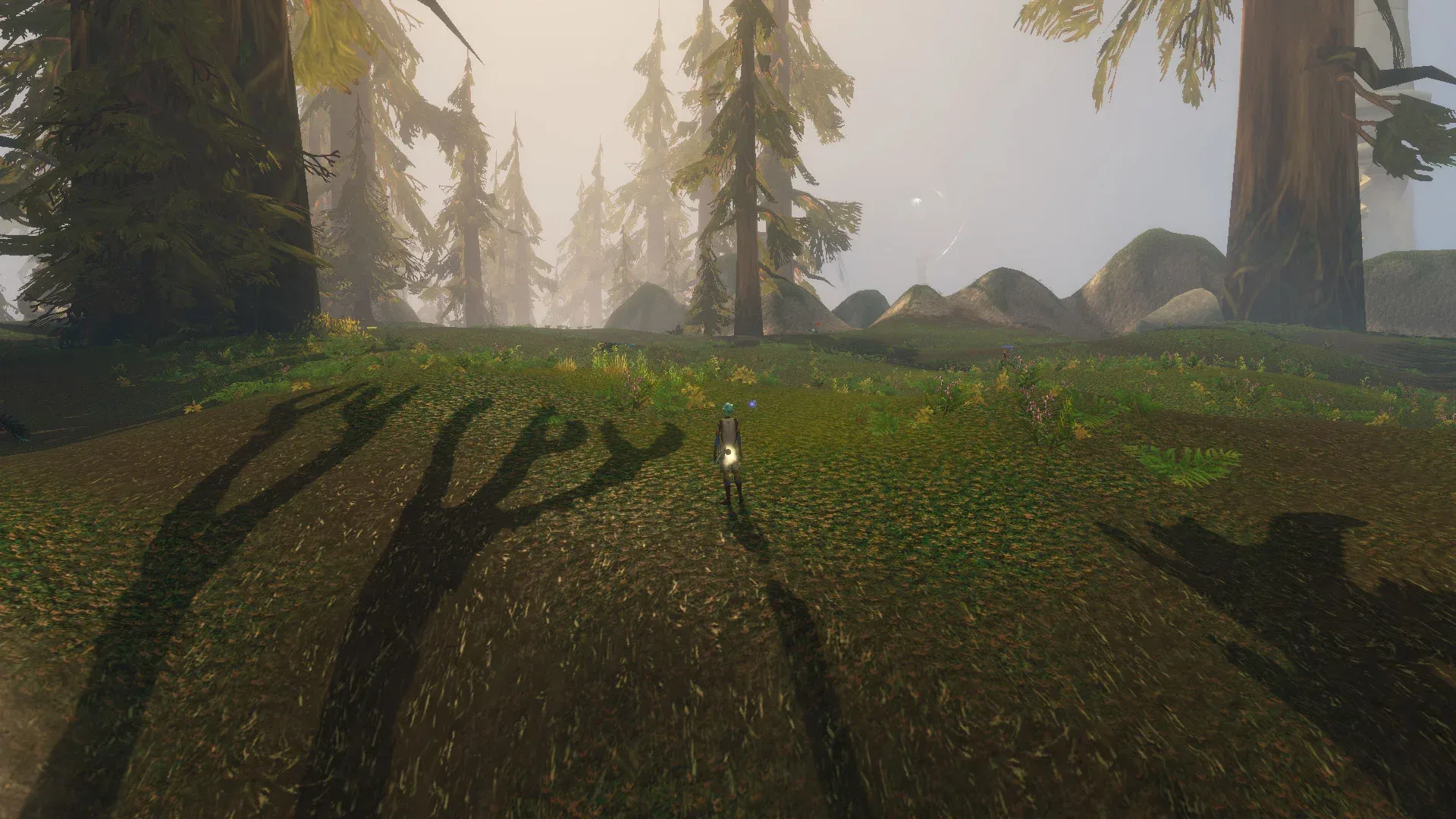
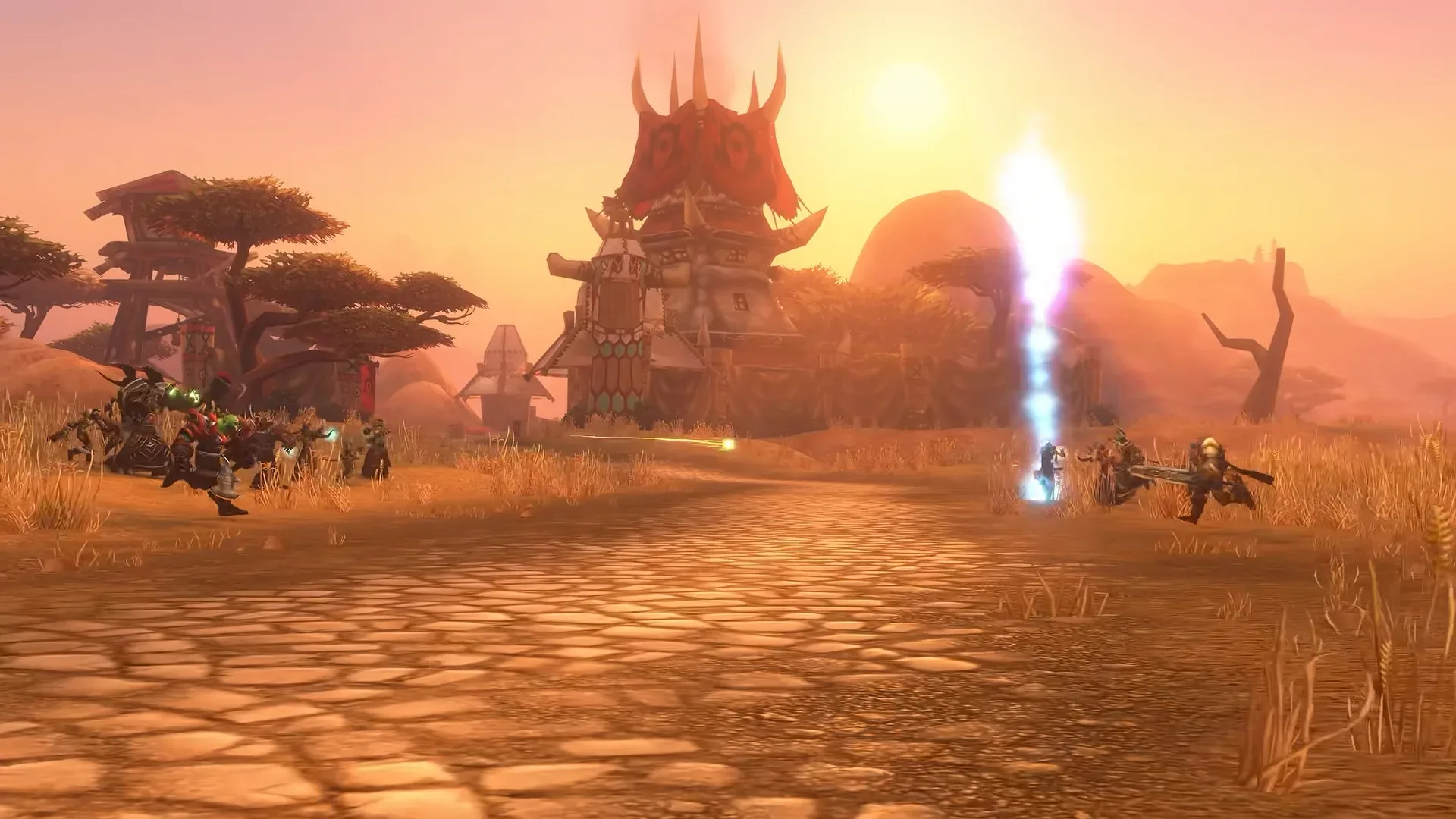
Players are sharing views of sunrises, sunsets, shafts of light through trees, foggy woodland and nighttime city scenes. Water has also become a frequent subject. That reaction says something useful about Forever’s visual approach: rather than rebuilding the original game around wholly new models and textures, its updated mode retains the older world presentation while adding modern lighting, water and other effects.
For a game rooted in World of Warcraft’s original base experience, that distinction matters. The point is not simply to make every asset sharper or push the world into a radically different high-definition aesthetic. The appeal, for many players, appears to be seeing places that retain their established shapes, colors and stylized identity under a more expressive atmosphere.
A beta feature built around preservation as much as change
Forever offers two modes: an original classic mode and an updated presentation. In the updated option, players can see the original world, textures and models with revised lighting, water and other visual effects. The classic option remains available for people who do not want those changes.
That choice is important because visual upgrades in an older game can create an immediate tension. Some players want technical improvements wherever they can be made; others are protective of the exact look attached to their memories of a particular era. Forever’s two-mode structure does not require every player to settle that argument the same way. Players who want the unaltered classic look can use it, while players curious about the enhanced atmosphere have a separate way to experience it.
The practical result is less about declaring one visual setting objectively better and more about recognizing that the two presentations serve different purposes. Classic mode is for maintaining the earlier appearance. The updated mode is for revisiting that same foundational look with extra environmental mood.
Why lighting changes the feeling of an old world
Lighting is the system that determines how a game scene is illuminated: the direction, intensity and color of light, as well as how brightness and shadow define a location. It influences far more than whether a landscape is easy to see. A low sun can give terrain a warmer appearance; light filtering through a forest can give a familiar route more depth; a darker nighttime scene can change the mood of a city without moving a single building.
That helps explain why screenshots, rather than lists of technical settings, have become such a visible part of the early discussion. A single screenshot can show the effect of atmosphere more directly than a feature description. A player does not need a revised map or a remodeled landmark to notice a sunrise changing the tone of a zone they have visited countless times.
Related coverage includes World of Warcraft: Forever Beta Players Are Stopping to Admire Its New Lighting.
The supplied player examples emphasize exactly those kinds of scenes: golden-hour landscapes, misty woods, nighttime Orgrimmar, a comparison of Mulgore’s earlier presentation with Forever’s look, and notably richer-looking water. There is also attention on distant scenery, including a view in which Mount Hyjal can be seen faintly from Mulgore. These are not necessarily demonstrations of new content. They are demonstrations of how revised rendering can prompt people to look again at old spaces.
Water is more than background scenery
Water receives specific praise in the beta discussion, and it is easy to understand why it can be visually influential. Rivers, lakes and coastlines occupy a lot of space in a large game world. When light, reflections and surface effects make those areas more visually striking, the change can affect the overall impression of many zones rather than just one dramatic vista.
In Forever’s case, the broader appeal appears to come from that cumulative effect. A player traveling through an established landscape is still looking at the same older textures and models, but changes in water, light and atmosphere can make a routine trip feel more worth stopping for. That is a modest-sounding goal with a substantial effect on a game built around a large, repeatedly visited world.
Not an HD remake—and that is central to the response
It would be easy to describe Forever’s changes as an “HD upgrade,” but that label can be misleading. The key reported detail is that the original world, textures and models remain in place in the updated mode. What has changed is the lighting, water and related effects. That makes Forever’s strategy more selective than a broad replacement of the game’s visual identity.
This is why the positive reaction is focused on preservation as well as polish. The older art style is still recognizable. The visual refresh aims to let it benefit from advances in environmental rendering without converting the game into something that no longer feels like classic World of Warcraft.
There is a useful technical distinction here. Textures are the surface images applied to models, defining details such as stone, grass, wood or cloth. Models are the three-dimensional forms that make up characters, buildings, terrain objects and other scene elements. Lighting and effects sit around and interact with those foundational elements, changing their presentation without necessarily changing their underlying shapes or artwork.
That approach means a familiar hill, settlement or forest can remain visually identifiable while gaining a new sense of time of day, weather-like depth or contrast. The screenshots being shared point to that balance: the locations look recognizably old, but the scene composition can appear newly dramatic.
The screenshot response is a meaningful early signal
Beta chatter should not be confused with a final verdict on Forever as a whole. The available portion of the game is limited, and the beta’s visual response does not answer questions about long-term content, balance or every technical aspect of the project. Still, it is a meaningful early signal that players are voluntarily stopping to capture scenery.
In an online role-playing game, visual atmosphere can influence the rhythm of play. A route between objectives is often treated as downtime. If players pause in that downtime because a forest at dawn or a city at night is worth photographing, the environment is doing more than filling space between quests. It becomes a shared subject of attention.
That kind of response can also be socially self-reinforcing. Once screenshots of an area begin circulating, other players may visit at a similar time of day, compare modes or seek out their own version of the view. The result is not a claim that lighting replaces game systems or content. It is a reminder that presentation can create its own small reasons for players to linger in a persistent world.
It is especially notable that the Skyborne starting zone has been mentioned as a strong-looking area despite having no direct original-version comparison. The Skyborne Elves are new to Forever rather than part of the original game’s incarnation, so screenshots there demonstrate the new presentation on fresh material instead of merely inviting side-by-side nostalgia. Access to the limited beta is tied to spending $30 to unlock the Skyborne Elves.
What players should take from the two-mode setup
The clearest practical takeaway is straightforward: players who like the enhanced sunsets, water and atmospheric scenes can use the updated mode, while players who dislike that new look can turn the changes off through the original classic mode. This is a visual preference decision rather than an all-or-nothing rewrite.
- Choose original classic mode if preserving the prior presentation is the priority.
- Choose the updated mode if you want the original models and textures presented with new lighting, water and effects.
- Compare familiar places such as Mulgore, forests, waterways and cities at different times of day to see where the differences matter most to you.
- Keep expectations focused on what is described: the updated mode changes presentation while retaining the original-world foundation.
That flexibility is a sensible fit for a project built on an older version of a long-running game. Visual memory is personal. One player may regard the old lighting as inseparable from the classic experience; another may see the new effects as a way to rediscover it. Forever does not appear to insist that either group is wrong.
A small upgrade with a large atmospheric footprint
Forever’s beta attention has landed on a deceptively simple feature because lighting reaches nearly every corner of a game world. A new race, camping system or quest line is encountered in particular circumstances. Environmental rendering is present across the entire journey, from a starting zone to a distant mountain view.
For now, the standout story is that players are sharing scenery from a version of World of Warcraft that holds onto its older visual building blocks. The updated mode’s attraction is not that it erases the classic game’s look, but that it reframes it. Sunsets, night scenes, mist and water are doing the heavy lifting—and classic-mode players have a clear route to keep the lights exactly as they remember them.
For more Blizzard-related context, see our look at the uncertain timing of the next BlizzCon.