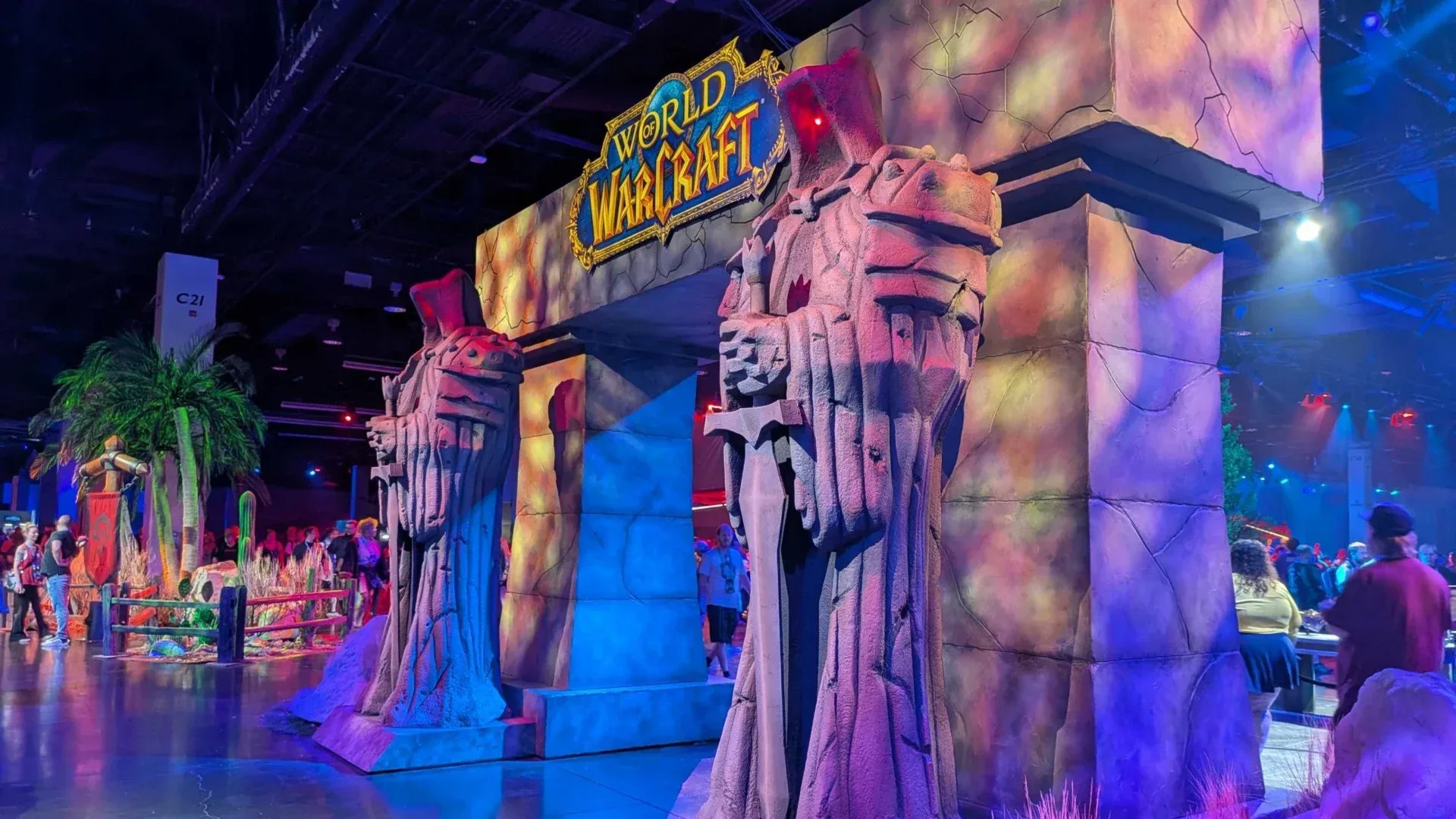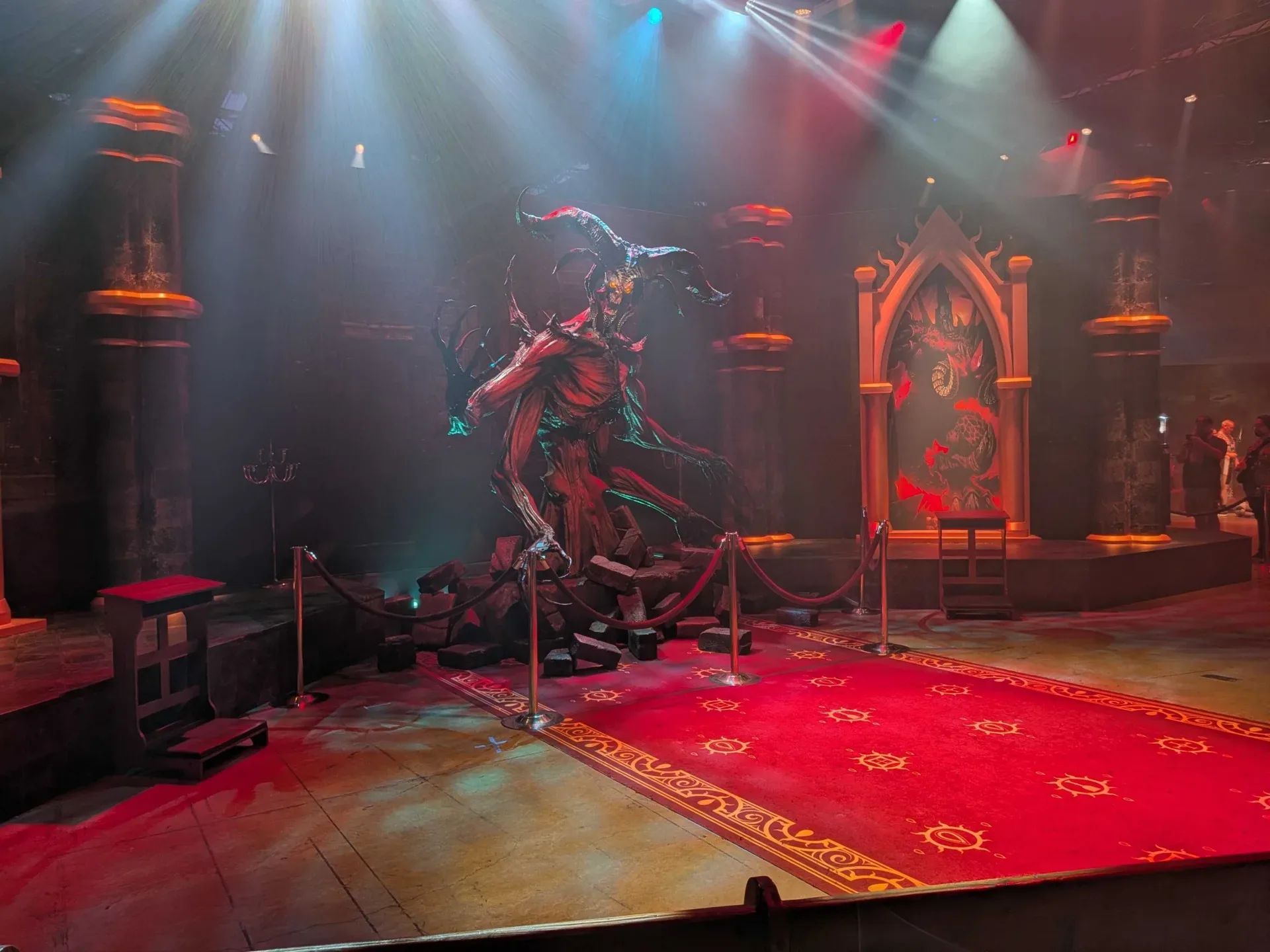
BlizzCon 2026 has ended without an announced date for the next convention—and, just as importantly, without an explicit commitment that it will return in 2027.
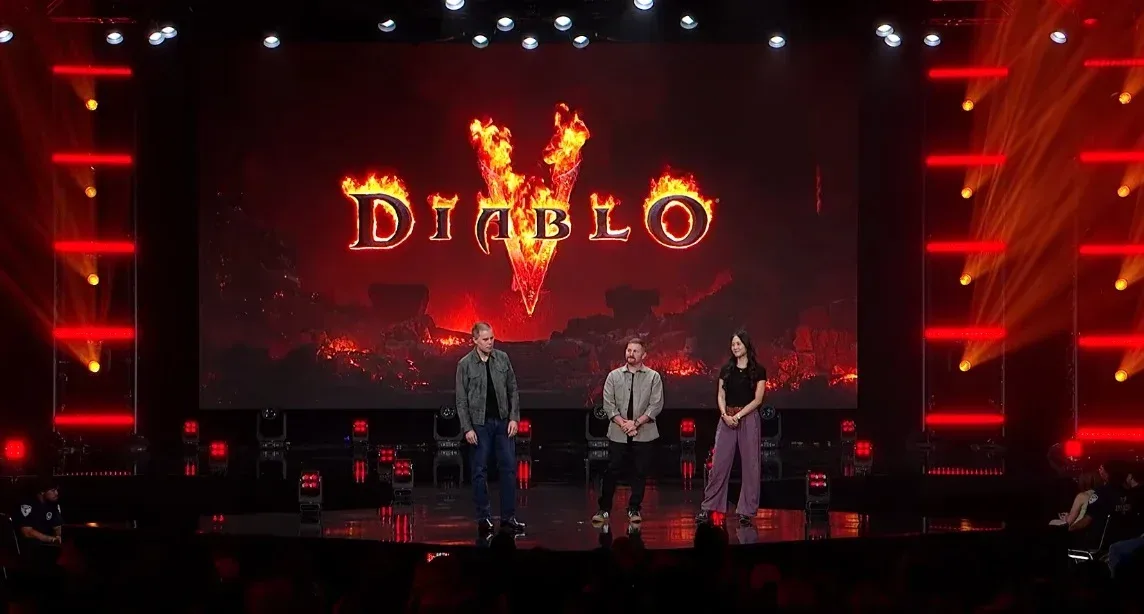
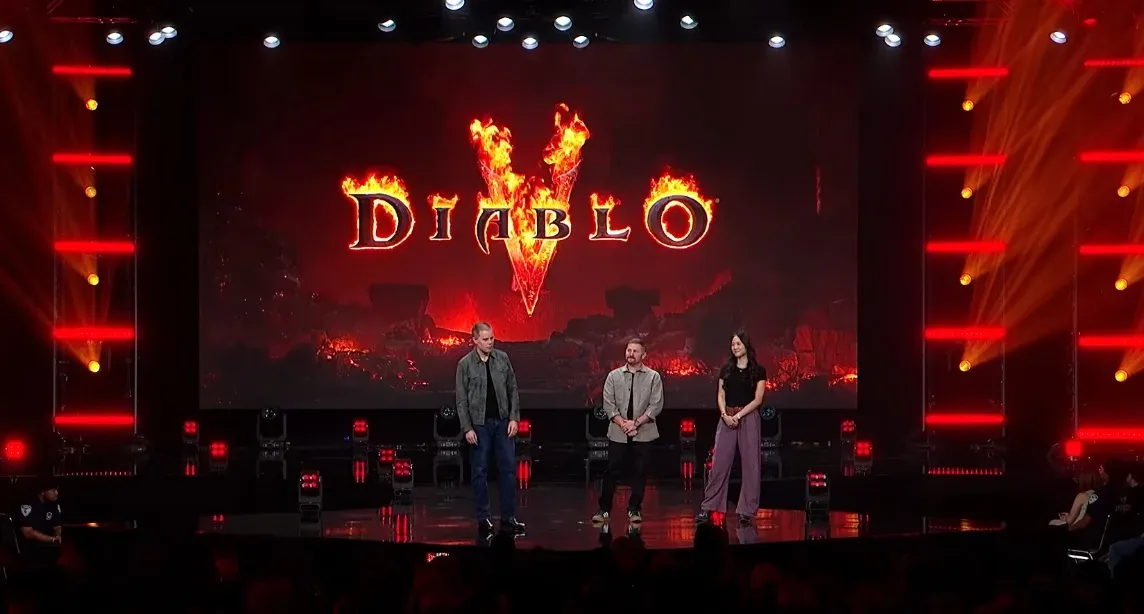
At the closing ceremony, Blizzard president Johanna Faries thanked attendees and said there was more to come, ending with “until next BlizzCon.” That phrasing confirms the company expects the event to exist again at some point. It does not establish when. Blizzard had not provided a follow-up date after the event.
That ambiguity is increasingly familiar. For much of its early life, BlizzCon functioned as a dependable yearly gathering for Blizzard communities. Now, its calendar looks less like an annual appointment and more like an event held when the company believes it has enough major material to justify one.
For fans, that distinction matters. A yearly convention creates expectations: a regular place for announcements, developer panels, community competitions, cosplay, and a shared moment for games that may otherwise be updated on very different schedules. A periodic convention can still be valuable, but it changes the rhythm. Instead of asking what will appear at next year’s show, audiences may have to wait for Blizzard to decide that the next show itself is warranted.
A long annual run gave BlizzCon its identity
From 2005 through 2019, BlizzCon occurred almost every year. The exceptions were 2006 and 2012. That consistency made the convention unusual: it was not simply a promotional event attached to one release, but a recurring gathering around Blizzard as a studio and its portfolio.
Its later history has been much less regular. The 2020 convention did not take place because of the COVID-19 pandemic. BlizzCon in 2021 was presented entirely online. The 2022 show was skipped amid the company’s harassment scandal and lawsuit. The convention then returned as an in-person event in 2023.
That 2023 return could reasonably have suggested a restoration of the old pattern. Instead, Blizzard did not hold BlizzCon in 2024 or 2025, before bringing it back in 2026. Those absences came after Microsoft acquired the company, though the available information does not establish that the acquisition was the reason the events were skipped.
The result is simple: BlizzCon has not operated as a reliably annual convention for seven years. The lack of a 2027 date is therefore not a sudden break from an intact tradition. It is more accurately another sign that the tradition has already changed.
Related coverage includes BlizzCon's Annual Era May Be Over as Blizzard Leaves Its Next Event Unscheduled.
What “no date” does—and does not—mean
It is worth separating confirmed information from interpretation. Blizzard has not announced a next BlizzCon date. The closing message referenced a next BlizzCon, so this is not evidence that the convention has been cancelled permanently. It also is not evidence that a 2027 event has been ruled out.
In earlier years, precise dates were not always public until the spring. Yet a broader promise of a following-year event was generally part of the convention’s established cadence. The meaningful shift now is not merely that attendees left without a calendar day. It is that they left without the customary assurance of a return the next year.
Blizzard’s closing language points toward another BlizzCon eventually, but it leaves the timing open.
That makes a future show an open question rather than a countdown. Fans should be wary of treating the silence as either a guarantee of 2027 or proof that the convention is over. Neither conclusion follows from what has been said.
Why a flexible schedule may make business sense
An annual publisher convention requires more than a venue and a stage. It needs a reason to convene a large audience every year. The keynote must carry meaningful reveals or updates; teams need material that is sufficiently far along to show; and the broader programming needs enough substance to serve communities across multiple games.
This is especially challenging when game development takes longer and major projects are separated by years. A company may have active games, future projects, and plenty of internal work underway without having enough that is ready to be publicly demonstrated in one concentrated weekend. Forcing a yearly keynote under those conditions can create pressure to announce too early, repeat material, or make a small slate feel larger than it is.
A milestone-event model avoids some of that pressure. Under this approach, a convention can be scheduled around moments when several developments align: a major new game, a significant update, a long-term roadmap, or a set of projects ready for their public debut. The trade-off is that the community loses predictability.
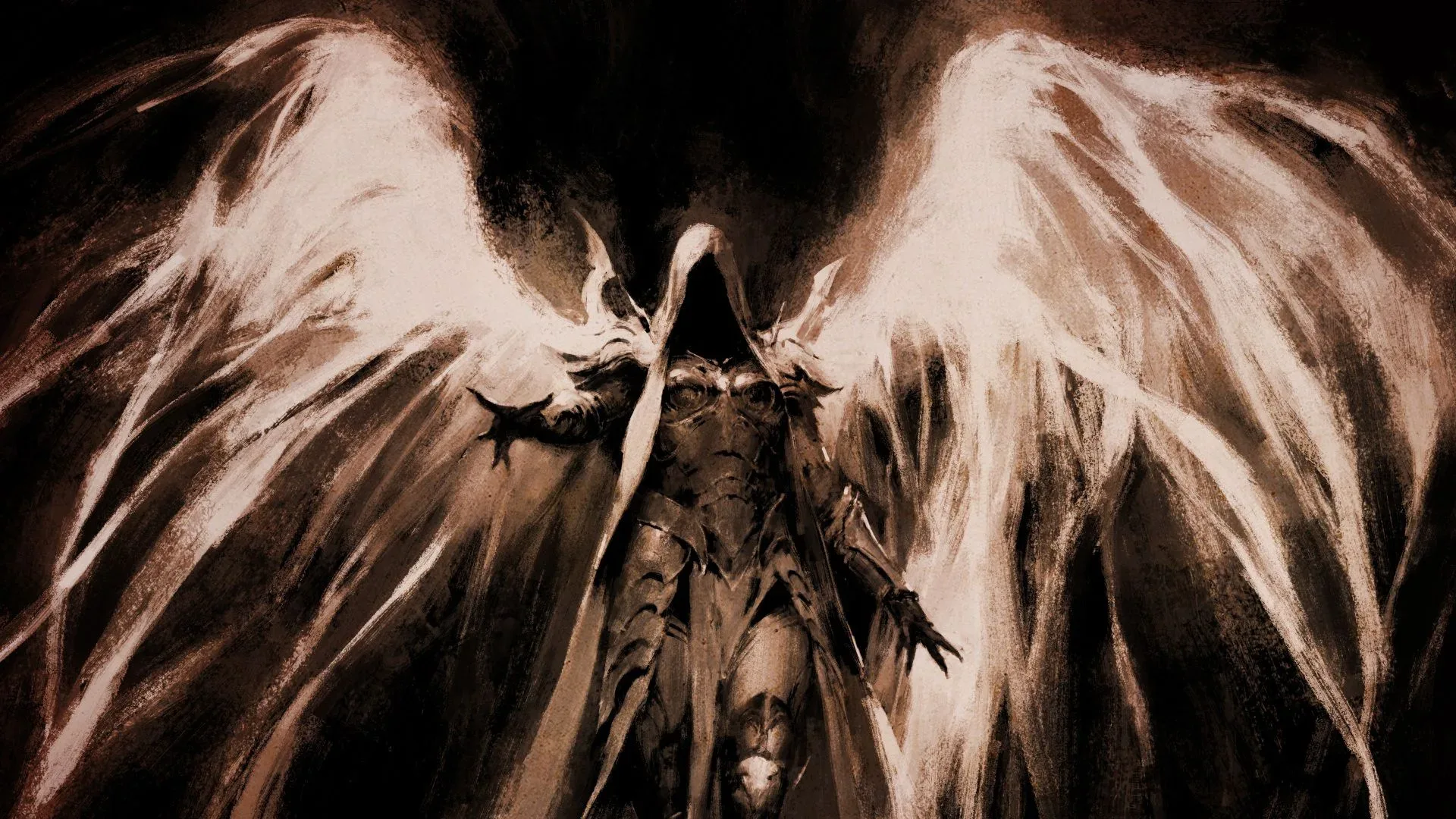
That may be the practical reality facing Blizzard. The company used BlizzCon 2026 to put Diablo 5 and StarCraft in front of its audience. The projects were discussed with confident development windows extending three to four years out. That is a reminder of the awkward timing challenge at the center of giant conventions: the biggest announcements may be years away from release, while a yearly event demands a fresh headline every 12 months.
Keynote pressure, explained
“Keynote pressure” is the informal problem created when an event has become known for major reveals. Once a convention’s audience expects a new game, expansion, release date, or large roadmap every year, a publisher must either meet that expectation or explain why it cannot. This is not the same as normal game marketing. A trailer, livestream, blog post, or seasonal update can be released whenever it is ready. A yearly convention carries a fixed deadline and a much larger sense of occasion.
For a company with multiple long-running communities, the pressure is multiplied. One audience may want the next announcement for an established game; another may be waiting for a dormant series to return; another may be interested chiefly in what Blizzard’s new corporate situation means. A single keynote cannot always satisfy every group, and the perceived cost of a thin program can be higher than the benefit of keeping an annual date.
The Xbox question hangs over the next event
The uncertain BlizzCon calendar also arrives during a broader period of uncertainty for Xbox. Microsoft’s ownership gives Blizzard access to a different corporate structure than it had during its long annual-convention era, but it also means the company’s public plans are now viewed through the lens of a larger games business.
Nothing about an unscheduled BlizzCon proves a specific Xbox strategy. Still, it raises practical questions that cannot be answered until Blizzard speaks more clearly: Will future announcements be concentrated at BlizzCon? Will they be spread across Xbox presentations and game-specific broadcasts? Will the convention be reserved for especially large turning points rather than yearly updates?
Those are questions, not confirmed plans. But they illustrate why an annual BlizzCon is no longer something fans can take for granted. The convention is no longer operating in a context where Blizzard alone needs to maintain its own fixed yearly announcement stage.
What fans can reasonably expect now
The near-term answer is patience. There is no announced next BlizzCon date, and no firm indication that the convention will happen in 2027. At the same time, Faries’ reference to “next BlizzCon” means the event remains part of Blizzard’s public-facing future.
Until an official schedule arrives, the most sensible expectation is that Blizzard will announce the convention when it has decided on both timing and purpose. That could resemble the studio’s old “ready when it’s ready” philosophy: wait until the content and event are prepared rather than commit to a recurring date first.
For attendees, that approach may be frustrating because travel, meetups, costumes, and community plans all benefit from a dependable calendar. For Blizzard, however, flexibility may make it easier to build a show around actual milestones rather than an obligation to fill an annual slot.
BlizzCon has survived skipped years, an online-only edition, controversy, and a change in ownership. Its continued existence is not the issue suggested by the 2026 closing. Its cadence is. The era in which the convention could be assumed to reappear every year appears to be over, at least for now. The next gathering may still be a major occasion—just not one that can be penciled into the calendar before Blizzard is ready.