Blizzard has put two enormous dates on the distant horizon: Diablo V is being built for spring 2029, while StarCraft is planned for 2030. What it has not done, at least through its formal statement, is attach a definitive platform list to either game.
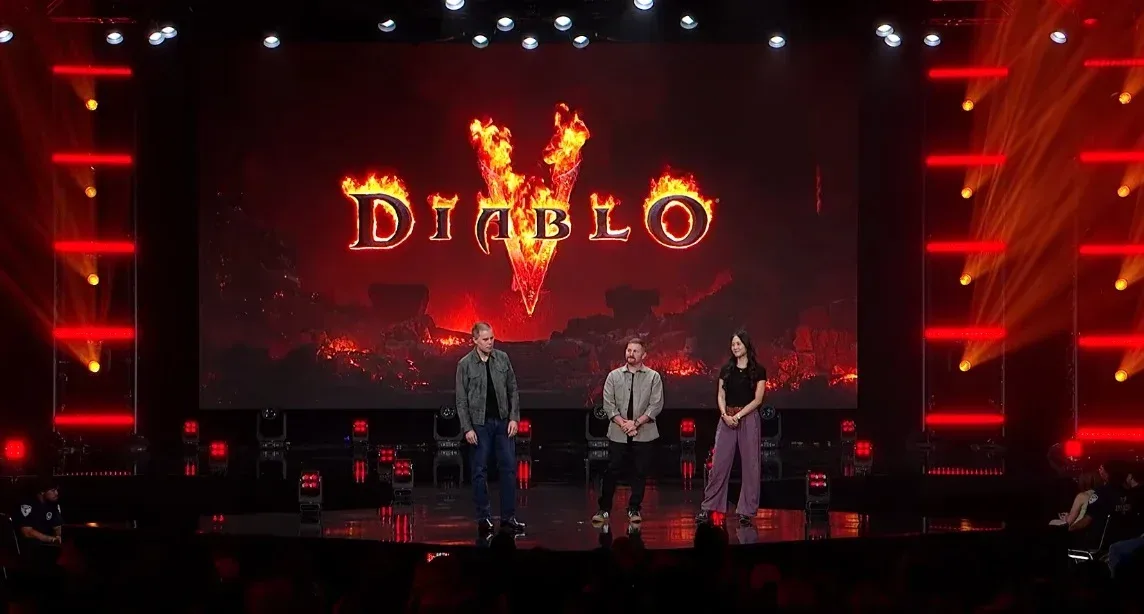
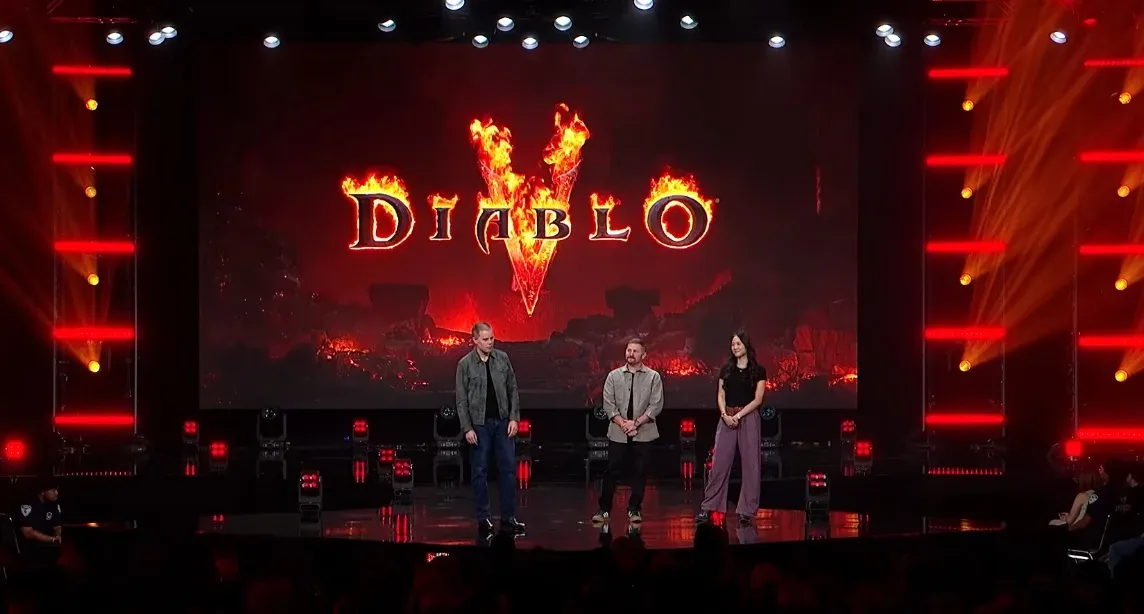
That restraint is notable because two pieces of platform information have slipped into public view in very different ways. During a BlizzCon 2026 press conference, Diablo game director Joe Shely said there was nothing to announce when asked where Diablo V would be playable, while adding that the team wants as many people as possible to play it. A member of the communications staff then audibly interjected, “PC version.” The exchange drew laughter, with Shely joking that they were not meant to tell people. The reply: “If we’re not on the PC, we’ve got problems.”
For practical purposes, it is hard to read that exchange as anything other than an acknowledgement that Diablo V is intended for PC. But it is important to separate that moment from a conventional product announcement. Blizzard’s subsequent formal wording was narrower: “We are not announcing platforms today. We are building Diablo V for Spring 2029 and StarCraft for 2030 and will share platform details when we are ready.”
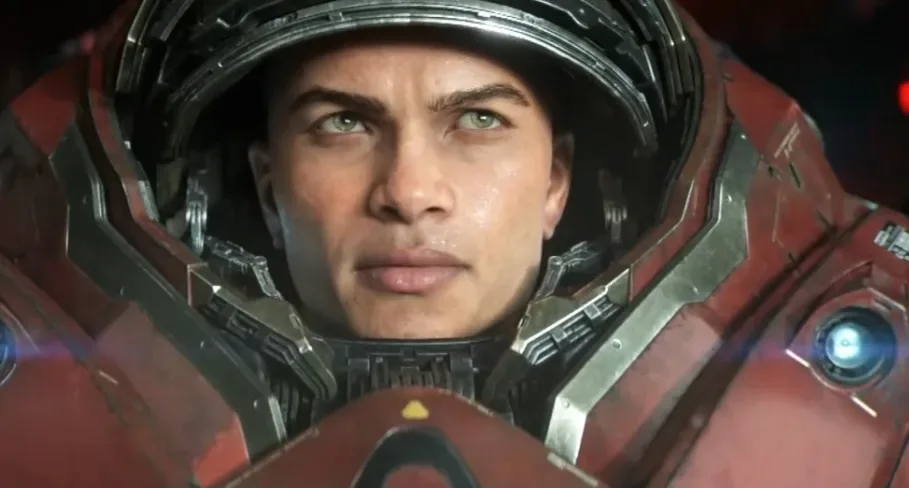
Meanwhile, StarCraft has an Xbox confirmation attached to a post from Xbox UK on X, yet its PC version has not been formally laid out by Blizzard in the same way. The result is a strange, uneven picture: Diablo V has a plainly stated but informal PC assurance, while StarCraft has an Xbox signal without a corresponding formal PC platform declaration.
What Blizzard has actually said
There are three distinct levels of information here, and keeping them apart matters.
- Development targets: Diablo V is being built for spring 2029; StarCraft is being built for 2030.
- Formal platform position: Blizzard says it is not announcing platforms yet and will provide that information later.
- Public signals outside a platform list: the Diablo V press-conference exchange referred directly to a PC version, while an Xbox UK X post identified StarCraft for Xbox.
That distinction may sound fussy, but it avoids turning reasonable inference into a promise Blizzard has not formally made. “Platform details” usually means more than the broad name of a device family. A complete platform announcement can establish the full list of systems, whether versions launch together, and other details relevant to players deciding where they may eventually play. None of that has been specified in Blizzard’s statement.
It also means there is no official basis yet to call Diablo V an Xbox or PlayStation release, or to describe StarCraft as a confirmed PC release through Blizzard’s formal channel. Those outcomes may look likely from the histories of the respective series, but likely and announced are not synonyms.
Why the Diablo V PC exchange still matters
The informal Diablo V exchange is unusually direct. It was not a vague comment about supporting a broad audience or a carefully hedged answer about exploring options. The words “PC version” were spoken in response to a question about platforms, and the follow-up framed absence from PC as an obvious problem.
Related coverage includes Diablo 5's PC Future Is Clear, but Blizzard Is Keeping Its Platform Plans Unusually Quiet.
That makes PC the clearest publicly indicated destination for Diablo V, even though Blizzard’s official follow-up did not turn it into a formal bullet point. For players who associate Diablo with PC, the exchange provides a meaningful measure of reassurance. It does not, however, reveal anything concrete about editions, technical requirements, storefronts, cross-play, progression, controls, online requirements, beta access, release timing beyond spring 2029, or parity with any possible console versions. Those subjects were not addressed.
There is a useful precedent in how readers should handle future platform news generally: a platform mention answers only the narrow question of where a game is expected to appear. It should not be stretched into claims about features, business models, launch-day availability, or support plans unless those are separately stated. The difference is especially relevant for games that are years away, when development plans can remain intentionally broad.
StarCraft’s Xbox mention makes the silence feel stranger
The StarCraft situation is the inverse. Xbox UK posted an Xbox confirmation on X, but there was no matching platform discussion outlined during the BlizzCon event and no wider platform list in Blizzard’s later statement. StarCraft is also the farther-off title, with a 2030 target rather than Diablo V’s spring 2029 window.
That is why the patchwork of signals stands out. A future Xbox destination was publicized for the game scheduled later, while Diablo V’s PC reference emerged from an off-the-cuff room exchange despite no official platform slate. Neither fact proves a broader exclusivity plan, a missing version, or a specific release strategy. The supplied information contains no such explanation. It does show that the communication has been inconsistent enough to create questions that a simple platform line could have prevented.
PC is particularly difficult to ignore in this context because both franchises have deep PC histories. Diablo’s first four numbered entries have established the series as a PC fixture, and StarCraft’s identity is likewise closely tied to the platform. That background explains why the absent formal language has attracted attention; it does not substitute for a confirmed product page or a full announcement.
What not to infer about Xbox and PlayStation
The current information is insufficient to determine the console plans for Diablo V. Xbox’s public association with StarCraft does not confirm Diablo V for Xbox. Likewise, the availability of Diablo I through Diablo IV on Sony consoles at various points is context for why a PlayStation version might be expected, not confirmation that Diablo V will arrive on one.
Players should also resist reading the timing difference as a release-order clue. Blizzard has provided development targets, not full launch plans. “Spring 2029” sets a seasonal target for Diablo V, while “2030” identifies a year for StarCraft; neither statement says which systems will get either title first, whether launches would be simultaneous, or whether any version could arrive later.
This is a familiar reason platform messaging matters. When a company names a platform but leaves others unaddressed, fans naturally fill the gaps with precedent, corporate relationships, and guesses. Some of those guesses may ultimately prove correct. Until the company publishes the details, though, they remain guesses. For a useful example of the difference between confirmed and unconfirmed platform information, see Joking Joystick’s breakdown of confirmed GTA VI release, platform, preload and price details.
Why a company might hold back platform details
Blizzard has not explained why it is withholding the lists, so any specific rationale would be speculation. The only supported reading is that the company is choosing not to announce platforms at this stage. That choice is not, by itself, evidence that a particular console is excluded.
There are nevertheless practical reasons the distinction affects audiences now. PC players looking only for confirmation have received the strongest public assurance for Diablo V, albeit in an informal setting. Xbox players have a public StarCraft mention to point to, but little detail about what that version will be. PlayStation players have no stated Diablo V or StarCraft commitment in the information currently available. Players on every platform are still waiting for the operational facts that determine whether a launch is relevant to them.
Those facts include the basic platform roster first. Only after that would questions about shared multiplayer populations, account systems, input support and feature consistency become meaningful to evaluate. None should be assumed from the present remarks.
The cleanest reading for now
The best current summary is both simple and deliberately limited. Diablo V is planned for spring 2029, and the PC version was verbally acknowledged in a BlizzCon press-conference exchange. StarCraft is planned for 2030, and an Xbox UK X post identified Xbox. Blizzard’s official statement does not announce platforms for either game and says further details will come when the company is ready.
That does not amount to a mystery with a proven hidden answer. It is simply awkward communication around two franchises for which the audience has strong assumptions. The Diablo V PC comment makes one of those assumptions feel secure. The StarCraft Xbox post gives another audience a concrete signal. Everything beyond those narrow points—including complete platform lists—still awaits Blizzard’s formal word.