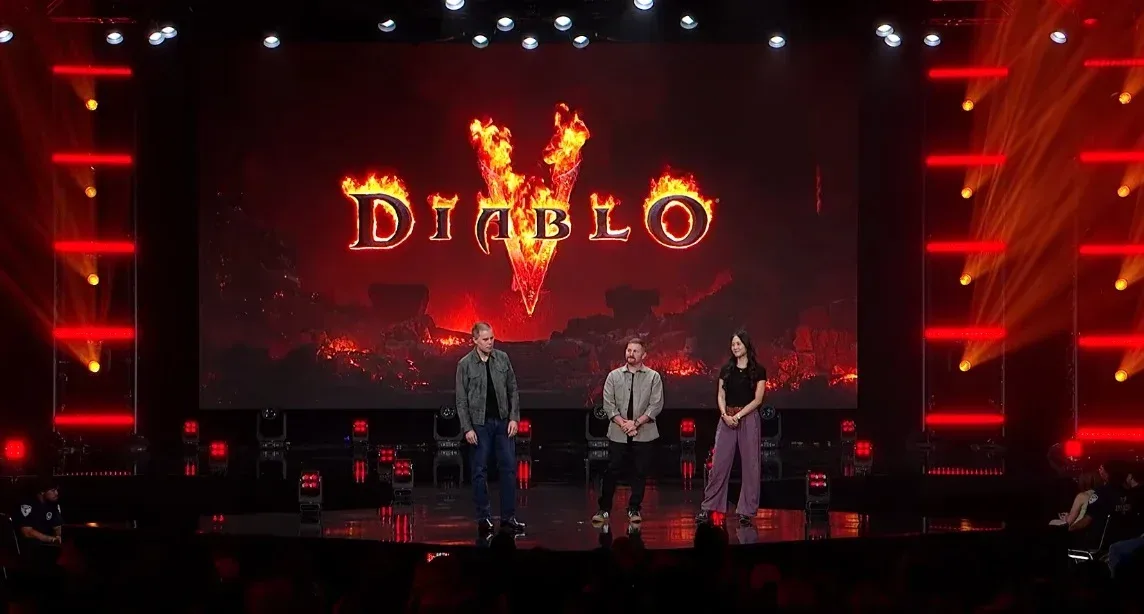
Blizzard has put an unusually distant pair of stakes in the ground: Diablo 5 is targeting spring 2029, while a newly announced StarCraft project is not expected until 2030. For a studio whose biggest games can spend years out of public view—and whose dates have not always remained fixed—that approach is as much a declaration of intent as it is a release calendar.
Johanna Faries, Blizzard’s president, has characterized the early reveals as a way to show confidence in the company’s largest future investments. The message is not merely that two famous series will continue. It is that Blizzard intends to deliver major projects at scale, on schedule, and with the studio organized around making that happen.
That is a consequential promise when the games in question remain several years away. A spring 2029 window for Diablo 5 leaves a long runway for development, marketing, platform planning, testing, and the many changes that can happen around a blockbuster production. The StarCraft project’s 2030 target is even farther out. Neither long lead time guarantees a smooth path, nor does it tell players every important detail about the games themselves. It does, however, make Blizzard’s chosen direction much clearer: it wants fans to judge it against a visible multi-year plan.
A roadmap designed to restore certainty
There are obvious advantages to revealing a far-off slate. Fans who care about Diablo and StarCraft now know those franchises sit near the center of Blizzard’s longer-term ambitions. Employees and prospective hires can see where the organization expects to place substantial creative energy. Microsoft and Xbox can point to recognizable, high-profile pillars in the years ahead.
But publicly naming release periods so early also replaces the usual mystery with accountability. A distant logo or broad confirmation normally gives a publisher plenty of flexibility. A stated seasonal target, by contrast, is something players will remember. Every staffing change, silence between updates, trailer delay, or revision to the schedule may be viewed through the lens of that commitment.
For Blizzard, that scrutiny is especially meaningful because its history includes lengthy development cycles. Diablo 4 was announced at BlizzCon in 2019 and was originally expected roughly three years later. It ultimately launched in 2023, following a period marked by internal disruption and employee turnover. That history does not determine the fate of Diablo 5, but it explains why confidence alone will not be the final measure. Consistent milestones and, eventually, finished releases will carry far more weight.
The company’s present language is therefore bigger than a familiar sequel announcement. It is an attempt to establish a different operating reputation: Blizzard as a developer that can plan openly, coordinate large teams, and meet a target without sacrificing the identity that made its series matter in the first place.
Diablo 5 is a long-range commitment, not an imminent launch
The spring 2029 target puts Diablo 5 well beyond the normal horizon for a conventional release campaign. At this stage, fans should be careful not to fill in the blanks with assumptions. There is no reason to infer specific gameplay systems, business models, platforms, classes, expansions, or story details from the date alone. A release window answers one major question—when Blizzard currently expects the game—but leaves almost every design question open.
Related coverage includes Blizzard Pledges to Deliver StarCraft and Diablo 5 on Schedule After Far-Off Reveals.
Still, the timing says something about the franchise’s role. Diablo is being positioned as an ongoing flagship rather than a series headed for a quiet pause after Diablo 4. That matters because action RPGs increasingly live in a long-term environment of updates, seasons, competition, and evolving player expectations. A sequel arriving years later will have to be legible as a new step forward while respecting the parts of Diablo that fans consider non-negotiable: dark atmosphere, character progression, loot-driven experimentation, and replayable demon-smashing.
It also creates a potentially awkward but necessary balancing act. Blizzard needs to support its existing games and communities while setting expectations for a successor that is still distant. Announcing Diablo 5 early may offer reassurance that the series has a future, but the studio will need to avoid making the road to 2029 feel like a waiting room. The near-term work and the long-term promise have to coexist.
StarCraft’s return carries its own pressure
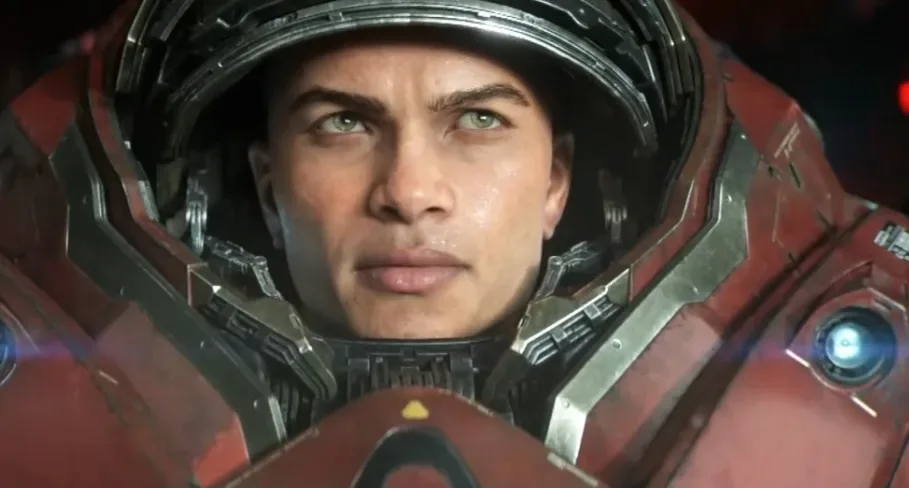
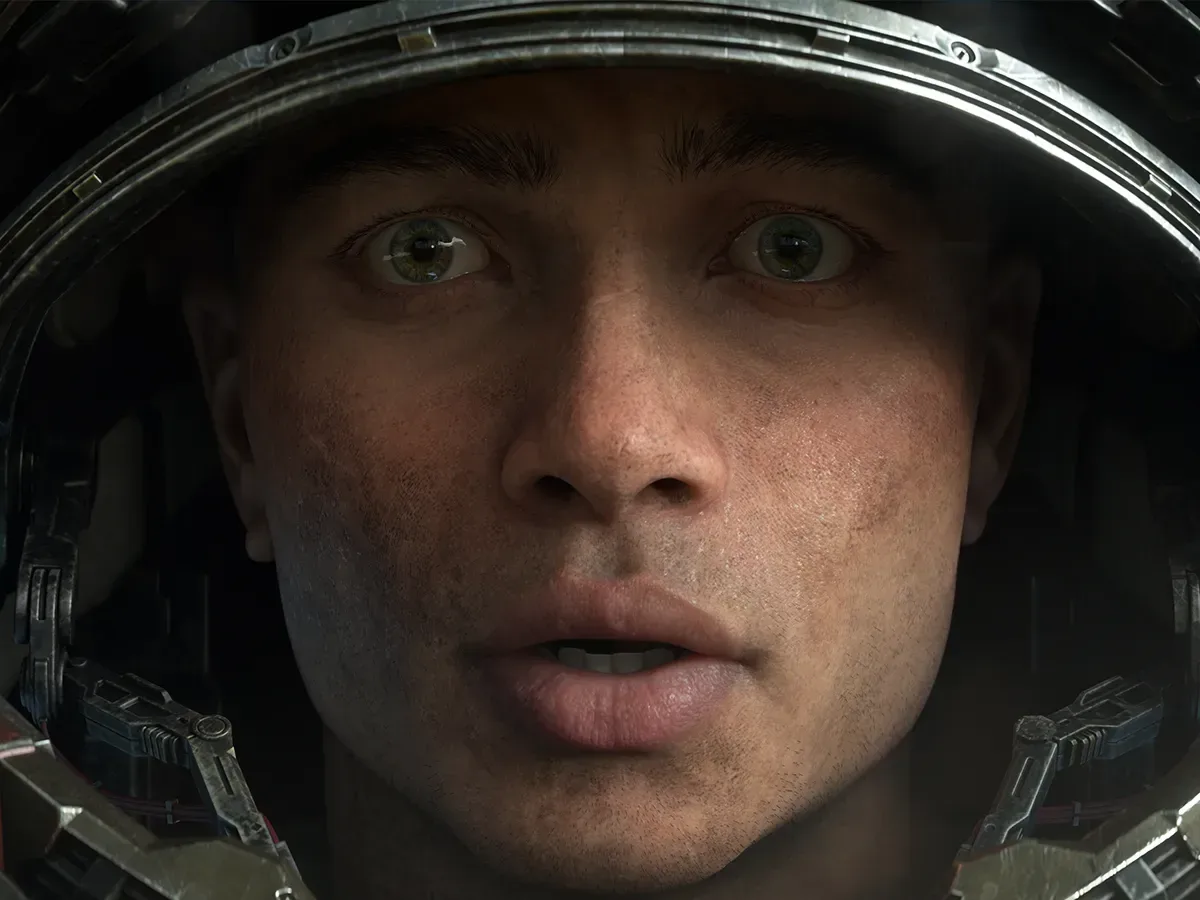
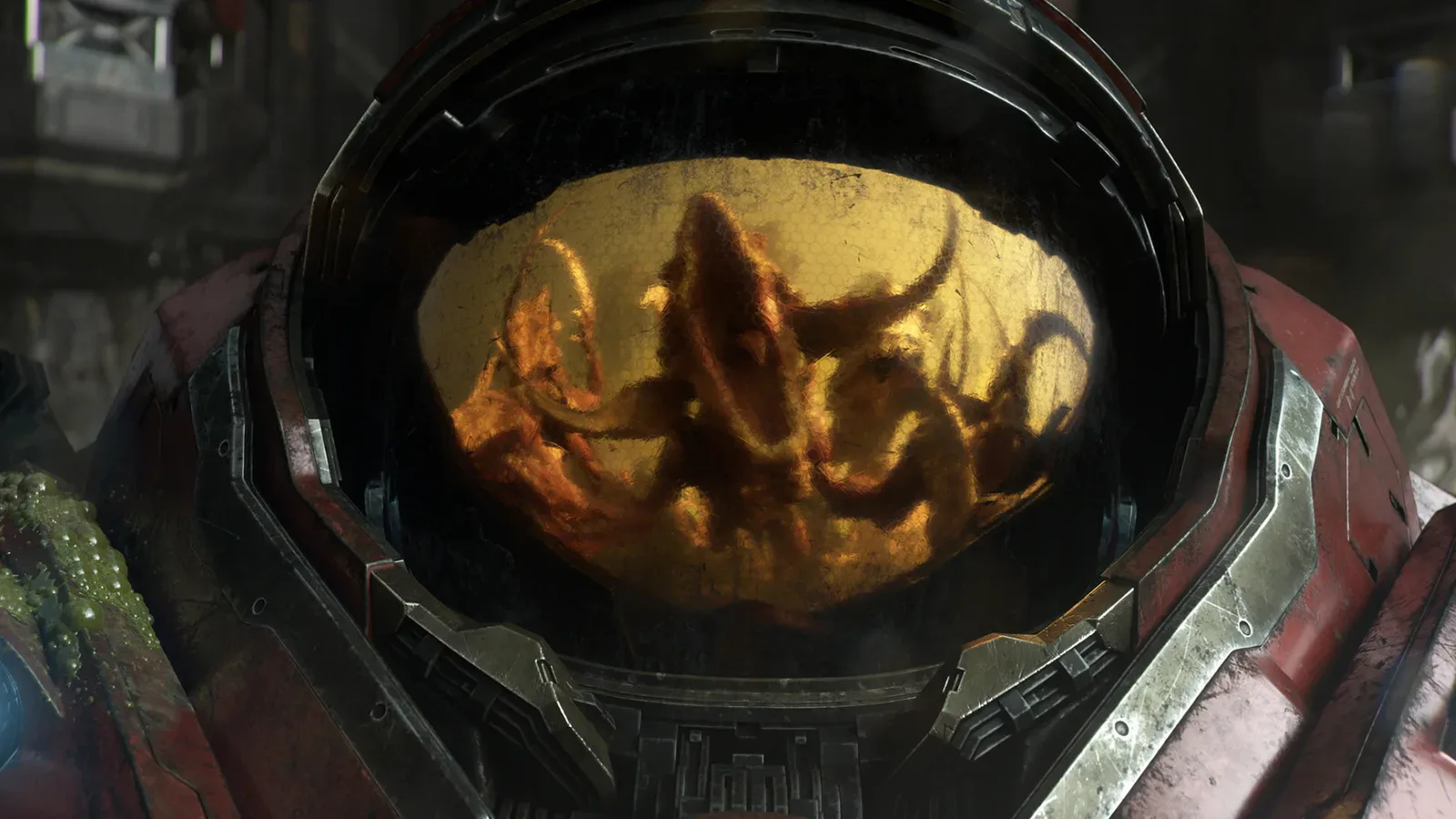
A new StarCraft project being in development is a major signal for a series that has occupied a special place in PC gaming, competitive strategy, and Blizzard history. Yet a 2030 launch target also means that the project should be understood as an early long-term commitment rather than a game ready for close inspection. Its genre, structure, and full scope should not be presumed from the franchise name alone.
What is known is that Blizzard intends to bring StarCraft back into its future release plans. That alone raises large expectations. StarCraft has meant different things to different audiences: campaign storytelling, multiplayer competition, mapmaking communities, memorable factions, and high-level real-time strategy. Any new entry or spin-off will face the difficult task of deciding which of those foundations it preserves and where it changes course.
There is already separate reporting on the project’s intended tone: StarCraft’s new shooter is reportedly aiming for a “Deadwood in space” flavor ahead of its 2030 launch. That description should be treated as a clue to creative direction rather than a substitute for official specifics. A tonal comparison does not establish gameplay, modes, supported hardware, or final content. With so much time remaining, those details are precisely where projects can evolve.
Big ambitions meet a difficult Xbox backdrop
Blizzard’s long-view presentation is unfolding alongside a more sobering corporate reality. Xbox is expected to undergo another 1,600 rolling layoffs over the next year. The contrast is hard to ignore: a company is asking audiences to look ahead to 2029 and 2030 while employees across the larger organization face immediate uncertainty.
Faries has said that preserving Blizzard’s distinct creative and cultural character is her foremost concern. That emphasis reflects a basic truth about studios with famous names: franchises are valuable, but their continued quality depends on the people and working environment behind them. Large sequel plans can create focus, but they can also put extraordinary pressure on teams when schedules, resource allocation, and creative expectations collide.
There is no public basis to claim exactly how the broader Xbox layoffs will affect Diablo 5 or StarCraft. It would be premature to assume either direct harm or total insulation. What can be said is that staffing upheaval makes promises of continuity and on-time execution harder to evaluate from the outside. Blizzard’s ability to protect its culture will be tested through decisions that are not always visible in a convention presentation or a release-window graphic.
The Microsoft-era strategy behind the reveals
The early commitments also fit a broader industry preference for durable, recognizable series. Under Xbox leadership, there has reportedly been pressure for studios to concentrate on major sequels and spin-offs and to deliver them with more regularity. That strategy is understandable. Established franchises are easier to communicate, easier to market internationally, and less risky on paper than entirely new properties.
Yet Blizzard is not traditionally built like an annualized production machine. Its reputation was shaped by long development cycles, iteration, and a willingness to delay when a project was not ready. That history produced beloved games, but it also cultivated the expectation that Blizzard time could be unpredictable. The new stance appears to seek a middle ground: retain the scale and character associated with Blizzard, while becoming more reliable about the cadence of its biggest releases.
Whether that balance is achievable will be the real story between now and 2030. The important evidence will not come from the size of the franchises alone. It will come from how often Blizzard communicates clearly, whether its milestones hold, how it supports current communities, and how it handles the human realities of building enormous games during a period of corporate change.
For now, Diablo 5 in spring 2029 and StarCraft in 2030 are unusually explicit markers on a distant calendar. They give fans something substantial to anticipate, while also giving Blizzard a very public standard to meet. The studio is betting that clarity now will build faith later. In an industry where plans regularly move, that is a bold wager—and one that cannot be settled until the games are much closer to players’ hands.