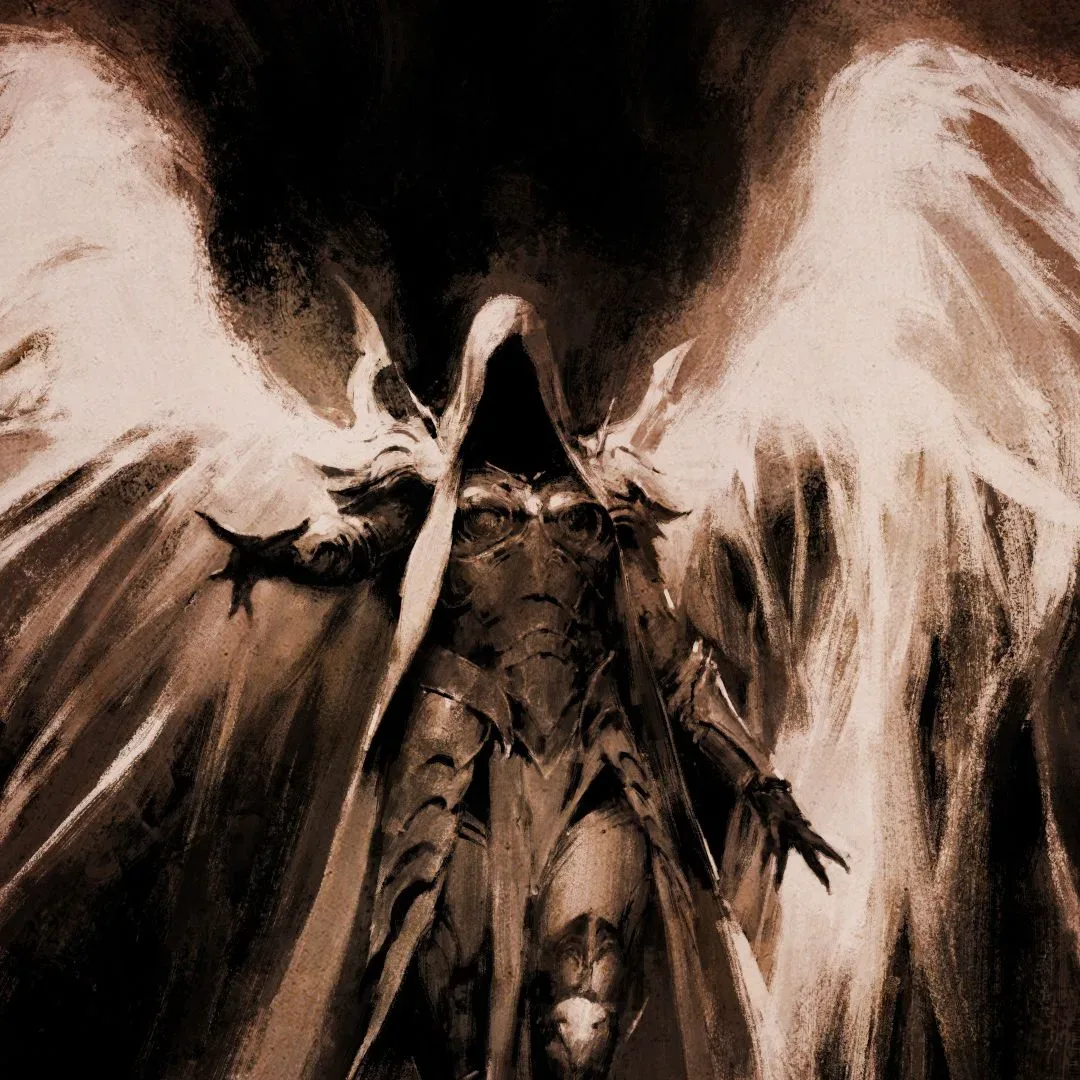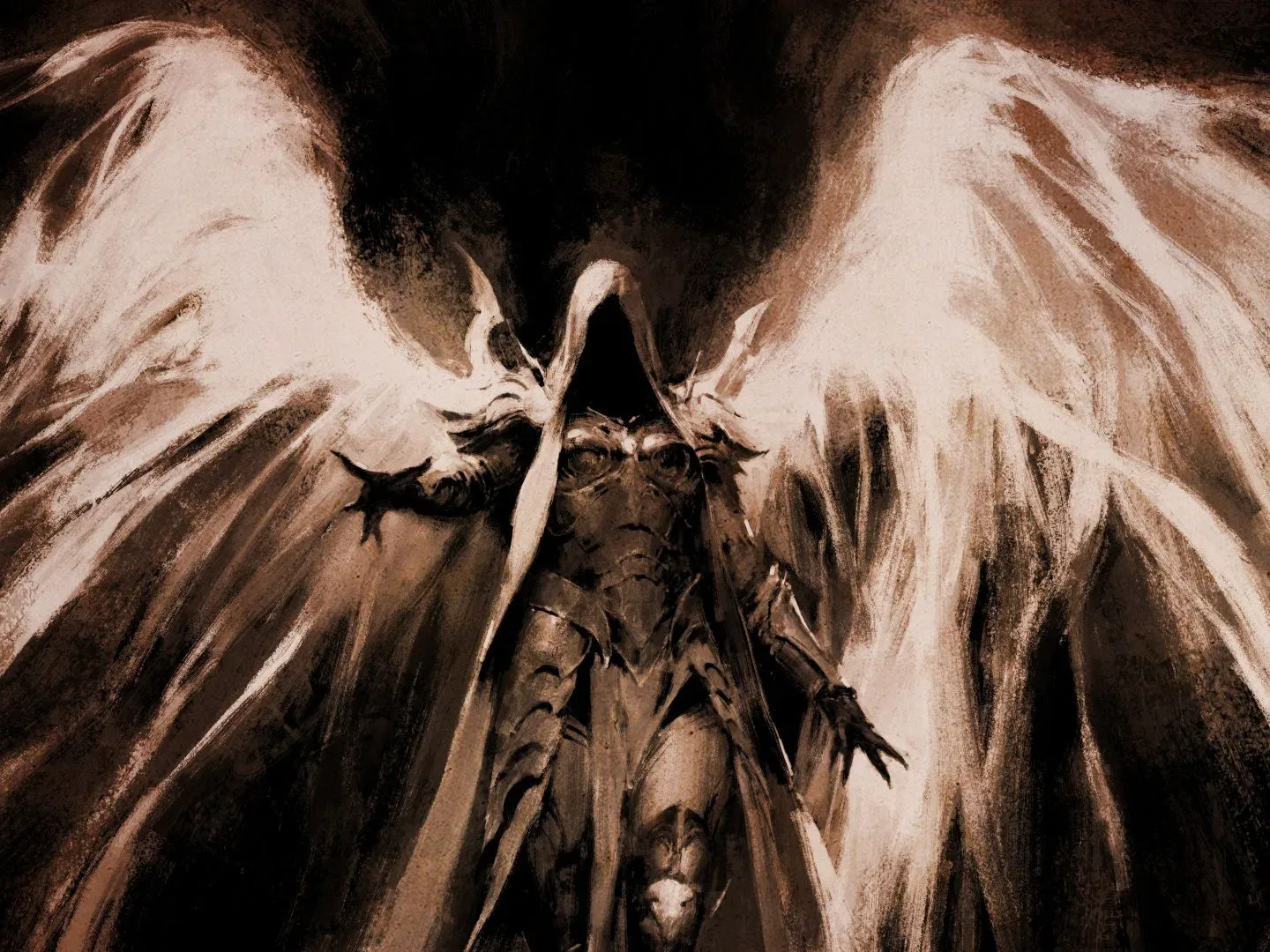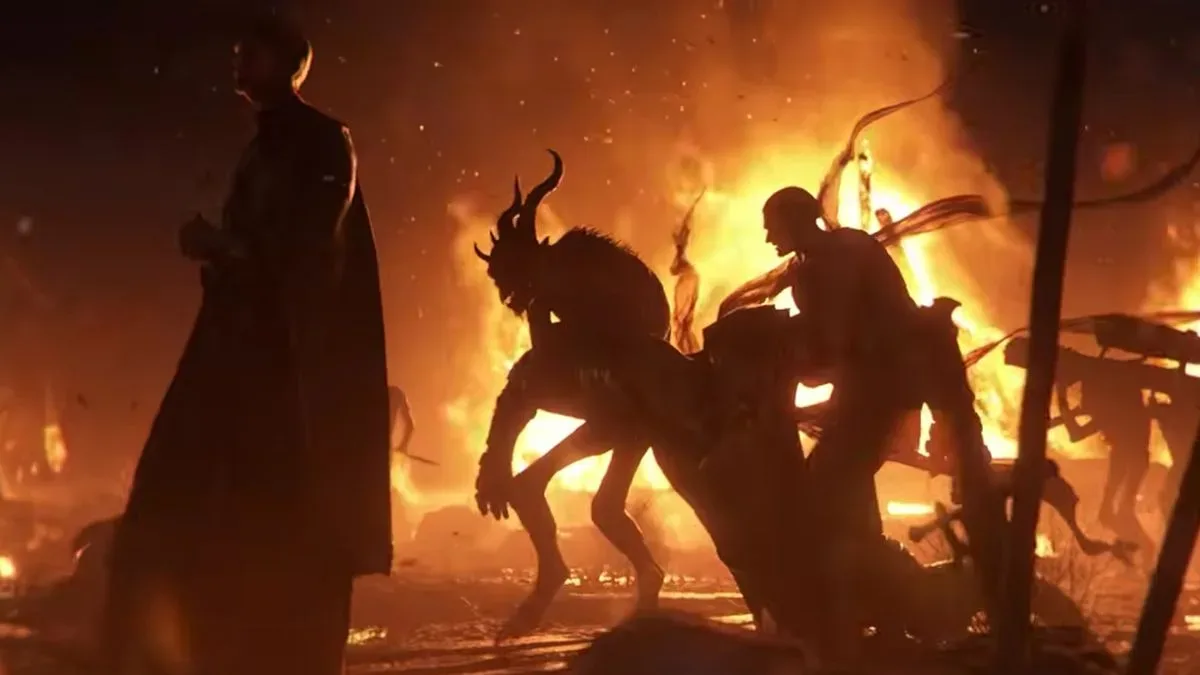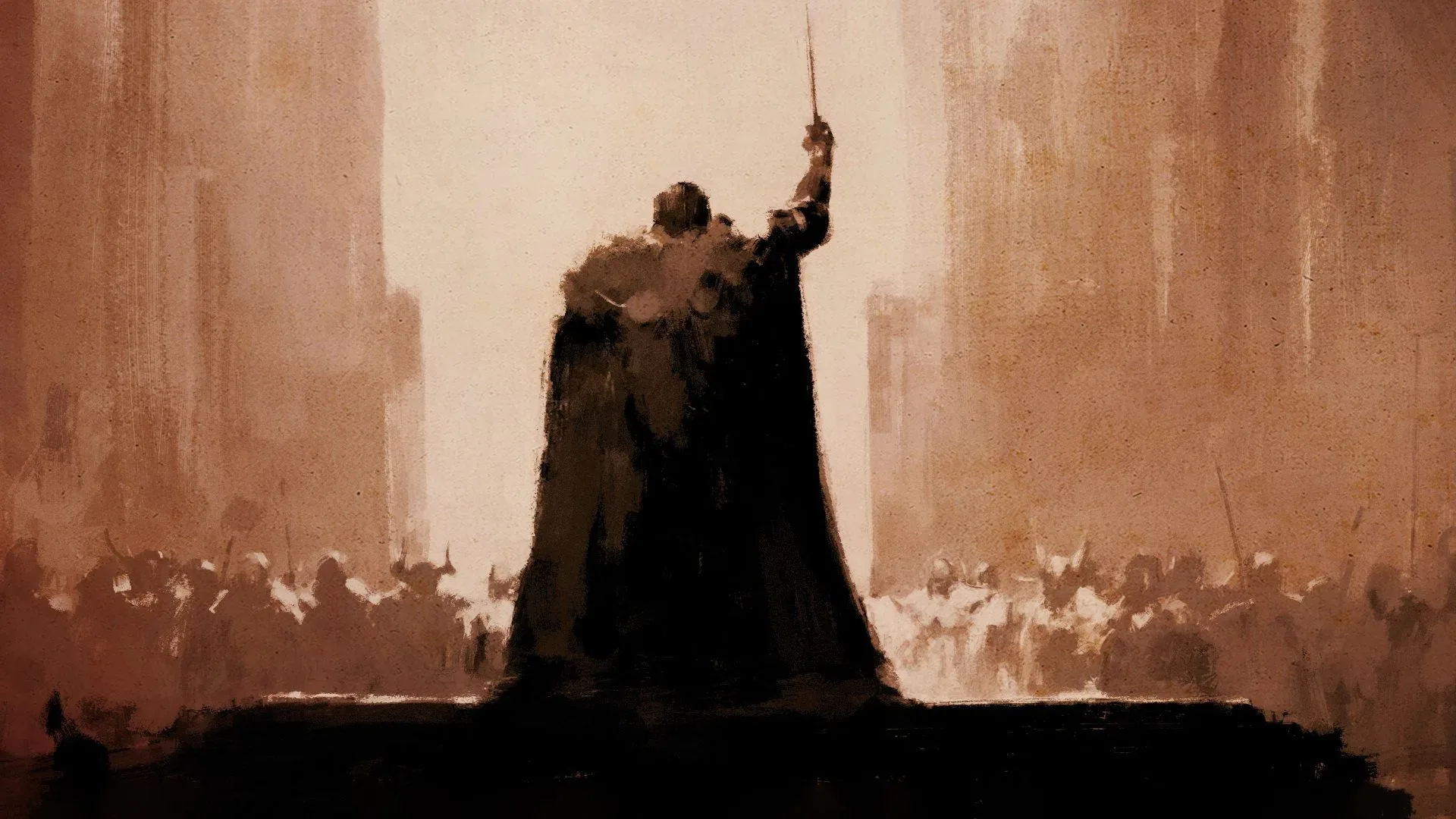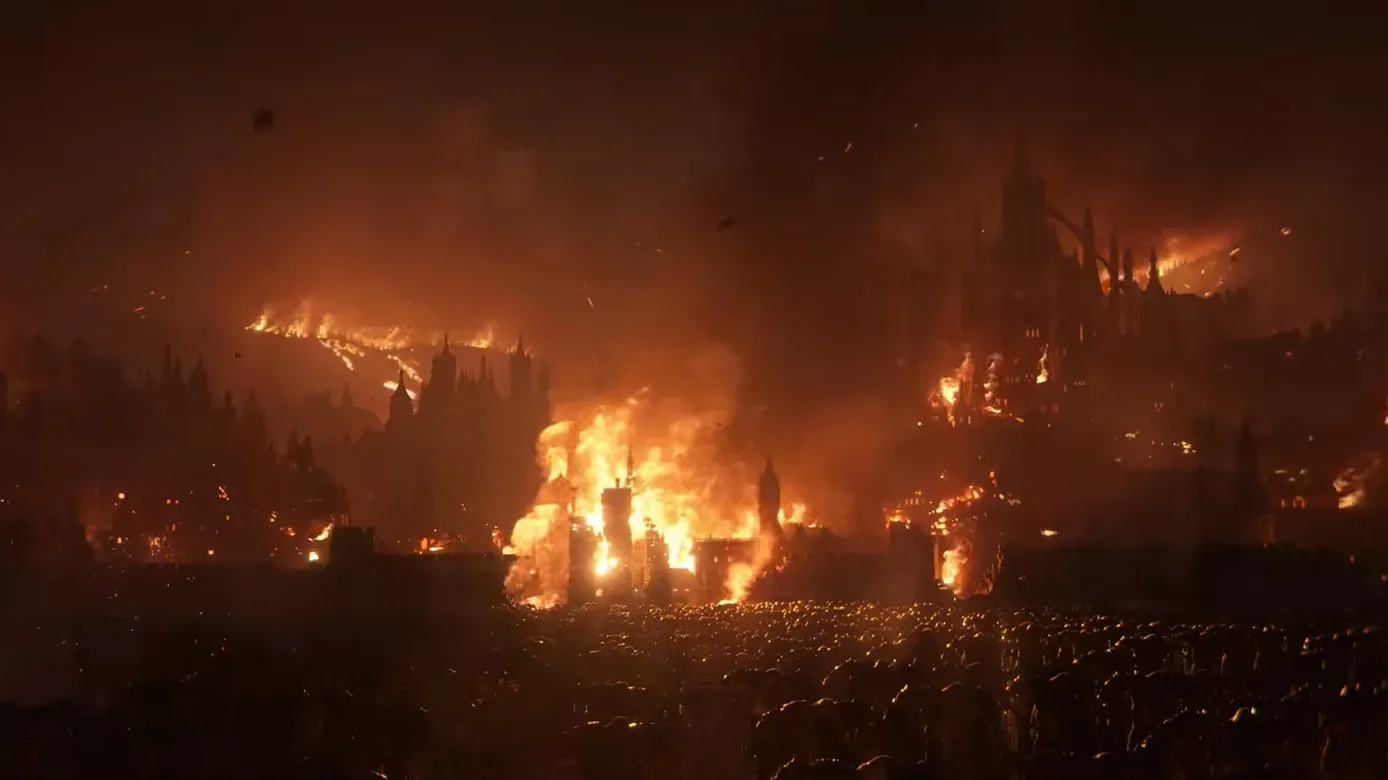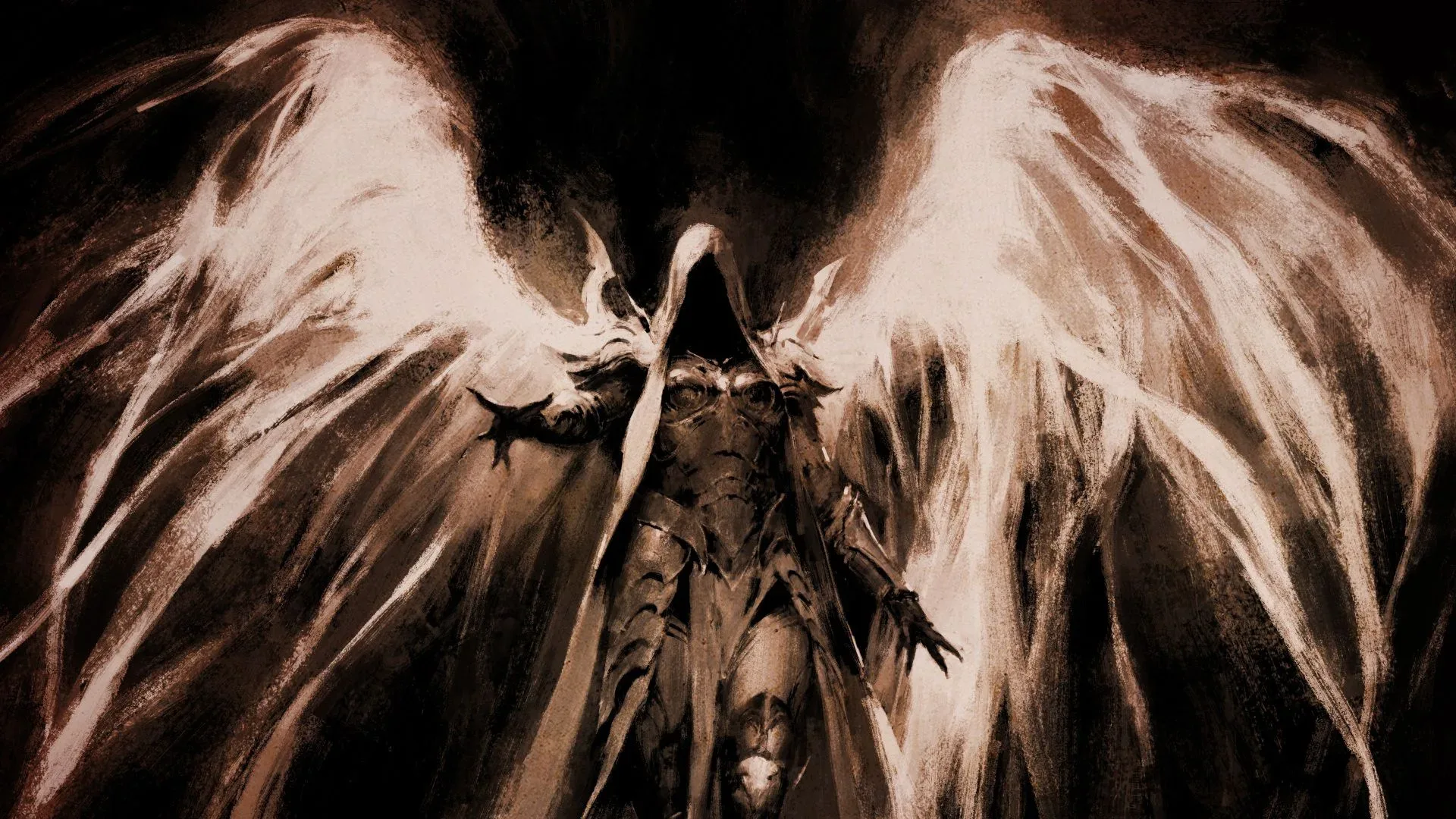
Diablo 5 is not simply the next chapter after another Diablo 4 expansion. Blizzard’s stated plan is to stop producing full expansions for Diablo 4 after its existing pair and concentrate on a new sequel planned for spring 2029. The reasoning, as described by Diablo 5 executive producer Matt Zitterman, comes down to both the scale of the changes envisioned for the series and a belief that Diablo himself deserves a story built as the foundation of a full game.
For Diablo 4 players, the immediate distinction matters: seasonal support is set to continue. Full expansions, however, are not. Diablo 4 has received 2024’s Vessel of Hatred and this year’s Lord of Hatred, but those are now positioned as the end of its expansion roadmap rather than steps toward a third major add-on.
That decision has understandably prompted a basic question: why make Diablo 5 now, rather than use Diablo 4 as the vehicle for another large narrative and mechanical expansion? The clearest answer is that the planned sequel is intended to make changes substantial enough that adding them onto the current game would have been difficult—and that its central villain calls for more than an add-on’s scope.
Diablo 4 seasons continue, but expansions stop
The end of expansions does not mean Diablo 4 is being abandoned. Blizzard intends to keep delivering regular seasonal updates, including seasons in the vein of Season of Hell’s Legacy. In an action RPG, a seasonal update generally means a recurring content cycle that can introduce a new questline, theme, activities, or other gameplay changes for players to engage with over a limited period. An expansion is the bigger commitment: a substantial, permanent package commonly associated with new story material and broader game additions.
In practical terms, that leaves Diablo 4 with an active near-term future but a defined ceiling on its major paid-scale additions. Players looking to keep making seasonal characters and following seasonal story content will still have a reason to return. Players hoping that Diablo 4 would receive another expansion after Lord of Hatred now have a different reality to weigh: the next major leap for the franchise is being reserved for the sequel.
That creates a long bridge to Diablo 5’s planned spring 2029 window. It also gives Blizzard a clear split in responsibility. Diablo 4 can remain a live, seasonally updated game, while Diablo 5 is developed as a fresh project rather than an ever-larger layer built over the existing one.
“Deeply structural changes” are at the center of the sequel decision
Zitterman said the team began by asking fundamental questions about the audience: who Diablo players are, why they play, and what they want from a Diablo game. He framed that player understanding as work that needs to happen before a studio decides whether an idea should become an expansion or a sequel.
“Who are Diablo players? Why are they playing Diablo? What do they want out of a Diablo game?” Zitterman said. “That is a really critical step in the early conceptual phase for a game, even before you’re thinking about, ‘should we make this an expansion? Should we make it a sequel? How do we do this?’”
Blizzard then considered what people responded to positively and negatively in Diablo 4, using that feedback to define the series’ larger ambition. Zitterman said the team realized relatively early that it would need “some deeply structural changes” to reach its goals, and that doing so through an expansion would have been difficult.
“Structural” is an important word here. It suggests a change to the game’s basic framework rather than a self-contained addition such as a new region or story arc. Blizzard has not publicly laid out every system behind that statement, so it would be premature to fill in the blanks with assumed class changes, endgame plans, progression revisions, or platform details. But one announced design decision offers a strong illustration of the intended break from convention: Diablo 5 will remove towns and safe zones entirely.
Safe zones are spaces where a game temporarily removes or limits danger, allowing players to regroup, trade, manage equipment, or simply take a breather. Towns have traditionally served a related role in Diablo games: a dependable hub amid hostile territory. Their removal is therefore more than scenery. It changes the rhythm of play by taking away the obvious sanctuary between encounters.
Blizzard has tied that decision to Diablo 5’s premise: Diablo has already won the major war against humanity when the story begins. If Sanctuary no longer has reliable protected spaces, the fiction and the play structure point in the same direction. The stated aim is a darker Diablo game, but the available detail is specifically about safety and atmosphere—not a comprehensive account of every feature or mechanic.
Diablo, not just another expansion villain, is the pitch
The more direct explanation is narrative. Zitterman said Diablo is the central villain Blizzard wants to tell “a real story about,” with an ambition to meet or surpass the stories told around Lilith and Mephisto. In that framing, making Diablo 5 is not merely a technical reset. It is a decision about who should be at the center of the game’s identity.
“Diablo is the main villain. Diablo is the guy that we want to tell a real story about,” Zitterman said. “We want to tell a story that’s on par, and hopefully exceeds, the story that we told with Lilith and Mephisto, and to do that in an expansion just didn’t feel right. We needed to give him his own game.”
That point clarifies the distinction Blizzard is drawing. Diablo 4’s story has strongly been associated with Lilith, even though Diablo has now arrived in the game through a new seasonal questline. Mephisto has also been a major narrative figure through Diablo 4’s expansion era. Diablo 5 is being positioned to put the Lord of Terror at the heart of the project from the start, rather than bringing him in as a late-game escalation after the game’s initial narrative identity has already been established.
It is a meaningful creative promise, though it remains a promise rather than a completed result. Diablo has been the principal antagonist in every Diablo release to date, so the question for the sequel is not simply whether he will appear. It is how a game developed explicitly around him will make that role feel distinct. The confirmed premise—that humanity has already lost the big war before the opening—and the absence of towns and safe zones indicate a more total sense of defeat than a conventional heroic campaign begins with. Beyond that, the specific storytelling approach has not yet been detailed.
What the absence of towns could mean for the tone
Diablo 5’s no-safe-zone approach is the most concrete sign that Blizzard sees the sequel as an opportunity to alter the player’s relationship with Sanctuary. A town is not just a utility area. It is a pacing device. It separates conflict from recovery, danger from preparation, and the wilds from civilization. Remove it, and the game loses an established form of emotional punctuation.
That does not by itself tell players exactly how Diablo 5 will handle inventory, interaction, recovery, or other familiar needs. Those specifics have not been supplied. What it does establish is a design goal: players should not expect the traditional assurance that there is a reliably safe place waiting nearby. Given the opening premise, that is thematically coherent. A world conquered by Diablo should not feel comfortably organized around little islands of normality.
There is also a production implication. If core assumptions about shelter, hubs, and the world’s atmosphere are changing, then a sequel can make those choices foundational instead of retrofitting them around an existing game’s content and player routines. That does not prove an expansion could never have accommodated the ideas. Zitterman’s point is more modest and more useful: Blizzard concluded that its preferred version would be hard to realize as an expansion.
Why this matters for Diablo 4 players now
The news creates two different timelines. Diablo 4 remains the place for ongoing seasonal content, and its existing expansions remain the game’s major expansion pillars. Diablo 5 is the long-range project, planned for spring 2029, with a more structurally different vision and Diablo as its headline antagonist.
- Seasonal players: Diablo 4 is expected to keep receiving regular seasons, so its live-service cadence continues.
- Expansion-focused players: There will be no further Diablo 4 expansions beyond Vessel of Hatred and Lord of Hatred.
- Story-focused players: Diablo 5 is where Blizzard intends to give Diablo a central, full-game narrative role.
- Players watching for a format shift: The confirmed removal of towns and safe zones is the clearest early evidence that Diablo 5 is not being designed as business as usual.
The long development runway also makes the division of labor unsurprising. Keeping Diablo 4 seasonal while building a full sequel asks for sustained planning across a franchise, a topic that also sits within the broader conversation around how game teams are organized and supported, as explored in this look at leaner game teams and industry layoffs. There is no basis here to draw a direct comparison between those circumstances and Blizzard’s plans, but Diablo’s split between ongoing updates and sequel development is a reminder that live games and new games create overlapping, long-term demands.
A sequel built around a different kind of Sanctuary
Blizzard’s rationale comes down to ambition, structure, and focus. Diablo 4 will retain seasonal life, but its expansion chapter is ending. Diablo 5 is planned as the place to make larger foundational changes, beginning with a Sanctuary without towns or safe zones, and to tell a story in which Diablo is not merely present but the core narrative subject.
There is still much the public has not seen. No broad feature list has been established beyond the information currently shared, and the spring 2029 timing remains a planned release window. Yet the direction is already easy to identify: Diablo 5 is being framed not as Diablo 4 with one more layer added, but as a deliberately darker reset in which the Lord of Terror has already made the world feel unsafe before players even begin.