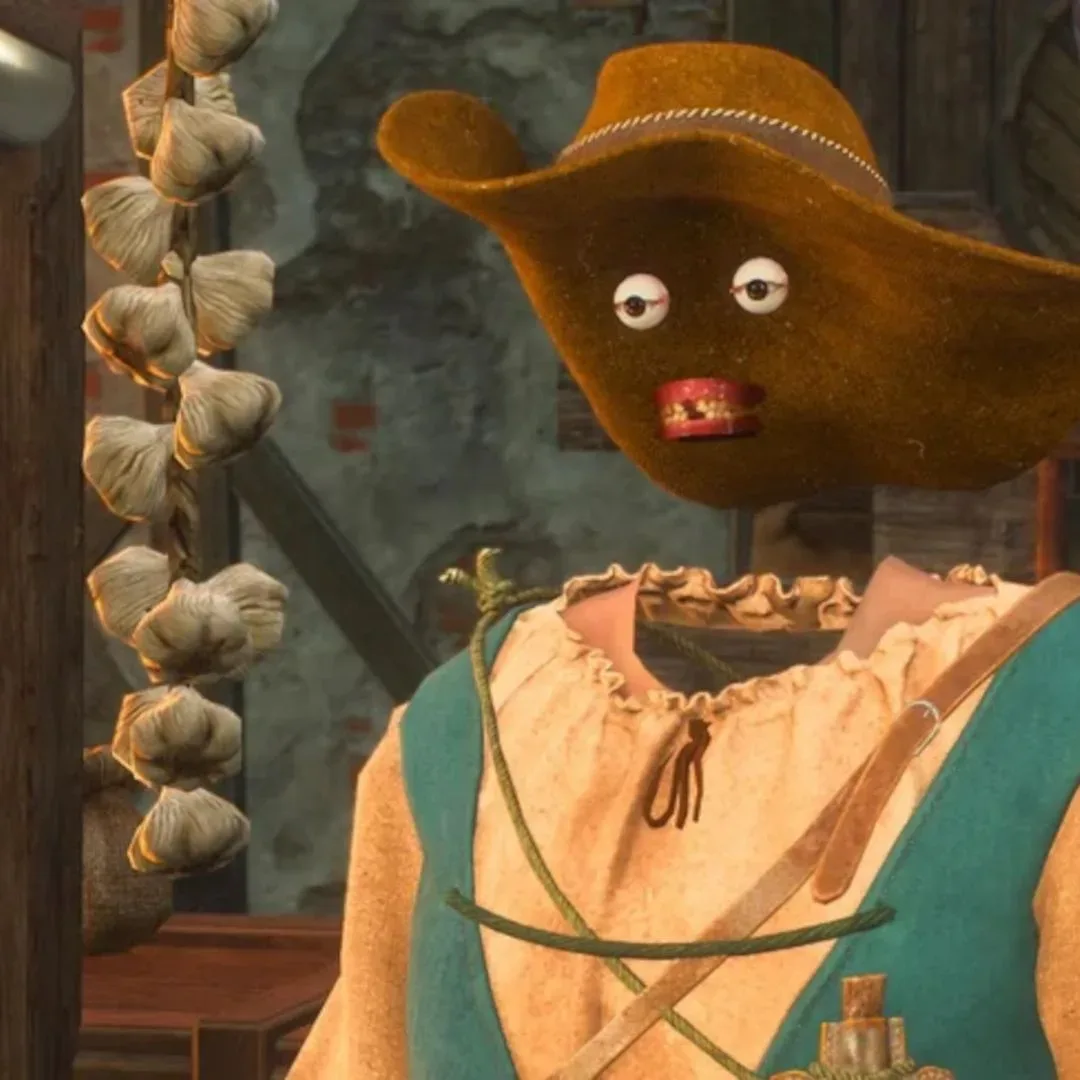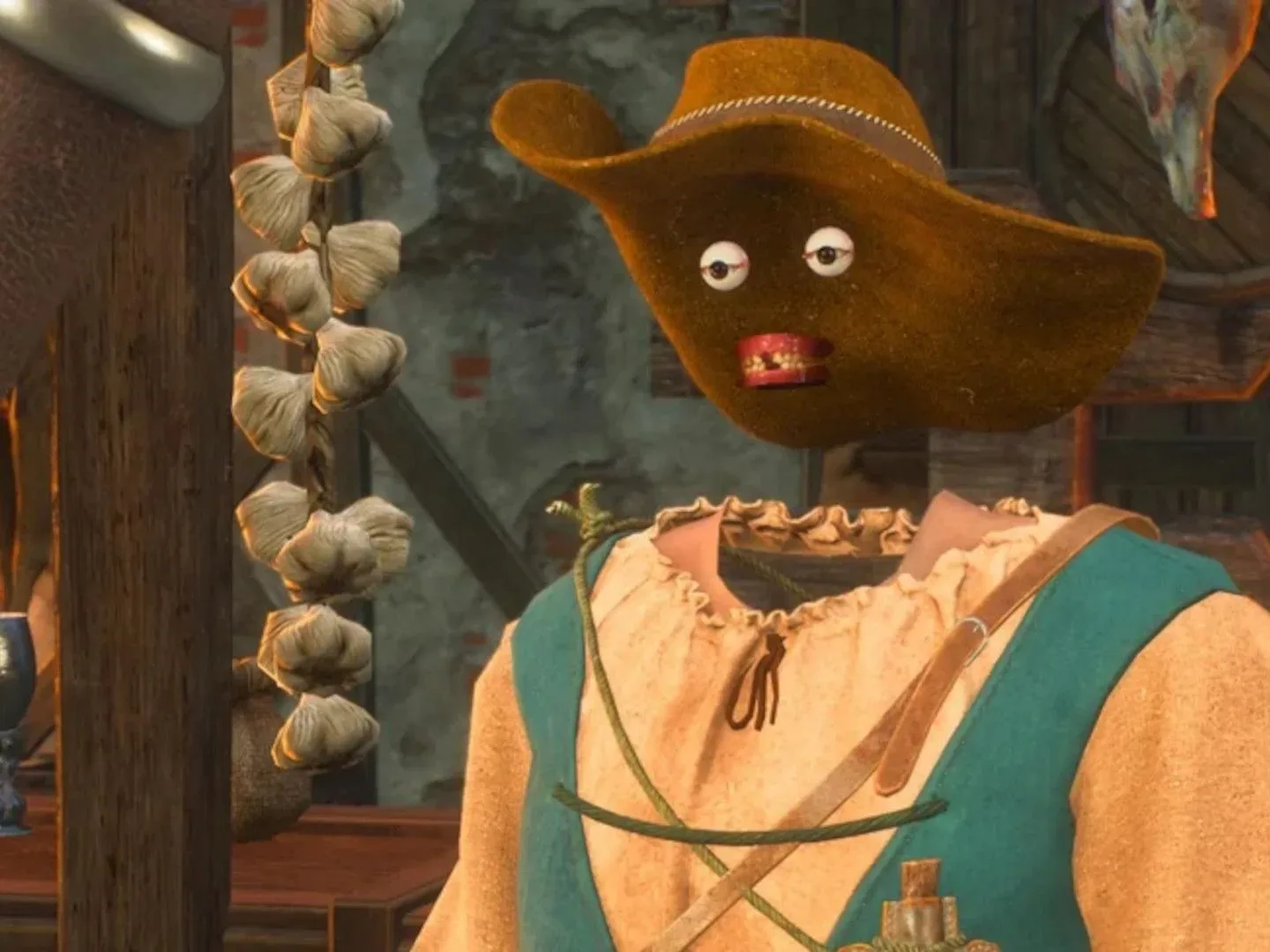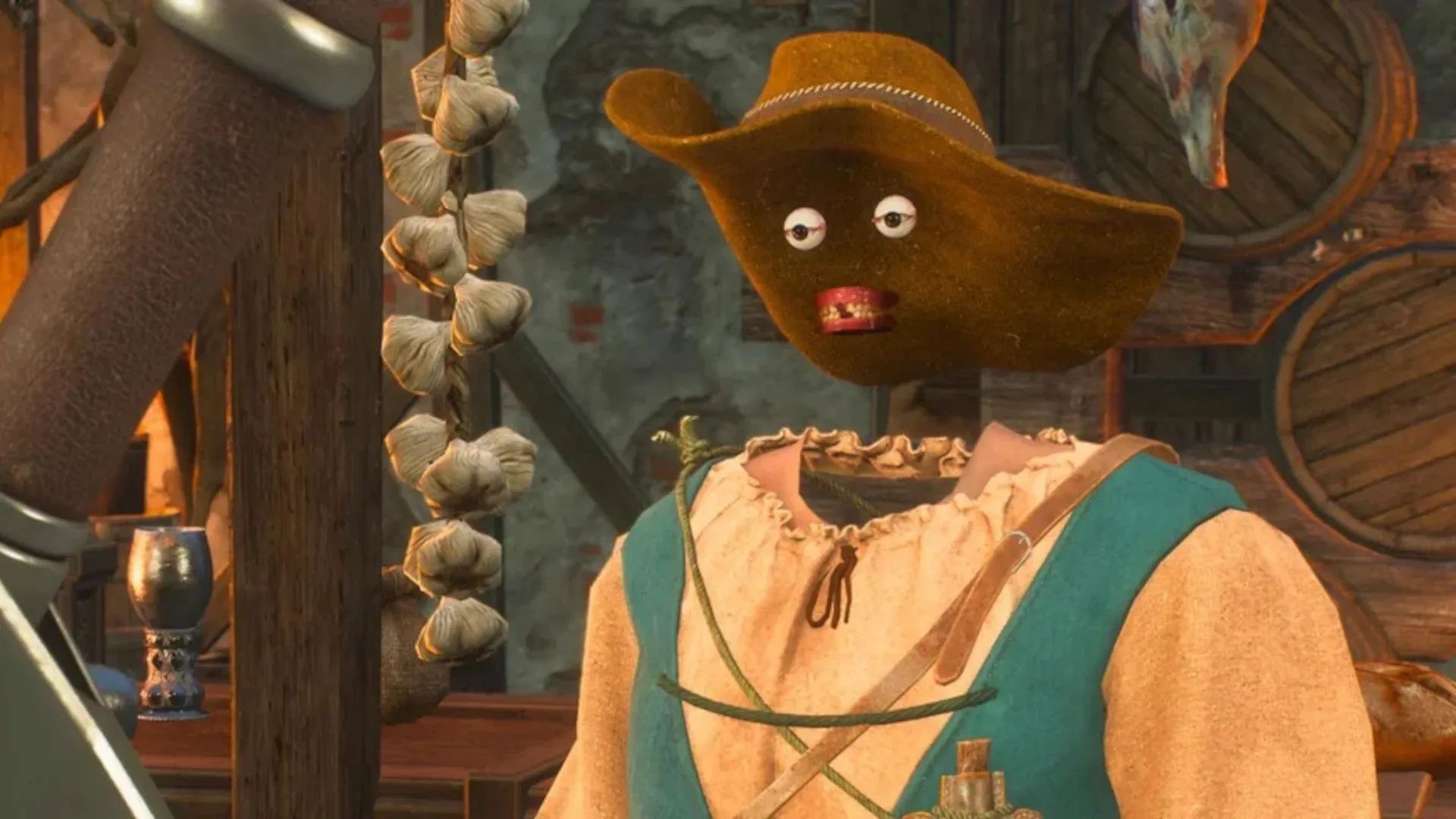
The Witcher 3 Remastered has reportedly introduced a particularly unsettling sight to parts of the Continent: NPCs whose faces fail to render, leaving eyes, teeth and hair visible where a fully modeled character should be. Player posts show the issue affecting more than one person in more than one location, turning otherwise routine conversations with inn residents and street merchants into accidental horror scenes.
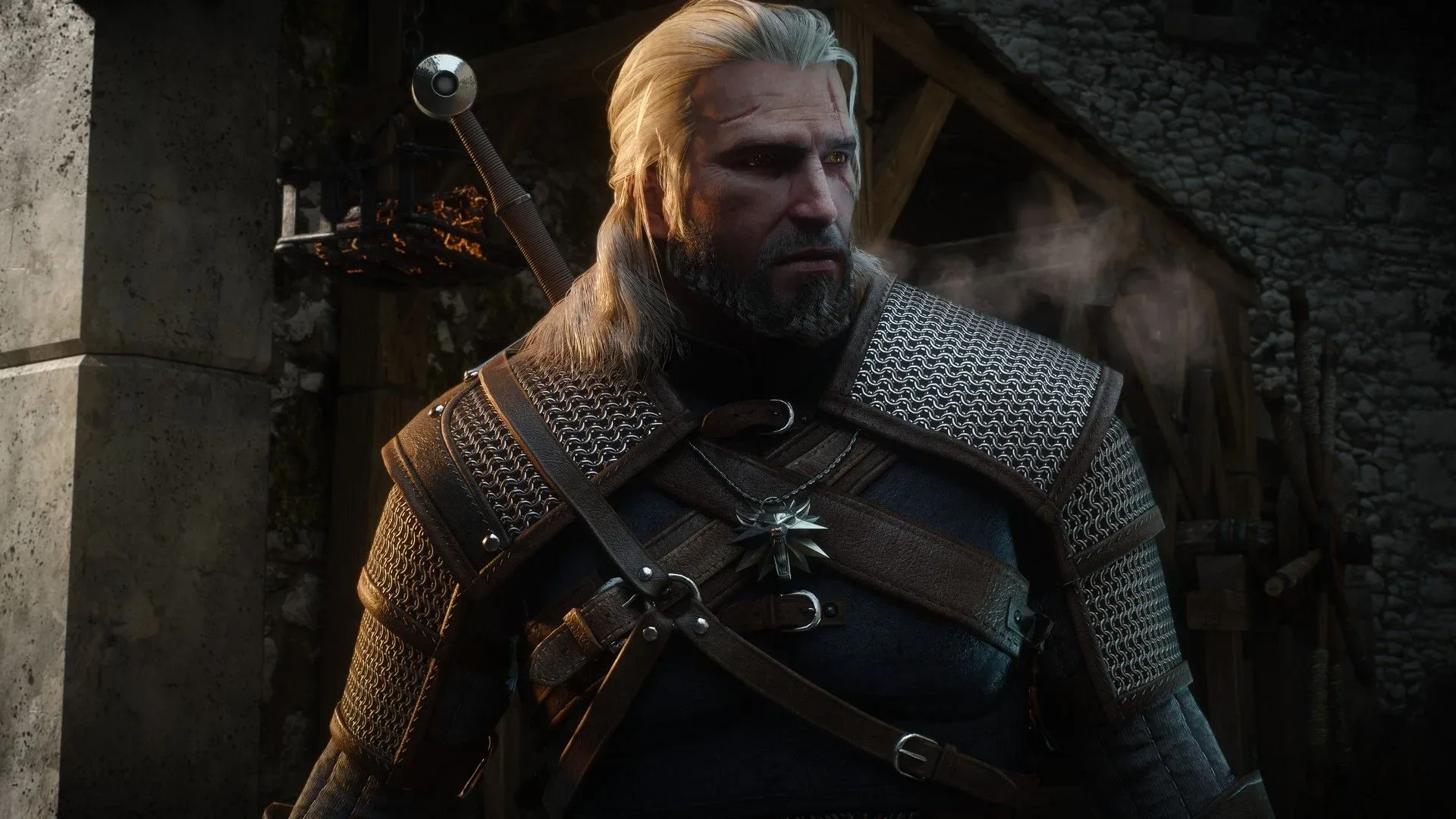
The remaster arrived on September 29 and has broadly given returning and first-time players a reason to revisit Geralt’s large-scale adventure, including a wider selection of settings to adjust. But the reports underline an important reality for any sizeable RPG refresh: visual upgrades and expanded configuration options do not necessarily eliminate every edge-case loading error. In this instance, the result is memorable because it changes the most human part of an interaction—the face—into something profoundly inhuman.
What players are seeing
The reported glitch does not appear to be confined to one named character or a single moment in the game. Shared examples show an affected NPC at an inn and another merchant outdoors. One player said it was not the first character they had encountered with the problem, suggesting that the issue can recur during a save rather than being limited to one scripted scene.
“This is not the first character I found having this issue. Their body restored after I left the inn for another quest then came back to them.”
That account is useful, but it is not a guaranteed fix. It describes one player’s outcome after leaving an area, progressing elsewhere and returning; it does not establish what triggers the missing-face state, nor does it confirm that every affected NPC will recover in the same way. Other shared examples come from different points in play, including one at roughly 15 hours and another near the end of a questline.
In practical terms, the available reports point to a visual presentation problem rather than evidence of an unavoidable quest blocker. Still, a malformed NPC can make it harder to take a scene seriously, especially in a game that depends heavily on dialogue, close-up performances and character expression. Even an ordinary vendor exchange takes on a different tone when the person on screen resembles a haunted set of dental work.
Why the Assassin’s Creed Unity comparison lands so hard
Players have immediately compared the images to the infamous character-rendering failures associated with Assassin’s Creed Unity at launch. In those cases, NPC faces could appear absent while isolated features such as eyes, teeth and hair remained. The screenshots became a lasting shorthand for a game character model failing in a spectacularly visible way.
The comparison is about the image, not proof that the two games share a cause. A face that fails to display can result from a number of rendering or asset-loading problems, and the reports here do not identify a technical explanation. It would be a leap to call this the same bug or to assign blame to a particular setting, hardware component or game system without confirmation.
Related coverage includes The Witcher 3 Remastered Players Report Eerie Missing-Face Character Glitches.
What can be said is that faces are unusually sensitive visual territory. Players are adept at reading expressions, eye contact and small changes in a character’s features. Remove the surrounding face while retaining the eyes and mouth, and the game produces a distorted version of a familiar human signal. That is why these screenshots can be funny and creepy at once: the scene is recognizably a conversation, but the visual information that makes it socially normal has fallen apart.
Rendering, loading and a carefully limited explanation
Rendering is the process of drawing a game’s 3D scene for the player to see. A character is not simply one indivisible object; it can involve geometry, textures, hair, clothing, animation and other elements that must appear together convincingly. A texture is the visual surface detail applied to a model, while a character model is the three-dimensional shape that is animated on screen.
When players describe an NPC as “not fully loading,” they are describing the visible outcome: certain parts have appeared and others have not. The reports do not reveal whether the absent material is geometry, a texture, a streaming problem, a temporary state tied to an area, or something else entirely. The distinction matters. Screenshots are powerful evidence that a visual defect occurred; they are not, on their own, a diagnostic report.
That restraint is especially worthwhile with a remaster. New settings can provide more ways for players to tailor the presentation, but the existence of a configuration menu does not tell us which option, if any, is involved in a given anomaly. Until a reproducible pattern or an official technical explanation emerges, the most accurate description is simple: some players are encountering NPCs with incompletely rendered faces.
What affected players can reasonably do
The one recovery anecdote provides a sensible low-risk first response: leave the immediate area, continue with another activity, then return and see whether the character displays normally. Since that outcome is only player-reported, it should be treated as a workaround to try rather than a dependable repair.
- Note where and when it happens. Record the location, the NPC involved, the quest state and roughly how long you had been playing. Those details can help show whether reports share a pattern.
- Capture a screenshot or short clip. The defect is visual, and an image makes the affected features clear. It also preserves useful context such as the character and environment.
- Leave and return. One player found that an NPC’s appearance restored after they went elsewhere and came back. Results may differ.
- Avoid assuming the quest is broken. The available accounts focus on appearance, not confirmed progression failure. Check whether dialogue and objectives remain available before abandoning a task.
- Report the issue with specifics if it repeats. Repeated, documented occurrences are more useful than a general description of a scary-looking NPC.
There is no supported basis in the reported cases for advising players to alter a specific graphics setting, reinstall the game, change hardware, or take other more disruptive steps. Those actions may be common responses to PC game issues, but they would be speculation here. Keeping the response proportionate is the better course when the evidence currently consists of scattered visual reports.
A tiny glitch with an outsized effect
There is a peculiar contrast at the heart of these sightings. The Witcher’s world already contains monsters, curses and unnerving encounters, so a face-less stranger almost looks thematically appropriate at first glance. Yet the bug is more disquieting precisely because it is happening to ordinary people who should be delivering mundane dialogue or selling goods. The game’s intended threat is replaced by an accidental one: a normal scene that no longer obeys the basic visual rules players expect.
It also illustrates why bugs are not judged only by their frequency or gameplay severity. A minor texture imperfection may go unnoticed. A character whose face becomes floating eyes and teeth can define a player’s memory of a session—and spread rapidly because the screenshot explains itself immediately. The strongest reaction is not necessarily, “This stopped my progress.” It is, “Why is that person looking at me like that?”
For now, the reports paint a limited but vivid picture rather than a complete technical map of the problem. The effect has been seen across disparate playtimes and characters, and at least one player says it cleared after revisiting the area. That is enough to establish that the phenomenon is not an isolated image, but not enough to determine its scale, cause or permanence.
Players drawn back to sprawling fantasy RPGs may also be interested in how another online fantasy game is emphasizing discovery in The Elder Scrolls Online’s focus on secrets, puzzles and exploration. In Geralt’s case, though, the current unexpected discovery is less a mystery to solve than an accidental visual curse: an NPC who has misplaced almost all of their face.