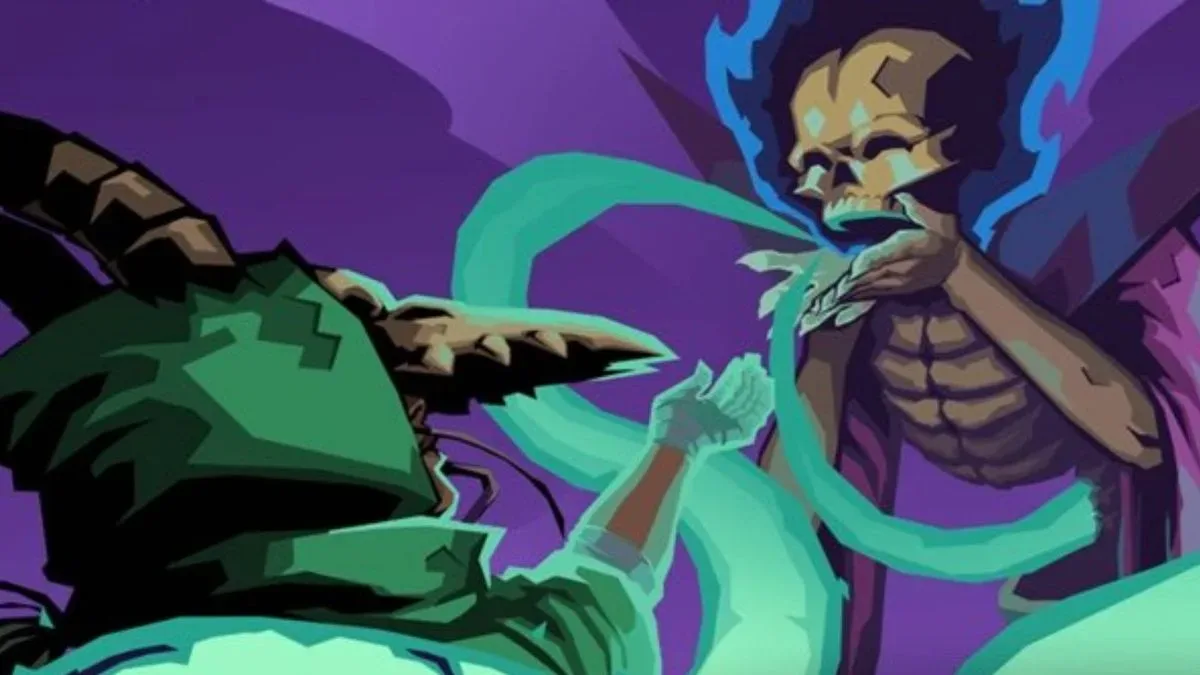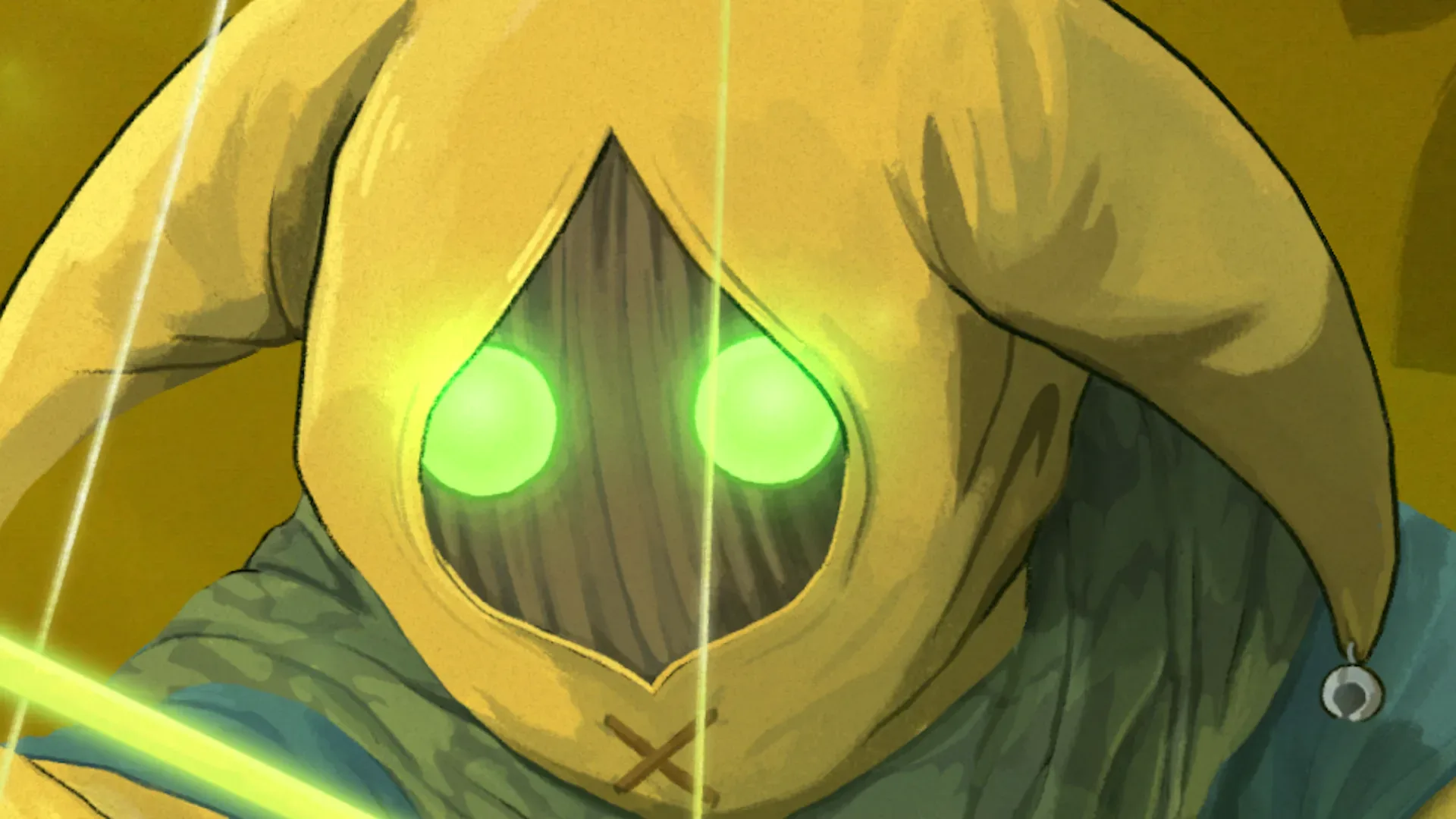
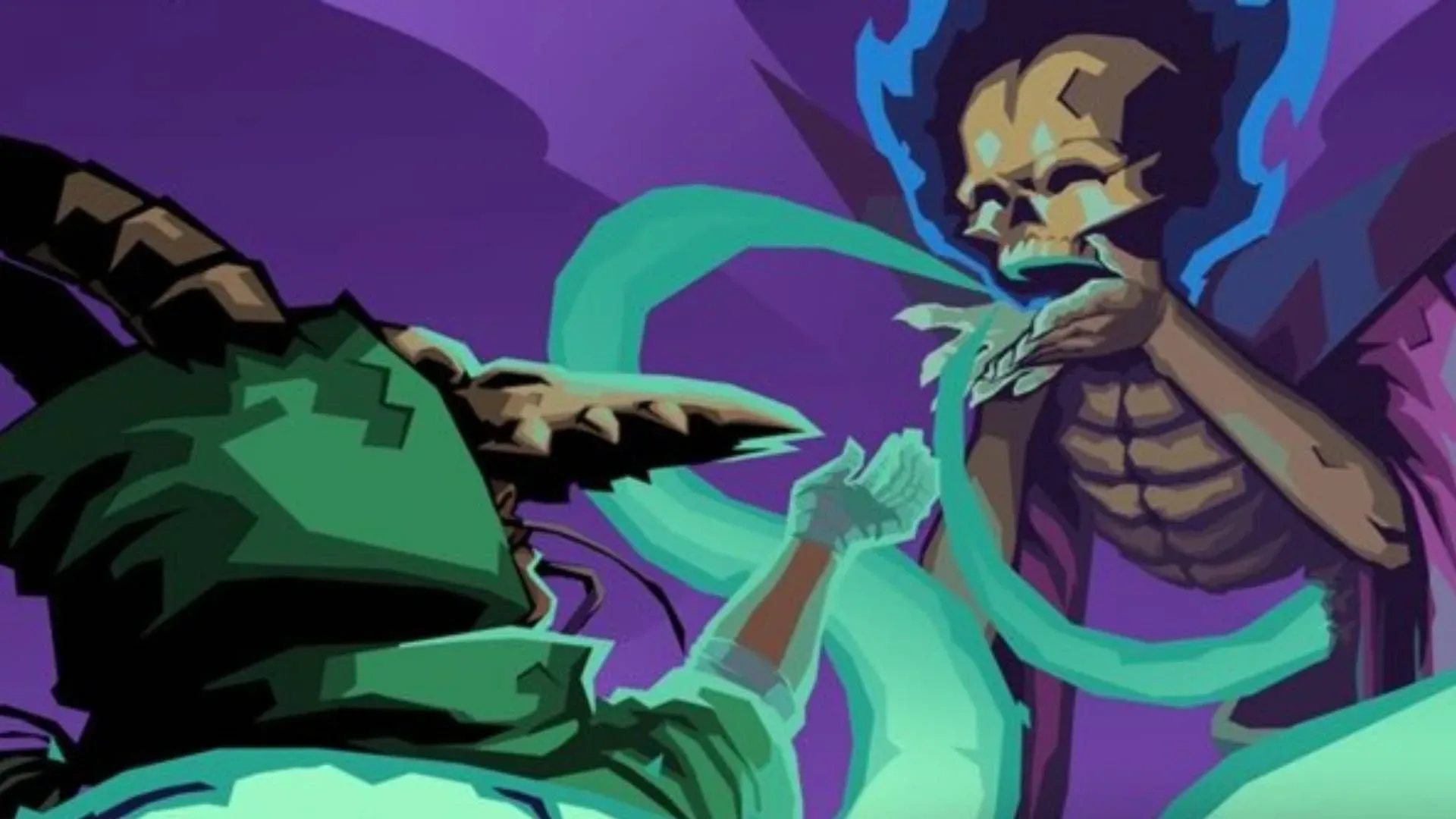
Slay the Spire 2 has delivered a substantial balance pass for The Fool on its beta branch, and the patch’s message is not exactly hidden in an encrypted tarot reading: the character arrived with too much power in too many reliable places.
Patch v0.114.0 is described as being largely focused on The Fool, the newest playable character to join the beta earlier this month. That focus shows in the scale of the card adjustments. Around 20 Fool cards have received nerfs, with reductions touching both offensive output and defensive tools. The update does not simply strip things away, however. It also adds a new card, revises another, and offers a useful early look at how a work-in-progress character can be tuned before reaching the main branch.
The broad implication for players is straightforward: Fool runs may need to rely less on taking the same apparently best cards whenever they appear. That does not necessarily mean the character will become weak. It means the evaluation of a card pick, a deck’s synergy, and a run’s available defenses may become more conditional than they were at launch.
A beta character gets its first major correction
The Fool was always presented as unfinished. Mega Crit indicated when the character entered the beta that significant content and balance revisions were expected before a main-branch release. Patch v0.114.0 is the first clear proof of that process in action.
Beta branches are especially useful for this kind of work because they allow a developer to change a character without treating the initial version as permanent. In a deckbuilding roguelike, even a small numerical adjustment can carry through an entire run. A one-card change affects how often players draft it, which relics or other cards look appealing beside it, how safely a deck can survive difficult turns, and whether a particular archetype crowds out alternatives.
That is why a long list of modest-looking nerfs can matter more than one dramatic deletion. When a character has several damage cards that are unusually efficient and several block cards that protect them unusually well, those strengths can reinforce each other. The best attack cards make fights shorter; the best defensive cards buy time when fights do not end quickly. Bringing down both sides of that equation can change the character’s overall consistency even if individual cards remain playable.
Damage and block are both being pulled back
The reported nerfs include reduced damage on Violent Chord, Wah Hammer, Repeat Shot, and The Tower. On the defensive side, Lullaby, Song Path, Cho Firm, Wah Cho Ki, and Cho Ready have had their block gains reduced.
For players less familiar with the genre’s vocabulary, block is the defensive value that absorbs incoming damage during combat. It is often one of the most important resources in a roguelike card game because health lost in a routine encounter can make later elite fights or bosses much riskier. Efficient block therefore does more than prevent immediate damage: it can preserve the margin for error across the rest of a run.
Related coverage includes Slay the Spire 2 Beta Patch Delivers Major Fool Balance Changes.
Likewise, damage nerfs are not solely about making an enemy take longer to defeat. In games built around drawing a changing hand every turn, dependable damage can reduce the number of turns a deck must survive. Fewer turns mean fewer enemy attacks to answer and fewer chances for an awkward hand to derail the fight. A card that is slightly too strong can become a default inclusion because it solves several problems at once.
The Fool’s changes appear designed to address that kind of automatic drafting. One community response argued that many of the altered cards were so strong that they were close to immediate picks in virtually every situation. Another reaction was more skeptical, warning that a character known for a fragile, high-damage profile could become an inconsistent collection of disconnected mechanics if too many connected pieces lose power simultaneously.
Both reactions point to the same central tension in balance work. A card needs to be attractive enough to create a recognizable play pattern, but not so universally efficient that it erases the decision to take it. The beta will determine whether these reductions create healthier trade-offs or whether some Fool strategies now lack enough reliable payoff.
Optimism adds a fresh way to handle Sadness
Alongside the cuts, The Fool receives a new card named Optimism. Its effect exhausts every Sadness card in the player’s hand, then draws one card for each Sadness exhausted.
Several technical terms in that line deserve unpacking. Exhaust generally means a card is removed from use for the rest of the current combat. It is different from simply discarding a card, since a discarded card may return when the discard pile is reshuffled into the draw pile. Draw means adding cards from the deck to the player’s hand, creating more options on the current turn.
On its face, Optimism is a conversion tool: it turns a hand burdened with Sadness into new draws. The strength of that design is that it can reward a player for having the right support card at the right moment without making Sadness disappear as a concept from the character. It is also not a guaranteed solution in every circumstance. Optimism depends on Sadness actually being in hand, and the quality of the replacement cards will still be shaped by the deck built around it.
That matters because a healthy card-game mechanic is often less about whether it is powerful in isolation and more about when it is powerful. If a card produces its best results only after particular setup or deck-building choices, it encourages players to assess context rather than grab it automatically.
Arrow Stab trades a retrieval effect for more direct output
Arrow Stab has been reworked rather than simply nerfed. It now deals more damage and grants 6 Aim, or 8 when upgraded. In exchange, it loses its previous additional effect: if the player had an Arrow, it could return a card capable of Shoot from the discard pile to the hand.
Aim, Arrow, and Shoot are Fool-specific terms whose wider rules are not detailed in the available patch information, so it would be premature to declare the exact result a buff or a nerf for every deck. What is clear is the intended trade: more immediate numerical value and Aim generation are replacing a piece of card recursion.
Recursion is the ability to retrieve, replay, or otherwise reuse cards that have already left the hand. It can be powerful because it lets a deck access a desired effect more consistently than normal draws would permit. Removing Arrow Stab’s discard-pile retrieval may therefore reduce its role as a setup or combo enabler, even while the increase in damage makes it more attractive as a direct attack.
This is a good example of why patch notes should not be read as a simple tally of plus and minus signs. More damage is visible and easy to value. Losing access to a specific Shoot-capable card can be subtler, but could matter greatly in decks built around that interaction. Players will need to test how the new Arrow Stab fits into their individual card packages rather than assuming the larger damage number settles the matter.
One Cho Ready listing remains unclear
There is one notable wrinkle in the notes: Cho Ready appears twice with slightly different changes. It is clear the card is among the defensive tools being reduced, but the duplicate entry makes the precise intended block adjustment uncertain.
That ambiguity is worth preserving rather than filling in with guesswork. Patch-note errors can be corrected, and beta values can move again quickly. For now, the practical takeaway is simply that players using Cho Ready should expect less defensive efficiency, while watching for clarification on the final number.
Why the response is split
The community disagreement is less surprising than it may first appear. Players who found The Fool’s strongest cards too obvious are likely to welcome a patch that makes drafting and deck construction more demanding. Players who enjoyed the character’s existing synergies may see a risk that broad nerfs flatten an identity that was exciting precisely because its tools interacted strongly.
Neither position can be settled by the patch notes alone. The Fool is still confined to the beta branch, and future changes may buff underperforming cards, soften an overcorrection, or further adjust packages that remain dominant. The current patch is not a final verdict on the character; it is evidence that the developer is willing to make a large intervention before the main-branch version is locked in.
For now, Fool players should revisit familiar priorities. Damage cards such as Violent Chord, Wah Hammer, Repeat Shot, and The Tower may need more support to justify their place. Defensive staples such as Lullaby, Song Path, Cho Firm, Wah Cho Ki, and Cho Ready may no longer cover every dangerous turn by themselves. Optimism and the new Arrow Stab deserve attention because they represent the other half of balancing: creating or redirecting possibilities, not just reducing numbers.
And while a card game’s balance questions are separate from input hardware, anyone considering a dedicated pad for long PC roguelike sessions can also weigh what high polling-rate features actually change in this GameSir G7 Pro 8K controller overview.
The largest takeaway from v0.114.0 is simple: The Fool’s first version was not meant to be sacred. The next stage is discovering whether fewer automatic choices produce a more interesting character—or whether the beta’s next shuffle will put some power back on the table.