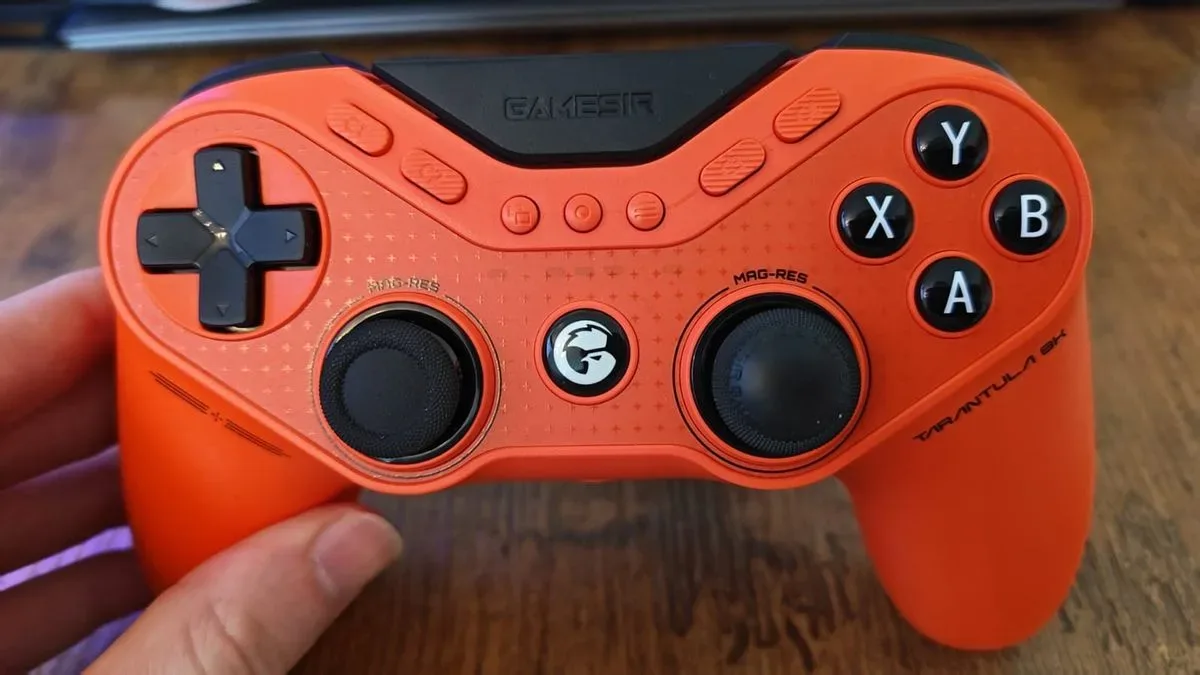
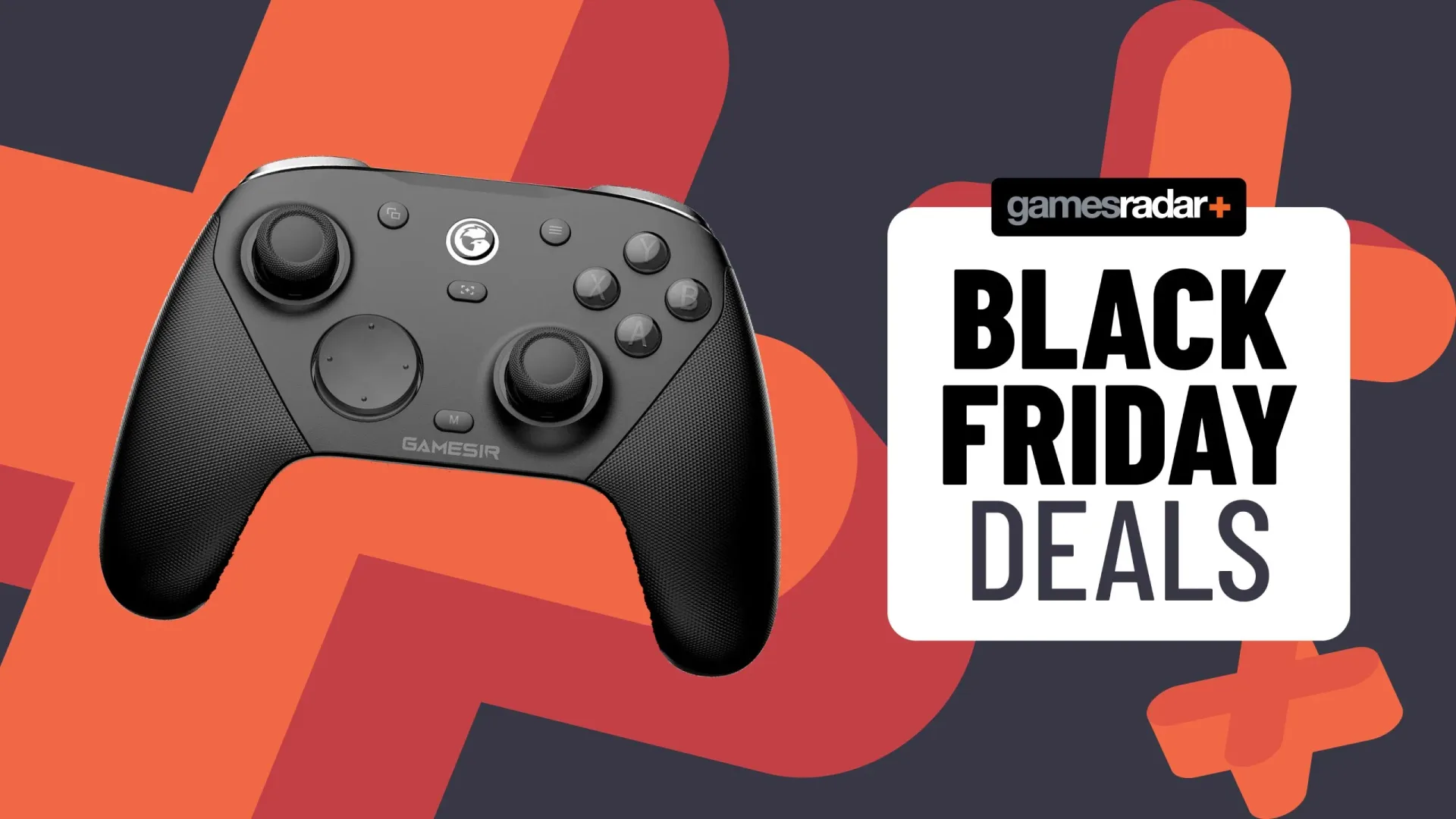
The standard black or white GameSir G7 Pro 8K PC controller is listed at $63.99 during Black Friday, a 20% reduction and its first substantial discount since launching earlier this year. That puts a controller built around an 8,000Hz polling rate into a less intimidating price range—but shoppers should treat the “8K” label as a capability to assess, not an automatic competitive advantage.
The key qualifier is right in the product’s name: this is a PC controller. Anyone shopping primarily for a console controller should not assume the 8K PC version will serve that purpose. GameSir’s regular G7 Pro is the more pertinent option for Xbox use or for players who simply intend to use a conventional 1,000Hz polling rate; that controller is also reduced to $63.99.
What the $63.99 deal covers
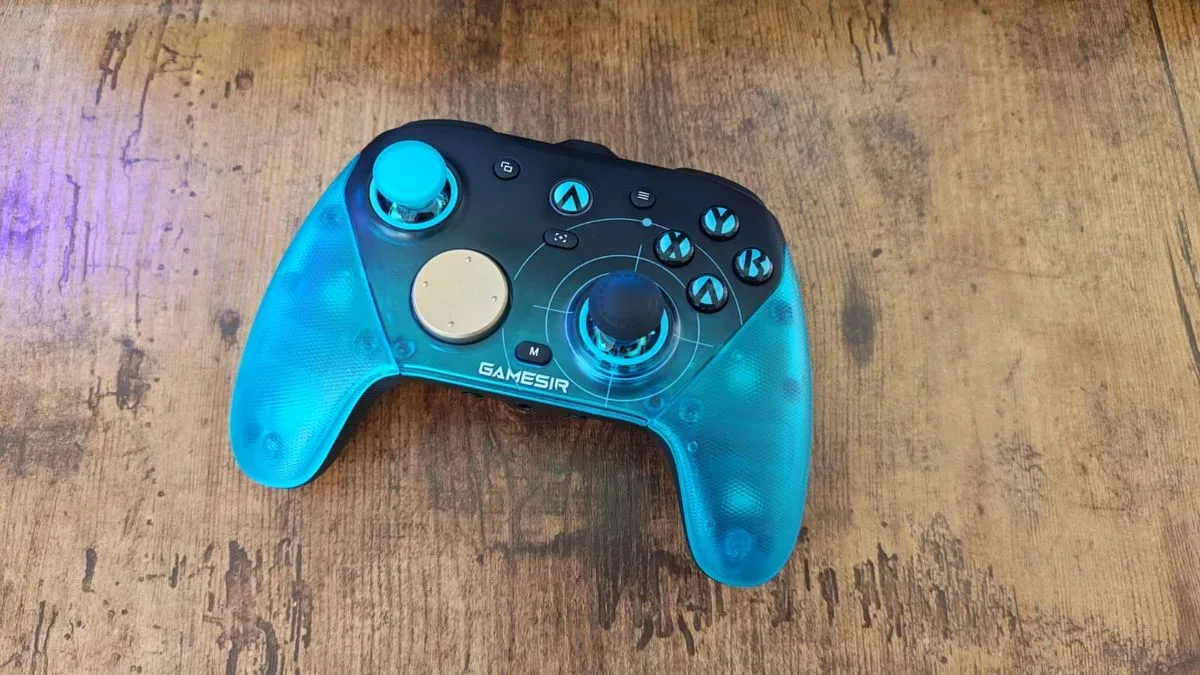
The best price applies to the standard GameSir G7 Pro 8K PC model in black or white. The themed editions cost more even while discounted: Phantom Blade Zero, Aimlabs Edition, and Nioh 3 editions are listed at $71.99, while the Royal2 edition is $67.49.
Those variants alter the color and visual theme rather than controller performance. For someone choosing between them solely for input behavior, the standard model is the rational value pick: the evidence available here does not point to a functional advantage for spending extra on a themed shell.
The difference of $8 to $8.50 may not be decisive for somebody who particularly wants one of those designs. But it should be understood as an aesthetic premium, not a higher-specification tier. The $63.99 standard model is therefore the clearest expression of the sale: a high-polling PC controller at a price below the themed releases.
8K polling rate, explained without the marketing fog
Polling rate describes how often an input device reports its state to the connected system. A 1,000Hz rate means 1,000 reports per second. An 8,000Hz, or 8K, rate means 8,000 reports per second. In plain terms, the controller is checking and sending input information more often.
The intended benefit is more precise input timing. When a player presses a button, moves a stick, or makes another control change, more frequent reporting can reduce the interval before the system receives the updated state. That is why high polling rates are often discussed alongside competitive PC games and esports: in situations where timing and aiming precision matter, reducing small delays is an appealing goal.
There is an important distinction, however, between a controller being capable of 8K polling and every player receiving a dramatic, obvious benefit. The rate is one component of an entire play setup. The available information specifically flags high-frame-rate play as a situation where the controller makes more sense. If the rest of the experience is not operating quickly enough to take meaningful advantage of the extra reports, the headline specification can outrun the practical payoff.
Related coverage includes GameSir G7 Pro 8K PC Controller Gets Its First Major Black Friday Price Cut.
That does not make 8K pointless. It means buyers should match the feature to their use. A PC player who values responsiveness in online multiplayer games may have a stronger reason to consider it than someone who mostly wants a controller for casual, slower-paced play. The sale lowers the cost of trying that higher polling rate, but it cannot make it essential for every game or every PC.
Why the USB connection and motherboard matter
High-polling peripherals make demands beyond the controller itself. A compatible motherboard and USB port are needed to make effective use of the higher speeds. This is a practical pre-purchase check, especially for people using older systems that have not had internal upgrades in some time.
It is worth separating that requirement from a commonly assumed one. The graphics card is not the part that determines how the controller functions. A player does not need a current flagship GPU merely because they are considering an 8K controller. The central compatibility concern is the PC’s motherboard and USB setup, while the relevance of high polling to the overall experience is stronger at higher frame rates.
That distinction matters because “high-end PC accessory” can easily turn into a vague shopping category where buyers feel they must upgrade everything at once. Nothing here indicates that a graphics-card replacement is required for the GameSir G7 Pro 8K PC. Check the motherboard and USB capability first; consider the kinds of games and frame rates you actually use second; only then decide whether 8K is a feature worth paying for.
Who should consider this controller
The GameSir G7 Pro 8K PC at $63.99 is most straightforwardly aimed at PC players who are curious about high-polling input and want to explore it without paying the usual premium attached to 8K accessories. Online multiplayer players and people focused on precision have the clearest use case. The controller has been positioned toward esports-minded play, and fast-paced online games are where the argument for more frequent input reports is easiest to understand.
It may also suit a player already running games at high frame rates and confident that their motherboard and USB ports can support the controller appropriately. In that case, the discount is meaningful because it applies to a model that had not previously seen a serious price cut.
Conversely, a buyer should pause if their only goal is console compatibility. The 8K PC version is not the simple answer for a console setup. A person who wants Xbox support, or who expects to stick to 1,000Hz polling anyway, may be better served by the discounted regular GameSir G7 Pro at the same $63.99 price.
There is also no need to turn a controller purchase into a graphics-card hunt. The controller’s operation is not dependent on having the latest RTX model. That makes this a more contained upgrade decision than it may initially sound: its value rests on PC platform compatibility, game preferences, and whether marginal input responsiveness matters to the buyer.
A sensible Black Friday decision tree
Rather than buying on the assumption that the largest number on the box must be best, prospective buyers can make a quick, practical choice:
- Choose the G7 Pro 8K PC at $63.99 if you play on PC, want to investigate 8,000Hz polling, prioritize responsive input, and have suitable motherboard and USB hardware.
- Choose the standard black or white finish if price-to-performance is the priority. The themed editions provide alternate visuals, not different operation.
- Consider the regular G7 Pro at $63.99 if Xbox compatibility is important or if 1,000Hz is sufficient for your needs.
- Wait or research compatibility further if your PC’s motherboard and USB support are unclear. An 8K controller is least compelling when the system cannot make full use of it.
Black Friday peripheral shopping is full of discounts that look interchangeable at a glance. Here, the useful dividing line is not the themed design or even the sale percentage; it is whether the PC-specific 8K polling feature fits the buyer’s setup. For the right player, $63.99 is a notably lower barrier to entry. For everyone else, the same price on the regular G7 Pro may be the more useful deal.
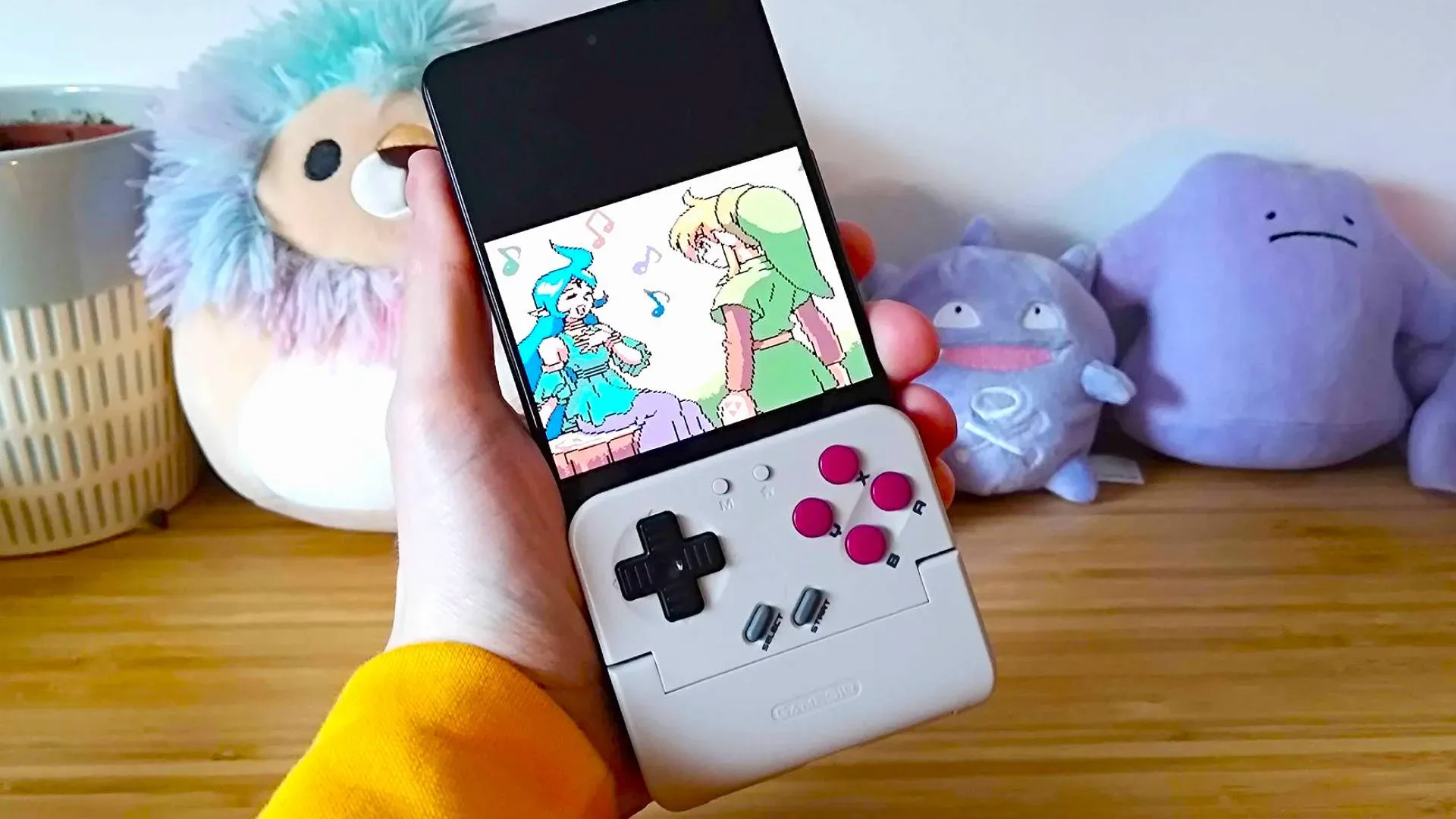
Players comparing control options beyond a desk-bound PC setup can also see how GameSir’s accessory range has reached mobile retro play in the GameSir Pocket Taco deal. The products address different platforms and needs, but the shared lesson is simple: physical controls are worth evaluating by compatibility and use case before the discount timer becomes the deciding feature.
Shop the products
Check current price, model and availability at the retailer.