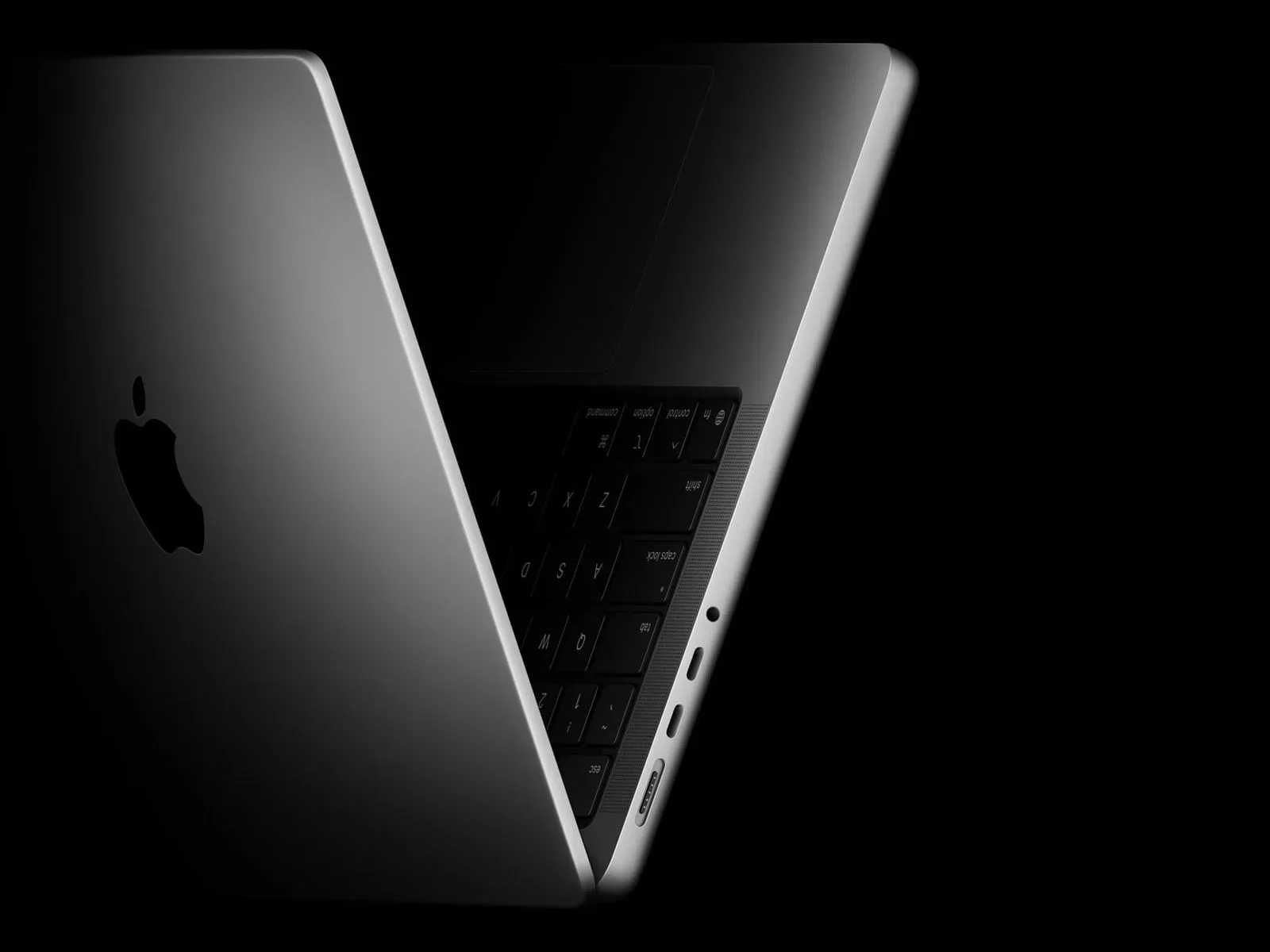
One of the more dramatic rumored names in Apple hardware may be headed for the scrap pile before it ever reaches a box: MacBook Ultra.
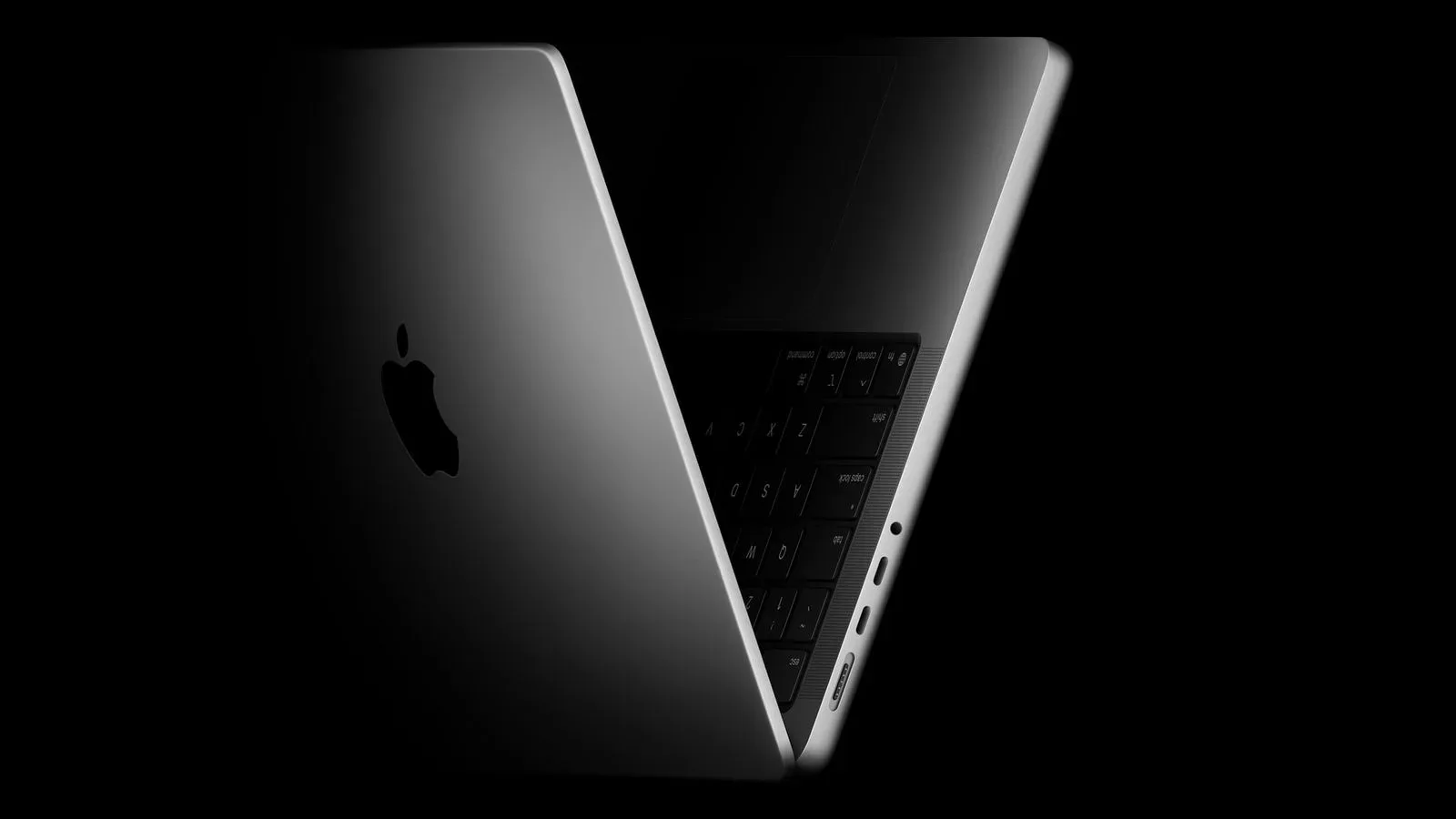
Apple has sent invitations for an experience in Los Angeles on Wednesday, October 28, carrying the tagline “Pro and tell.” While an invitation slogan is not a specification sheet, its emphasis is a meaningful clue. The wording points toward the MacBook Pro name for the MacBook models that have been rumored to use touch-enabled OLED displays, rather than the previously floated MacBook Ultra label.
That distinction is mostly about branding for now, but branding shapes how buyers interpret a product long before they see its full specifications. “Pro” is an established MacBook family name. “Ultra,” by comparison, would suggest a separate and perhaps more extreme tier. With no detailed product information in the invitation, the event itself remains the place for confirmation of names, hardware features, configurations, and positioning.
What the invitation does—and does not—tell us
The strongest evidence here is the invitation’s language and the date of the Los Angeles experience: October 28. “Pro and tell” makes a MacBook Pro-focused presentation a reasonable reading. It does not, on its own, formally confirm that any particular MacBook model will appear, that it will use OLED, or that it will have a touch-capable display.
That difference matters because product rumors frequently combine several separate ideas into one imagined device: a possible screen technology, a possible input change, a possible performance tier, and a possible name. An event tagline may narrow the naming question without settling the rest.
OLED, short for organic light-emitting diode, describes a display technology in which pixels emit their own light. Unlike a display that relies on a separate backlight, an OLED panel can turn individual pixels off. That is the basic reason OLED is associated with very dark blacks and strong contrast. The supplied information describes touch-enabled OLED MacBooks only as rumored, so neither the display technology nor touch support should be treated as confirmed ahead of October 28.
Touch-enabled means a display is designed to register direct finger or stylus-style input. It is not merely a bright or high-resolution panel. For a MacBook, touch capability would be a material interaction change, potentially affecting how people navigate apps, work with creative tools, and use games or game-adjacent software. But the practical details that determine whether it is useful—software behavior, gestures, durability, ergonomics, and which models receive it—have not been provided.
Why MacBook Pro is the more consequential name
“MacBook Pro” carries clear expectations: it is the laptop line meant to signal higher-end work than Apple’s non-Pro notebooks. Retaining that label would frame any screen or input changes as an evolution of an existing professional laptop family, not the debut of an entirely distinct flagship identity.
A MacBook Ultra name would have invited a different set of assumptions. “Ultra” is commonly understood as a superlative: something beyond the ordinary top-tier option. That can lead shoppers to anticipate an unusually large performance jump, a new size class, unusual materials, or a price bracket far above the rest of the lineup. None of those implications can be established from the available information.
Keeping the Pro label, if that is indeed what Apple announces, could therefore be the quieter and clearer move. It would give prospective buyers a known comparison point: a MacBook Pro with whatever new features are actually revealed. It would also avoid turning a name into a promise that requires a wholly separate product story.
The wider “Ultra” rumor did not land as expected
The MacBook naming chatter follows another reported mismatch between rumor and retail identity. A long-rumored “iPhone Ultra” ultimately arrived under the name iPhone Duo. In that light, the expectation that Apple would broaden an “Ultra” product family this year appears to have been misplaced.
For readers watching consumer technology with a gaming lens, that is a useful reminder not to assign too much meaning to an unconfirmed label. Hardware names affect headlines and expectation-setting, but the factors that matter in day-to-day use are the final device specifications, software compatibility, ports, display behavior, input options, and price. A name can indicate positioning; it cannot substitute for those details.
It is also worth separating a possible MacBook announcement from the question of whether a laptop suits a particular game library. The supplied details do not include processor information, graphics performance, game support, battery figures, display refresh specifications, or port selection. Those are the kinds of facts that would be needed before drawing conclusions about play, streaming, editing, or external-device setups.
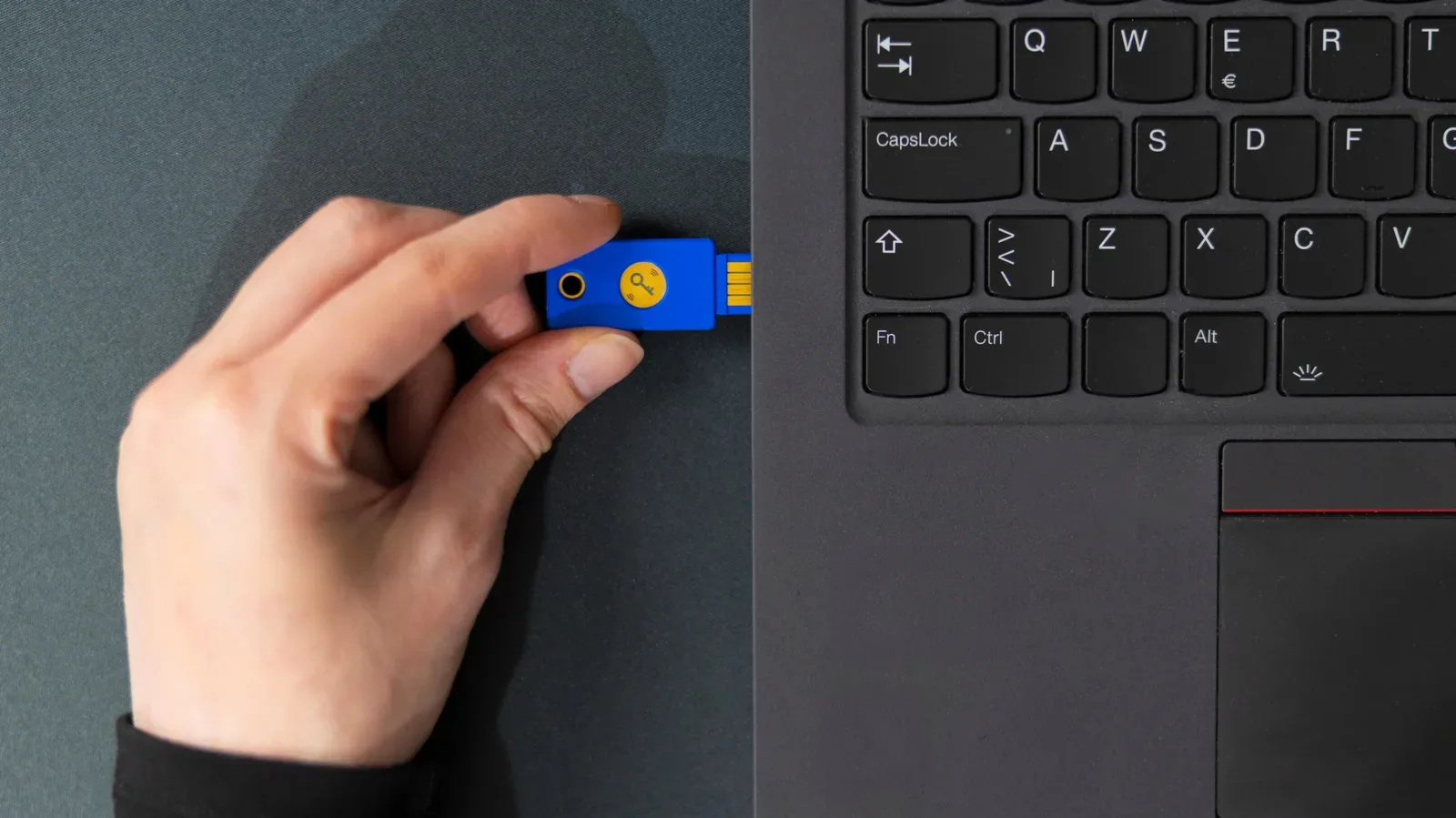
For anyone already using a laptop with controllers, storage, keyboards, mice, or docks, the basics still matter regardless of the badge on the lid. If a peripheral begins dropping out, this practical USB troubleshooting order for mice, keyboards, drives and hubs is more immediately useful than trying to infer ports or capabilities from an event slogan.
What to watch for on October 28
Apple’s October 28 experience should clarify several questions left open by the invite. First is the simplest: whether new MacBooks are part of the presentation at all. If they are, the official product names will settle whether MacBook Ultra was ever a real destination or just an inaccurate rumor label.
Second, observers will want to see whether OLED and touch input are actually present. If Apple discusses either feature, the implementation will matter more than the feature word itself. A touch display can mean different things depending on the software interface, app support, and how Apple presents the laptop’s intended workflows.
Third, the event should establish whether any hardware is a direct refresh of the existing MacBook Pro proposition or a new branch of the lineup. The “Pro and tell” phrasing leans toward the former interpretation, but it remains an interpretation, not confirmation.
Until then, the cleanest read is also the least sensational: Apple’s own teaser suggests “Pro,” while the rumored “Ultra” name has little visible support. The MacBook Ultra may be a fun bit of naming lore, but October 28 is where Apple can turn the speculation into an actual product story—or leave it behind altogether.