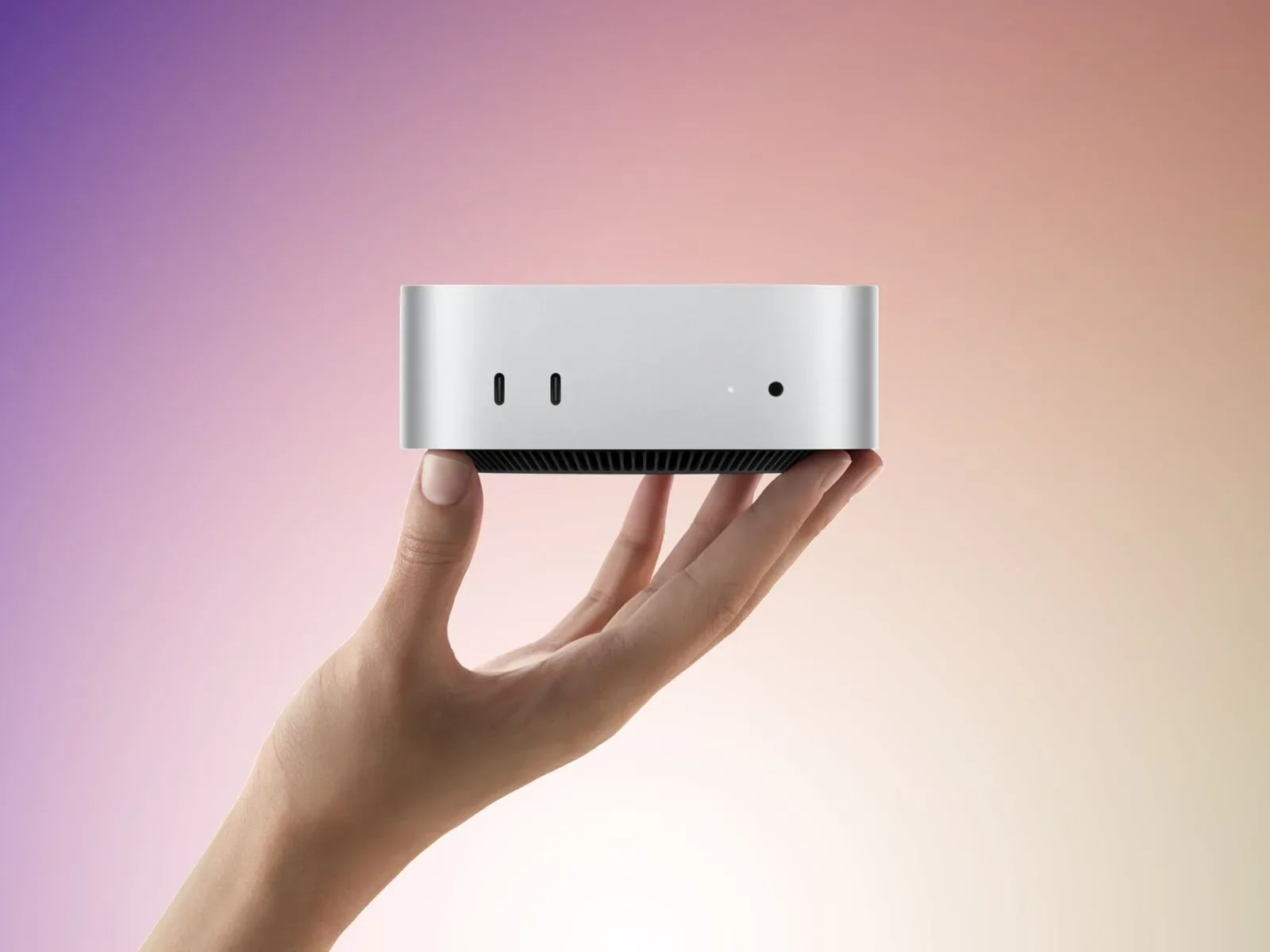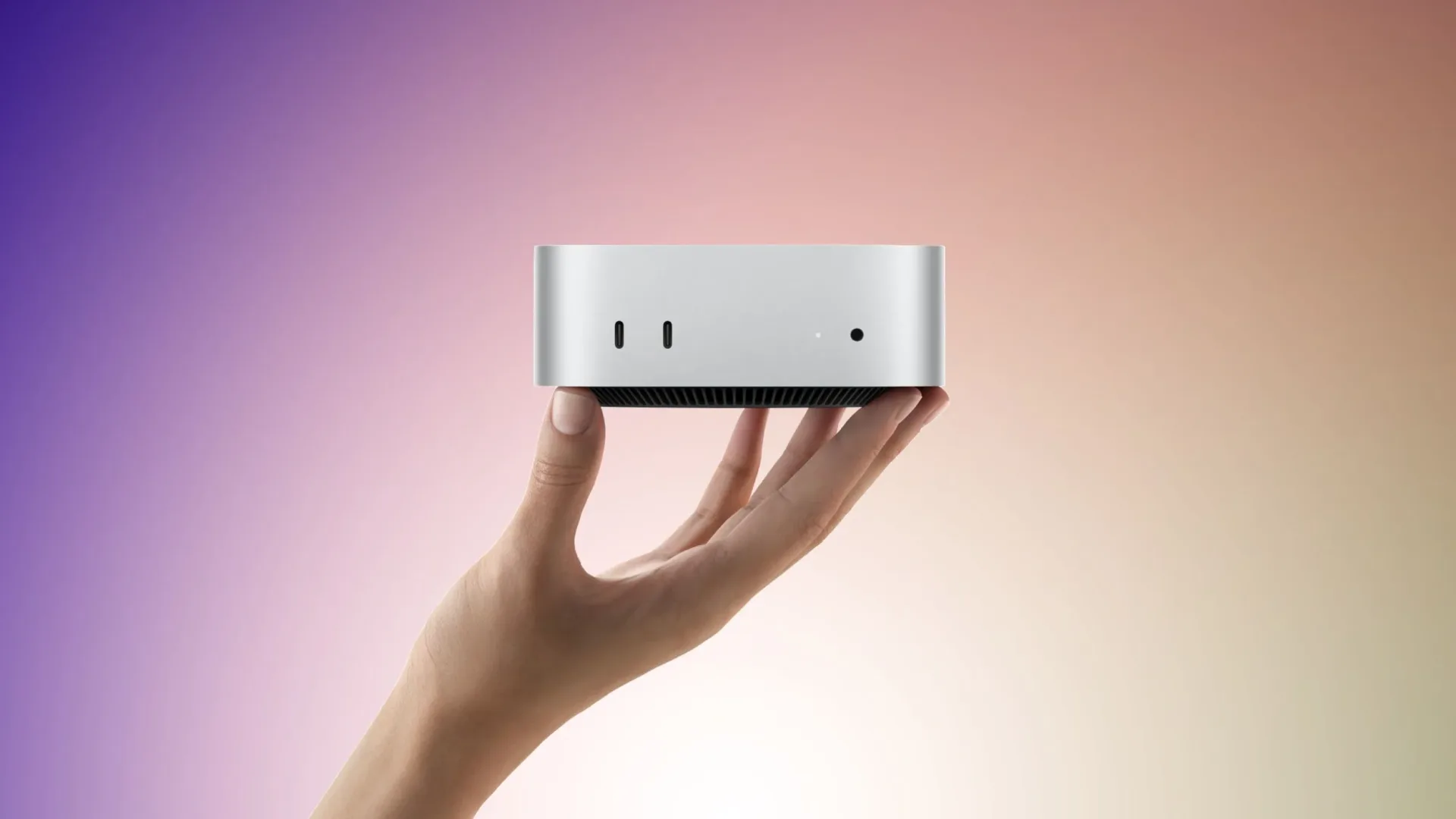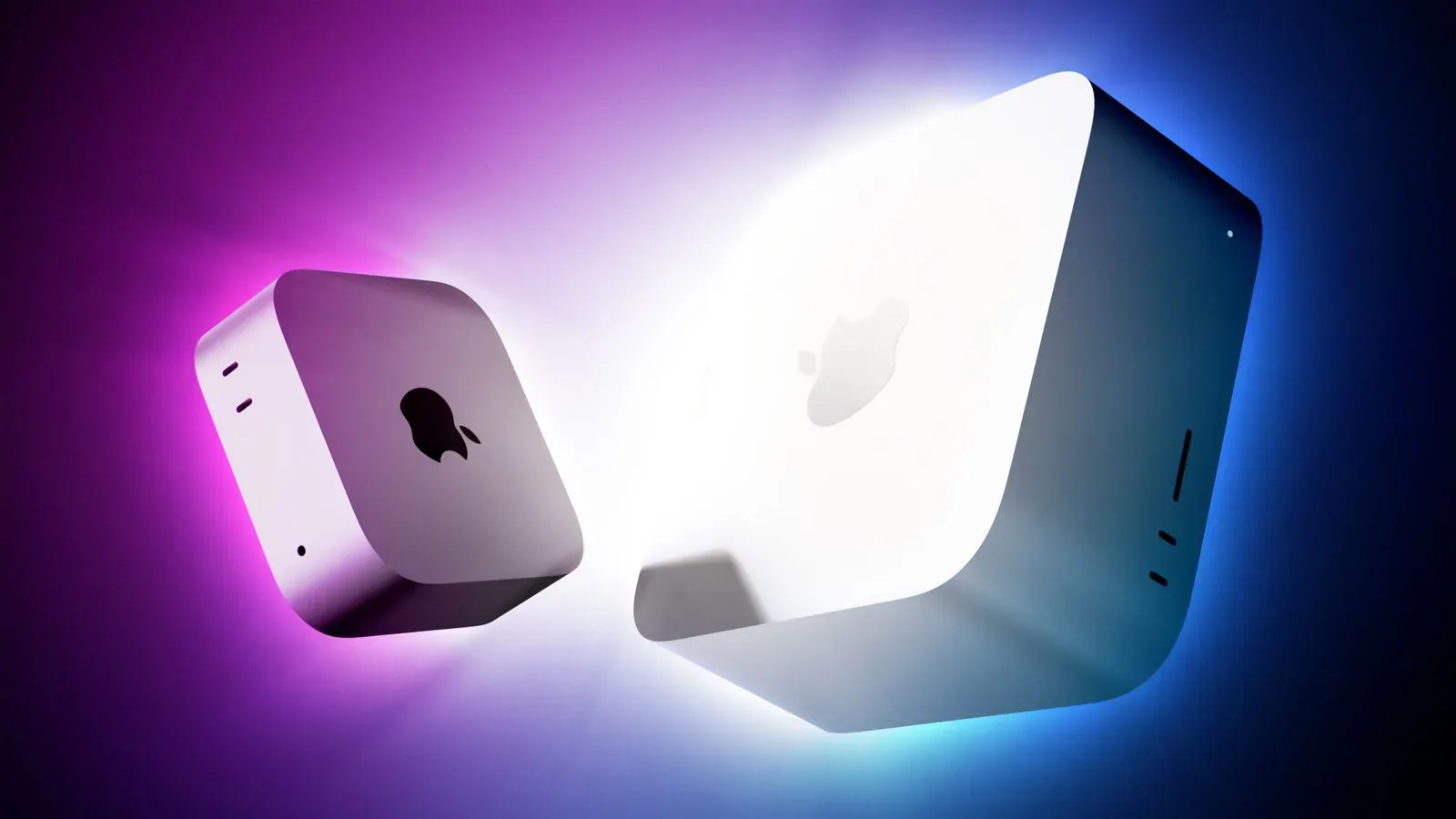
Prime Big Deal Days has brought notable price cuts to Apple’s newly released desktop lineup, including savings of as much as $149 across the M6 and M5 Pro Mac mini range. The largest specifically listed Mac mini discount applies to a configuration with 16GB of memory and a 512GB solid-state drive, priced at $949.99 rather than $1,099.00.
There is also a discount on the M5 Max Mac Studio. A model configured with 36GB of RAM and a 512GB SSD is listed at $2,299.99, a $199 reduction from its stated $2,499.00 regular price.
For players who use a desktop as part of a broader gaming setup, these are not console-style, plug-in-and-forget discounts. A Mac mini or Mac Studio is the computer itself, so prospective buyers should account for the rest of the setup: a display, keyboard, mouse, networking and any preferred controller are separate considerations. That distinction matters when comparing the listed headline price with the practical cost of a complete desk setup.
The Mac mini prices currently highlighted
Two Mac mini configurations are specifically identified in the sale:
- 16GB RAM / 256GB SSD: $779.99, a $119 discount.
- 16GB RAM / 512GB SSD: $949.99, a $149 discount.
The sale is described as extending to every model in the M6 and M5 Pro Mac mini families, with savings up to $149. The exact reductions on configurations beyond the two listed models are not detailed here, so shoppers should treat the “up to” figure as a ceiling rather than assume that it applies to every option.
The price difference between the two named machines is $170. Put another way, the 512GB version costs $50 more than its stated non-sale price gap would suggest: its reduction is $149, compared with $119 on the 256GB model. That does not establish which configuration is the right fit for every buyer, but it gives a clear, simple comparison for anyone deciding whether the additional internal storage is worth the extra outlay.
Why RAM and SSD capacity are the important labels
Desktop sale listings are often compact strings of specifications, but the two components attached to these prices are worth separating.
RAM, or random-access memory, is short-term working space used while apps and the operating system are running. Both named Mac mini configurations include 16GB. Keeping that capacity consistent makes storage the principal stated difference between those two listings.
SSD means solid-state drive: the internal storage where applications, files and installed games reside. A 256GB SSD and a 512GB SSD therefore describe different amounts of built-in space, not different amounts of active working memory. The latter has twice the capacity of the former.
That distinction is especially useful for people whose desktop is asked to do several things. A library of games, video captures, creative projects, downloads and everyday files can all compete for storage space. Meanwhile, running a game alongside voice chat, a browser, music software or other applications is the sort of mixed workload where memory capacity becomes a relevant spec. This promotion does not provide performance comparisons between the models, so it would be a mistake to infer those from the storage figures alone.
The compact Mac mini format may be appealing in a desk environment that already has its peripherals and display sorted. For a gaming-minded buyer, however, the decision should begin with the software they actually intend to use, not with the size of the discount. Platform compatibility, preferred storefronts and the games a player wants to run are practical checks before choosing a computer. Readers looking for PC-game developments can also follow our PC coverage of Dog Online’s open beta.
The higher-end Mac Studio offer
The standout higher-priced listing is for an M5 Max Mac Studio with 36GB RAM and a 512GB SSD. It is marked down to $2,299.99 from $2,499.00, producing the stated $199 saving.
Its position in the promotion is clear from the pricing: it is aimed at a substantially different spending level than the two named Mac mini options. Its 36GB memory figure also exceeds the 16GB listed for the minis, while the cited internal storage amount remains 512GB. A higher price and a larger RAM number alone do not define a person’s needs, but they do make this less of a casual “sale impulse” purchase and more of a configuration to assess against planned workloads and budget.
It is also important not to overread what the offer says. The available information identifies the chip family, memory, storage, sale price and regular price, but does not provide benchmark results, game-by-game results, port information, display support, thermals or upgrade details. Those are all questions buyers may wish to investigate separately rather than fill in from a product name.
How to read a limited-time desktop deal
A stated discount is most useful when it is converted into a configuration decision. The $119 cut on the 256GB Mac mini lowers the initial entry price to $779.99. The $149 cut on the 512GB model lowers that configuration to $949.99. Neither figure automatically makes one machine a better value in isolation; the comparison depends on whether 256GB of built-in storage is enough for the files and software a buyer plans to keep locally.
For anyone comparing these systems with a pre-existing desktop plan, a few questions can keep the choice grounded:
- What must live on the internal SSD? Installed apps, games and active projects can determine whether the smaller capacity is a comfortable fit.
- What peripherals are already owned? Since these are desktop computers rather than all-in-one systems, existing monitor and input hardware affects the total cost.
- What software matters most? Confirming that essential games, applications and services are supported should come before treating any percentage or dollar cut as decisive.
- Is the higher-priced model solving a defined requirement? The Mac Studio’s listed 36GB RAM and M5 Max chip place it in a different configuration class, but the premium only makes sense when its intended use is clear.
Prime Big Deal Days is the reason cited for the current prices, which means shoppers should recognize them as event pricing rather than a permanent reset of Apple’s desktop costs. Listings and inventory can change during a retail event, and only the prices and configurations specified above are established here.
What is confirmed, and what remains unspecified
Confirmed sale details are straightforward: selected new Mac mini systems are discounted by up to $149; the 16GB/256GB Mac mini is $779.99; the 16GB/512GB Mac mini is $949.99; and the M5 Max Mac Studio with 36GB RAM and 512GB SSD is $2,299.99, down $199.
Beyond that, there is no supplied information on how long the pricing will remain in place, which retailer listings carry each specific configuration, or the individual discount attached to every model described as part of the Mac mini promotion. There are also no supplied claims about gaming performance. Buyers should keep those limits in mind, particularly when a desktop purchase is being weighed around a specific game library or creative workflow.
Still, the numbers make the shape of the event easy to understand: the Mac mini discounts reduce the cost of entry into Apple’s current compact desktop range, while the Mac Studio deal offers a larger dollar reduction on a much more expensive configuration. The useful question is not simply which product has the biggest markdown, but which listed balance of memory, storage and total setup cost best fits the work and play planned for the machine.
Shop the products
Check current price, model and availability at the retailer.