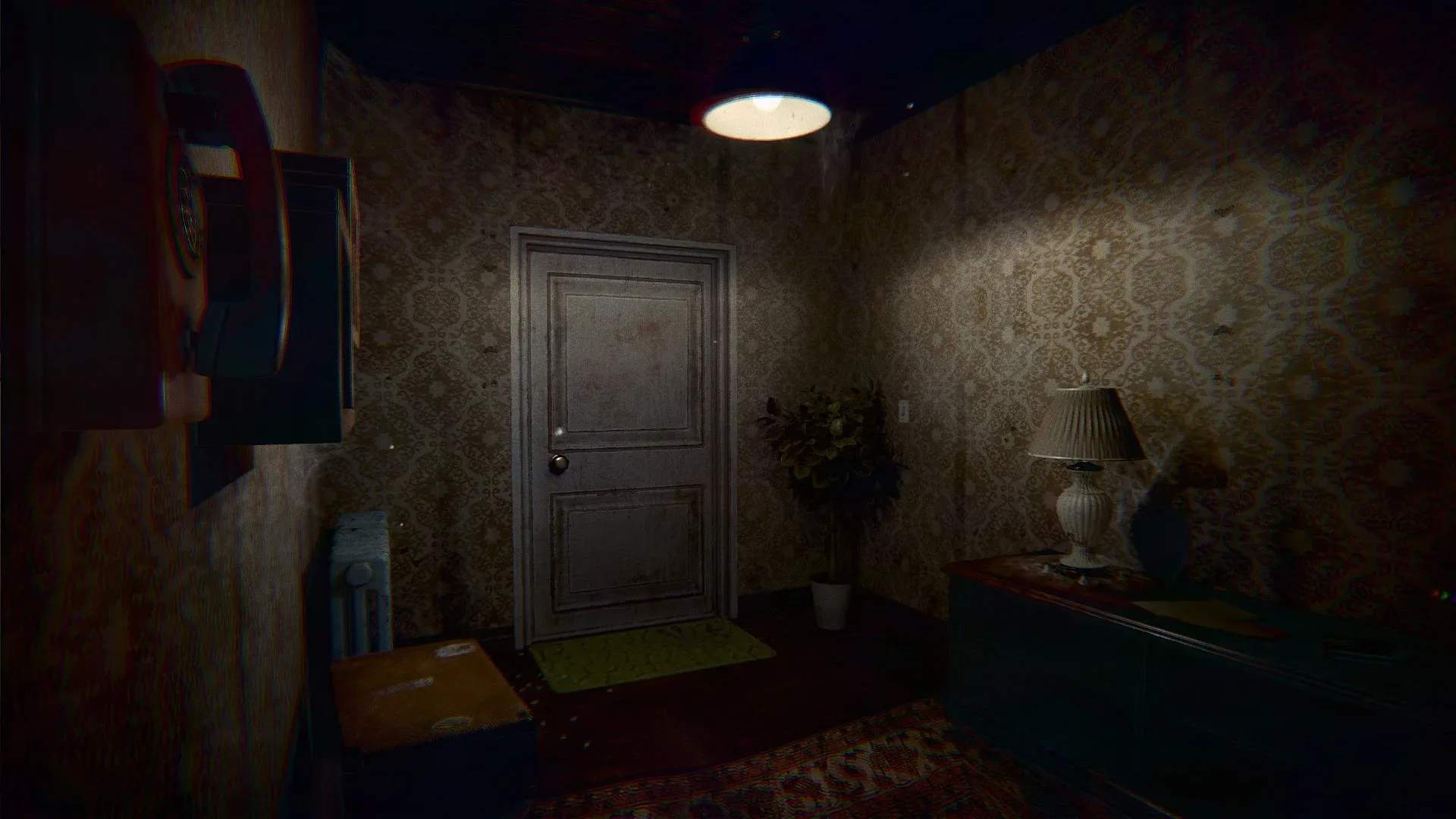
lily’s world XD is now available on PC through Steam. Developed by content creator SonderingEmily, the psychological horror game frames its mystery through a teenage girl’s computer: old conversations, a customizable blog, embarrassing selfies, hidden messages and contacts from childhood all become pieces of an investigation. The catch, naturally, is that somebody—or something—appears to be investigating the player in return.
The game launched on September 17, 2026. It is listed at €12.25, $11.99 and £10.75, with a 20% launch discount available during its first seven days. Steam bundles are also available alongside Slay the Princess, 1000xRESIST, The Case of the Golden Idol and SIMULACRUM, offering discounts for players who want to pick up more than one of these narrative-focused adventures.
A mystery told through Lily’s laptop
The premise begins with Lily, described as a dramatic, emotional and awkward teenager with a secret. Her laptop is the route into that secret. Players are asked to search through the traces of her life in an effort to determine where she is and uncover what happened to her. The central threat is plainly established: Lily has been taken, and the search may put the person conducting it at risk as well.
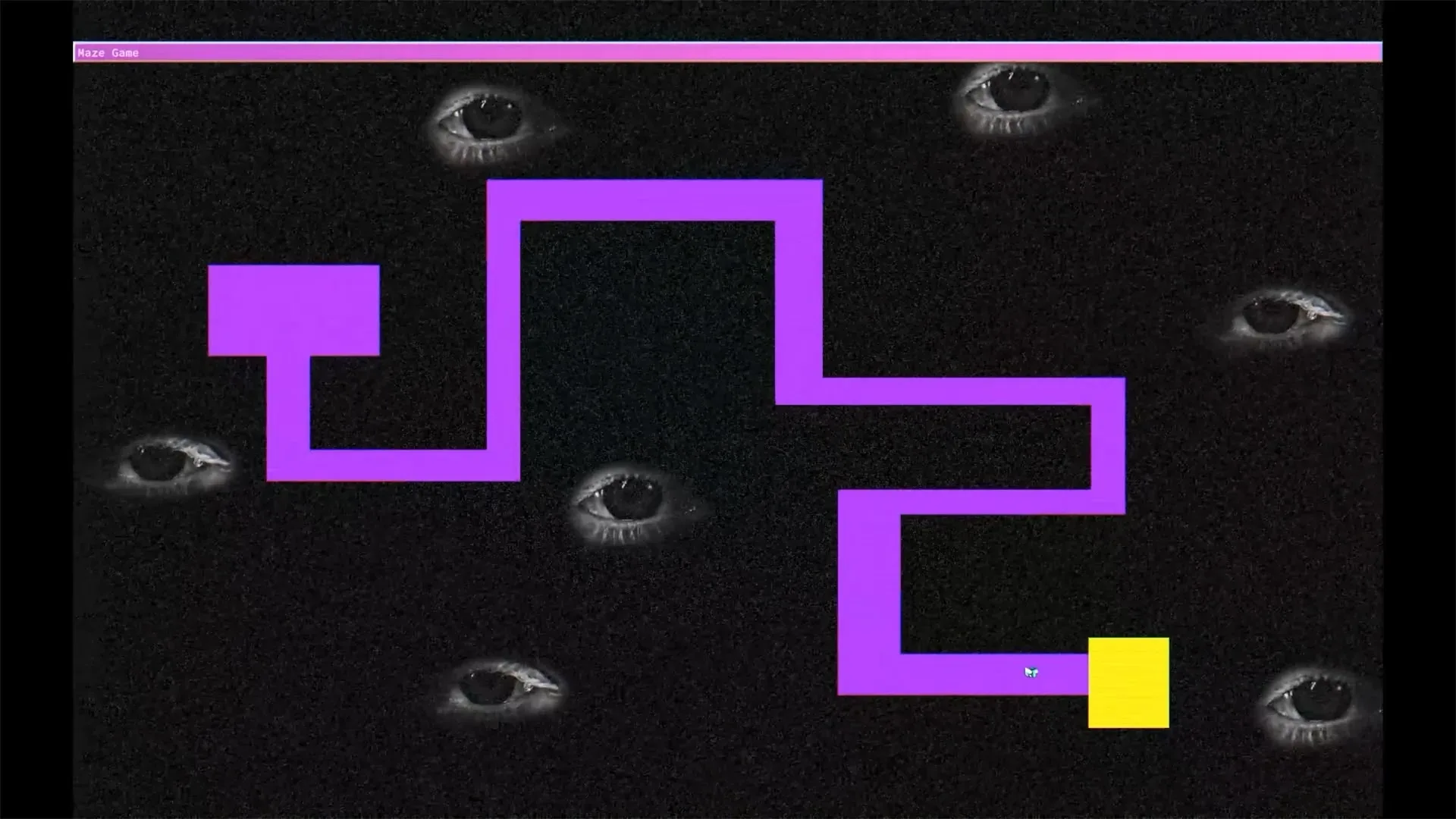
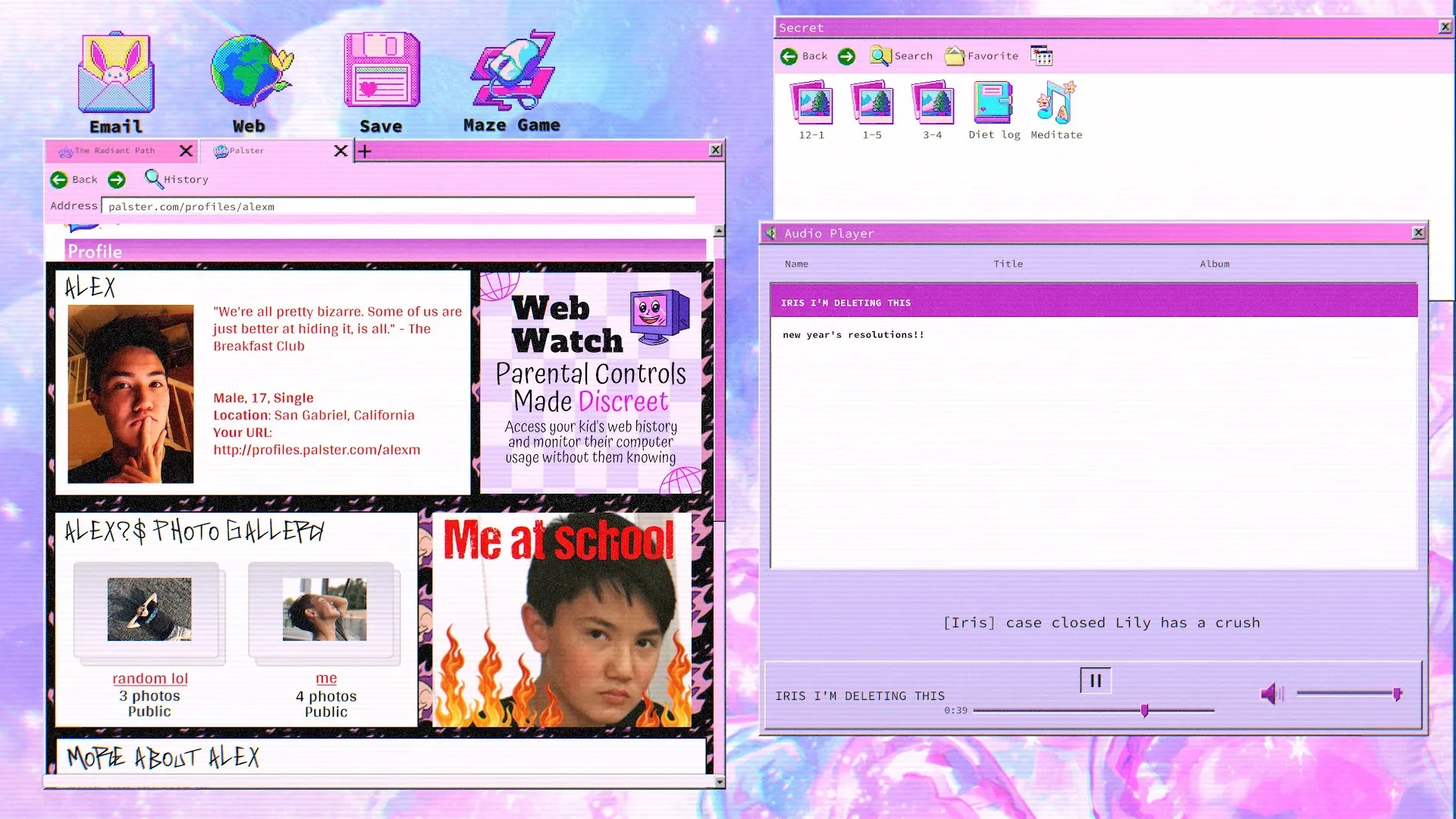
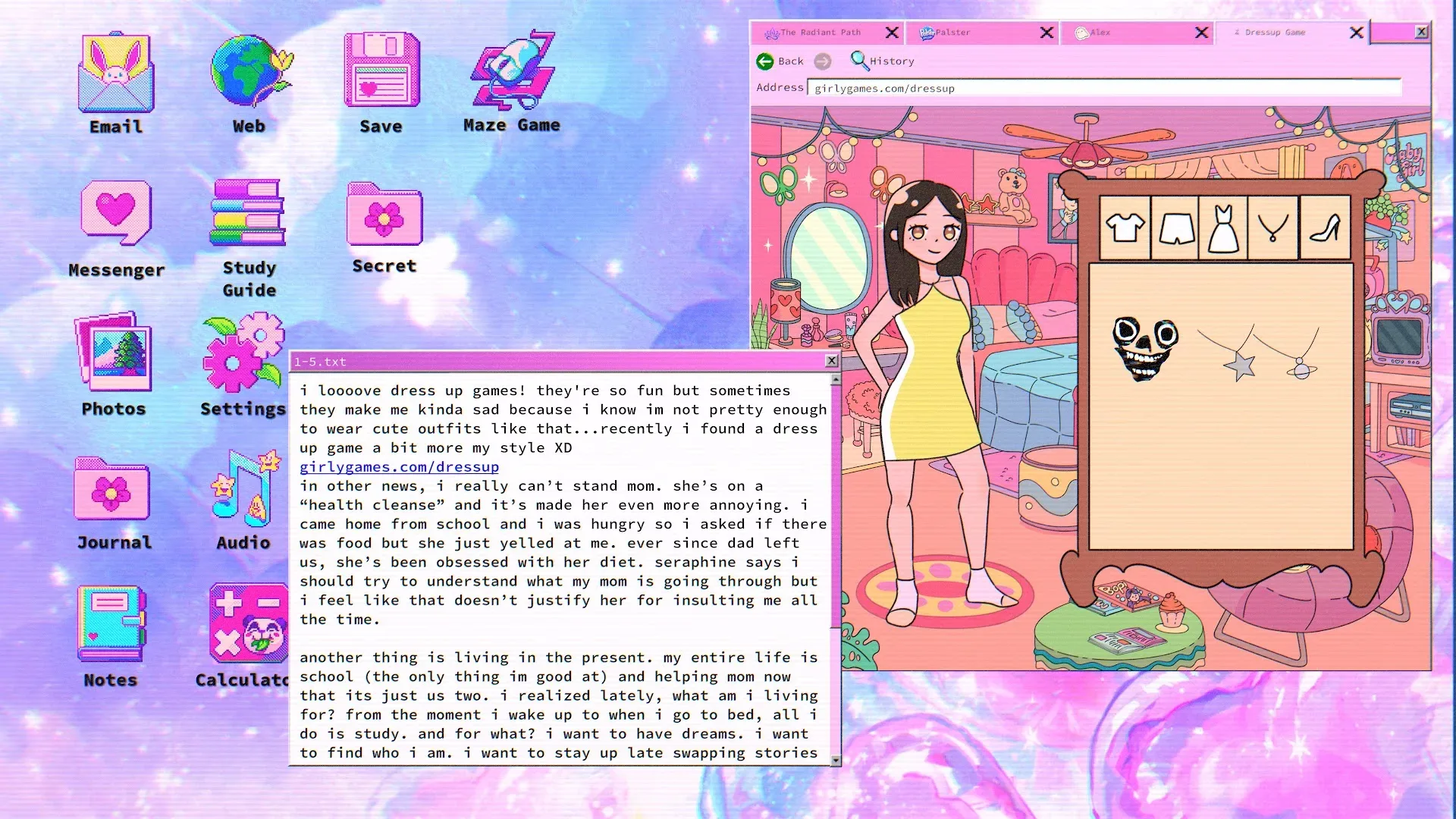
That setup puts lily’s world XD in the broad family of computer-interface mysteries, where emails, chat logs, profiles and files are not merely decorative menus. They are the setting, the evidence board and the route through the plot. Here, the declared activities include reading old messages, going through selfies, changing Lily’s blog, decoding concealed messages and reconnecting with childhood friends.
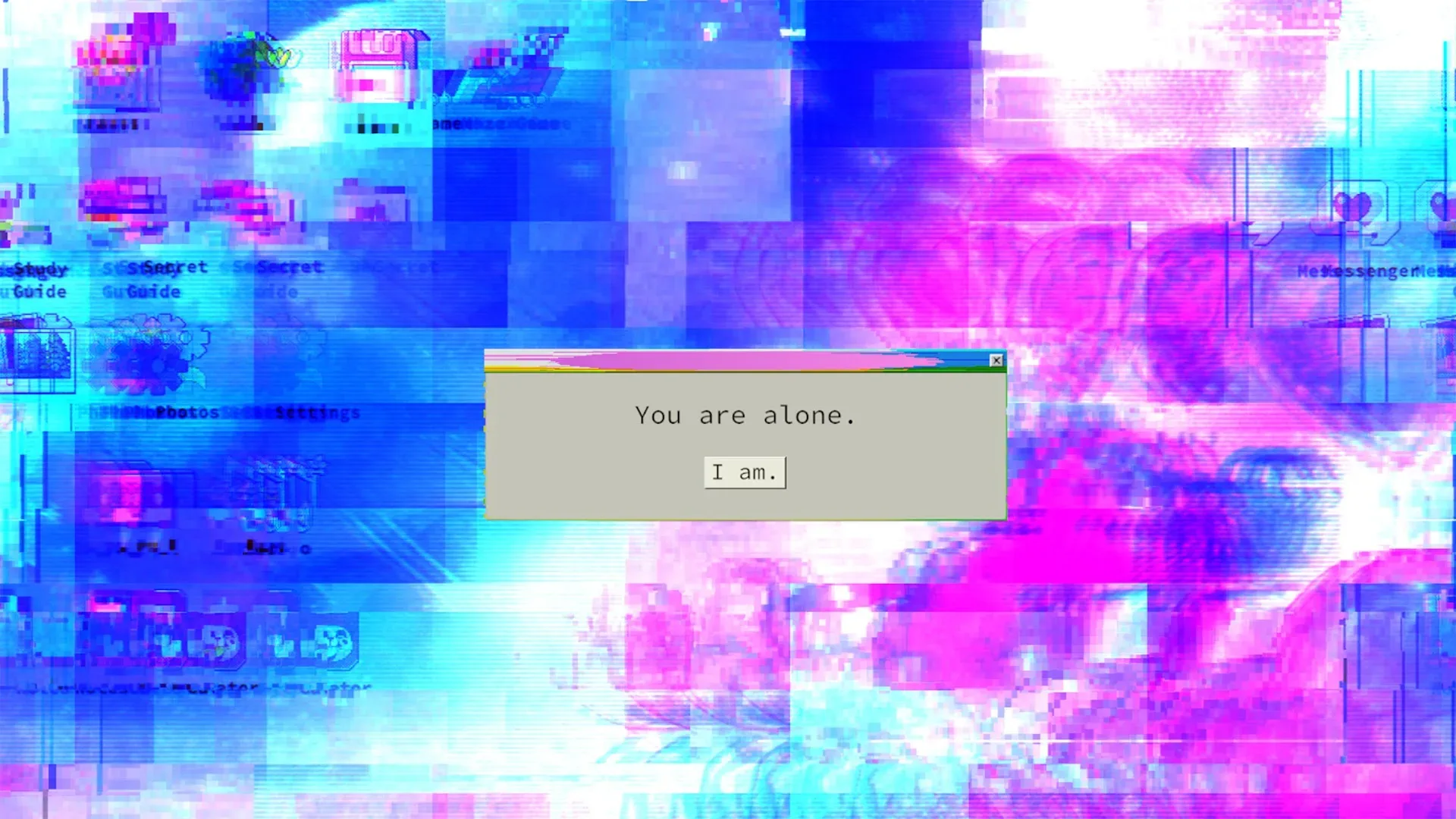
“Psychological horror” is a useful term in this context because it describes horror built around perception, tension, intimacy and unease rather than promising any particular combat system or monster encounter. The supplied details point to the disturbing part of the experience arriving gradually: initially private material is being explored, then messages begin addressing the player directly, and the game suggests that the player’s own computer is not secure from intrusion.
That shift matters. Searching an absent person’s machine already places the player in a deliberately uncomfortable position, because the material is personal rather than neutral evidence. When the interface starts blurring the boundary between Lily’s laptop and the player’s computer, the game’s mystery can make ordinary acts of clicking, reading and customizing feel less safely detached. The stated premise does not reveal precisely how that intrusion works, so players should not assume mechanics beyond what has been announced. But the intended escalation is clear: access to information comes with attention from an outside force.
The early web is part of the story, not just the wallpaper
The game calls its setting the “early web,” a phrase that here refers to an older, more personal style of online space centered on blogs, conversations and individually curated pages. Lily’s blog is specifically something players can customize, while her chat history and social ties form a path toward the larger mystery. Instead of treating a computer as a straightforward file cabinet, the premise makes it a record of presentation: who Lily wanted to be online, what she left behind, and what other people might know.
For a mystery game, this creates a practical form of investigation. A player may need to connect the language in one conversation to a hidden clue elsewhere, recognize that a friend from Lily’s past is relevant, or interpret a message that was not written as an obvious instruction. Decoding, in this kind of game, means extracting meaning from information that is obscured, indirect or incomplete; it does not necessarily mean a formal cipher puzzle. The available description confirms hidden messages but does not specify their puzzle formats, difficulty or order.
It also makes the game’s title feel appropriately playful and ominous. The “XD” styling evokes the kind of emotive internet shorthand associated with the online persona Lily’s computer preserves. Yet the game’s subject matter is not simply retro web nostalgia. Its story addresses friendship, body image and the experience of growing up lonely and nerdy online. The cute, awkward or deliberately cringey surface is presented as part of the emotional material rather than a joke pasted over an unrelated scare premise.
The design choice to use real photographs of SonderingEmily and friends from their teenage years gives that approach an especially personal dimension. Those images are said to appear in the game as part of its “authentic cringe” angle. This is not a claim that the game is a literal retelling of any one person’s life; no such claim has been made. It does indicate that the awkwardness of old pictures and online self-expression is being used with firsthand visual material, which may make Lily’s digital history feel more intimate than a collection of generic fictional assets.
What is confirmed—and what remains a mystery
The announcement provides a strong outline of the game’s premise and activities, but it leaves many details appropriately under wraps. The confirmed information is enough for prospective players to understand its core appeal: a narrative psychological horror game about examining a missing teenager’s computer and piecing together a troubling story from its contents.
- Platform: PC via Steam.
- Developer: SonderingEmily.
- Launch date: September 17, 2026.
- Listed prices: €12.25, $11.99 and £10.75.
- Launch offer: 20% off for the first seven days.
- Confirmed activities: reading conversations, customizing Lily’s blog, searching selfies, decoding hidden messages and reconnecting with childhood friends.
- Key themes: friendship, body image, loneliness and growing up online.
- Bundle partners: Slay the Princess, 1000xRESIST, The Case of the Golden Idol and SIMULACRUM.
Conversely, there is no supplied information on play length, supported languages, system requirements, endings, accessibility features, save structure, content warnings or whether the experience uses a conventional desktop simulation throughout. There is also no basis to describe the game as a visual novel, point-and-click adventure, alternate-reality game or a specific puzzle genre. Those labels may overlap with what individual players expect from the premise, but they should not substitute for confirmed details.
That restraint is particularly useful for horror releases. A synopsis that says “other forces” are working to stop the investigation is designed to leave the nature of those forces unrevealed. Likewise, the question of whether Lily can be found before those who took her find the player is a narrative hook, not confirmation of a timed system, branching outcome or failure state.
Why the bundle lineup is a useful signal
The Steam bundle partners give a modest but useful indication of the audience lily’s world XD is trying to reach. All four named games are being positioned as adventures in the bundle offer, and the grouping places the new release next to works associated by their audiences with narrative discovery and unusual storytelling. It is a commercial bundle arrangement, not evidence of shared universes, developers or direct gameplay equivalence.
For someone deciding what to buy, the practical implication is simple: check the individual Steam bundle pages and their included items before purchasing, particularly if any of the companion games are already in the library. Bundle discounts can be useful, but the relevant value depends on ownership and on the price currently shown in a player’s region. The launch discount itself lasts only seven days from release, while no duration for the bundle discounts is specified here.
PC players interested in games that turn familiar desktop habits into a source of suspense may also appreciate the broader appeal of interface-driven experiences. The computer is not just a delivery device in this premise; it is the fictional location being searched, and eventually something that may appear to search back. For a separate look at PC hardware decisions around portable storage, see when an expensive flash drive is worth it—and when it is not.
An intimate premise with room for unease
lily’s world XD has a focused hook: rather than making players comb through a mansion, a battlefield or an abstract dreamscape, it asks them to comb through the accumulated digital clutter of a stranger’s adolescence. A blog can be redesigned. An old photo can be embarrassing. A conversation can look insignificant until it is read in a different context. These are mundane objects and actions, which is precisely why they can support an unsettling mystery.
The release is likely to be most immediately relevant to players looking for story-led horror and digital investigation rather than a feature checklist of action systems. Its official description promises a dark truth, concealed messages, old friendships and growing concern that someone has noticed the investigation. How those elements resolve is, wisely, still being held back. What is known is that Lily’s machine is available to explore now on Steam—and it may not remain a one-way window into someone else’s life for long.