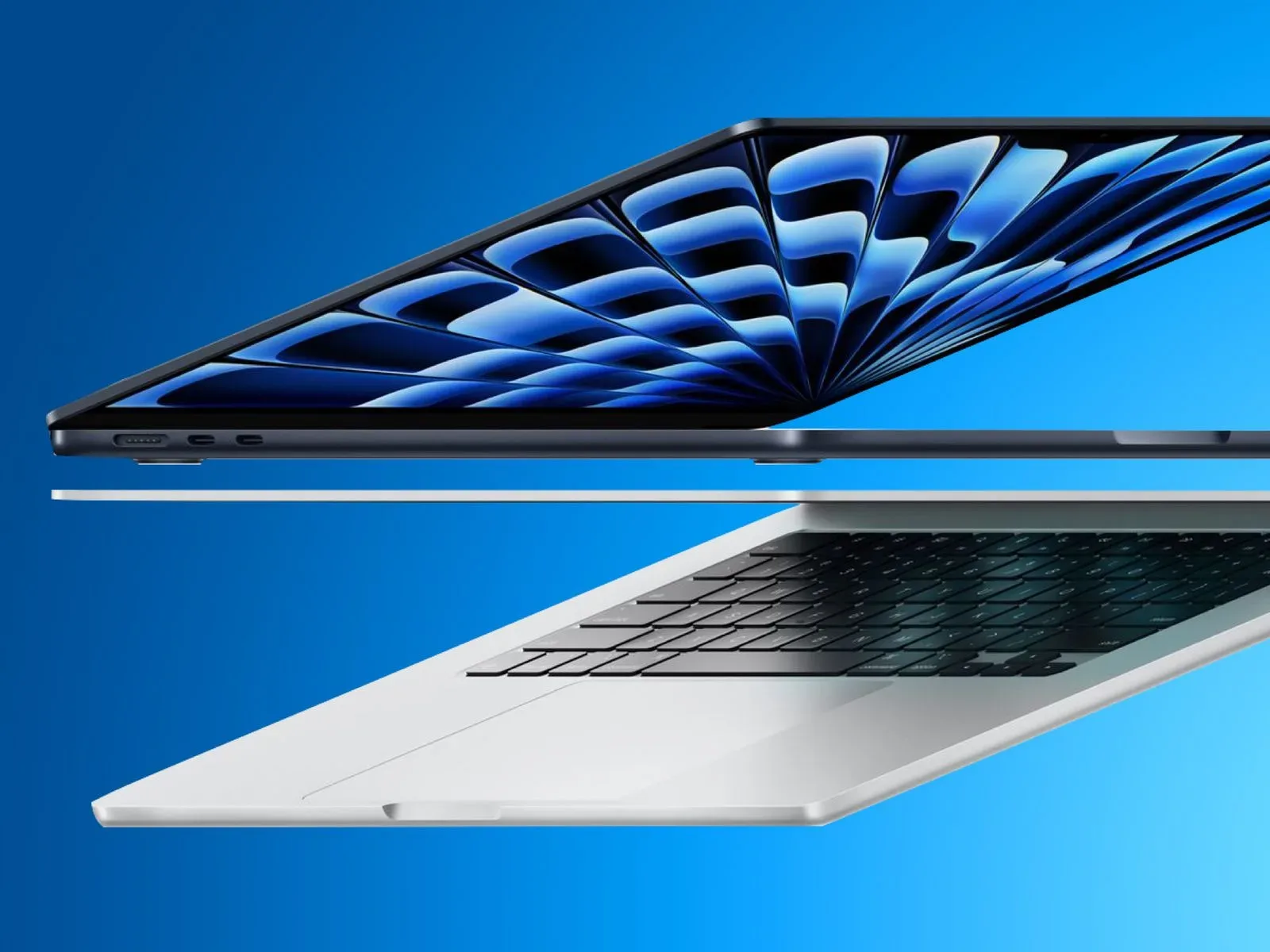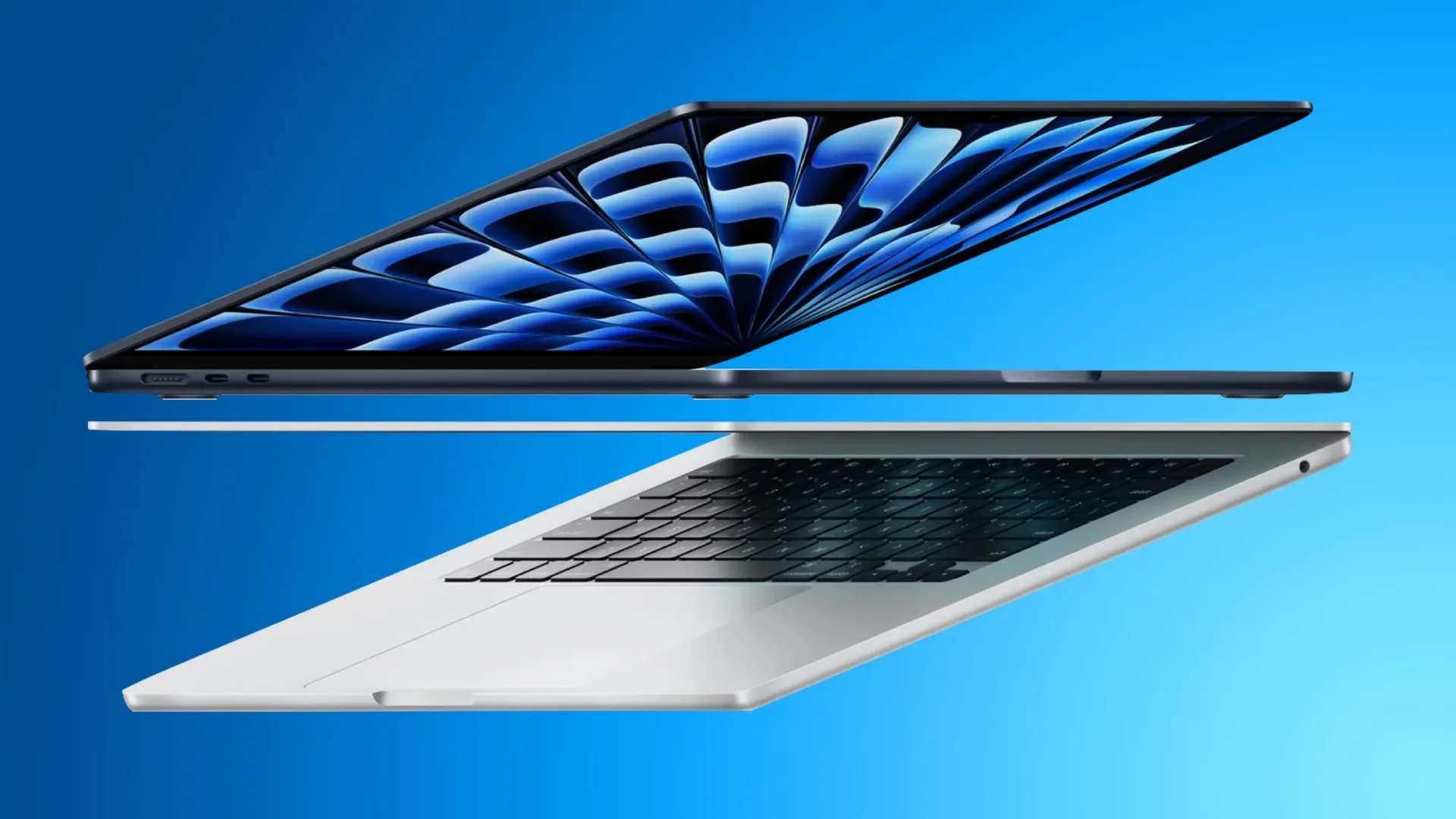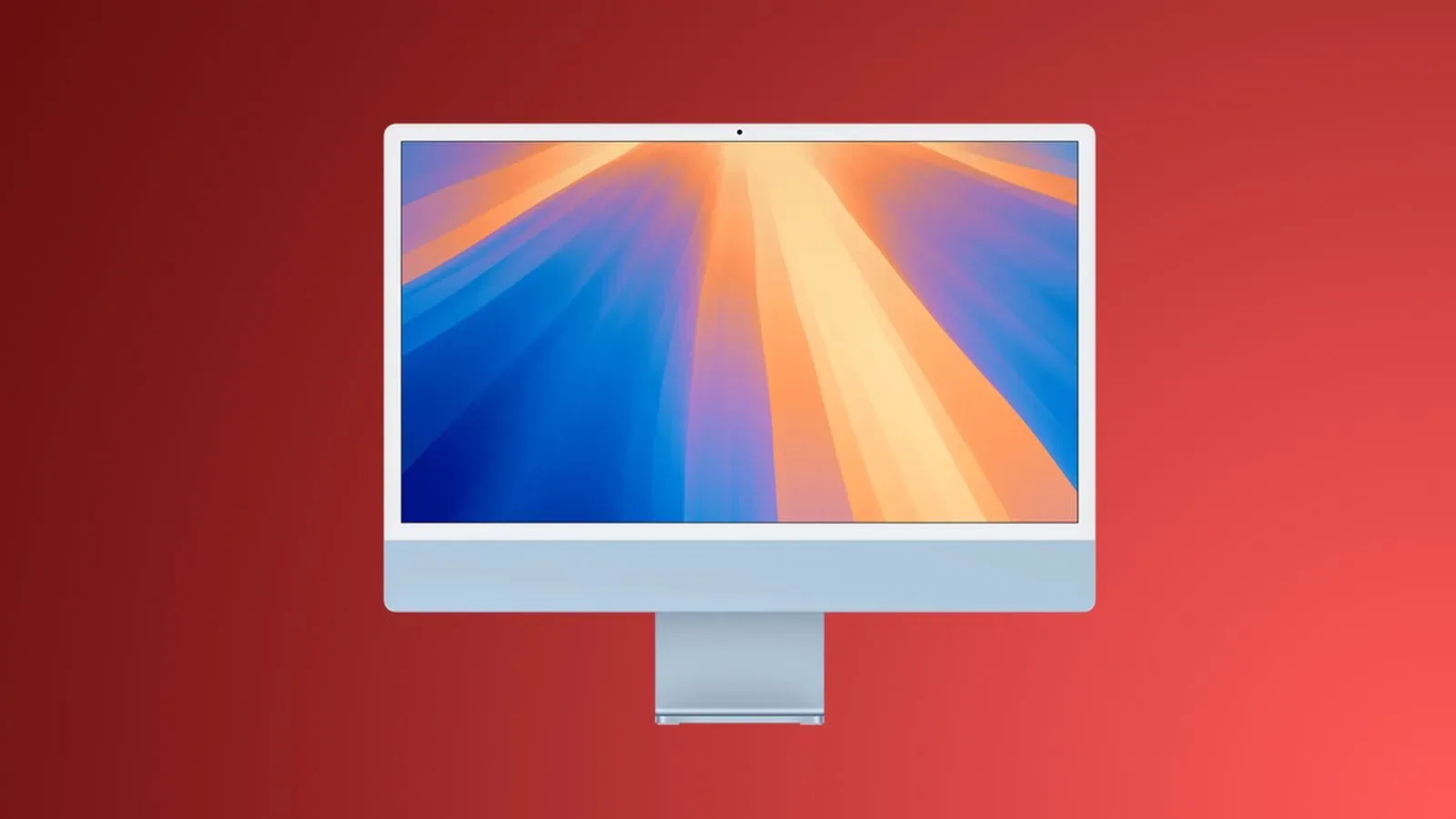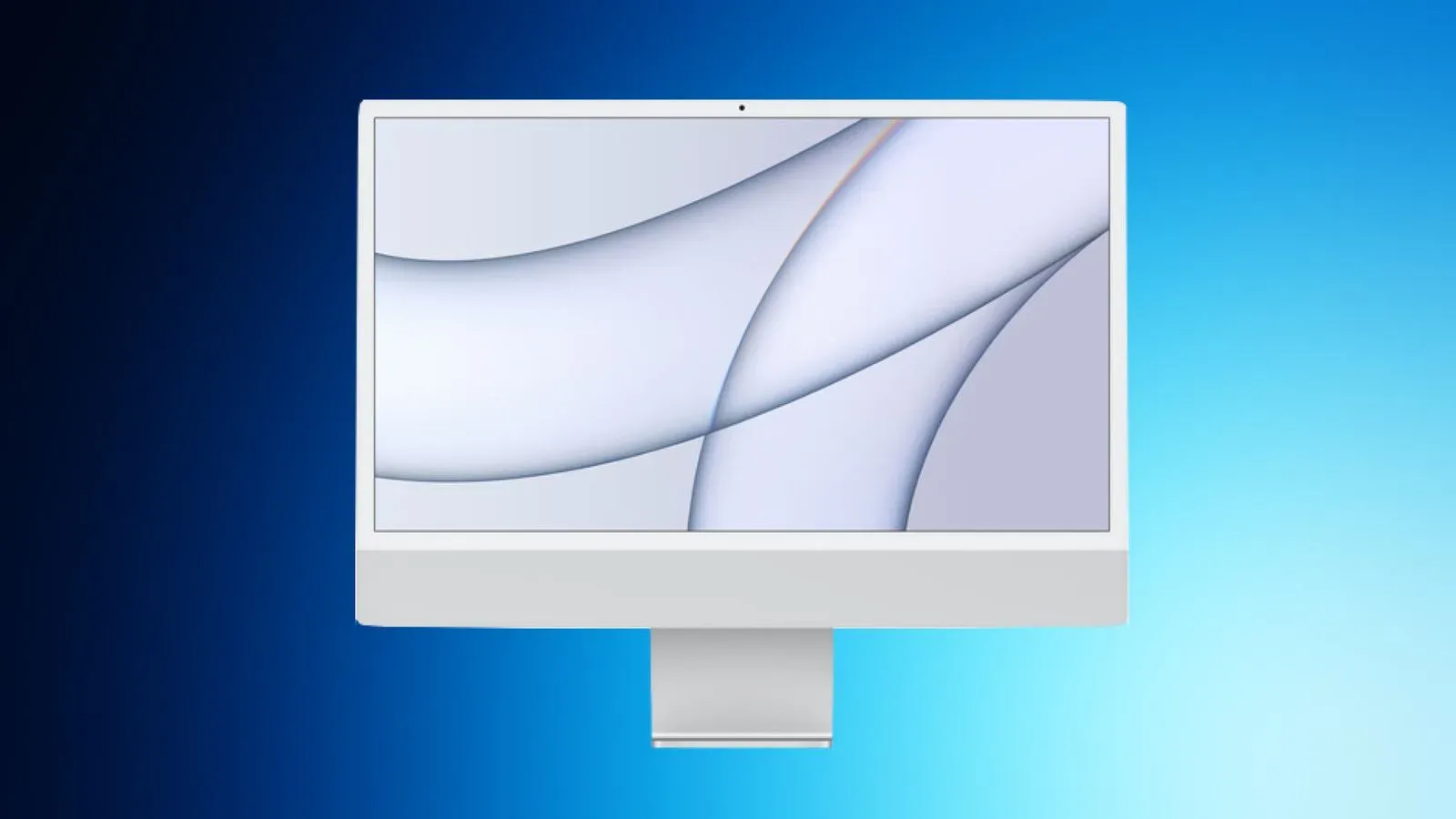
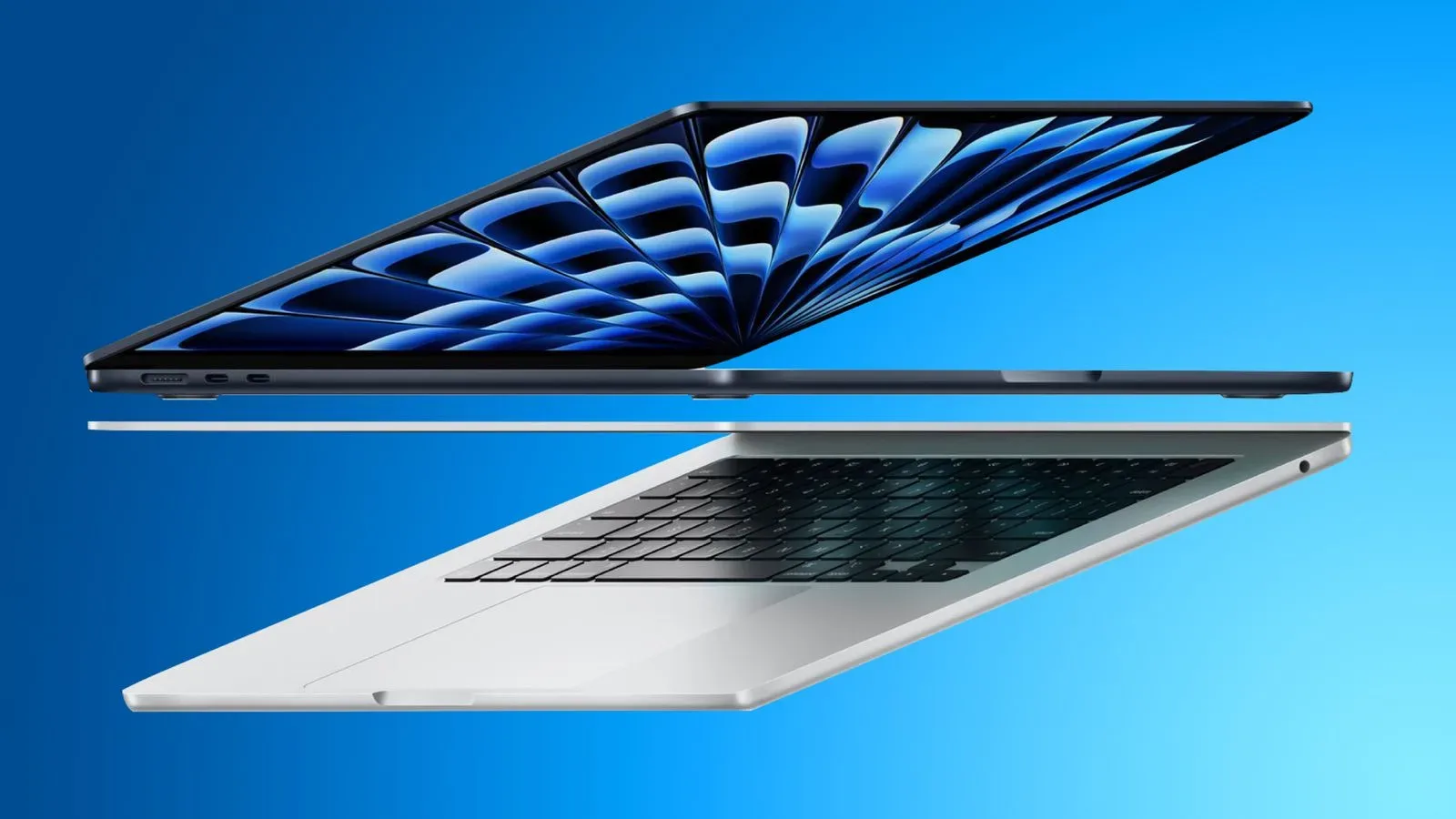
MacBook Air and iMac displays could eventually receive a substantial OLED upgrade, but the important word is could. LG Display is developing a screen-manufacturing process called FLiPP that is being considered for potential use in those Apple product lines in 2030. The reported benefits are ambitious: greater brightness, lower power consumption, longer panel life and potentially less expensive production.
That is a compelling bundle of improvements for computers that spend much of their lives showing static workspaces, documents, timelines, browser windows and game interfaces. Yet this remains a long-range technology and product-planning story, not a promise of a forthcoming Mac. Apple is reportedly still testing OLED displays for the MacBook Air and iMac, while the OLED iMac itself could be delayed or cancelled amid cost and demand concerns.
In short, FLiPP may address several longstanding pressures around putting OLED panels into desktop and laptop computers. It does not, by itself, establish that Apple will ship an OLED iMac—or establish the final specifications of any future Mac.
What FLiPP is trying to change
OLED, short for organic light-emitting diode, differs from a conventional display approach because its pixels create their own light. Rather than relying on a separate backlight behind the image, each OLED pixel can emit light directly. That pixel-level lighting is central to why OLED is a major display technology category, but achieving its benefits at the scale, brightness and longevity expected from computer monitors and laptops is a manufacturing challenge.
LG’s reported FLiPP process focuses on the space between those light-producing pixels. By reducing the unused gaps, more of the display’s surface can participate in producing light. This is sometimes described as increasing the effective light-emitting area: instead of necessarily pushing the same pixel structure harder, the panel has more usable area contributing to the image.
LG says manufacturers could use the improvement in different ways. Compared with OLED screens built through the conventional process, a FLiPP panel could be made:
- 60% brighter;
- 2.4 times longer-lasting; or
- 13% more power-efficient.
Those figures should not be read as a confirmed specification sheet for a future MacBook Air or iMac. They are stated as potential trade-offs enabled by the process, rather than an assurance that every possible advantage appears at once in an Apple product. A manufacturer could choose how to balance brightness, lifespan and power use for a particular panel and device.
Why those trade-offs matter for Macs
Brightness matters beyond the simple appeal of a more vivid screen. A brighter display can be easier to view in challenging ambient light, while a panel that reaches a given viewing level more efficiently could reduce power demand. On a laptop, display power is particularly consequential because it is part of the device’s battery budget. The reported 13% efficiency figure therefore has obvious relevance to a future MacBook Air, whose appeal depends heavily on portability.
Longevity is equally important in a computer context. Displays are used for long stretches and often show interface elements that stay in the same place: menu bars, app toolbars, document panes, editing controls and task lists. The reported 2.4-times lifespan possibility suggests why a manufacturing improvement could be attractive even if a finished product did not pursue the maximum brightness claim.
It is also worth separating a panel-level claim from a whole-device result. Lower display power consumption is not the same thing as a guaranteed 13% reduction in total laptop power use, because a computer also has processors, memory, storage, wireless hardware and other components. Likewise, panel longevity does not tell buyers how long a complete computer will operate. These are meaningful display-process targets, but they are not substitute measurements for battery life or overall device durability.
A manufacturing story as much as a screen story
FLiPP’s potential significance is not limited to image quality. The process reportedly replaces the thin metal sheets conventionally used to arrange OLED pixels. LG could make more displays from each glass sheet while wasting less material.
That is a practical manufacturing proposition: get more usable panels out of the same underlying material, reduce waste, and potentially lower the cost of production. For premium computer displays, cost is central. A technology can look highly desirable on paper but still struggle to reach a wide product range if the panels are too expensive to make at the necessary volume.
That backdrop helps explain why the iMac portion of this report deserves caution. Despite the possible production advantages of FLiPP, reported concerns over cost and demand could result in an OLED iMac being delayed or cancelled. Better panel economics would be useful, but they are only one part of a product decision. Apple would also have to decide that the component costs, expected interest and positioning of the finished machine make sense.
The distinction is especially important because “OLED iMac” can sound like a fixed upcoming product. At present, it is better understood as a possibility under evaluation. LG’s process has been unveiled, and potential Apple applications have been identified, but a panel supplier’s technology roadmap is not the same as an announced Mac roadmap.
Why 2030 should temper expectations
The reported target is 2030, placing FLiPP well beyond the normal horizon for shopping decisions. There is no reason for a current Mac owner to treat this as a signal to postpone a purchase. Technologies in development can change substantially, be used in different products than initially expected, or never reach a particular device at all.
The timeline also leaves several unresolved questions. There is no confirmed final panel size, resolution, refresh behavior, pricing, Mac configuration or launch schedule. There is also no confirmation that a potential MacBook Air and a potential iMac would use the process in the same manner. A laptop’s need to manage power is different from a desktop’s priorities, even when both would benefit from display improvements.
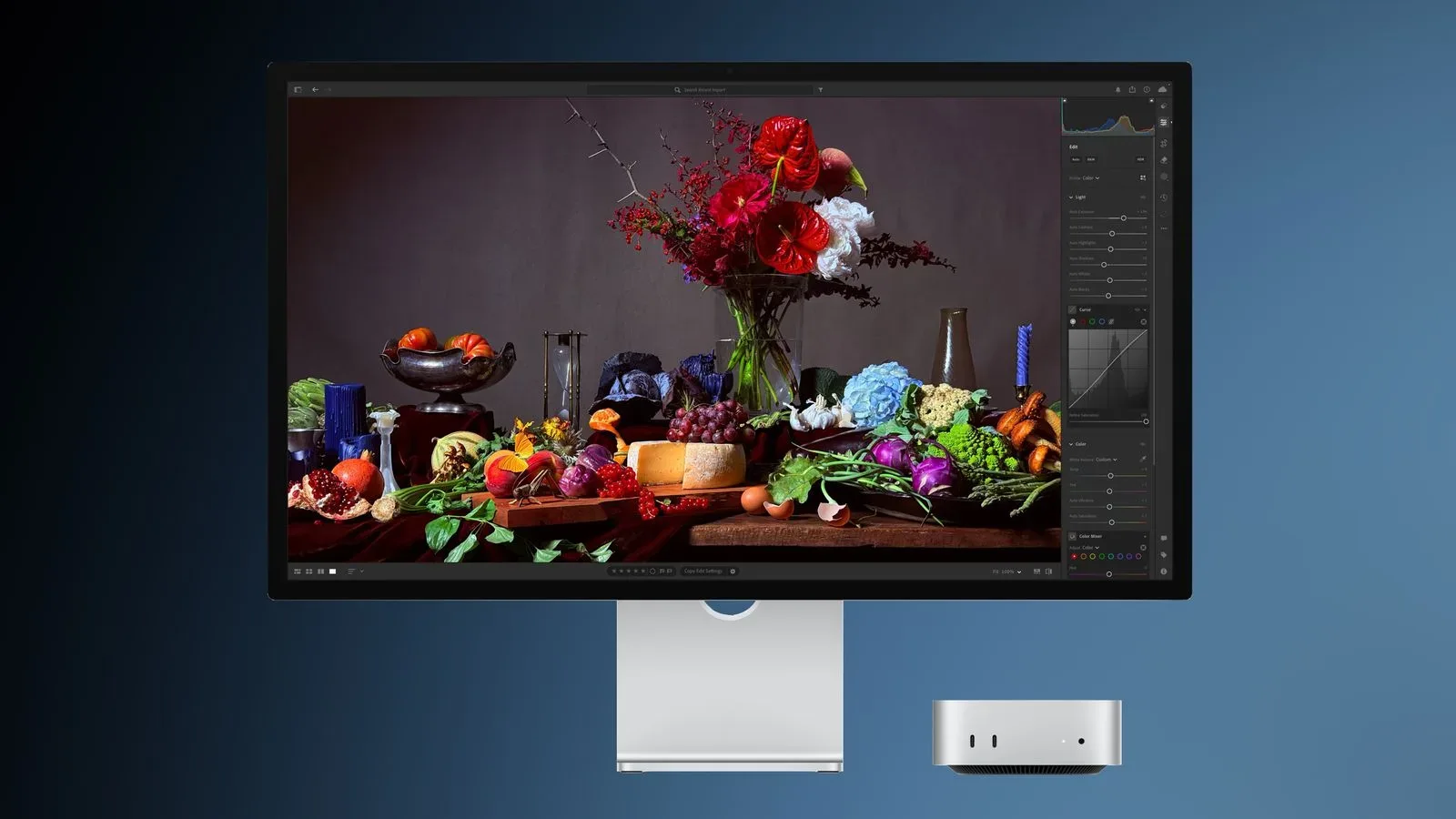
For people considering an Apple display setup sooner, the meaningful facts are the products actually available and their present pricing, rather than a speculative 2030 panel process. Current purchase decisions can be evaluated on current hardware; for example, recent Apple Studio Display and Studio Display XDR discounts concern hardware that can be bought now. FLiPP, by contrast, is a technology possibility whose relevance depends on later product and manufacturing choices.
The OLED iMac is the key uncertainty
Reports indicate Apple is testing OLED displays for both the MacBook Air and iMac. Testing is a meaningful step, but it should not be confused with a commitment to ship. Companies evaluate components and configurations that do not ultimately become commercial products, particularly when cost, production capacity or expected demand may complicate a launch.
The iMac therefore sits at the center of the uncertainty. Its inclusion in early plans makes FLiPP potentially relevant to desktop Mac users, but the possibility of delay or cancellation means there is no solid basis for treating an OLED iMac as inevitable. Any impact on LG’s plans would follow from that uncertainty as well.
For the MacBook Air, the prospect is similarly unconfirmed but easier to interpret at a high level. Its portable role makes the stated efficiency benefit notable, while brighter and longer-lived OLED panels would be appealing attributes for a laptop display. Still, no finished device specifications have been established, and the 2030 timing remains reported rather than announced.
What to take from the report
FLiPP is worth watching because it targets the three constraints that matter most when advanced display technology moves into mainstream personal computers: visual output, energy use and durability. Its manufacturing changes may also help with the cost side of the equation by reducing material waste and improving the number of screens produced from each sheet of glass.
But the report calls for measured expectations. LG’s claims describe what its new process may enable, not an assured collection of features for a future Apple product. Apple’s OLED Mac testing indicates continuing interest, while reported iMac cost and demand questions make the destination unclear. The best current reading is that brighter, more efficient and potentially longer-lasting OLED Macs are technically plausible for 2030—while the products, their specifications and even the iMac’s participation remain unsettled.