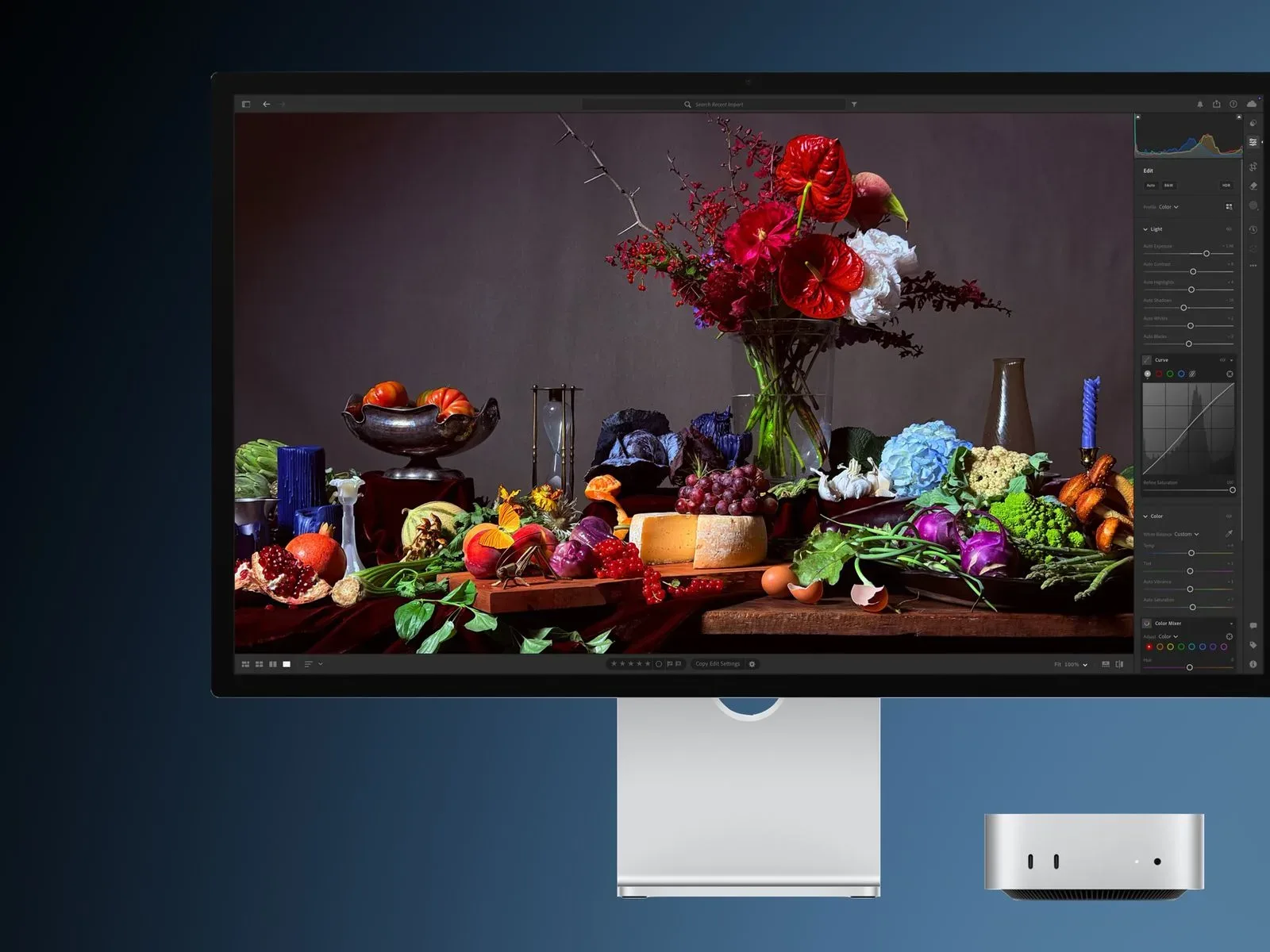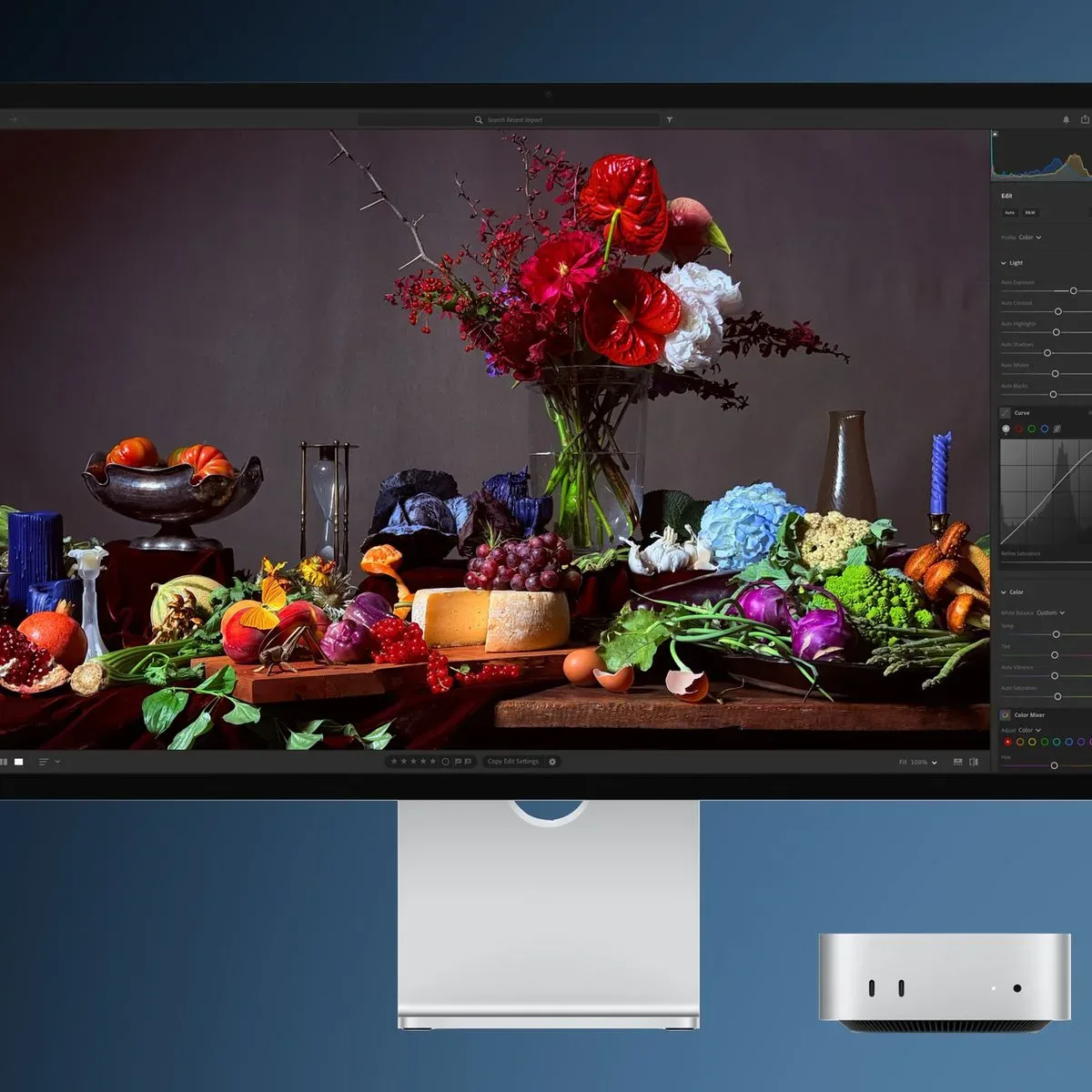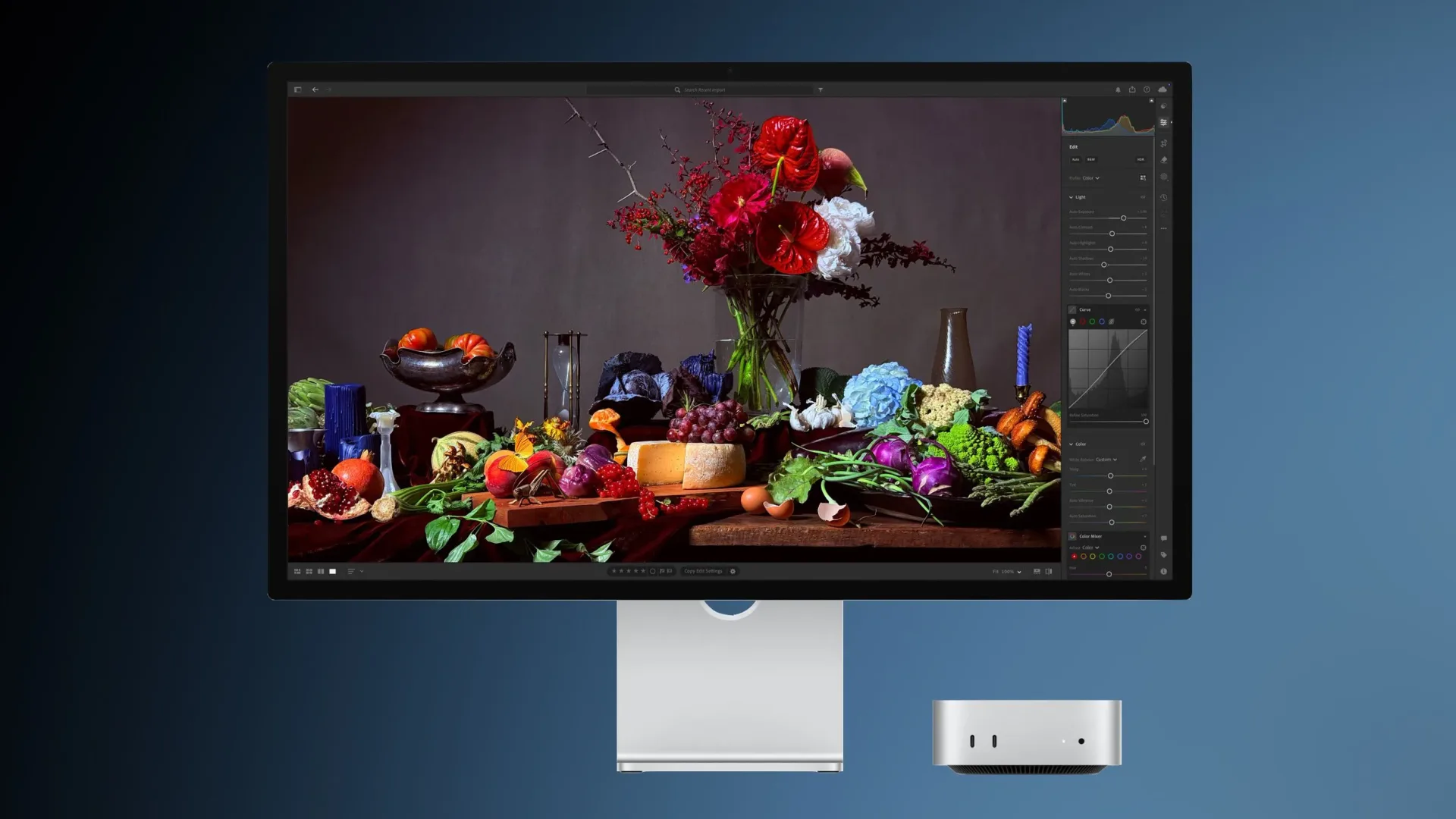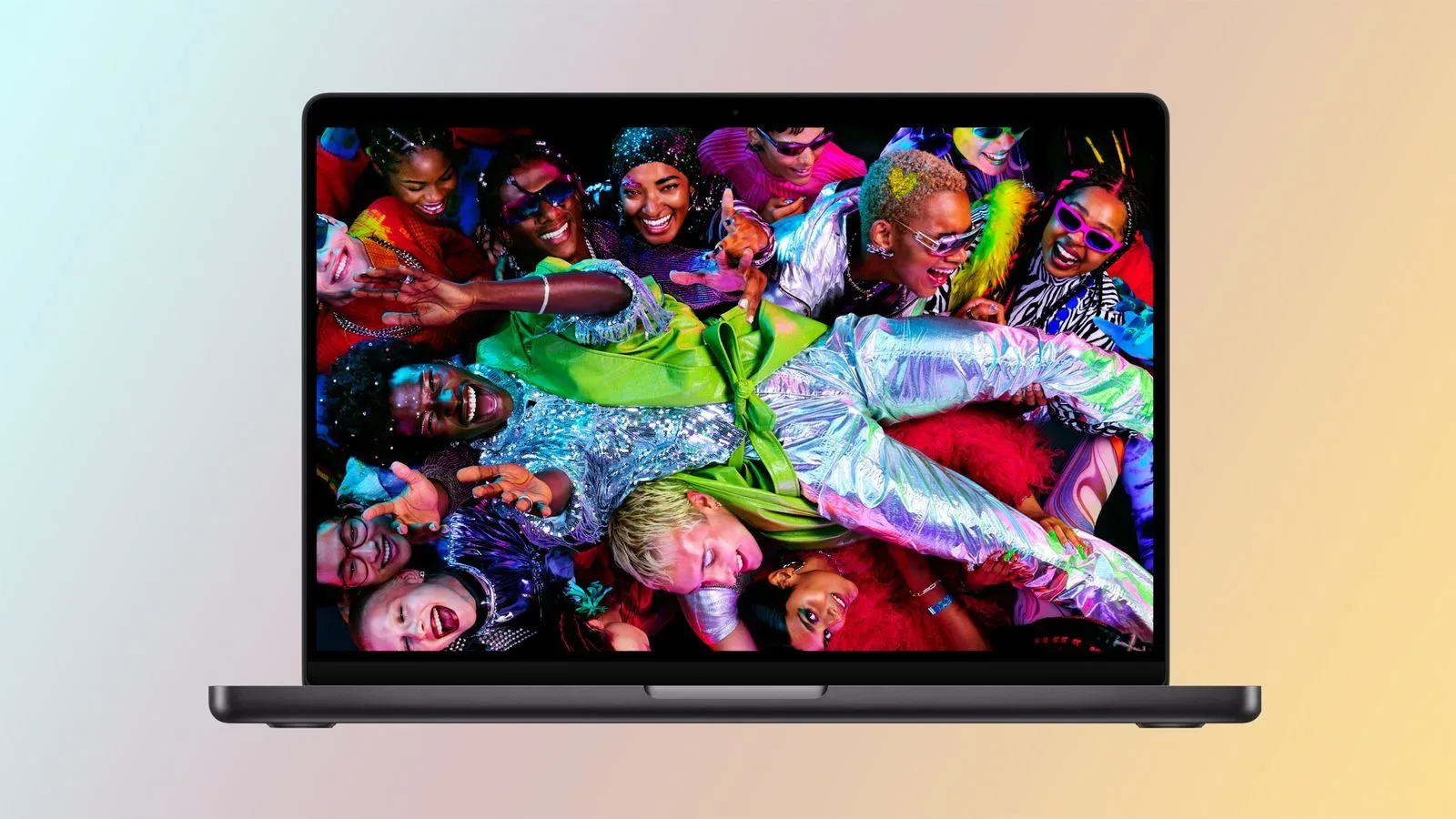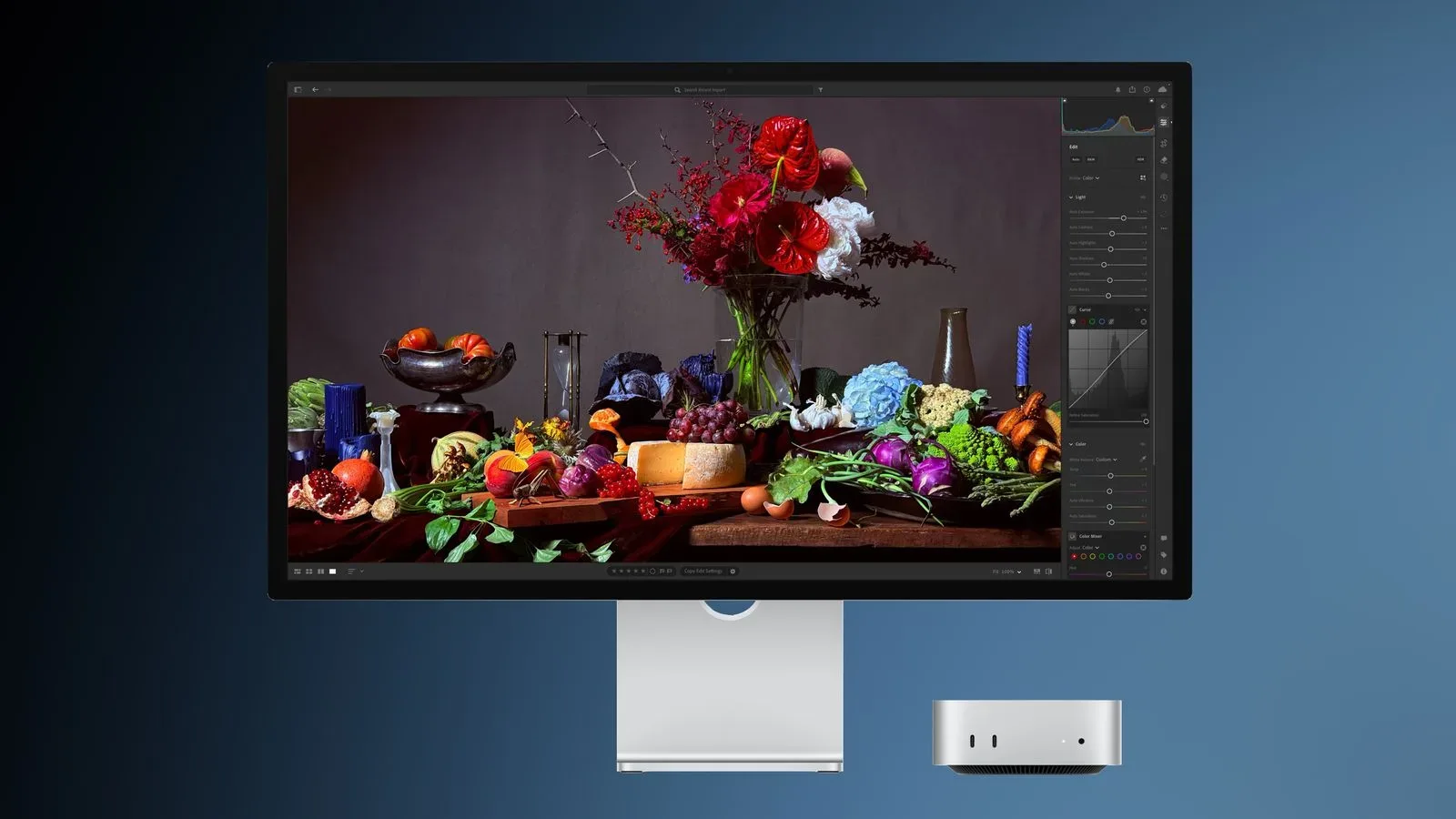
Apple’s Studio Display configurations have received broad Black Friday price cuts, bringing the entry point to $1,399 for either a standard-glass model with a VESA mount or the tilt-adjustable stand. Both are reduced from $1,599, a $200 difference. The reductions extend across the listed 2026 Studio Display range, while the Studio Display XDR’s nano-texture VESA configuration is listed at $2,899, down $300 from $3,199.
That makes this a sale worth reading configuration by configuration rather than treating “Studio Display” as one identical product. Glass finish and mounting option account for substantial differences in the listed prices, even before the discount. Buyers deciding between the models should start by identifying how the display will physically live on their desk, then choose between standard and nano-texture glass. That order matters: a lower sticker price is not necessarily a better purchase if it comes with a mounting arrangement that does not fit the intended setup.
The Black Friday Studio Display prices
The following Studio Display configurations are listed with $200 reductions:
- Standard glass with VESA mount: $1,399, previously $1,599
- Standard glass with tilt-adjustable stand: $1,399, previously $1,599
- Standard glass with tilt- and height-adjustable stand: $1,799, previously $1,999
- Nano-texture glass with VESA mount: $1,699, previously $1,899
- Nano-texture glass with tilt- and height-adjustable stand: $2,099, previously $2,299
The separate Studio Display XDR deal is:
- Nano-texture glass with VESA mount: $2,899, previously $3,199
The shared $1,399 price on the first two Studio Display options is especially notable because it presents a direct choice between a VESA-equipped display and one with a tilt-adjustable stand at no listed price difference. In other words, the stand is not being treated as a $200 upgrade over the VESA version in this sale; both begin at the same discounted figure.
What the configuration labels mean in practical terms
Some terminology in monitor listings can make a simple purchasing decision seem needlessly opaque. Here, the labels chiefly identify the screen surface and the physical mounting arrangement.
Standard glass versus nano-texture glass
The listings divide the Studio Display family into standard glass and nano-texture glass options. Those are distinct display-surface choices, and the nano-texture models carry a higher listed price in every comparable Studio Display pairing.
At these sale prices, the difference is $300 between standard glass and nano-texture glass on the VESA models: $1,399 versus $1,699. The gap is also $300 between the listed standard-glass tilt-and-height model at $1,799 and nano-texture glass with that same stated stand type at $2,099. The sale does not eliminate that premium; it lowers both versions by the same $200.
That is useful for budgeting. A shopper who has already settled on the VESA route can see that the choice of surface is the main price fork: $1,399 for standard glass or $1,699 for nano-texture. Someone who needs a tilt-and-height stand faces a larger overall spend, with the listed choices beginning at $1,799 for standard glass and reaching $2,099 for nano-texture.
VESA mount versus included stand
VESA refers to a standardized mounting pattern used by compatible monitor arms and wall mounts. A VESA-mount display is designed to be attached to such hardware rather than relying on an included desktop stand. The important word is “compatible”: the display listing identifies the mount arrangement, but buyers should confirm their chosen arm or wall mount is suitable before committing.
The VESA configurations are the least expensive listed versions for both standard and nano-texture glass. That can be attractive for a desk already built around a monitor arm, but it should not be viewed as an automatic saving. Anyone without compatible mounting hardware will need to account for that separately. Conversely, users who already own an appropriate arm may prefer the cleaner flexibility of a VESA-based setup.
The stand options are more self-contained. A tilt-adjustable stand changes the display’s angle; a tilt-and-height-adjustable stand adds vertical positioning. The latter commands an extra $400 over the standard-glass tilt-only version in the discounted listings, moving from $1,399 to $1,799. That price step is unchanged from the regular-price relationship, since each model receives the same $200 reduction.
How to read the savings without overstating them
All of the regular Studio Display configurations listed here fall by $200. In percentage terms, the reduction is more meaningful at the entry point than it is for the higher-end options: $200 is a larger share of $1,599 than it is of $2,299. The Studio Display XDR’s $300 cut is the larger dollar saving, but it remains the highest-priced configuration at $2,899.
This distinction matters during seasonal sales. “Biggest discount” can mean a larger dollar amount, a larger percentage reduction, or simply a price lower than recent listings. These offers provide clearly stated before-and-after prices, so the most dependable comparison is the absolute cost of the specific configuration a buyer actually needs—not an assumption that the largest nominal discount is universally the strongest value.
For a buyer considering only standard glass with a conventional desktop setup, the tilt-adjustable $1,399 model is the straightforward baseline. For a buyer with an existing compatible arm, the standard-glass VESA version reaches the identical $1,399 price. The other choices are not substitutes so much as more specialized configurations with their own cost trade-offs.
Where the XDR listing fits
The Studio Display XDR deal is limited here to a nano-texture glass model with VESA mount. At $2,899, it costs $1,200 more than the nano-texture Studio Display VESA configuration and $1,500 more than the standard-glass Studio Display VESA configuration, even after its $300 reduction.
Because the available deal information identifies only that one XDR configuration, it is best treated separately rather than assuming corresponding discounts apply to other XDR variations. Shoppers comparing it with the regular Studio Display range should also note that it is a VESA-mount listing, making compatible mounting hardware a practical part of the decision.
A sensible pre-check before buying
The most useful way to approach these reductions is to lock down needs that will not change after checkout. A brief checklist can prevent choosing the least expensive configuration only to discover it does not suit the desk.
- Decide on mounting first. Choose VESA only if the planned monitor arm or wall mount is compatible; otherwise, select the stand option that provides the needed adjustment.
- Choose the glass finish deliberately. Standard and nano-texture glass are separate configurations with a $300 gap in the listed comparable Studio Display options.
- Compare the actual final configuration price. The $1,399 starting point applies to two standard-glass variants, not every version in the range.
- Keep XDR comparisons separate. Its listed sale is $300 off, while the regular Studio Display models are listed at $200 off.
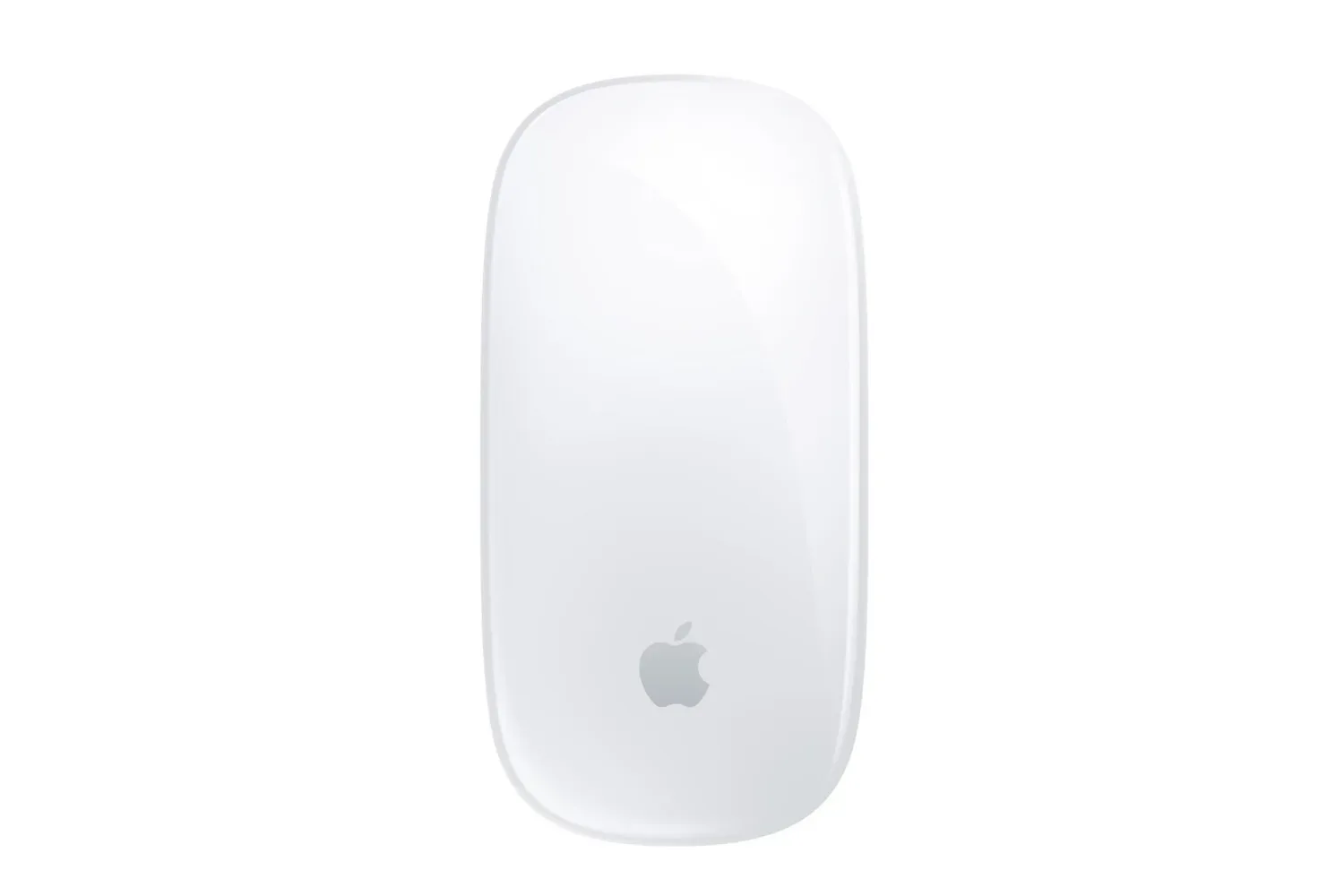
Those building out an Apple desk setup may also want to compare the display pricing with the separate Black Friday price cut on Apple’s Magic Mouse. The products serve different roles, of course, but looking at peripherals and display hardware together gives a clearer view of the total cost of a workspace refresh.
For now, the central deal is simple: the least expensive listed Studio Display choices are $1,399, all listed regular Studio Display variants are reduced by $200, and the listed Studio Display XDR configuration is $2,899 after a $300 cut. The remaining decision is not whether each model is on sale, but which glass-and-mount combination fits the intended workspace.
Shop the products
Check current price, model and availability at the retailer.