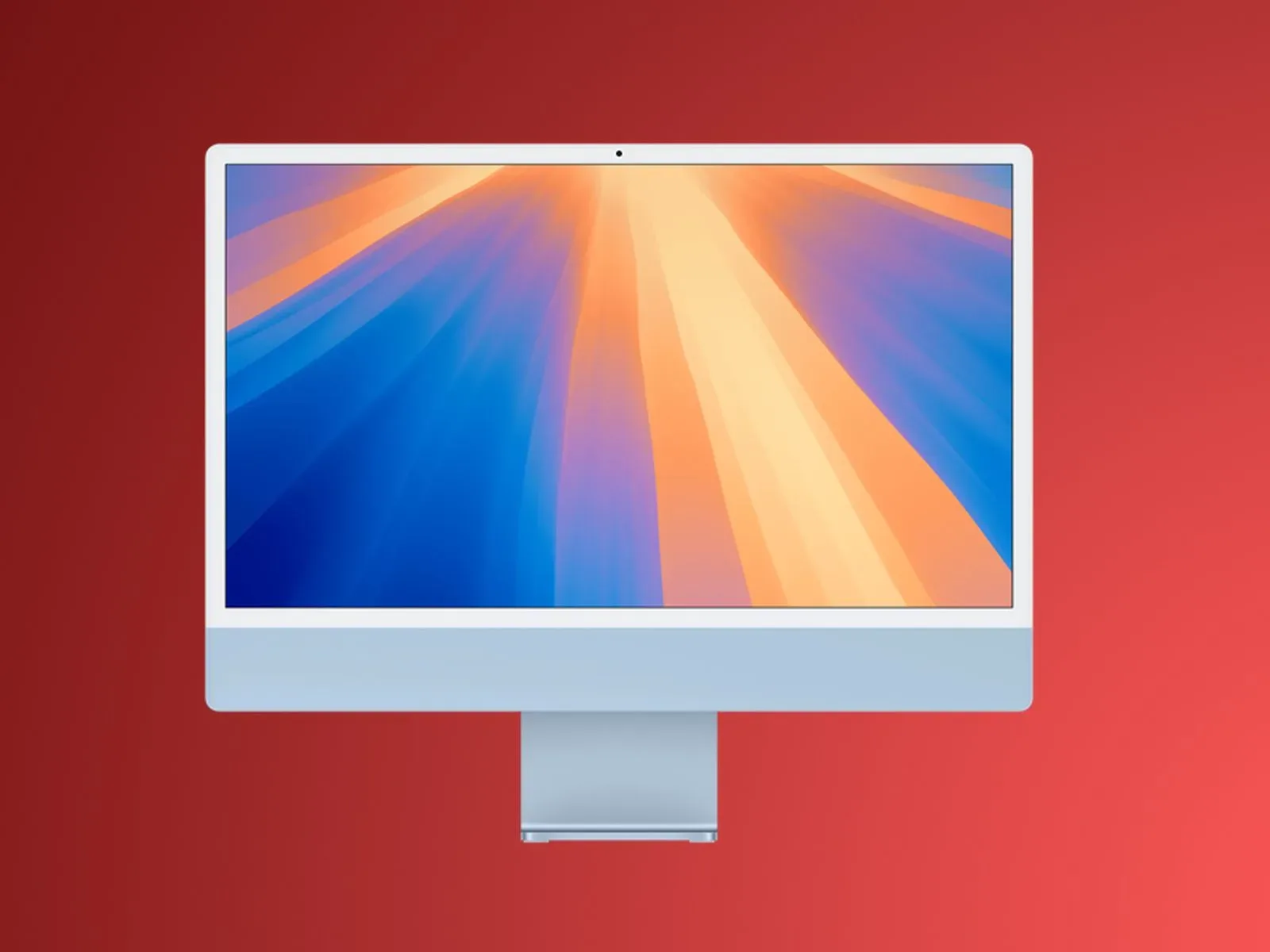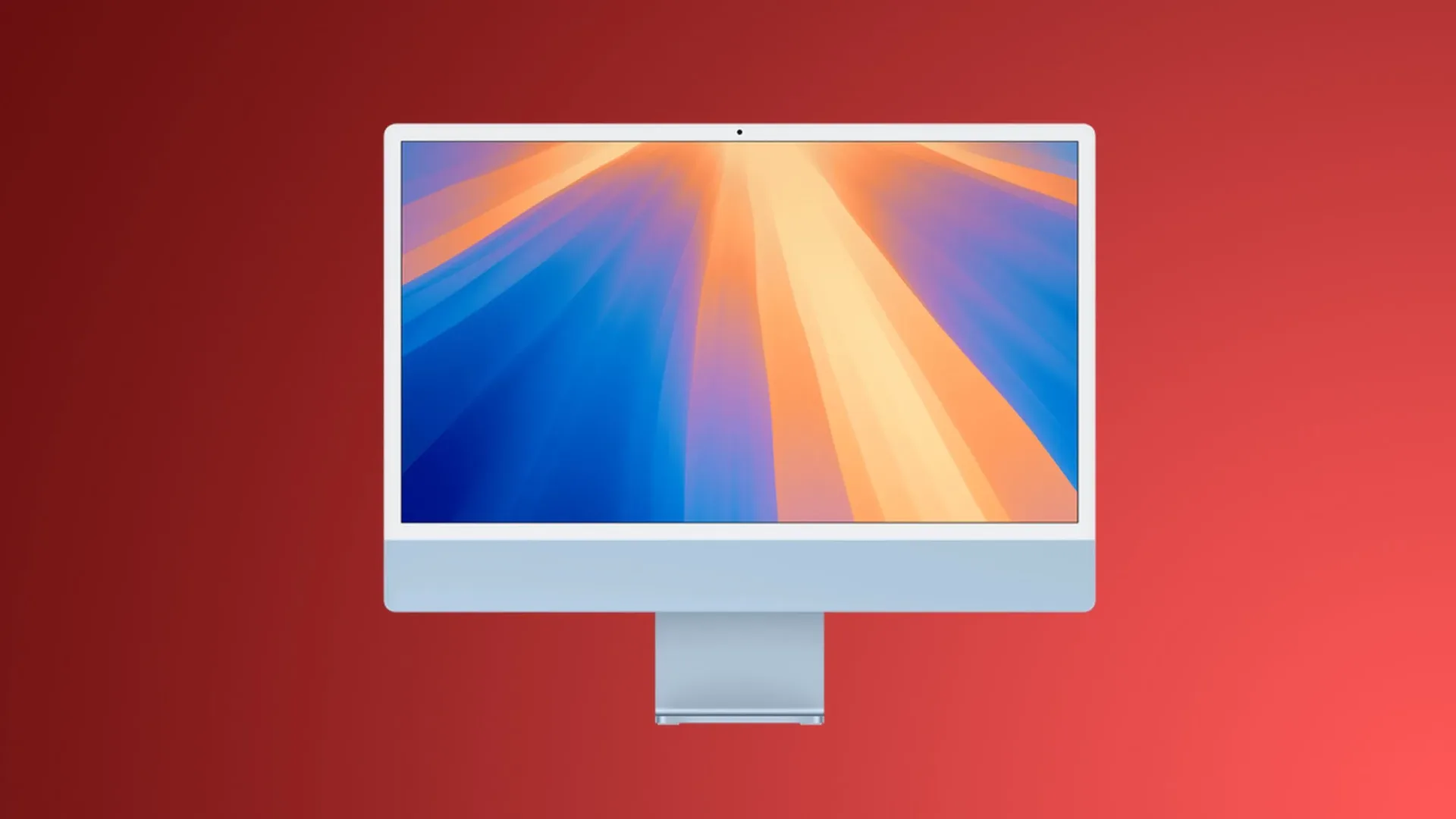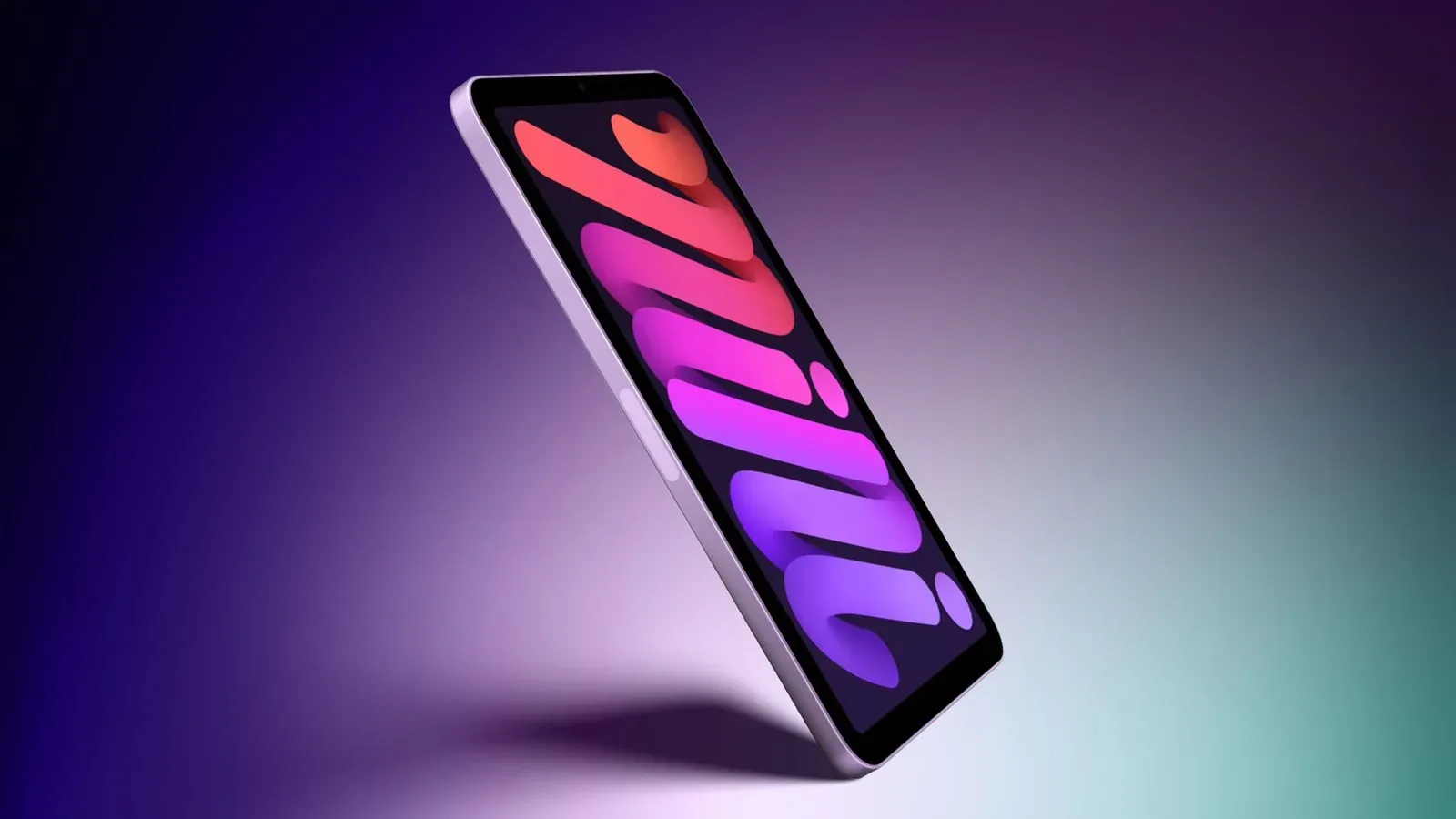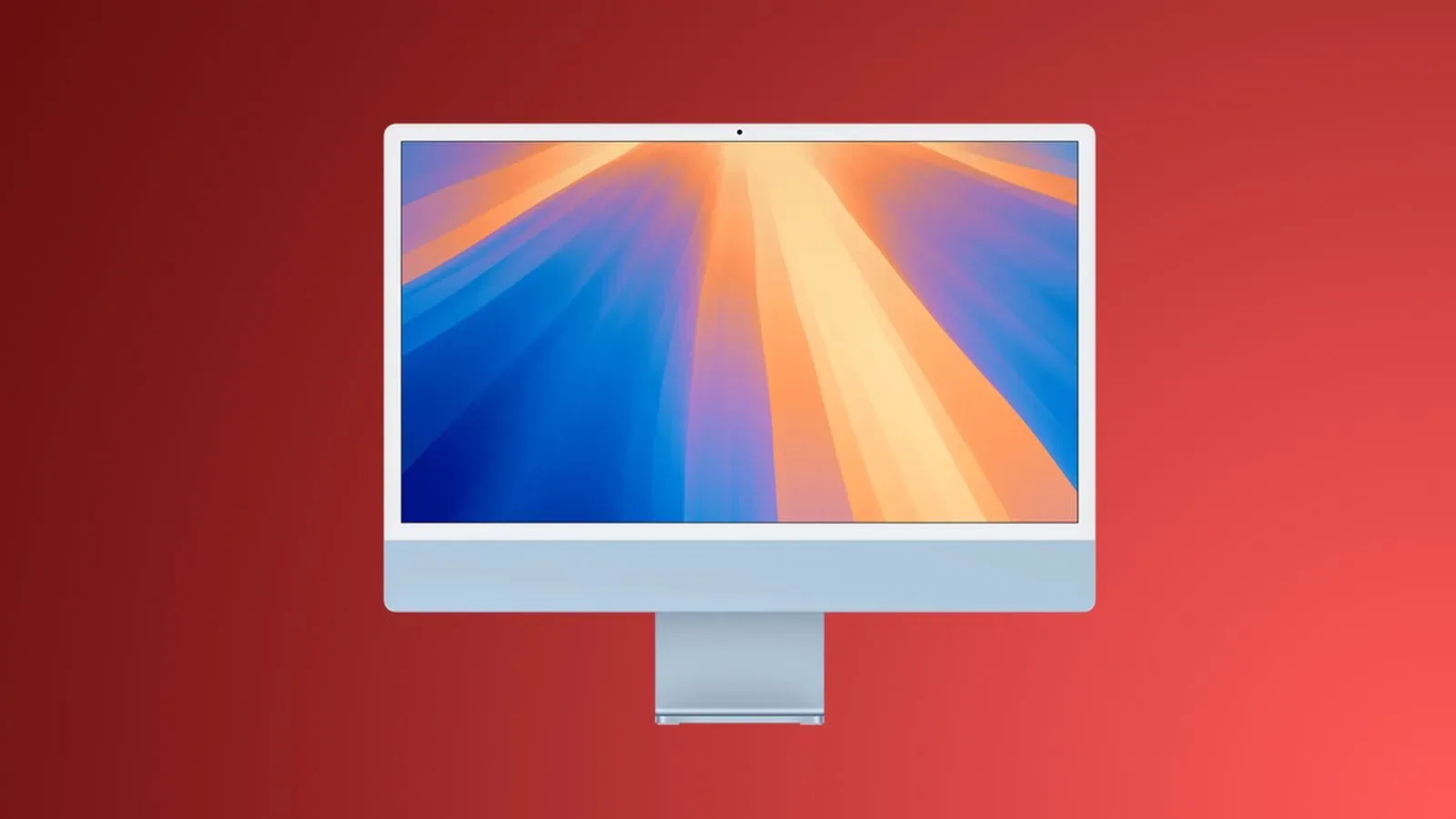
OLED display technology may eventually reach both the MacBook Air and the iMac, but it does not appear to be the headline change in either product’s next refresh. Testing is reportedly under way for future versions of the two Macs, while the nearer-term models are expected to keep LCD displays.
That distinction matters. A product being tested is not the same thing as a product with a settled launch plan, and no timing has been provided for an OLED MacBook Air or OLED iMac. For now, the more immediate picture is straightforward: a new iMac is anticipated this week, and a MacBook Air refresh is expected in early 2027. Both are expected to retain LCD screens.
What is known about the Mac display roadmap
The reported testing covers two very different parts of the Mac range: the MacBook Air, Apple’s laptop line, and the iMac, its all-in-one desktop. Their inclusion indicates that OLED is being considered beyond a single isolated product, but it does not establish that both models will move to the technology together—or at all on the same schedule.
- MacBook Air: A refresh is anticipated in early 2027, with an LCD display expected for that update.
- iMac: A new model is anticipated this week, also expected to retain LCD.
- OLED transition: Future OLED versions of both products are reportedly in testing, but no release window has been offered.
The key word is future. It leaves a substantial amount unresolved, including which generation would make the switch, whether the display change would arrive alongside other revisions, and whether the plans for the laptop and desktop remain aligned as development continues.
OLED and LCD: the terms in this report
OLED and LCD are names for display technologies. In this case, they are most useful as a way to separate the tested direction from the expected short-term products. OLED is the technology being explored for later MacBook Air and iMac models; LCD is the technology expected to remain in the forthcoming refreshes.
That is an important framing because “OLED testing” can easily be read as an immediate upgrade signal. The available information does not support that reading. Testing can be part of product development without supplying a commitment, a launch date, or a guarantee that the work will reach the next shipping hardware.
There is also no basis here to infer a broader specification list. No changes to chips, sizes, ports, cameras, colors, pricing, or release dates beyond the reported timing for the next iMac and early-2027 MacBook Air refresh have been detailed. An OLED test program is the reported development point; it should not be expanded into a presumed overhaul.
Why the immediate updates still matter
The absence of OLED from the next expected models does not make those models placeholders. It simply identifies one feature that is not expected to change yet. Anyone watching Apple’s desktop and laptop timelines now has two separate questions: what the near refreshes bring, and when—or whether—the longer-running OLED work turns into a commercial product.
For a prospective buyer, the practical implication is uncertainty rather than a clear directive to wait. The iMac expected this week and the MacBook Air refresh anticipated in early 2027 are each expected to use LCD panels. Meanwhile, there is no timetable against which an OLED purchase delay can be measured. Waiting for an unannounced product with no provided launch frame means accepting an undefined wait.
That uncertainty is particularly relevant to the MacBook Air. Early 2027 is a specific expectation for its next refresh, but OLED is explicitly not attached to that refresh. It would therefore be inaccurate to treat the early-2027 model as a confirmed OLED MacBook Air. The two details point in opposite directions: a refresh is anticipated, while the display transition remains farther out.
The iMac situation is similar, only more immediate. A new iMac is anticipated this week, yet the expected display is still LCD. Anyone evaluating that model should assess it as the LCD refresh it is expected to be, rather than as an advance version of the tested OLED concept.
Analysis: testing is a signal, not a calendar
There is a meaningful difference between a reported test and a reported product schedule. The first suggests that a company is evaluating a possible future configuration. The second gives a prospective buyer a clearer planning point. Here, the schedules are attached to LCD-equipped refreshes, while OLED has only the testing signal.
That makes this a longer-horizon Mac story rather than a last-minute feature leak for the next iMac or next MacBook Air. The report narrows expectations for the incoming products instead of setting a countdown to an OLED launch.
It also suggests caution around simple assumptions that a display technology must arrive across a product family in one coordinated moment. The information names both devices, but offers neither a shared date nor separate dates. It is reasonable to say both are being tested; it is not reasonable to turn that into a claim that both will launch with OLED in the same year, or that one will necessarily precede the other.
What remains unanswered
The current information establishes the direction of testing and the expected display technology in the next refreshes. It does not answer several questions that will determine how significant the eventual change is.
- Which MacBook Air generation, if any, will be the first to use OLED?
- Which iMac generation, if any, will make the same move?
- Will the two product lines transition at the same time?
- Will OLED testing result in shipping products on the currently discussed plans?
- What other product changes, if any, would accompany an OLED transition?
Until those details emerge, the sensible reading is deliberately modest: OLED is being explored for future MacBook Air and iMac hardware, but LCD remains the expected choice for the next versions. The gap between those two statements is the entire story.
For additional context on Apple’s display organization, see Apple’s display leadership changes and Victor Yin’s larger role.