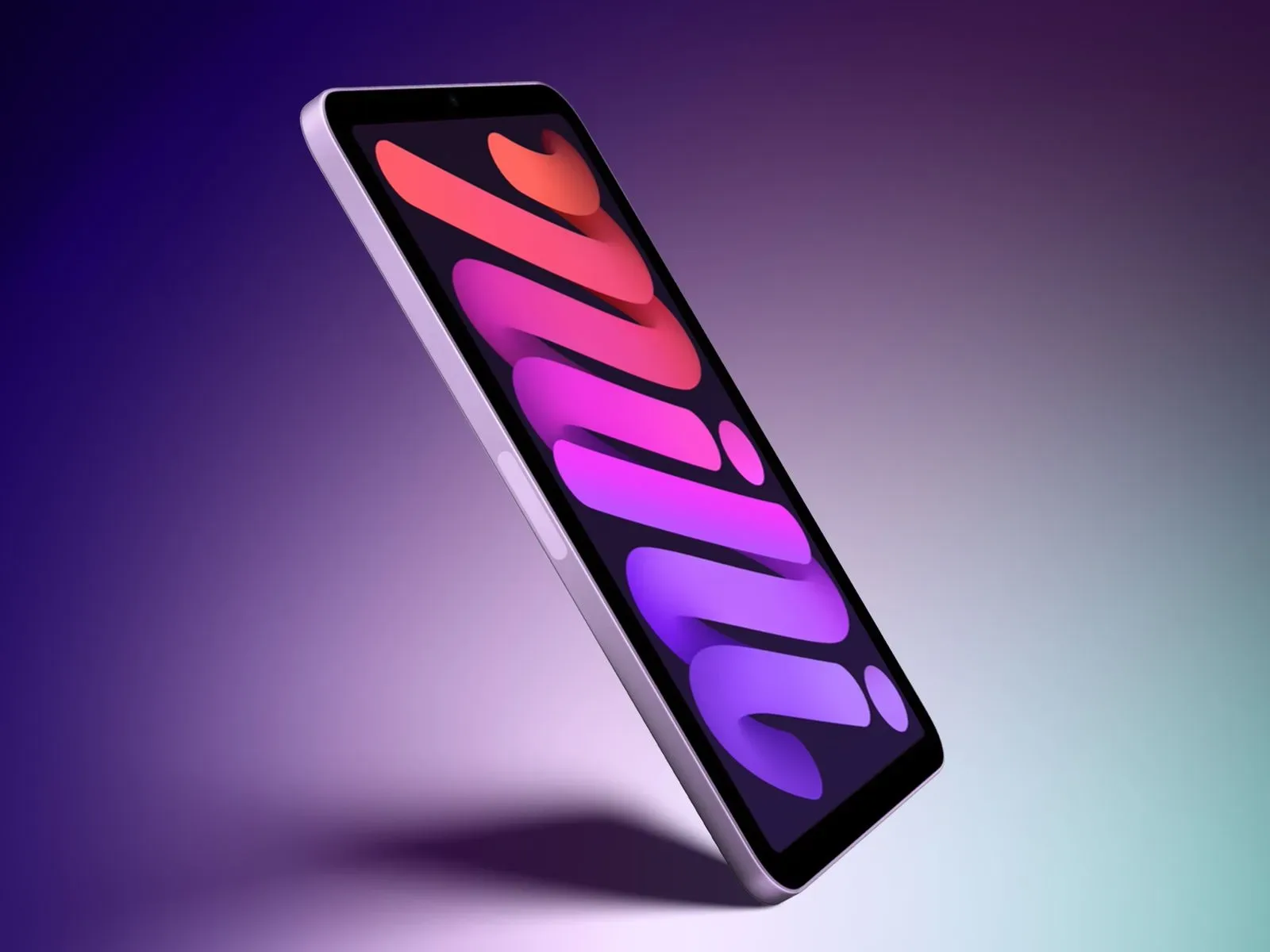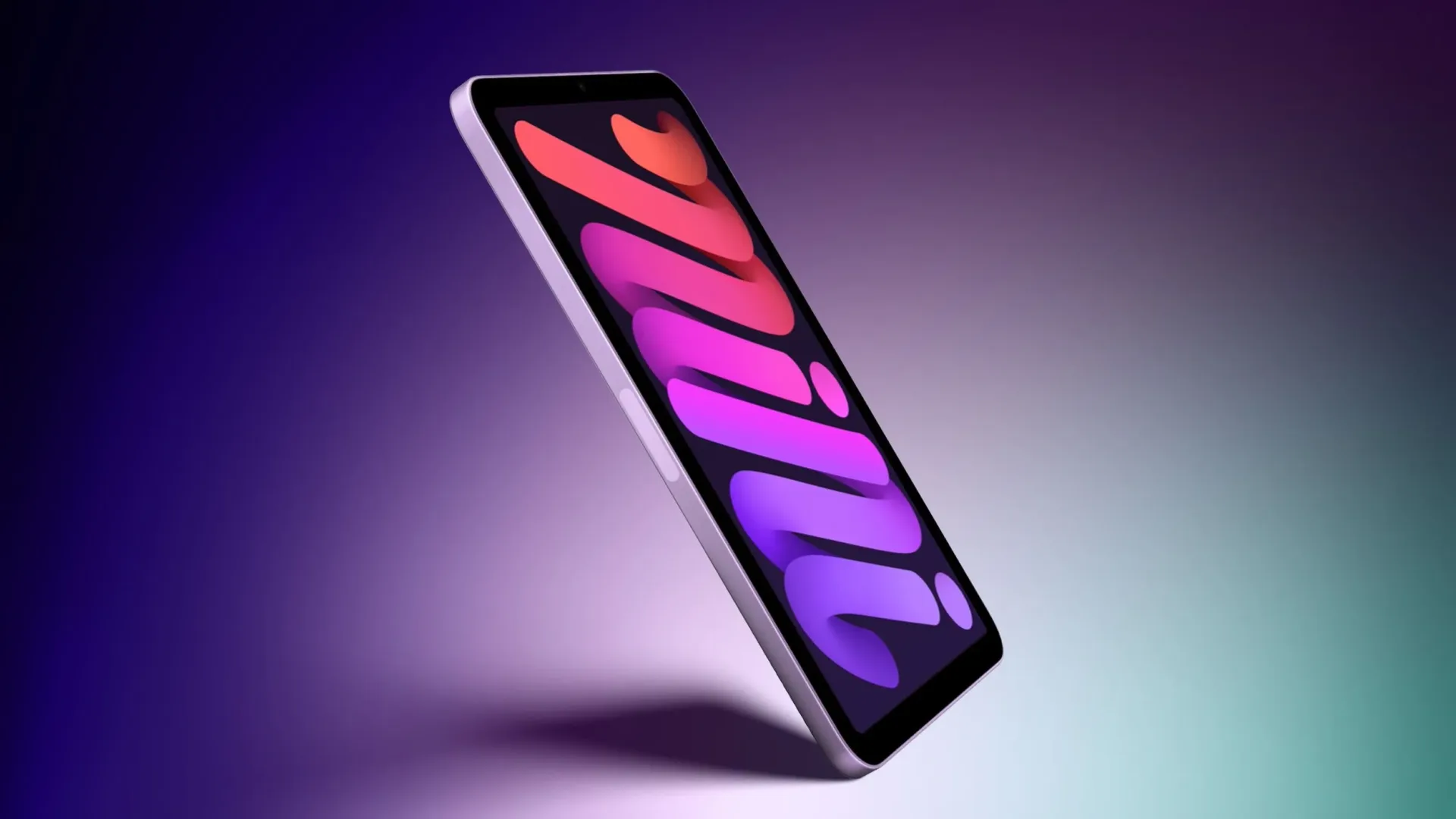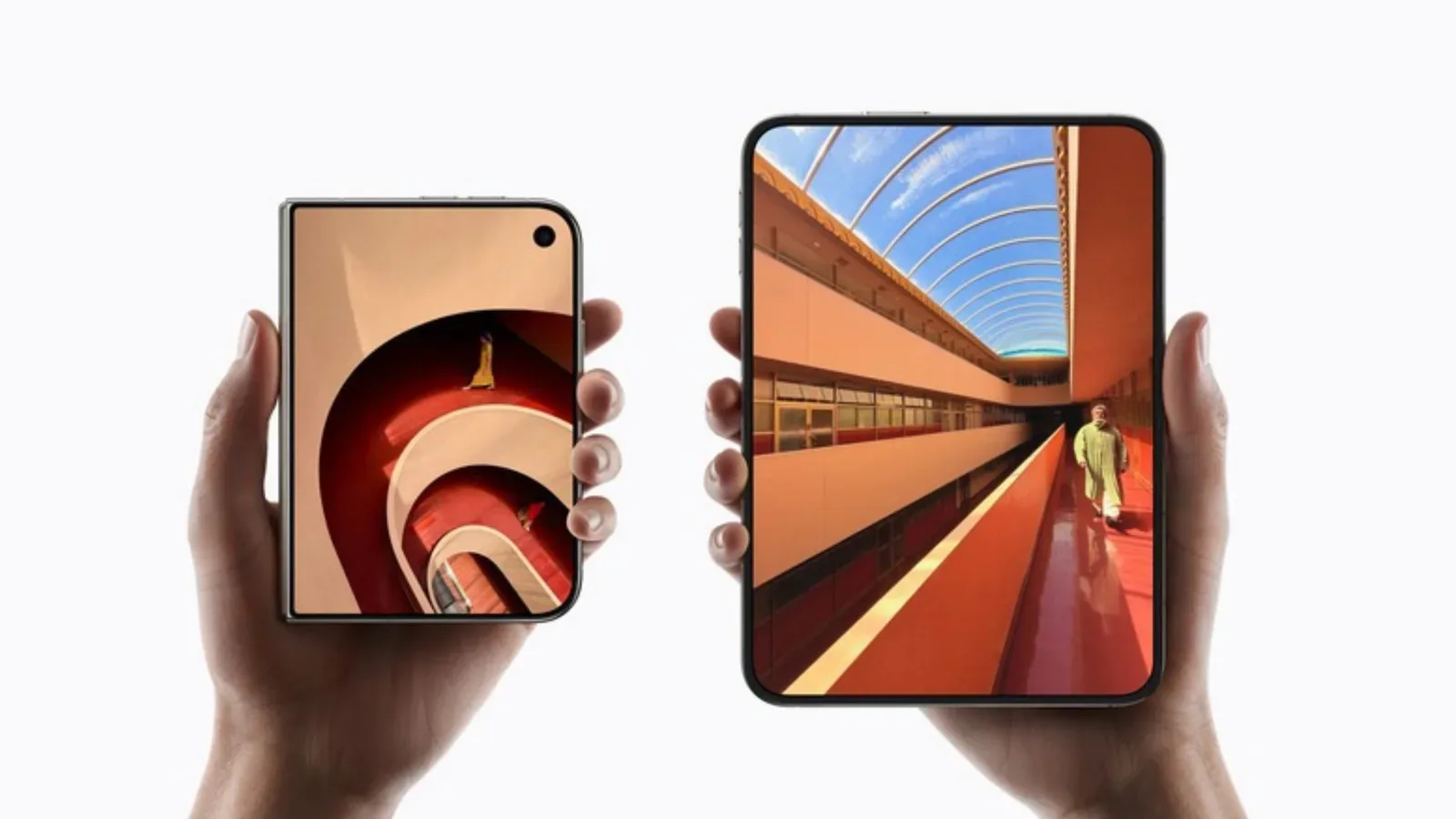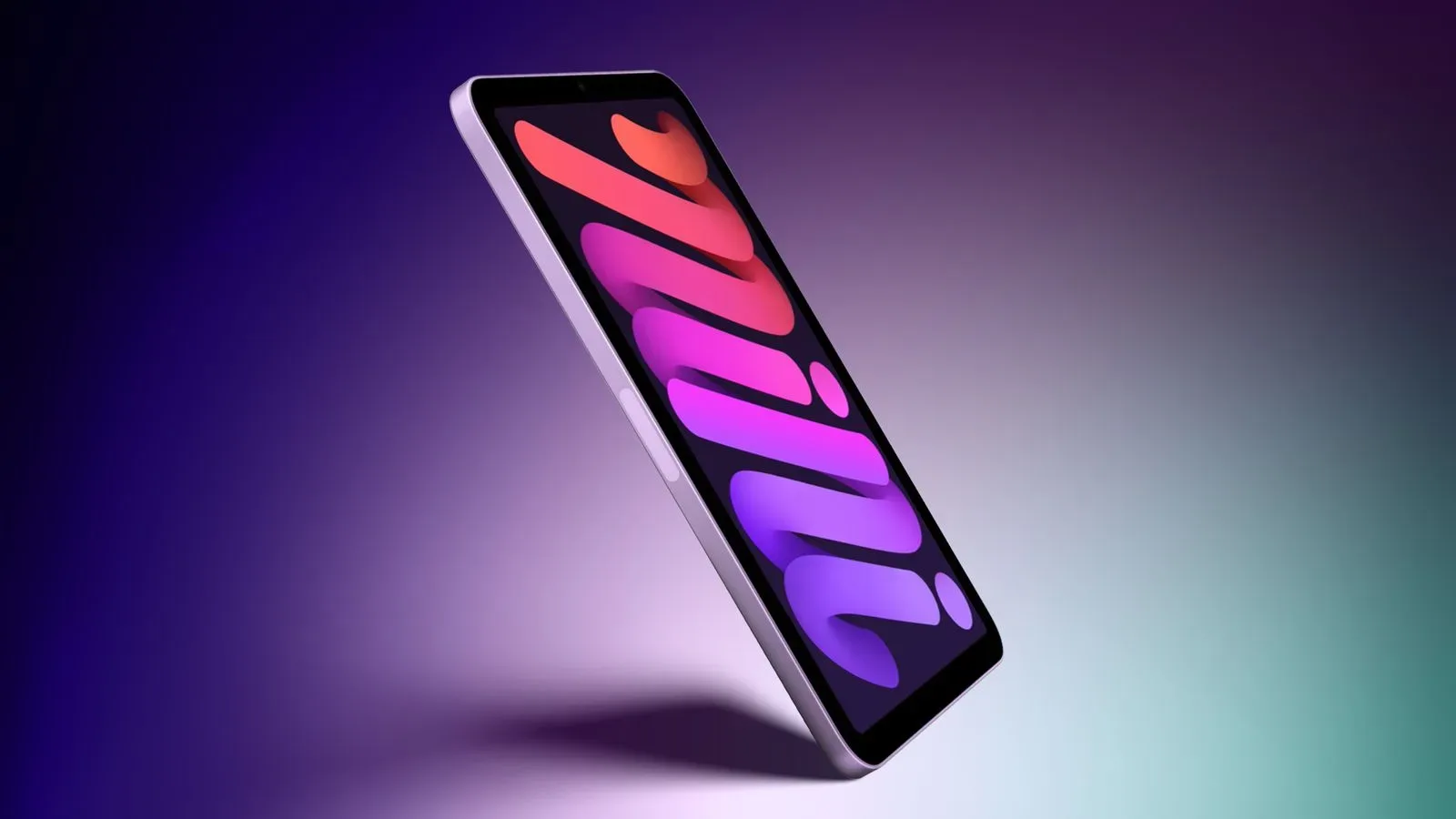
Apple may be lining up a remarkably compressed run of product releases: four consecutive Fridays, beginning October 23 and potentially ending November 13. The unconfirmed centerpiece is November 6, when the company is reportedly likely to release some combination of MacBook Pro models with OLED displays, a 14-inch MacBook Pro with an M6 chip, an iMac with an M6 chip, and an iPad mini 8 with an OLED display.
The prospective devices are expected to be announced on October 27 or October 28, then released on the following Friday. That timing remains a report rather than a confirmed Apple schedule, and the wording matters: it is not yet clear which of the listed products, if any, will share the November 6 launch date.
The reported Friday-by-Friday schedule
The wider release calendar already includes three other Friday product dates. If the November 6 report proves correct, Apple’s sequence would look like this:
- Friday, October 23: iPhone Duo
- Friday, October 30: HomePod mini 2
- Friday, November 6: potentially OLED MacBook Pro models, M6-powered 14-inch MacBook Pro and iMac models, and/or an OLED iPad mini 8
- Friday, November 13: HomeView and a fourth-generation Apple TV 4K
That is a lot of hardware to place into a four-week window. It also separates the iPhone Duo from the Mac, iPad, smart-speaker and living-room products, rather than concentrating everything in a single release. The iPhone Duo is already part of the schedule; readers looking for broader context on the foldable-phone angle can see our look at the iPhone Duo moment.
What OLED would mean—and what it does not confirm
The most notable part of the November 6 report is the possibility of OLED displays on MacBook Pro models and the iPad mini 8. OLED, short for organic light-emitting diode, is a screen technology in which individual pixels generate their own light. Unlike a display that relies on a separate backlight, an OLED panel can turn pixels off completely when showing black.
In practical terms, that characteristic is commonly associated with very deep blacks and strong contrast, especially in dark interfaces, video scenes and games that lean heavily on shadows. For laptop users, it could make media, creative work and games visually more striking. For a compact tablet, an OLED panel could similarly make a small screen more appealing for portable play and streaming.
But the report establishes only the potential display technology and product families. It does not establish resolution, refresh rate, peak brightness, panel size, battery-life effects, pricing, storage configurations, ports, graphics capabilities or game support. Those details should not be assumed from the presence of OLED alone.
Why display details will matter to players
For people who use Macs or iPads alongside gaming hardware, screen technology is only one piece of the experience. A good-looking OLED panel does not by itself reveal how a game will run, whether it has native support for a platform, or whether a particular title will be compatible at all. Processing hardware, software support and the game’s own settings remain separate questions.
Even so, the reported combination is potentially interesting. A MacBook Pro is a performance-focused laptop line, while the iPad mini is a smaller tablet format. An OLED move in both categories would suggest an emphasis on display quality across two devices that serve very different kinds of portable use. That is analysis of the reported lineup, not confirmation of Apple’s intent.
M6 is the other major question mark
The November 6 list also includes a 14-inch MacBook Pro and an iMac equipped with M6 chips. In Apple’s naming, the M-series label refers to its chips for Mac hardware. A new chip generation usually draws attention because it can affect overall system performance and efficiency, but the available information here does not specify benchmark results, CPU or GPU layouts, memory options, thermal behavior, or differences between the MacBook Pro and iMac implementations.
That means it is too early to treat “M6” as a shorthand for any definite gaming uplift. Performance claims need actual specifications and testing. The basic takeaway for now is more limited: a 14-inch MacBook Pro and iMac are among the products reportedly being considered for a November 6 release, and each could carry an M6 chip.
The distinction between a display revision and a chip revision is useful. An OLED MacBook Pro would primarily raise questions about image quality and panel behavior. An M6 Mac would primarily raise questions about system performance and efficiency. A single product could, of course, involve both kinds of changes, but the reported information does not say precisely how the configurations will be split.
An iPad mini 8 could be the portable wildcard
The report also raises the possibility of an iPad mini 8 with an OLED display. “And/or” is the operative phrase. The device is not confirmed for the date, nor is it confirmed that every rumored Mac product would arrive at the same time.
Still, the iPad mini occupies a distinct spot in the reported slate. Its smaller form factor puts the focus on a compact screen rather than a desktop or notebook workspace. If an OLED-equipped model does appear, the key official details to watch will be the screen specification, the chip, storage choices, software positioning and price. None of those were provided in the current report.
For game players, the practical question would be straightforward: does the device’s combination of screen, performance and software fit the games and services they actually use? A display upgrade can improve presentation, but it cannot answer every question around library access, controller preferences or the performance demands of individual games.
How to read a packed launch calendar
A four-Friday run sounds unusually neat, but it should not be mistaken for one giant, fully detailed announcement. The timing reported for the possible November 6 hardware—an announcement on October 27 or 28 followed by a Friday release—suggests a short gap between reveal and availability for that particular batch. The other Friday dates are already identified in the schedule, but this does not provide a complete explanation of Apple’s marketing plans or the exact composition of each release.
It is also worth separating products named with confidence from products grouped as possibilities. The schedule lists iPhone Duo for October 23, HomePod mini 2 for October 30, and HomeView plus the fourth-generation Apple TV 4K for November 13. November 6 is more conditional: the date could host OLED MacBook Pros, M6 updates to the 14-inch MacBook Pro and iMac, an OLED iPad mini 8, or some subset of those devices.
The potential November 6 release date is the most information-dense part of the reported calendar, but it is also the portion that requires the most caution until Apple identifies the final product list.
What to watch on October 27 and 28
If the reported timetable is accurate, the late-October announcement should resolve the uncertainty quickly. The essential items to verify are simple:
- Which products are actually announced for November 6.
- Whether OLED is coming to MacBook Pro, iPad mini, or both.
- Whether the 14-inch MacBook Pro and iMac are the models receiving M6 chips.
- Whether any announced model combines an OLED display with an M6 chip.
- The official specifications and regional availability details.
Until then, the safest reading is that Apple may have an unusually busy hardware stretch ahead, with November 6 positioned as a possible Mac-and-iPad date between the iPhone Duo, HomePod mini 2, and the later HomeView and Apple TV 4K releases. OLED screens and M6 silicon make that middle date potentially significant—but the specific hardware mix remains unconfirmed.