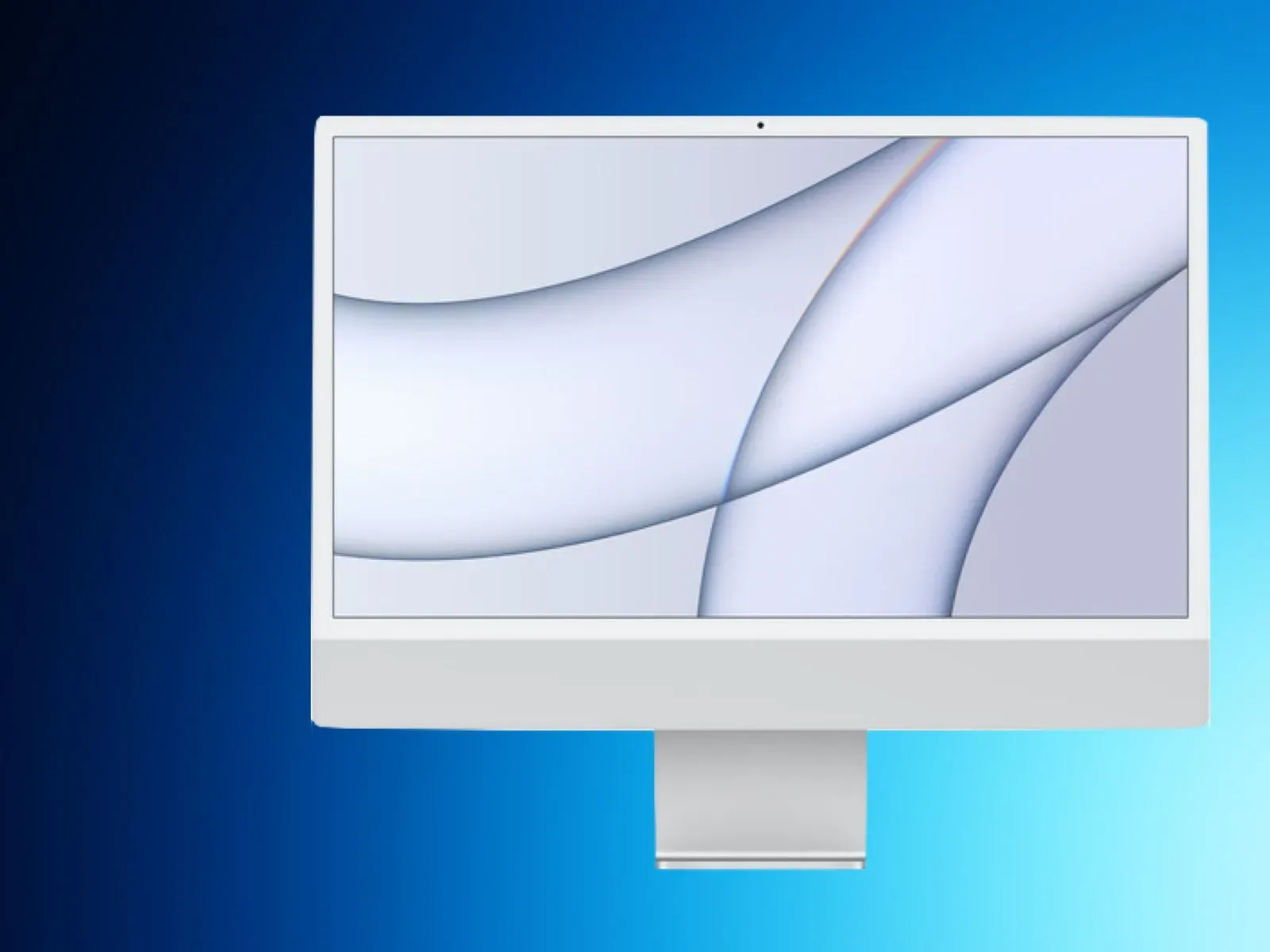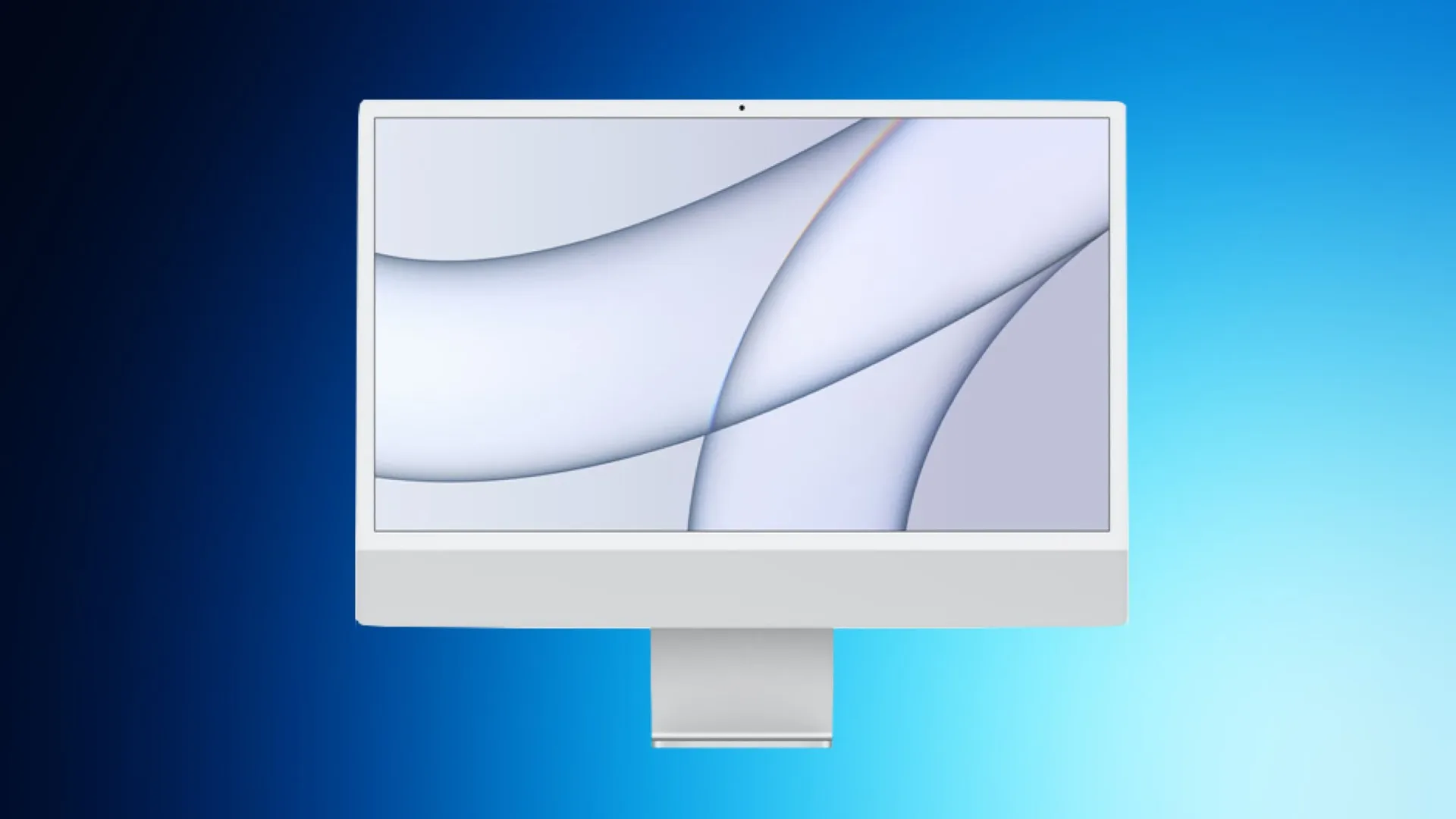
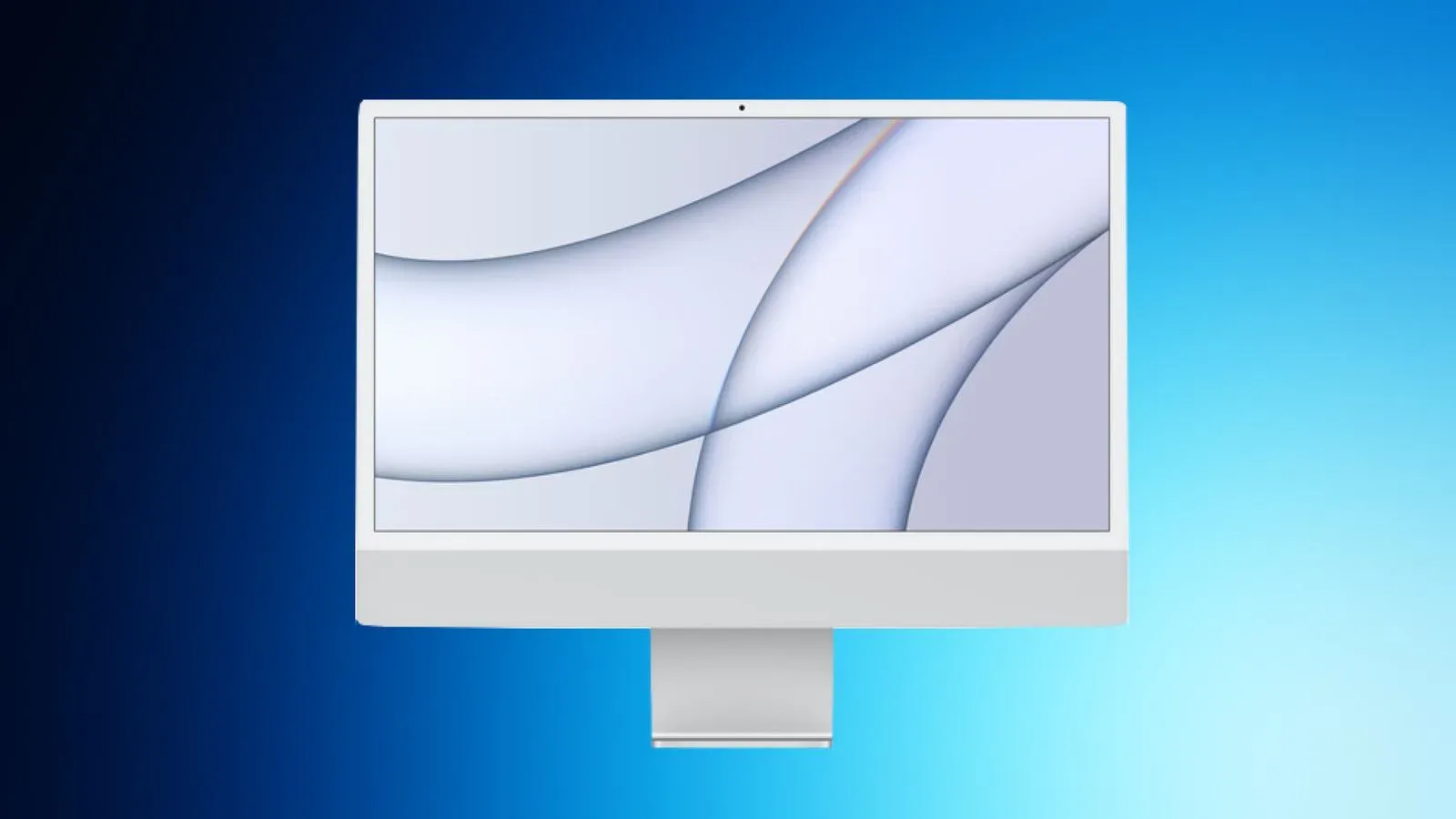
Apple may be stepping back from a long-discussed OLED iMac plan before it reaches customers. The company is reportedly reviewing the project’s schedule with Samsung Display and could delay it while it measures likely demand; a full pause or cancellation has also been raised as a possibility. Nothing here amounts to a confirmed product decision, but the direction of travel matters: an OLED iMac once associated with a possible 2029 or 2030 arrival may no longer be on that timetable.
The core issue is less about whether an OLED desktop screen can look impressive and more about whether it makes financial sense in an iMac. Reports indicate that Apple has also asked LCD panel makers, including BOE, to develop screens for a new iMac expected around 2029. If that work produces a shipping product, the iMac could remain on LCD through the same window in which an OLED transition had previously been anticipated.
What is reportedly changing
Apple is said to be in discussions with Samsung Display about altering the OLED iMac development timeline. One industry official characterized the current focus as a delay, rather than an outright termination, while Apple assesses demand. That distinction is important. Product development can be slowed, suppliers can be asked to rework plans, and components can be sampled without any final consumer model being locked in.
There is evidence that development had been substantial enough to define a target. Apple reportedly approached display suppliers in 2025 for a 24-inch OLED panel with 600 nits of brightness and 218 pixels per inch. A nit is a measurement of display brightness, while pixels per inch, often shortened to PPI, describes pixel density. Higher pixel density generally makes fine text, UI elements and detailed images appear sharper at a given viewing distance.
Samsung Display was reportedly developing a panel at roughly 220 PPI using its existing large-format quantum-dot OLED production lines, with samples once planned for the second half of 2026. LG Display, meanwhile, had been pursuing a competing white OLED panel. Both approaches were said to use five light-emitting layers, a design intended to improve brightness and panel longevity. Development on LG’s proposed iMac panel has reportedly stopped.
Those details should not be mistaken for final specifications. They describe work that may have been underway, not a guaranteed retail machine. The apparent reconsideration means even the previously reported 24-inch size, brightness target and pixel-density target should be viewed as development goals rather than promises.
Why OLED is a harder sell in an iMac
OLED, or organic light-emitting diode, differs from traditional LCD in a basic way: its pixels emit their own light. An LCD uses a separate backlight shining through its pixel layer. Because OLED pixels can be controlled individually, the technology can deliver very deep blacks and strong contrast. But producing large, high-resolution OLED panels can be costly, and that cost becomes especially significant for a product with lower expected sales volume.
The reported concern is that iMac sales are lower than those of iPhones and MacBooks. That makes it more difficult to spread the cost of expensive panels across a huge number of units. A company can either absorb more of the component bill, accept less margin, or pass some of the cost to buyers through a higher price. Reports suggest that raising the iMac’s price is precisely the risk Apple is trying to avoid.
Memory costs are also reportedly rising, creating another pressure point as Apple considers OLED in more products. A computer’s final price is not dictated by its display alone: memory, processor, storage, enclosure, logistics and other components all contribute. When several inputs become more expensive at once, a premium display upgrade has to clear a higher commercial bar.
For prospective desktop buyers, that means the story is not simply “OLED is better than LCD.” The question for a product planner is whether the visual benefits translate into enough demand at a price customers will accept. That calculation may be particularly cautious for an all-in-one desktop, where customers are paying for both the computer and screen together and cannot choose a lower-cost monitor separately.
The iPad Pro demand signal
Reports also point to OLED iPad Pro demand as a factor in Apple’s reassessment. The 2024 iPad Pro models introduced brighter tandem OLED displays, but their higher prices reportedly limited buyer appetite. By October of that year, Apple had reportedly reduced its shipment expectations from as many as 10 million units to 6.7 million.
Tandem OLED refers to a display construction that uses multiple light-emitting layers. The aim is to increase brightness and potentially improve durability, but the approach can add complexity and cost. It is a useful example of the larger iMac question: advanced display technology can provide concrete image-quality benefits, but those benefits do not automatically overcome a higher entry price.
The panel forecasts presented for 2026 reinforce the caution, though they are forecasts rather than sales results. Samsung Display and LG Display are expected to ship a combined 4.9 million OLED iPad Pro panels in 2026, approximately 18% below the six million projected for 2025. Samsung’s expected volume is listed at 1.5 million, down from 2.1 million; LG’s is projected at 3.4 million, down from 3.9 million.
Panel shipments are not identical to finished-device sales, and they should not be treated as a complete measure of consumer demand. Still, lower expected panel volumes provide a relevant input when a company is deciding whether to place another expensive OLED screen into a category with smaller volumes than tablets or laptops.
LCD work suggests Apple is keeping an alternative open
The reported request to LCD suppliers for a new iMac panel around 2029 is the clearest practical implication of the OLED review. It suggests Apple is not treating the next iMac display as dependent on OLED. LCD technology is familiar, established and potentially easier to fit within the pricing of an all-in-one desktop, even if it does not offer OLED’s pixel-level lighting control.
This is not evidence that LCD development is a downgrade in every respect, or that an OLED iMac cannot reappear later. It does mean buyers should avoid making a near-term purchase decision around an unannounced OLED model. The previously discussed 2029 or 2030 timeframe was always distant, and the latest reporting adds uncertainty rather than a firmer release window.
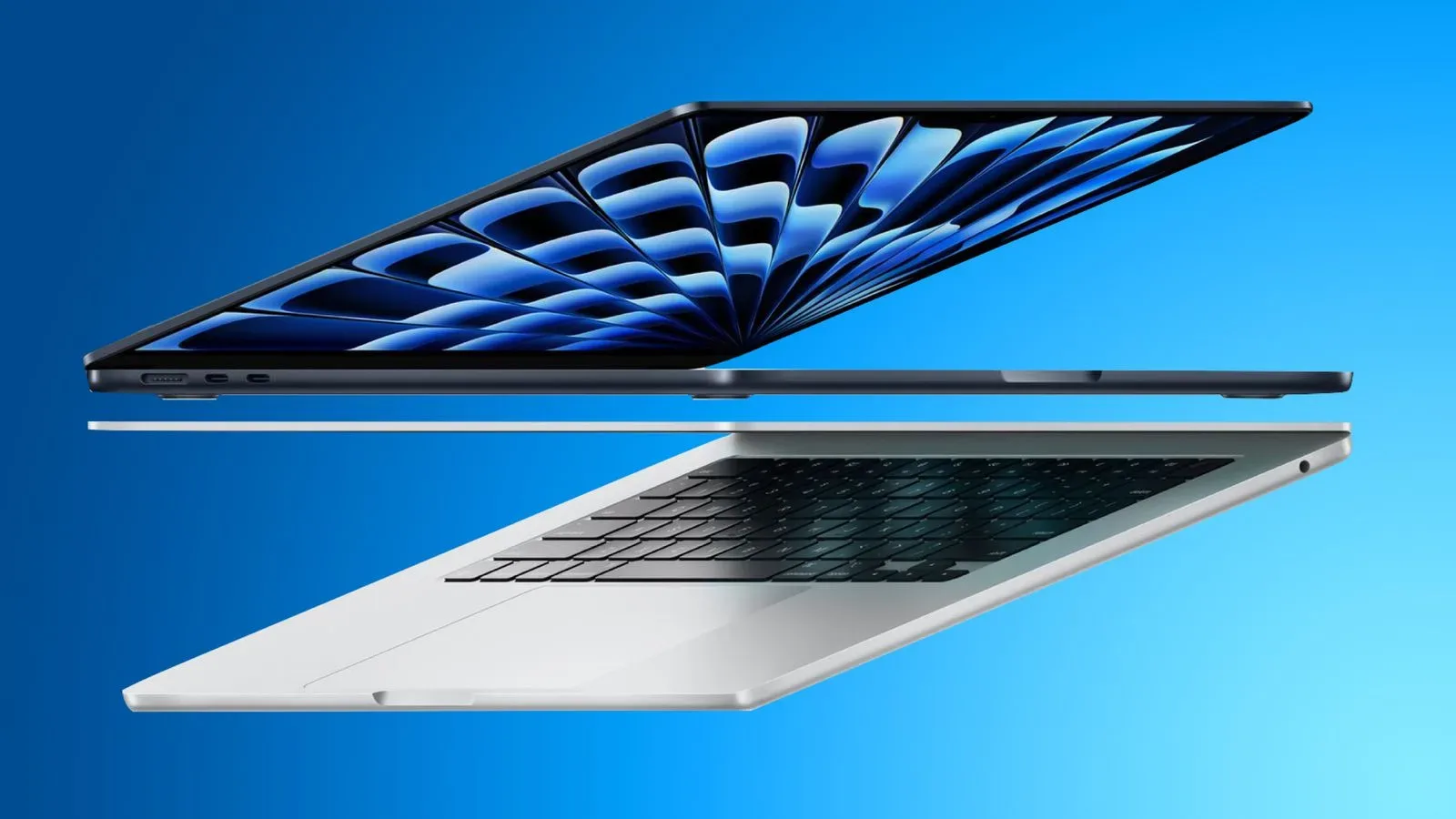
Display development itself may continue even if a specific iMac is deferred. Separate reporting last month indicated Apple was still testing OLED screens for both the iMac and MacBook Air, without stating when either would change technologies. Testing is compatible with several outcomes: Apple could retain the research for a later generation, use it to compare suppliers, or decide that the cost and demand case is not ready.
There is also broader interest in manufacturing routes that could improve OLED efficiency and brightness for future Macs. LG’s reported FLiPP OLED work for possible future MacBook Air and iMac displays illustrates why a delayed first OLED iMac would not necessarily end the longer-term pursuit of the technology. A commercial product needs both a viable panel and a viable cost structure.
Leadership and the decision still to come
The review has also been linked to Apple’s leadership change. John Ternus became CEO in September, and Apple is reportedly reassessing whether costly OLED panels deliver sufficient benefit relative to their expense. That framing does not imply that OLED is being rejected across Apple’s product range. Instead, it describes a product-by-product test: which devices can support the added component cost, and where will customers see enough value to pay for it?
For now, the most accurate reading is one of uncertainty. An OLED iMac has reportedly been researched with specific technical targets and supplier involvement, but the project may be delayed, placed on hold or ultimately dropped. In parallel, LCD suppliers are reportedly being asked to prepare for an iMac around 2029.
Anyone waiting specifically for an OLED iMac should therefore treat earlier dates as provisional rather than expect an imminent transition. The reported decision appears to depend on panel pricing, broader component costs and whether premium OLED devices can attract enough demand to justify their higher bill of materials. Until Apple states otherwise, the conventional LCD iMac path remains the more concrete one in the reporting.