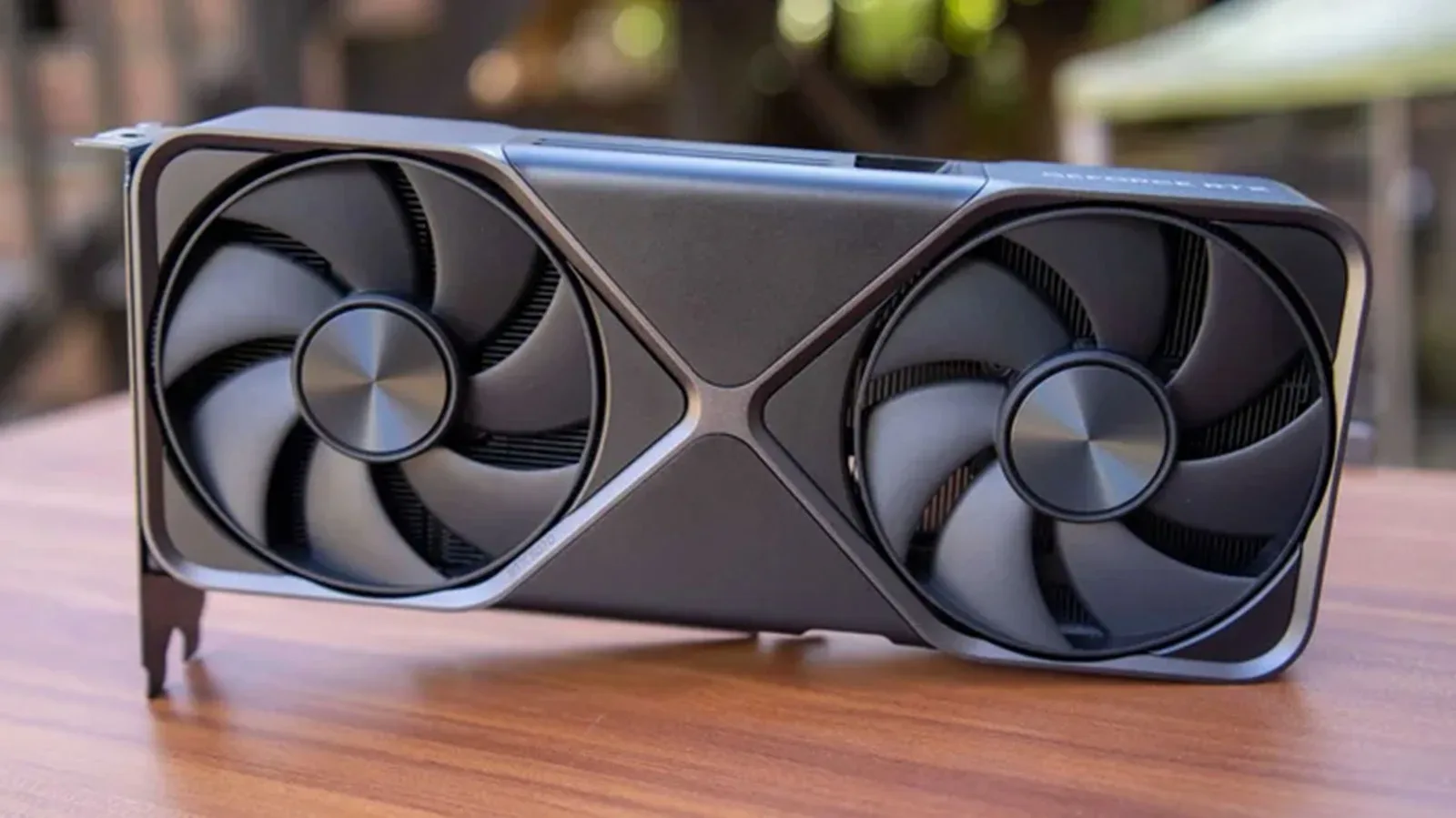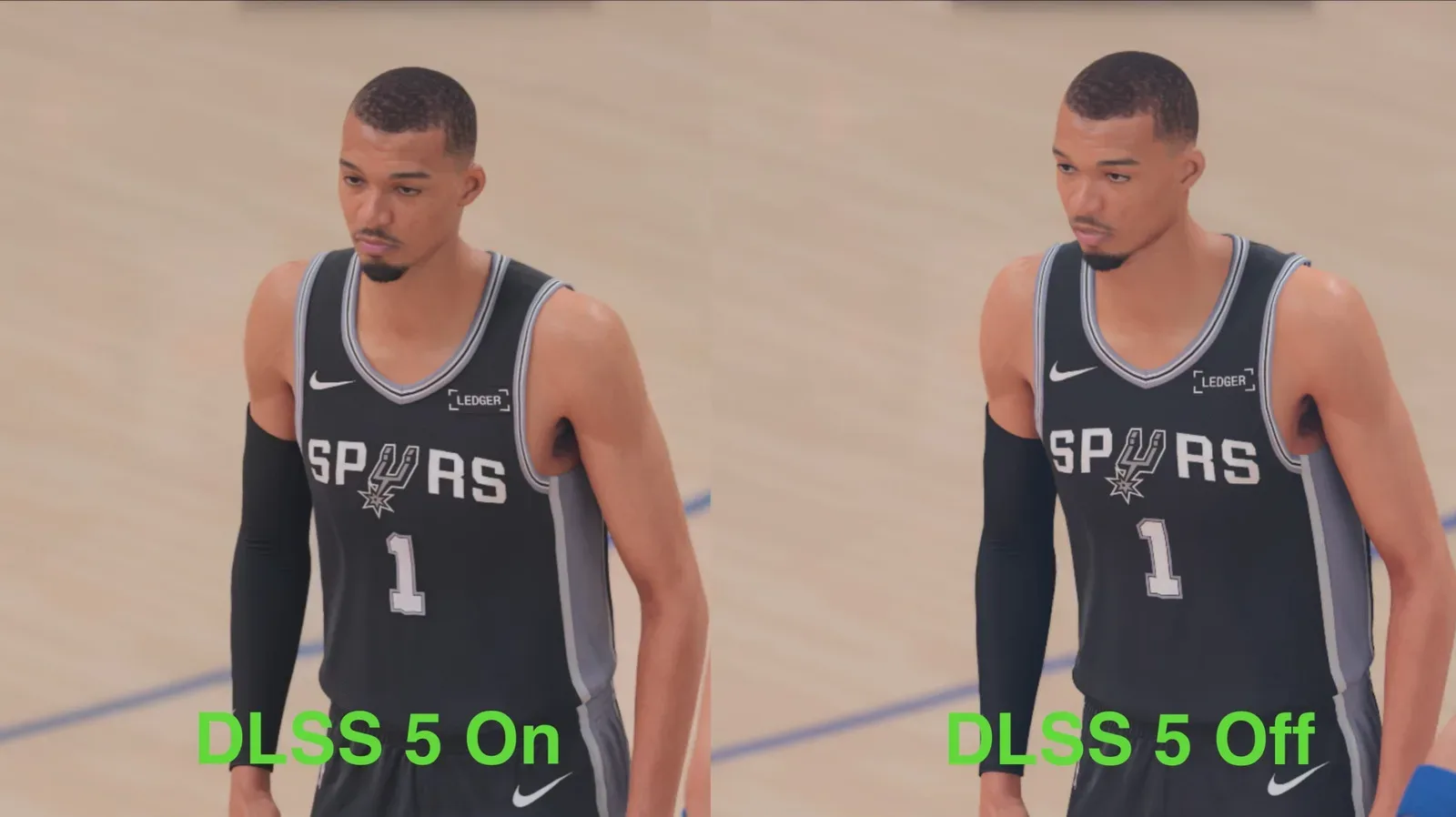
Nvidia is preparing to bring DLSS 5 to Hogwarts Legacy in November, alongside Where Winds Meet, with a revised neural-rendering model that the company says is substantially faster than the one introduced in NBA 2K27 last month. NBA 2K27 is also due an update for the newer model.
The headline claim is ambitious: Nvidia says the new DLSS 5 model runs twice as fast as the September version, and ten times faster than the technology did when it was first shown at GTC 2026 in March. Those are company performance claims rather than independently verified results, so the practical question for PC players remains straightforward: what happens to frame rate, image quality and responsiveness once the feature is available in a demanding real game?
That question matters especially because DLSS 5 has had a bumpy-looking public start. Earlier testing of the September implementation reportedly produced a severe frame-rate hit at 4K even on an RTX 5090. At its March reveal, the technology required two RTX 5090 GPUs to produce a playable result in a limited demonstration. A faster model would therefore be more than a routine iteration. It could be the difference between a visually interesting experiment and a setting players are actually comfortable enabling.
What DLSS 5 is trying to do
DLSS is Nvidia’s suite of rendering technologies, but DLSS 5 is described here as neural rendering: AI-assisted image generation that redraws elements of the game image while using game-provided geometry and colour information as anchors. Geometry data concerns the shapes and spatial structure of objects in a scene; colour data gives the system a foundation for the scene’s intended appearance. The result is not simply an unchanged frame being displayed with a toggle attached. AI contributes to reconstructing the final image.
That distinction helps explain why reactions are split. Supporters may see neural rendering as another graphics tool, one capable of improving aspects of a scene without demanding that developers revise their art assets. Skeptics may be uncomfortable with an AI model contributing to what appears on screen at all, particularly if it creates visible alterations that were not directly authored in the traditional sense.
It also explains why implementation choices matter as much as the name on the menu option. Developers appear to have multiple controls for how strongly DLSS 5 affects an image. Used conservatively, it can aim to preserve a game’s existing visual identity while making fine adjustments. Used aggressively, it can make the output look artificial or substantially unlike the base presentation. Neural rendering is not a single fixed aesthetic.
For a broader primer on the wider DLSS family, including why higher reported FPS does not automatically mean a better experience, see our guide to DLSS modes and frame generation.
Hogwarts Legacy’s examples lean toward restraint
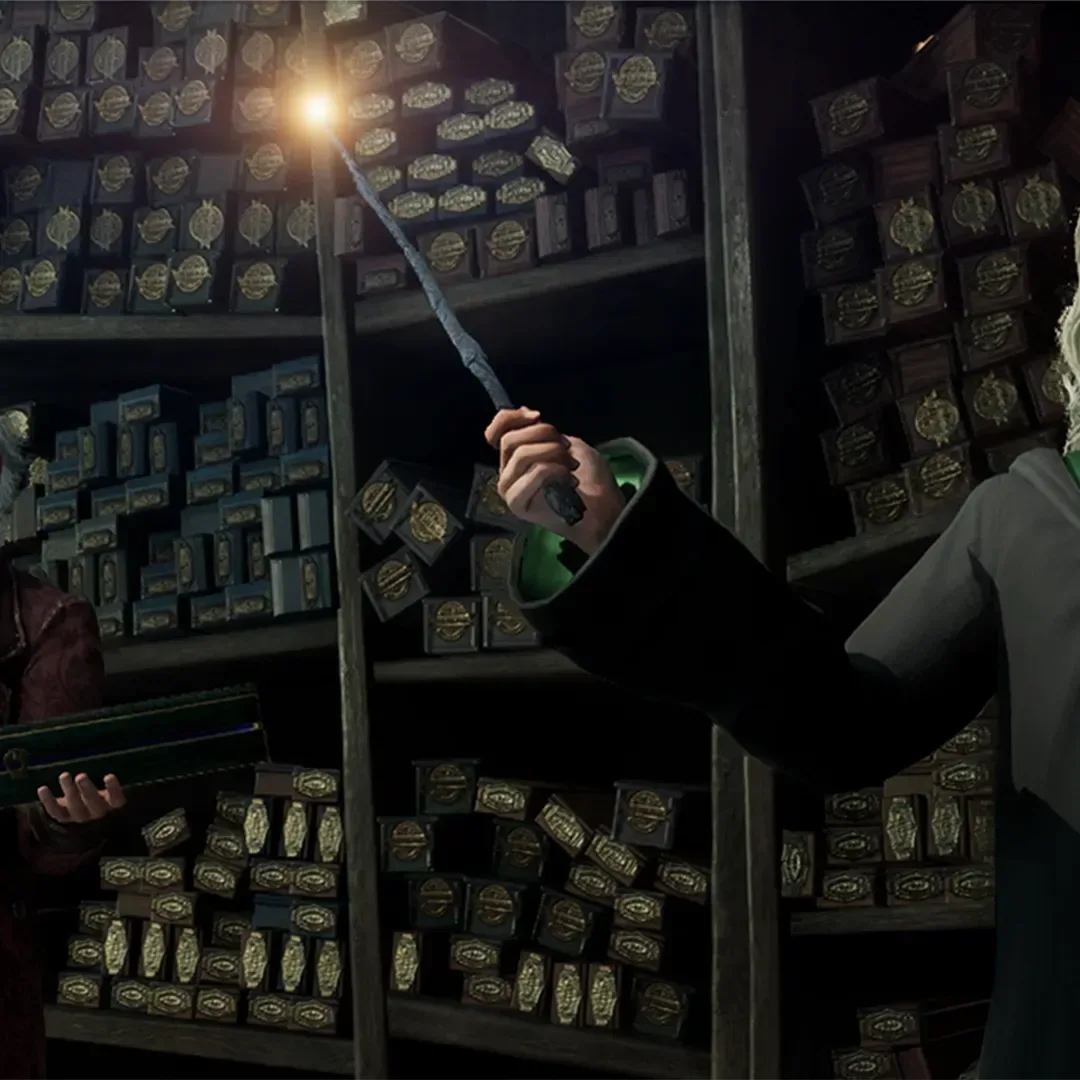
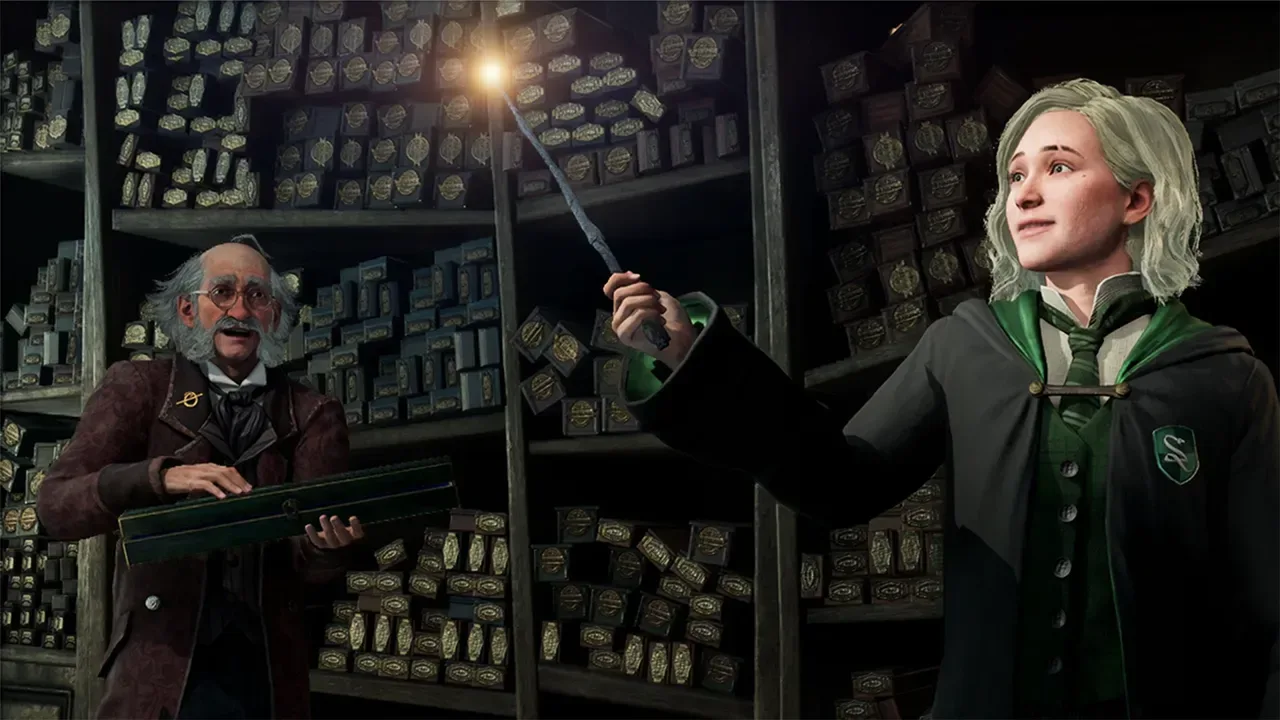
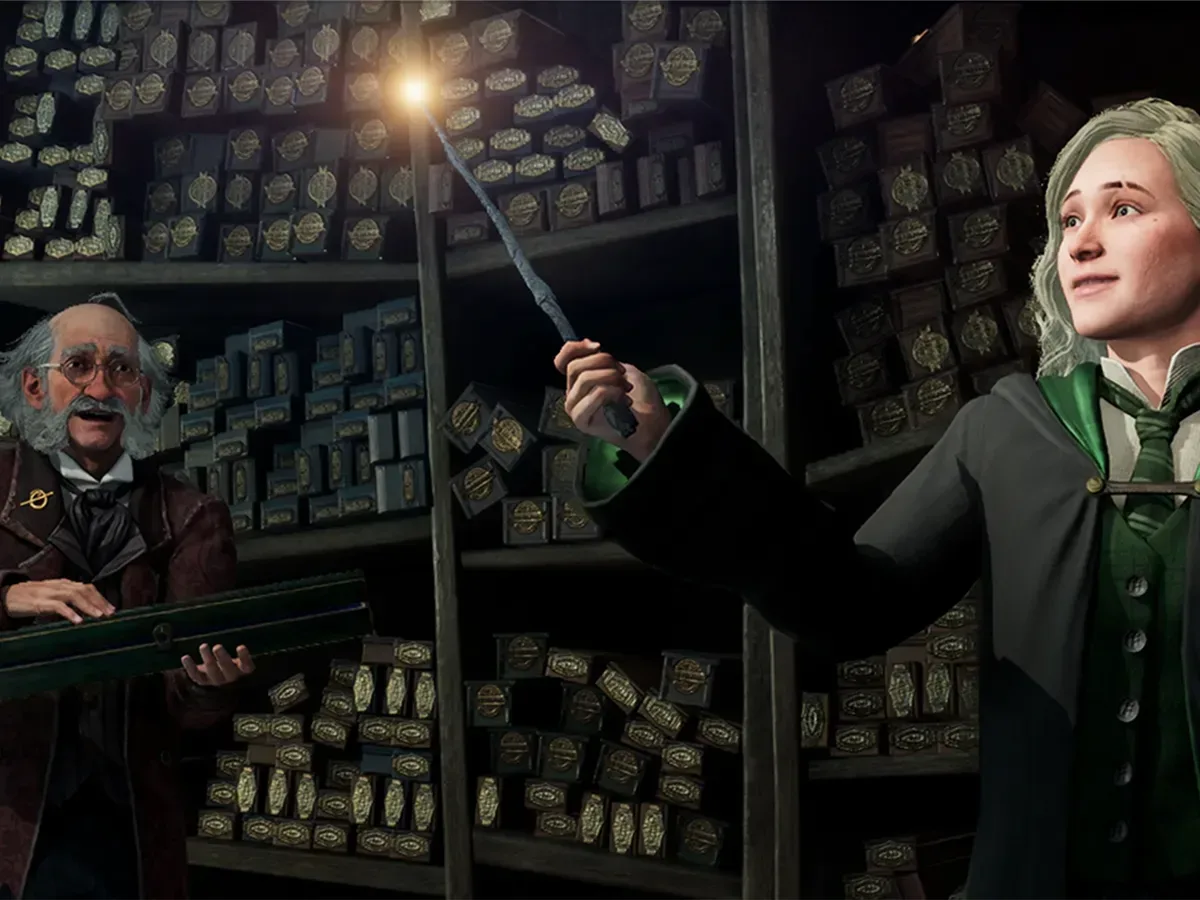
The comparison material shared for Hogwarts Legacy suggests a notably less dramatic approach than some earlier DLSS 5 examples and mods. Rather than visibly remaking faces or transforming the character of a scene, the changes appear focused on lighting balance and subsurface scattering.
Related coverage includes Hogwarts Legacy Adds DLSS 5 as Nvidia Promises a Faster Neural Rendering Model.
Subsurface scattering is a graphics term for the way light enters a material, spreads beneath its surface and exits elsewhere. It is often used to make materials such as skin look less flat, because real light does not always bounce off a surface in one clean, immediate reflection. In a game image, adjustments to this effect can alter the softness or believability of lighting without necessarily creating an obvious before-and-after moment.
That subtlety is central to the early debate. One social-media comparison, shown by rapidly switching between the two images, argued that the visual change was small and questioned whether anyone would accept a major performance cost for it. Other responses took precisely the opposite view: if AI rendering is used at all, restrained improvements that do not plaster an obvious synthetic look over the game may be the preferable path.
Both responses identify a real trade-off. A tiny improvement can be a success if the performance cost is tiny, the image remains stable in motion and the game’s original art direction remains intact. The same tiny improvement becomes hard to justify if it meaningfully lowers native frame rate or complicates an otherwise smooth experience. Nvidia’s claimed speed gains are important because the screenshots alone cannot answer that second part.
Why performance is the entire story now
“Twice as fast” sounds simple, but it does not by itself tell players what settings will be viable. It does not state the final frame rate in Hogwarts Legacy, the resolution being used, the surrounding graphics configuration, or how the result compares with the game running without DLSS 5. It also does not establish whether the improvement is consistent across every supported game. Those are the details that need real-world evaluation after the November implementations arrive.
The earlier 4K report on an RTX 5090 is a useful warning against reading a multiplier as a guarantee. If a rendering process begins very expensive, a large relative improvement can still leave a meaningful workload. Conversely, Nvidia’s tenfold comparison with the March reveal indicates rapid progress from an early, unusually limited demonstration. Both can be true at once: the model may be dramatically better than its first version and still need to show that its visual benefit warrants its cost in consumer games.
Players also should not assume that a screenshot comparison fully represents gameplay. A still image makes it possible to inspect lighting, facial rendering and fine material detail, but games are viewed in motion. Movement, camera turns and shifting effects are where image reconstruction has to maintain consistency. The supplied material does not offer enough evidence to judge those factors, so claims about the experience should remain provisional until the feature can be assessed in the shipped game update.
Developer restraint could determine DLSS 5’s reception
The inclusion of both NBA 2K27 and Hogwarts Legacy offers a preliminary sign that developers may not treat DLSS 5 as a license to overhaul their games’ looks. In both cases, the stated direction is to keep the established aesthetic rather than chase conspicuous AI stylization. For a mature game such as Hogwarts Legacy, that is likely the sensible priority. Players who already know its environments and characters are especially likely to notice if a rendering feature changes their appearance too aggressively.
There is also a practical lesson for anyone considering the option once it lands: do not judge it only by whether it is new. Compare the image with the setting on and off in scenes you know, then pay attention to performance during normal play. If the difference is hard to see and the cost is tangible, leaving it disabled is a rational outcome. If the presentation looks cleaner or more natural while performance remains acceptable, the subtle approach becomes the feature’s strongest argument.
DLSS 5 will inevitably face a higher bar than an ordinary graphics toggle because it relies on AI to redraw portions of the image. The technology’s advocates need to show that it can enhance rather than replace a developer’s visual work, while its critics will reasonably scrutinize cases where it produces an overly processed result. Nvidia’s new model and the careful-looking Hogwarts Legacy examples suggest the company understands that the first public impression cannot just be “more AI.” It has to be an improvement players can recognize without feeling that the game has become something else.
For now, the November rollout is a meaningful next test rather than a settled verdict. Nvidia has set clear expectations with its speed claims. Hogwarts Legacy may show whether those claims translate into a credible use case for neural rendering: small, respectful visual refinements that do not demand an unreasonable frame-rate sacrifice.