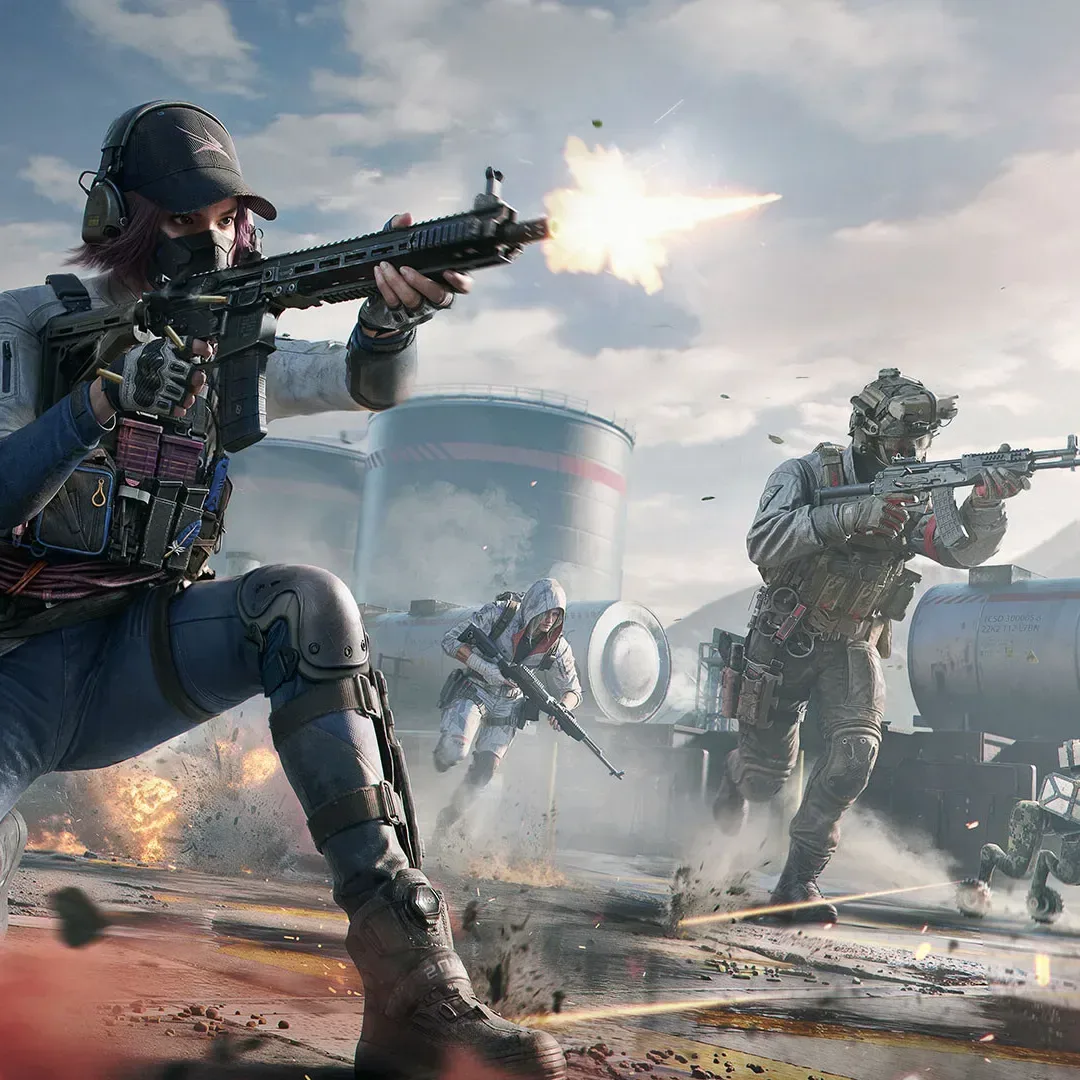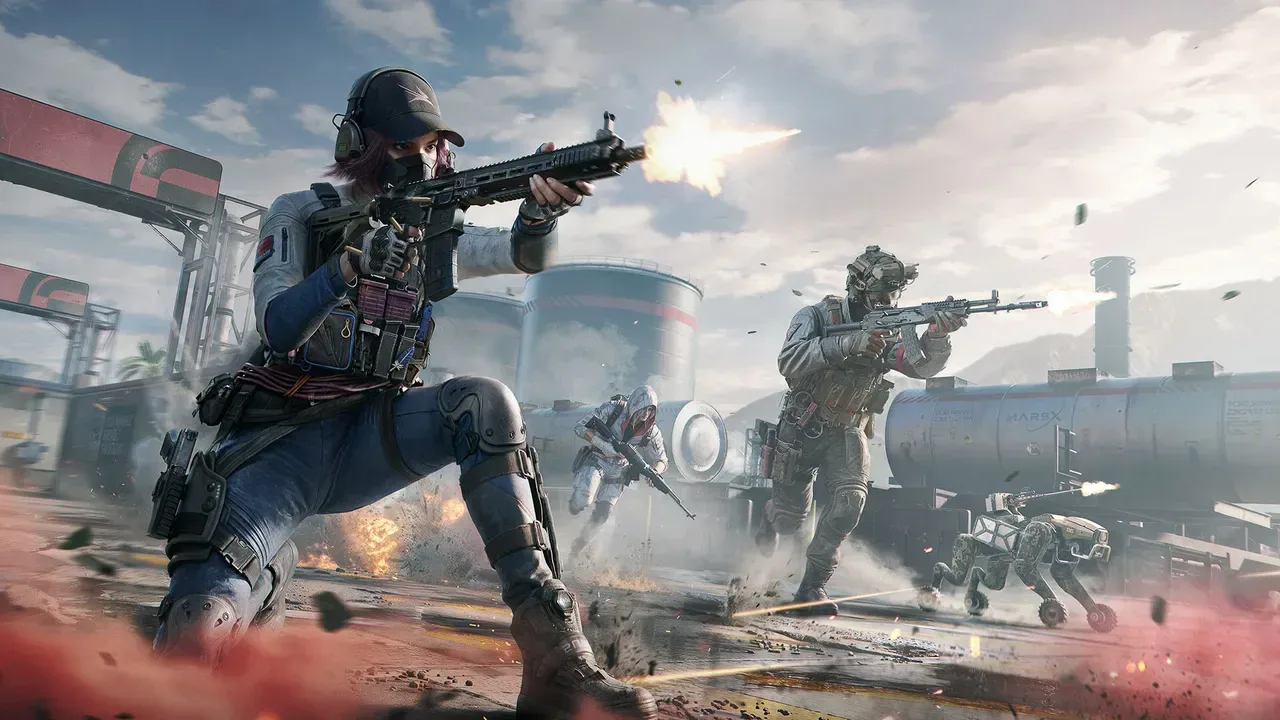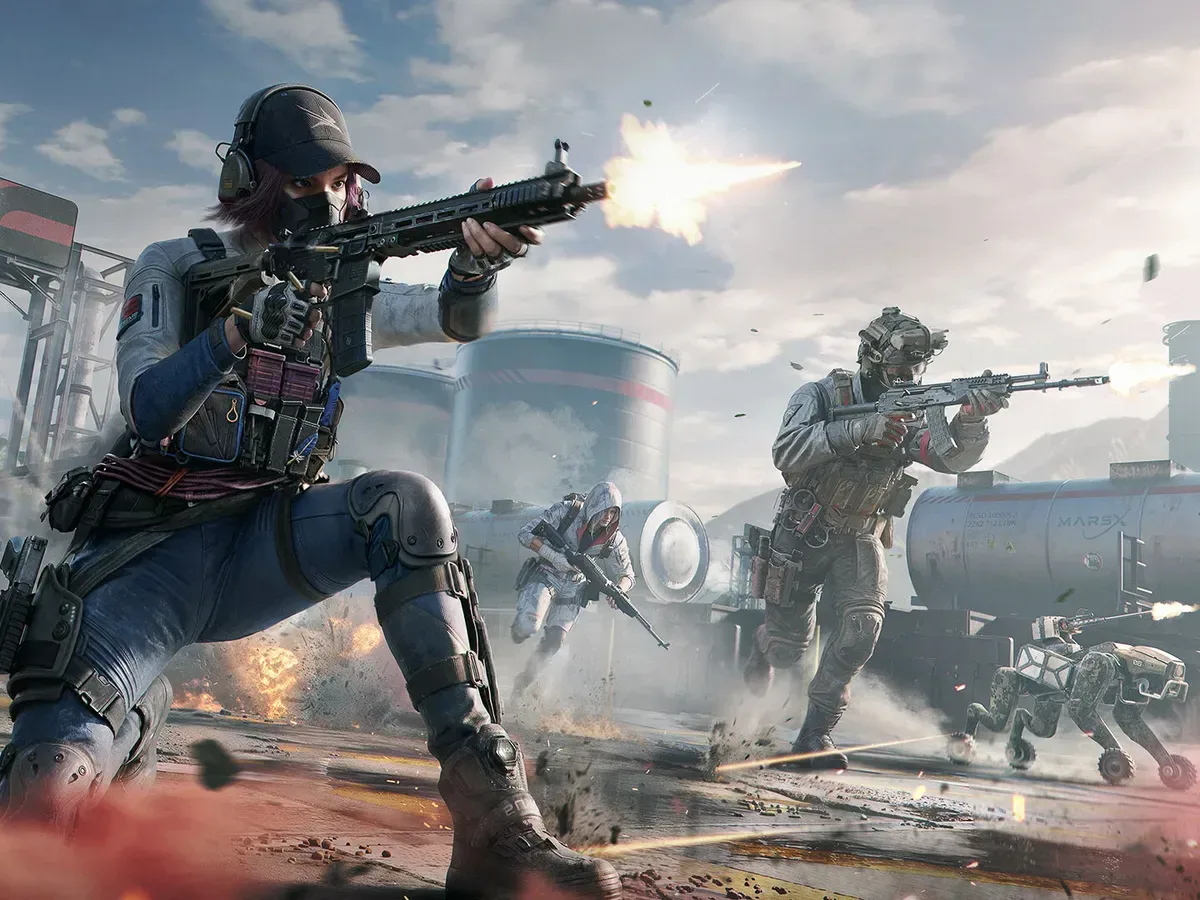
NetEase Games’ newly revealed ECC: Redline has arrived with an awkwardly specific problem: a sizable part of the FPS audience thought it was Call of Duty: Warzone at a glance.
The game is being described by NetEase as a self-developed “extreme-sports tactical shooter,” with planned PC distribution through Steam and a mobile version. It also has no announced release date. Yet the conversation around its debut has focused less on that pitch and more on the visual and mechanical resemblance viewers believe they see between ECC: Redline and Activision’s enormous battle royale.
Online reactions have ranged from blunt accusations that the new game is a near-copy to a more pragmatic response: if it can recreate the feeling players miss from earlier Warzone while delivering reliable performance and good support, perhaps that is exactly why it could find an audience.
That divide matters. It is not simply an argument about whether two shooters share a genre. Players are pointing to the complete presentation—weapon handling, movement, interface design, audio cues, camera effects, and emblems—as the reason the comparison has become so immediate.
Why players are making the Warzone comparison
A user interface, or UI, is the on-screen layer that communicates information and lets players navigate a game: icons, menus, status indicators, inventory elements, score displays, and more. It is also one of the first things veteran players recognize. In reactions to ECC: Redline’s reveal, the UI has become a major flashpoint alongside the shooting itself.
Viewers have also highlighted the perceived look of the weapons, their recoil and animation, the overall movement, familiar-feeling sound design, and the blur applied to the first-person view when a character drops from a height. None of those elements alone necessarily defines a game, particularly within a crowded military-shooter space. Taken together, though, critics argue that the reveal evokes Warzone unusually closely.
One widely shared shorthand from the response frames ECC: Redline as a mixture of Warzone, Delta Force, and Blood Strike. Others were less charitable, calling it a one-to-one imitation and specifically questioning similarities in the UI and emblems. The consistency of the reaction is notable: even viewers willing to entertain the game’s distinct character abilities and gadgets have struggled to separate its identity from the Call of Duty comparison.
Those abilities and gadgets are important context. They suggest that ECC: Redline is not being presented as an exact mechanical duplicate of a conventional military battle royale. But the reveal has not persuaded all players that these additions outweigh the similarities they see in its broader look and feel.
Related coverage includes ECC: Redline Draws Warzone Comparisons as NetEase's New FPS Divides Players.
Imitation claims are not a legal finding
“Rip-off” is a forceful piece of fan language, but it is not a legal conclusion. Players can identify influences, visual parallels, and design choices they consider too close without establishing that a game infringes another company’s rights. ECC: Redline has drawn criticism and comparison; no legal outcome concerning this game is established here.
That distinction is worth keeping clear because NetEase has encountered related conversations before, with important differences between each case. Marvel Rivals, which launched in 2024 and became highly popular, drew comparisons to Blizzard Entertainment’s Overwatch because both are comic-book-styled hero shooters built around characters with distinct powers. Those comparisons were a debate over genre, execution, and influence.
Hyper Front was a more serious example of the stakes that can arise when similarities become the subject of formal action. Riot Games filed a lawsuit after the 5v5 tactical shooter drew comparisons to Valorant. That history gives the reaction to ECC: Redline extra heat, but it does not mean one situation automatically determines another. Each game, claim, and legal question turns on its own details.
The surprising upside: players want pressure on Call of Duty
For some Call of Duty fans, the similarities are not the end of the discussion. They are the beginning of a hypothetical: what if a rival can deliver the version of the Warzone experience they feel has slipped away?
Warzone arrived in 2019 alongside the Call of Duty: Modern Warfare reboot. Its popularity has shifted over the years, as happens with major live-service shooters, but a recurring part of the community’s conversation has been nostalgia for its launch period and original map, Verdansk. Verdansk has returned in an effort to reconnect with that era, yet that move has not fully satisfied players who remain attached to their memory of the game’s early identity.
This is why the reaction to ECC: Redline is more complicated than simple outrage. A polished competitor that looks close enough to remind people of early Warzone can also appeal to players who believe the established game needs sharper competition. One reaction framed the potential challenge in operational terms: strong servers, satisfying movement, and a developer willing to respond to its community could force Call of Duty to improve.
That is a bigger demand than a reveal trailer can answer. Server performance refers to how consistently the online infrastructure maintains matches and communicates player actions. In a fast shooter, bad server performance can appear as delayed hits, players snapping between positions, dropped connections, or disagreement between what a player sees and what the game registers. It can ruin a mechanically promising game very quickly.
Movement is equally broad. It covers how quickly and responsively a character accelerates, turns, traverses terrain, lands from drops, and transitions between actions. Fans often talk about movement as though it were a single feature, but it is really a connected set of animations, inputs, timing windows, and camera feedback. Since those details shape every second of a first-person shooter, it makes sense that they are central to the ECC: Redline debate.
In other words, viewers are not only saying that ECC: Redline resembles Warzone. Some are saying that resemblance could be commercially meaningful if NetEase pairs it with dependable execution after release. The free-to-play model lowers the barrier for curious players, but it also means the game will ultimately need to retain them through updates, community confidence, and a stable long-term experience.
What ECC: Redline still has to prove
At present, ECC: Redline is a revealed game rather than a released one. There is no launch date, and its actual quality cannot be established from online reaction to promotional material. Claims that it looks better than Warzone, resembles original Warzone, or could challenge Call of Duty are opinions and expectations—not proof of how it will play in the hands of a wide audience.
Its proposed PC-and-mobile footprint is also significant. Building for both environments can potentially give a free-to-play shooter a wider audience, but it also raises practical questions that have not been answered by the available details. How the experience will compare across platforms, what its long-term update cadence will be, and how its distinctive abilities will interact with the tactical-shooter pitch all remain unknown.
The immediate challenge may be identity. A familiar gameplay language can attract players quickly, especially those looking for a particular kind of modern military-shooter rhythm. But familiarity can cut two ways. If the public continues to view ECC: Redline primarily through Warzone, it may struggle to make its own abilities, gadgets, and “extreme-sports tactical shooter” framing feel like more than a variation on an established formula.
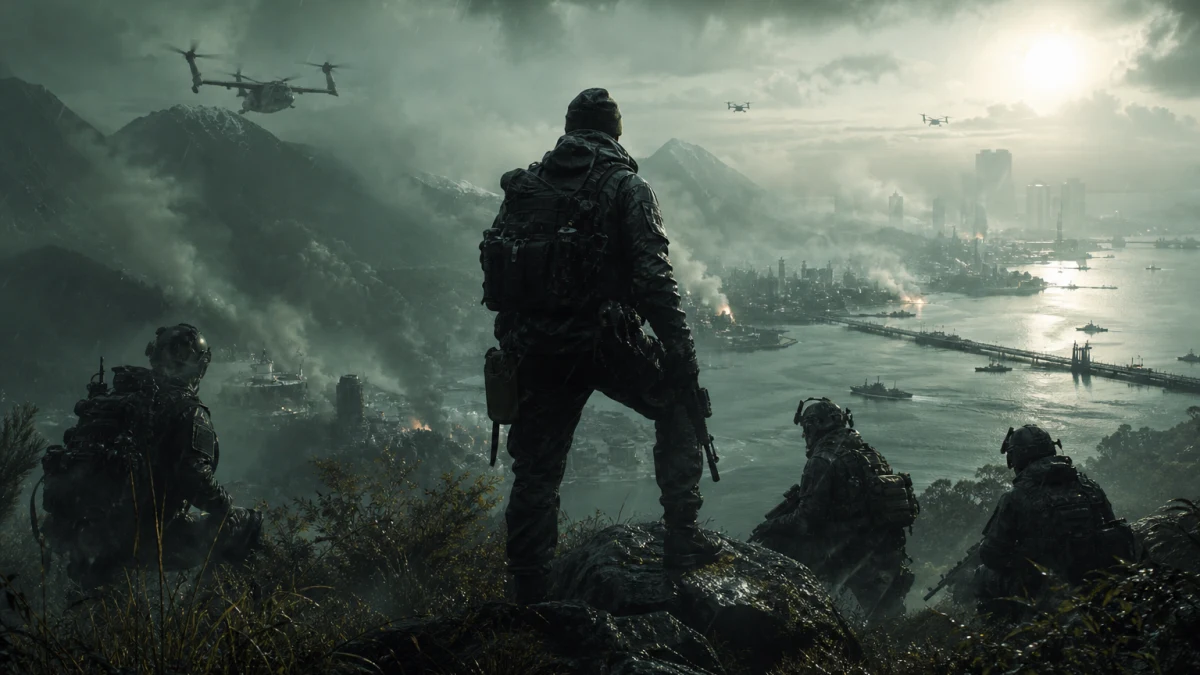
For Call of Duty, meanwhile, the timing adds another layer. Warzone is set to receive a slate of updates when Call of Duty: Modern Warfare 4 launches later this month. Readers looking for the campaign-side setup can consult this Modern Warfare 4 campaign primer.
The core question surrounding ECC: Redline is therefore not settled by whether an individual viewer sees Warzone in a menu, a weapon animation, or a camera effect. The more consequential test will come later: can NetEase turn the initial familiarity into a credible, well-supported shooter with an identity players recognize as its own? Until there is a release date and a playable public product, the argument remains a revealing glimpse of what a frustrated section of the FPS audience says it wants.