Denuvo has filed suit in the U.S. Northern District Court of California against an unidentified person operating as “voices38,” alleging that the user bypassed the company’s Anti-Tamper technology in 26 PC games and distributed cracked versions. The case puts a highly visible legal spotlight on the collision between game DRM, reverse engineering, piracy, and the federal law that regulates bypassing access controls.
The defendant’s public response has been notably brief: “All is fine. Everything will continue as normal.” That message received roughly 7,000 upvotes on Reddit, a reminder that Denuvo’s software remains deeply unpopular in parts of the PC audience even as publishers use it to protect launches against unauthorized copying.
At this stage, these are allegations in a civil complaint, not findings by a court. Denuvo is seeking an injunction that would bar voices38 from circumventing or tampering with games protected by its technology. The company has not publicly identified the person behind the handle, and the lawsuit is positioned to seek that information through subpoenas to services including Valve and Reddit.
What Denuvo says the case is about
Denuvo is an Austria-based provider of anti-piracy and anti-tampering software. In broad terms, DRM, or digital rights management, is technology used to control access to digital content. An anti-tamper system is more specifically designed to make it harder to alter software or remove the controls attached to it.
The complaint alleges that voices38 reverse engineered games using Denuvo’s Anti-Tamper product, removed or bypassed DRM restrictions, and enabled pirated copies to run. In gaming parlance, a crack is typically a modification or accompanying workaround intended to defeat a title’s copy-protection or authentication checks. The term describes a technical process, but the legal dispute is over what that process allegedly did to protected access measures.
Denuvo’s central theory is based on the anti-circumvention provisions of the Digital Millennium Copyright Act, usually shortened to the DMCA. Anti-circumvention is distinct from a conventional claim that someone copied or redistributed a copyrighted work without permission. It concerns defeating a technological measure that controls access to a copyrighted work.
That distinction matters here. Denuvo does not own the copyrights to the games named in its complaint, so it is not suing as the copyright owner of those titles. Its position is instead that bypassing its protection system harms its anti-piracy business and violates the DMCA’s restrictions on circumventing such technological controls. None of the game-rights holders named through the alleged cracking activity are parties to this suit.
The games named in the complaint
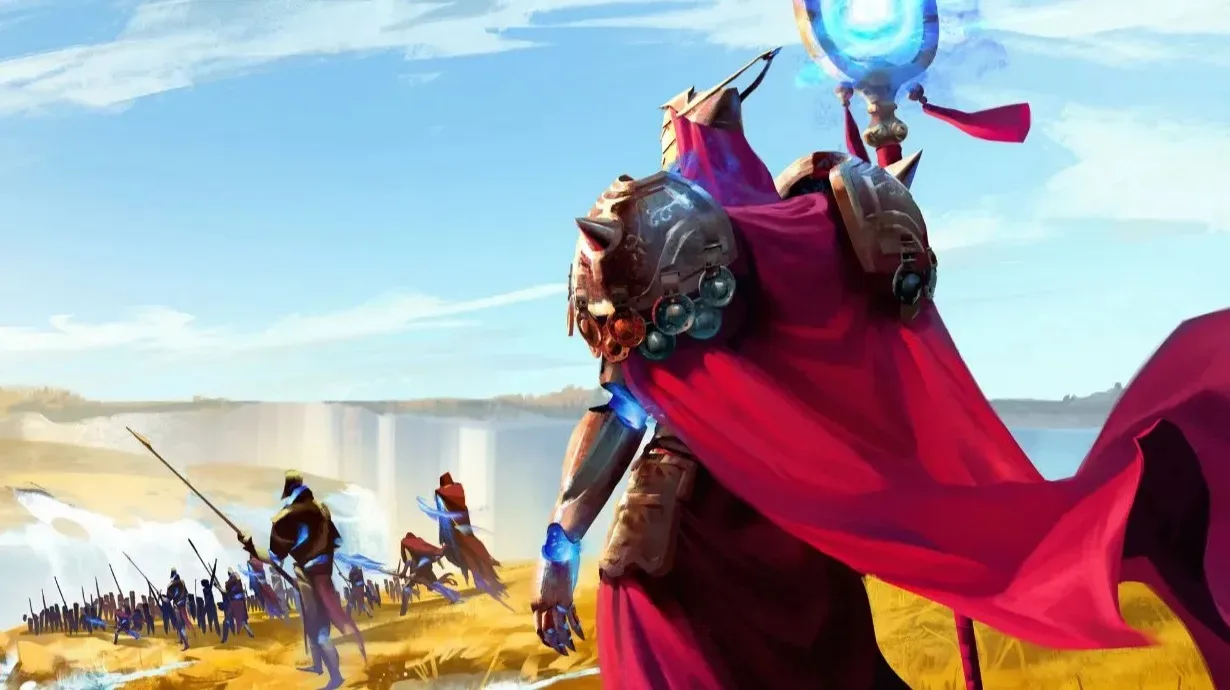
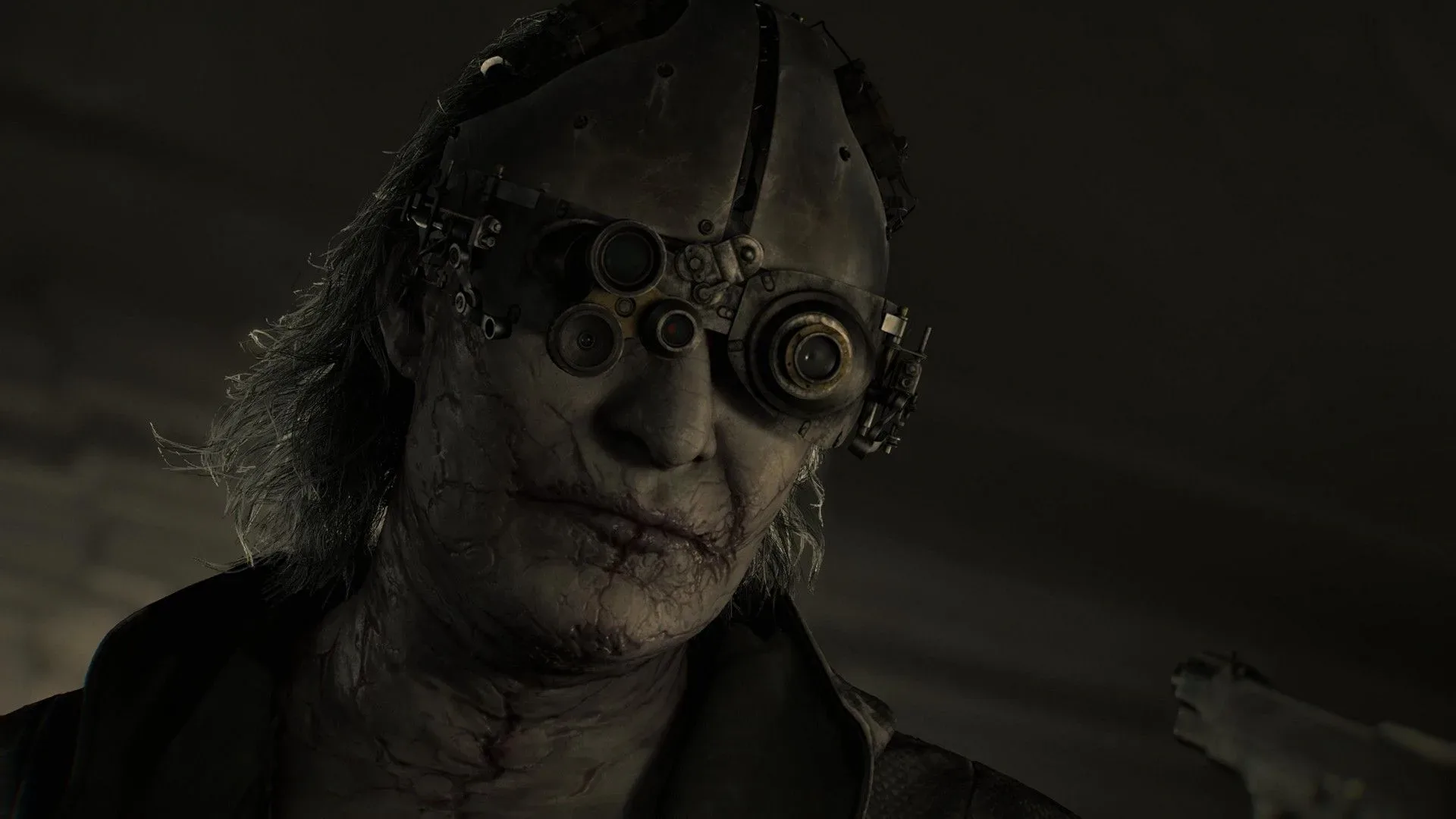
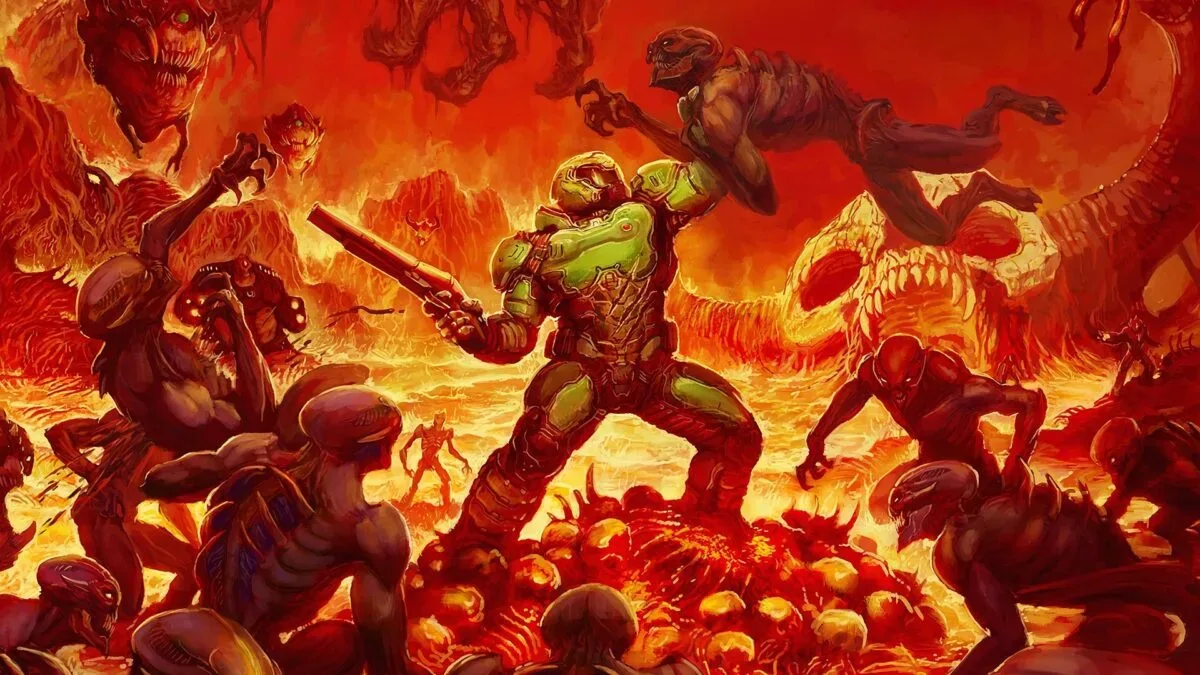
Denuvo alleges that voices38 cracked a wide range of games, from older sports and racing releases to major action games and titles whose names signal a much more recent PC release cycle. The full list included in the filing is:
- Need for Speed Heat
- EA Sports FIFA 20
- Star Wars: Squadrons
- Need for Speed: Hot Pursuit Remastered
- EA Sports FIFA 21
- Hi-Fi Rush
- F1 2021
- Dead Space (Remake)
- Doom: The Dark Ages
- Mafia: Old Country
- LEGO Batman: Legacy of the Dark Knight
- Hogwarts Legacy
- Total War: Three Kingdoms
- Starlink: Battle for Atlas
- Shining Resonance Refrain
- PES 2020
- Shin Megami Tensei III Nocturne HD
- Scott Pilgrim vs. The World
- Anno 1800
- Sonic Frontiers
- Assassin’s Creed Mirage
- Pragmata
- Resident Evil Requiem
- Black Myth Wukong
- Stellar Blade
- 007 First Light
The variety is significant to Denuvo’s argument. Rather than tying the dispute to a single publisher, series, or release, the complaint portrays an alleged repeated practice involving titles associated with many separate copyright owners. For Denuvo, that breadth supports its claim that its own product and commercial role have been directly affected.
Why the unknown identity is central
The named defendant is an online handle, not a verified legal identity. That makes identifying the alleged cracker an immediate practical question in the case. Denuvo reportedly associates voices38 with several online identities, including seven Steam profiles it believes are connected to the same person. But an asserted connection is not the same thing as a court-established identity.
The expected next step is the use of subpoenas directed at platforms or service providers that may hold account or connection records. Valve, Reddit, and other services could be asked for information that might help identify the person Denuvo believes is responsible. Whether any requested material is produced, what it reveals, and whether it reliably connects an individual to the alleged conduct are questions for the legal process ahead.
An injunction is a court order directing a person to do, or more commonly to stop doing, specified things. Denuvo’s requested injunction would seek to prevent future circumvention or tampering involving its tech. That prospective focus is important: the complaint is not solely about addressing past alleged activity, but about preventing continuation.
Why the DMCA framing changes the dispute
Online arguments about game piracy often collapse several separate issues into one: downloading games, sharing files, modifying executables, preserving older software, criticizing DRM, and buying games legitimately but encountering access problems. This lawsuit has a narrower legal center. Denuvo is alleging circumvention of its technological measures under the DMCA.
That does not resolve the larger debate over whether particular DRM systems are good for players, effective for publishers, or appropriate in every product. It does mean the court’s eventual focus may be much more technical and statutory than the community’s broader arguments. The questions are likely to include whether the alleged measures qualify for protection, whether they were circumvented in the manner claimed, who performed the alleged acts, and what remedy is warranted.
For players, the case is also a reminder that “DRM” is an umbrella label rather than a full explanation of how a game works. A game can have storefront licensing, account requirements, online components, updates, and anti-tamper protections that each affect access differently. Denuvo’s Anti-Tamper product is the specific technology at issue in this complaint.
Why Denuvo remains contentious among PC players
Denuvo has a long-running negative reputation in portions of the gaming community. Critics have accused its software of slowing PC games, preventing legitimate owners from accessing games, and creating other frustrating problems. Those complaints help explain the strong reaction to voices38’s message and the lack of enthusiasm many commenters have shown for Denuvo’s legal action.
Still, public frustration with a DRM vendor is not itself an answer to Denuvo’s allegations. Performance and ownership concerns are consumer-facing issues; the complaint concerns alleged bypassing of technical protection. Both sides of the discussion can be relevant to the culture surrounding the case, but they are different questions.
That divide also illustrates why DRM disputes can become unusually heated. Publishers and vendors view anti-tamper measures as a defense against unauthorized access during commercially important periods. Critics often view restrictive protection as an added burden placed on paying customers. The tension is part of a wider PC gaming landscape in which players closely track not only games themselves, but also the business and technical decisions shaping how they are sold and accessed.
What to watch next
The case is reportedly Denuvo’s first U.S. lawsuit targeting an alleged game cracker. Its importance will therefore depend less on the viral response to one Reddit comment than on what happens procedurally: whether the identity requests move forward, whether the alleged links between accounts hold up, how the DMCA claims are argued, and whether a court grants the injunction Denuvo wants.
For now, the core facts are limited but consequential. Denuvo says a pseudonymous user repeatedly defeated its anti-tamper protections across 26 games. The user has publicly indicated no intention to stop. And the legal fight is aimed not at a game’s copyright owner enforcing its own title, but at a DRM provider arguing that the alleged defeat of its technology caused it direct harm.