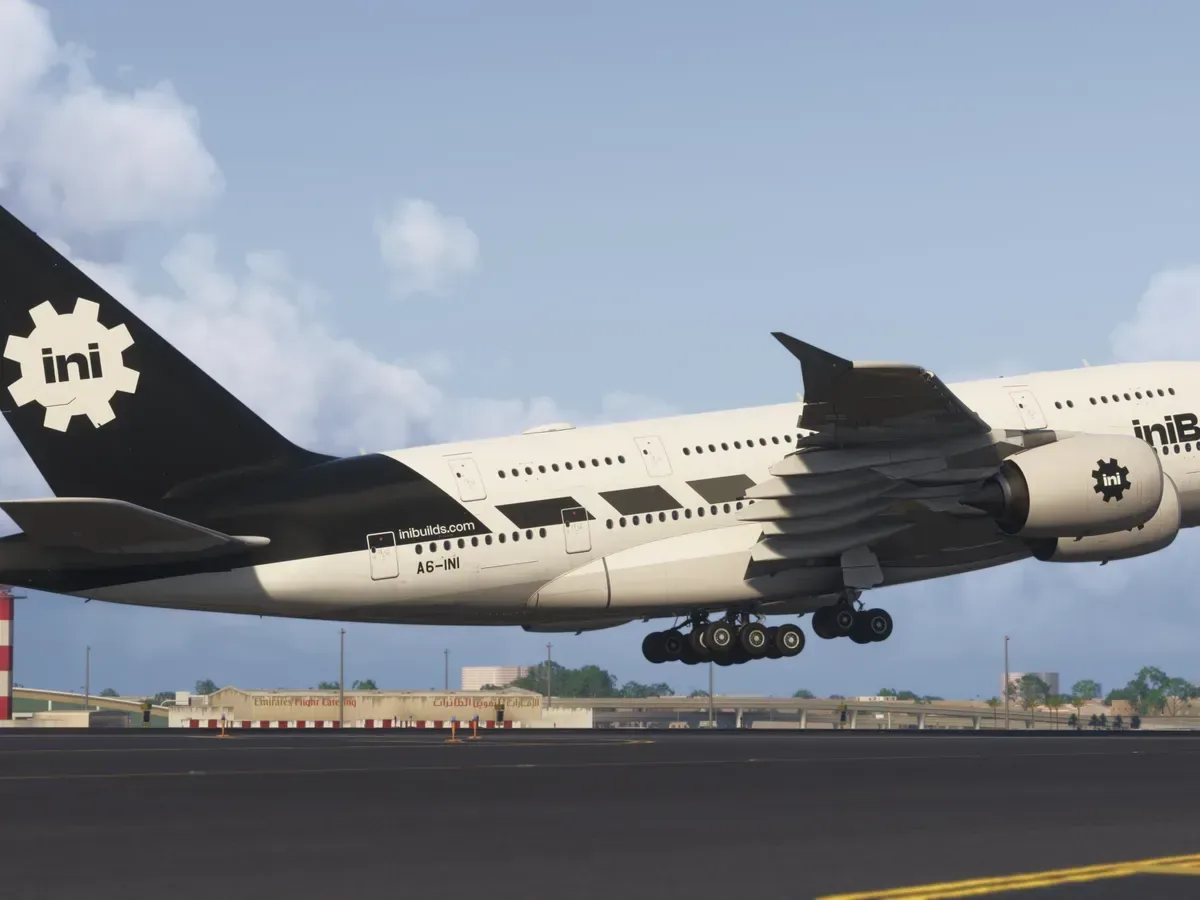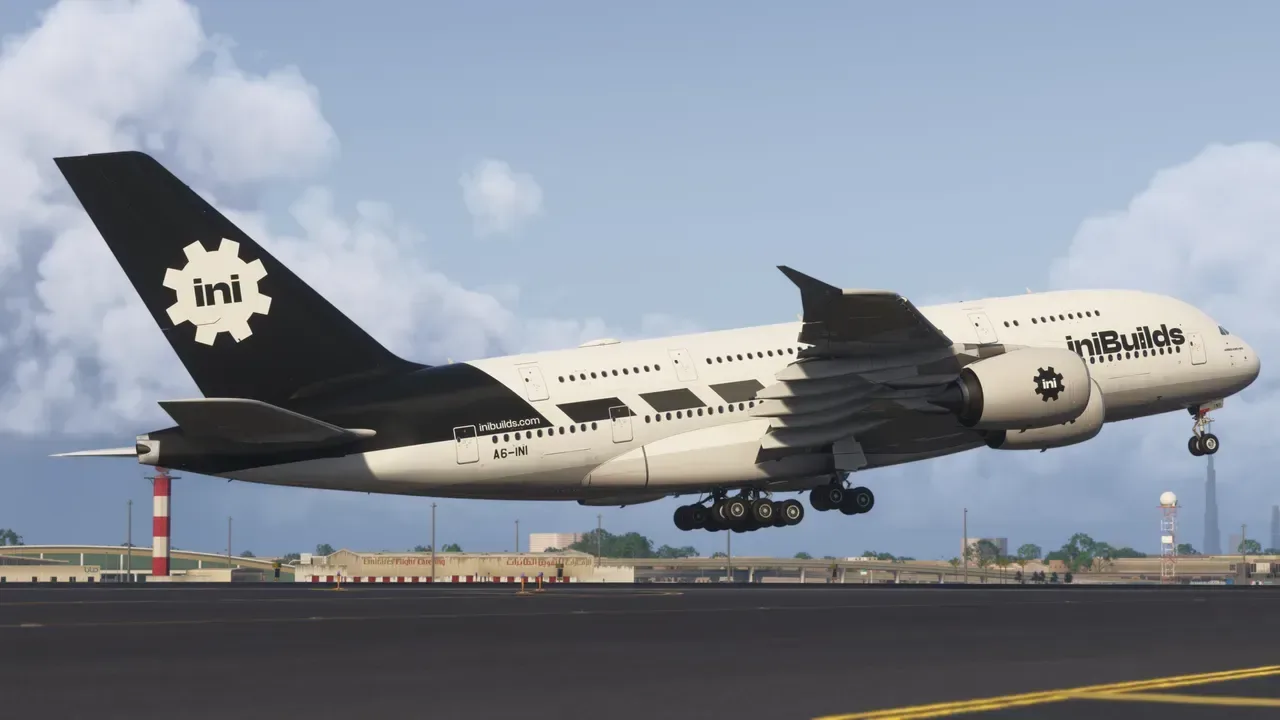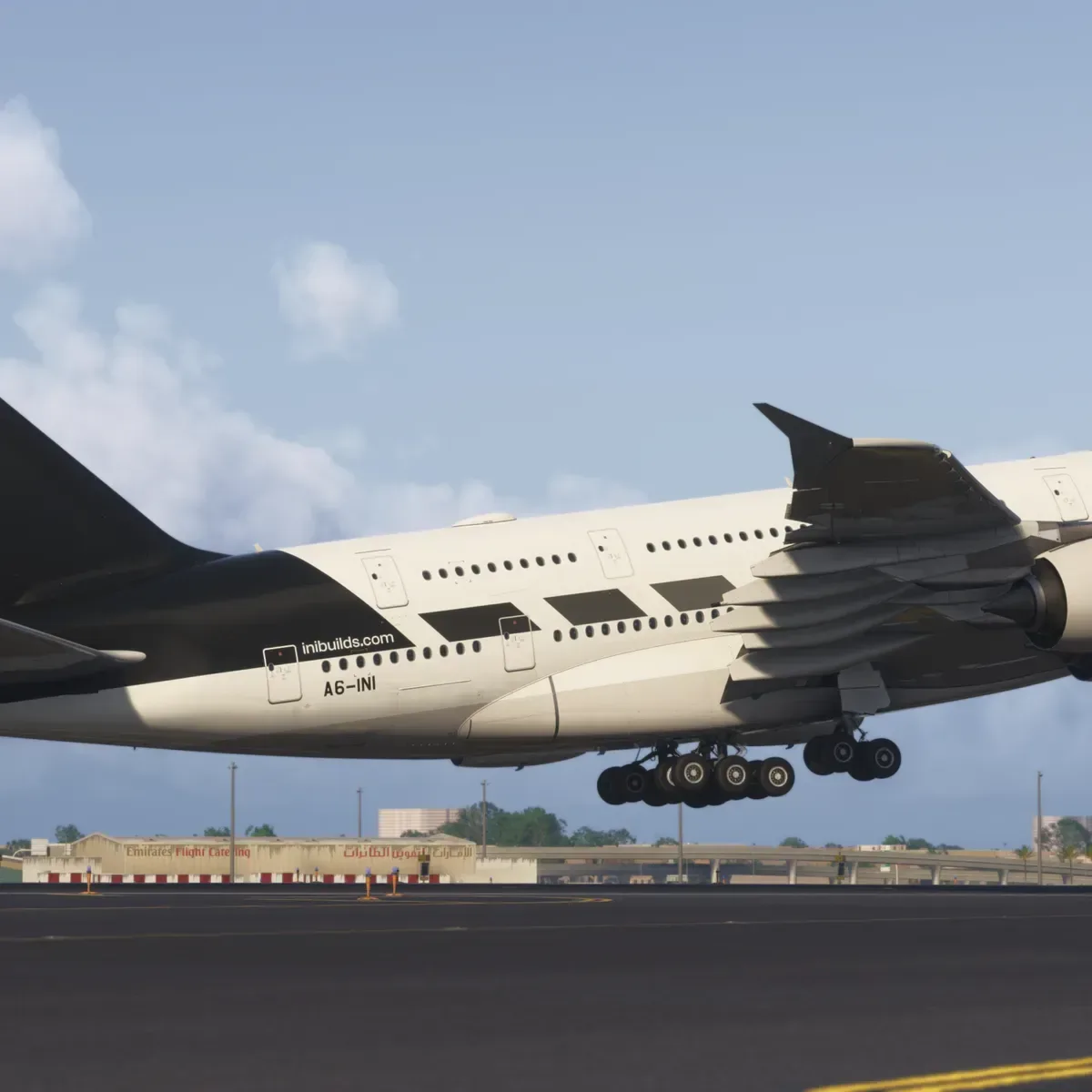
Microsoft Flight Simulator 2024 has added the Airbus A380 to its aircraft lineup, and this is not a casual, impulse-buy addition to the virtual hangar. The superjumbo arrives at a listed price of $74.49 through the in-game Flight Simulator Marketplace, where it is part of the Marketplace-exclusive Exclusive Series. It is also a limited-time proposition: the aircraft is set to be available for only the next three months.
The A380 is available across the simulator’s PC, Xbox Series X|S and PlayStation 5 versions. Its pitch is not merely that players can fly a very large airliner. The package emphasizes a detailed recreation of the aircraft’s exterior, interior, cockpit controls, displays, systems, avionics and handling. For sim pilots who judge an aircraft by what happens after they start pushing switches and programming routes, that distinction is the entire point—and the main argument for a price that sits far above typical downloadable aircraft add-ons.
What the A380 DLC includes
At launch, the A380 comes with two liveries, with additional paint schemes planned later. A livery is the aircraft’s visual paint and branding scheme; it changes the look of the plane rather than its underlying simulation. For people who enjoy recreating a particular airline-style operation or simply want variety in screenshots and flights, it is a welcome customization layer, though the initial selection is modest.
The more consequential work is in the aircraft model itself. The A380 has detailed exterior and interior modeling, including a fully represented flight deck with extensive interactive controls, displays and aircraft systems. In a flight simulator, an interactive flight deck means the cockpit is intended to be operated as a working environment rather than treated as decorative geometry around a few basic commands.
The package also includes a layered avionics simulation covering navigation, autopilot, flight management and aircraft monitoring. Those terms can blur together, but each serves a different role in an airliner flight:
- Navigation covers the aircraft’s positional and route-related information.
- Autopilot is the system used to control aspects of the aircraft’s flight automatically once pilots set the appropriate targets and modes.
- Flight management concerns the planning and management of a flight’s route and related operational information.
- Aircraft monitoring concerns the status information pilots use to keep track of the aircraft and its systems.
These systems matter especially in an airliner simulation. A large jet’s appeal is not just its scale on the runway or its silhouette in external camera view. It is the structured process of preparing and managing a flight. A model with substantial avionics and cockpit interaction can offer a more involved experience to players who want to engage with that process, rather than simply selecting a departure point and destination before handing everything over to simplified assistance.
Two engines, two performance profiles
The A380 DLC includes two distinct engine variants, accompanied by performance differences. That is a meaningful detail because it suggests the variants are more than alternate labels or cosmetic options. Performance differences can affect how the aircraft behaves in operation, helping make the engine choice part of the simulation rather than a menu-level visual preference.
Another major claim is a custom flight model designed around the A380’s enormous mass, inertia and particular handling traits. A flight model is the part of a simulator that represents how an aircraft responds in the air and on the ground. It translates inputs, speed and the characteristics of the aircraft into behavior players can feel through controls and observe in the aircraft’s movement.
Inertia is particularly important in this context. In practical terms, it describes the resistance an object has to changes in its motion. A simulation built with an aircraft’s immense mass and inertia in mind is aiming to make the superjumbo feel different from a smaller, quicker aircraft—not simply look larger. That is the type of feature likely to matter more during sustained flying than in a store-page feature list.
The aircraft even includes a functional cockpit printer. It is a small feature beside the avionics, engines and flight model, but it neatly illustrates the project’s stated direction. The DLC is seeking depth in the operational details as well as in the big, easy-to-market specifications.
The price is the central decision
At $74.49, the A380 requires a much more deliberate purchase decision than a standard cosmetic pack. Its value will depend heavily on the kind of Flight Simulator 2024 player considering it. Someone interested mainly in quick sightseeing flights, broad aircraft variety or surface-level accessibility may find a highly intricate airliner difficult to justify at that price. The two launch liveries and the limited three-month sales window do not by themselves answer that question.
For pilots who specifically want a system-focused A380, the calculation is different. The listed feature set concentrates on the parts of an aircraft simulation that can reward repeated use: cockpit interaction, flight-management systems, aircraft monitoring, differentiated engines and a model intended to account for the jet’s size and handling characteristics. The product’s case is therefore depth over breadth. It is selling one highly detailed aircraft, not a fleet expansion.
There is also a practical timing consideration. The Marketplace-exclusive status means prospective buyers will need to use the Flight Simulator Marketplace rather than look for this release elsewhere, while the stated three-month availability makes waiting a potentially consequential choice. Limited availability can create urgency, but it does not make the aircraft a better fit for every player. The useful question remains straightforward: will you actually spend enough time learning and flying this specific airliner to make its detailed systems worthwhile?
What “Marketplace-exclusive” means for players
The A380’s Marketplace-exclusive designation identifies where the aircraft is being sold within the Flight Simulator ecosystem. It should not be mistaken for an exclusivity claim about one hardware platform, since the release is available on PC, Xbox Series X|S and PS5.
That multiplatform release is significant for the audience because the same aircraft is positioned for simulator players across all three current platforms named for Flight Simulator 2024. The product is not framed as a PC-only deep-simulation release, even though the density of cockpit controls and aircraft systems is likely to be of particular interest to players who enjoy more involved setups and procedures.
Players should also separate the aircraft’s detail claims from assumptions about their own preferred way to fly. An interactive cockpit and deeper avionics do not obligate every owner to approach each session like a full-length procedural exercise, but they do indicate where the development effort has been placed. Before purchasing, it is sensible to review the listed systems and decide whether learning them is part of the fun you want from the A380.
A mature simulator, now with a premium superjumbo option
Microsoft Flight Simulator 2024 has received more than a dozen content updates since release and has expanded to VR platforms. The new A380 joins a simulator that has continued to add material after launch, rather than arriving in an entirely static product.
The series has also been received strongly by critics. Microsoft Flight Simulator 2024 earned a 9/10 score in a published review at release, while the 2020 Microsoft Flight Simulator received a 10/10 score from the same reviewer. Those scores do not determine whether this costly individual aircraft is a worthwhile purchase, but they provide context for the larger platform into which it is arriving.
The broader PC gaming conversation has included significant attention on how games are distributed and protected, including a recent dispute involving alleged anti-tamper bypasses. That PC anti-tamper case is separate from Flight Simulator 2024, but it underlines why storefront terms, platform access and the exact nature of a purchase are increasingly relevant details for players weighing premium digital releases.
Who should put the A380 on the shortlist?
The Airbus A380 DLC looks best suited to Flight Simulator 2024 players with a specific interest in deeply simulated airliners and the patience to explore a complex cockpit. Its selling points are firmly technical: extensive interactive flight-deck elements, navigation and flight-management depth, monitoring systems, engine-specific performance and a flight model built around the aircraft’s unusual scale.
It is less obviously aimed at someone looking for the biggest possible amount of content per dollar. The release contains one aircraft, begins with two liveries and carries a $74.49 price. What it appears to offer in exchange is unusual simulation density centered on a single famous superjumbo. With only three months of stated availability, interested pilots have a defined decision window—but the best reason to buy remains an enthusiasm for learning what this particular aircraft can do.