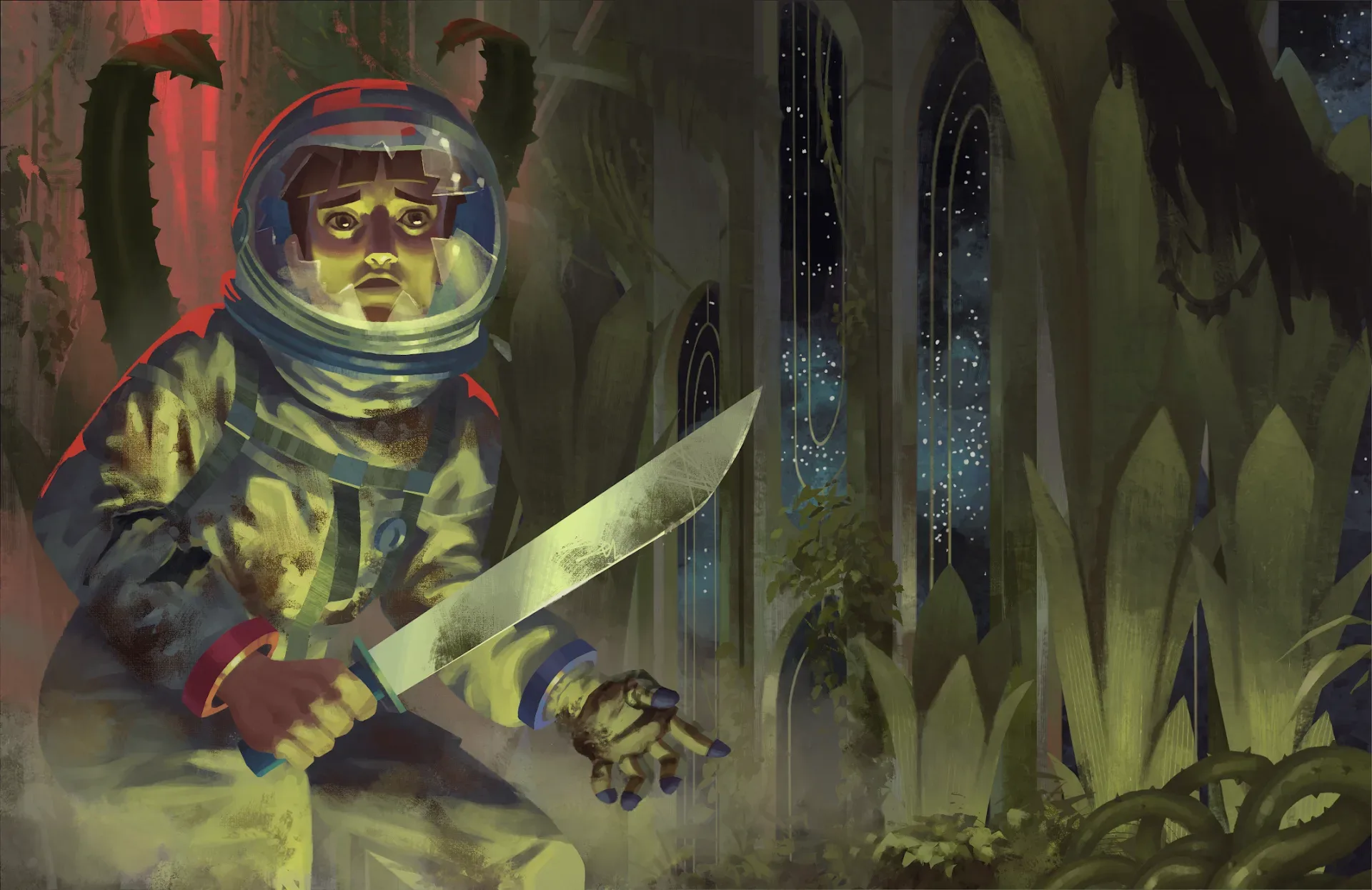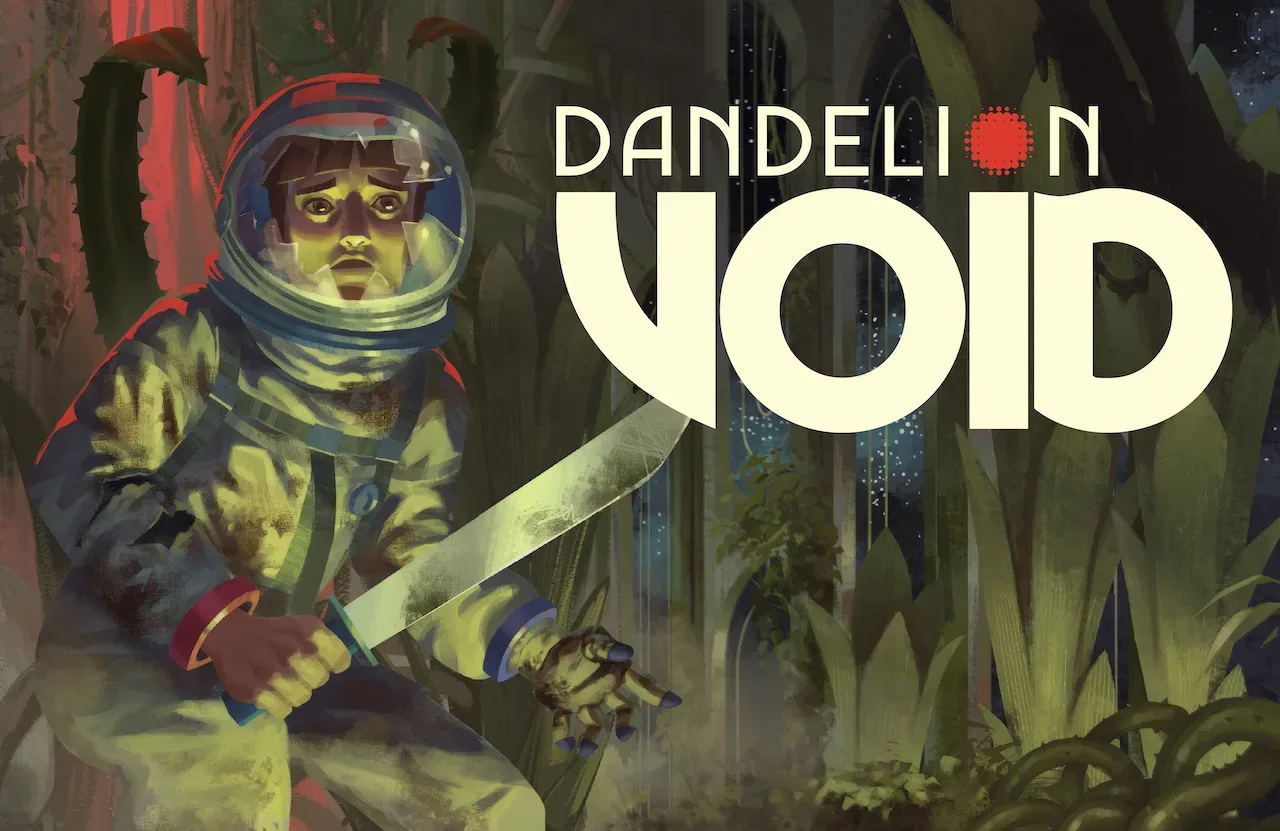
Dandelion Void has opened its first playable door. The newly available single-player demo introduces the survival-horror game’s central setting, the derelict generation ship Pergola, where jungle growth has consumed the corridors and the remaining systems are as dangerous as the creatures stalking them. A PC Early Access launch is planned for 2027.
Developed by worker-owned studio Manzanita Interactive and published by Kwalee, Dandelion Void is directed by Brian Ostrander, known for creating the Save Our Station! mod for Project Zomboid. The premise points toward a survival game where staying alive is not merely a matter of carrying enough ammunition: players will need to understand a failing spacecraft, repurpose what it contains and create somewhere safe enough to endure its escalating problems.
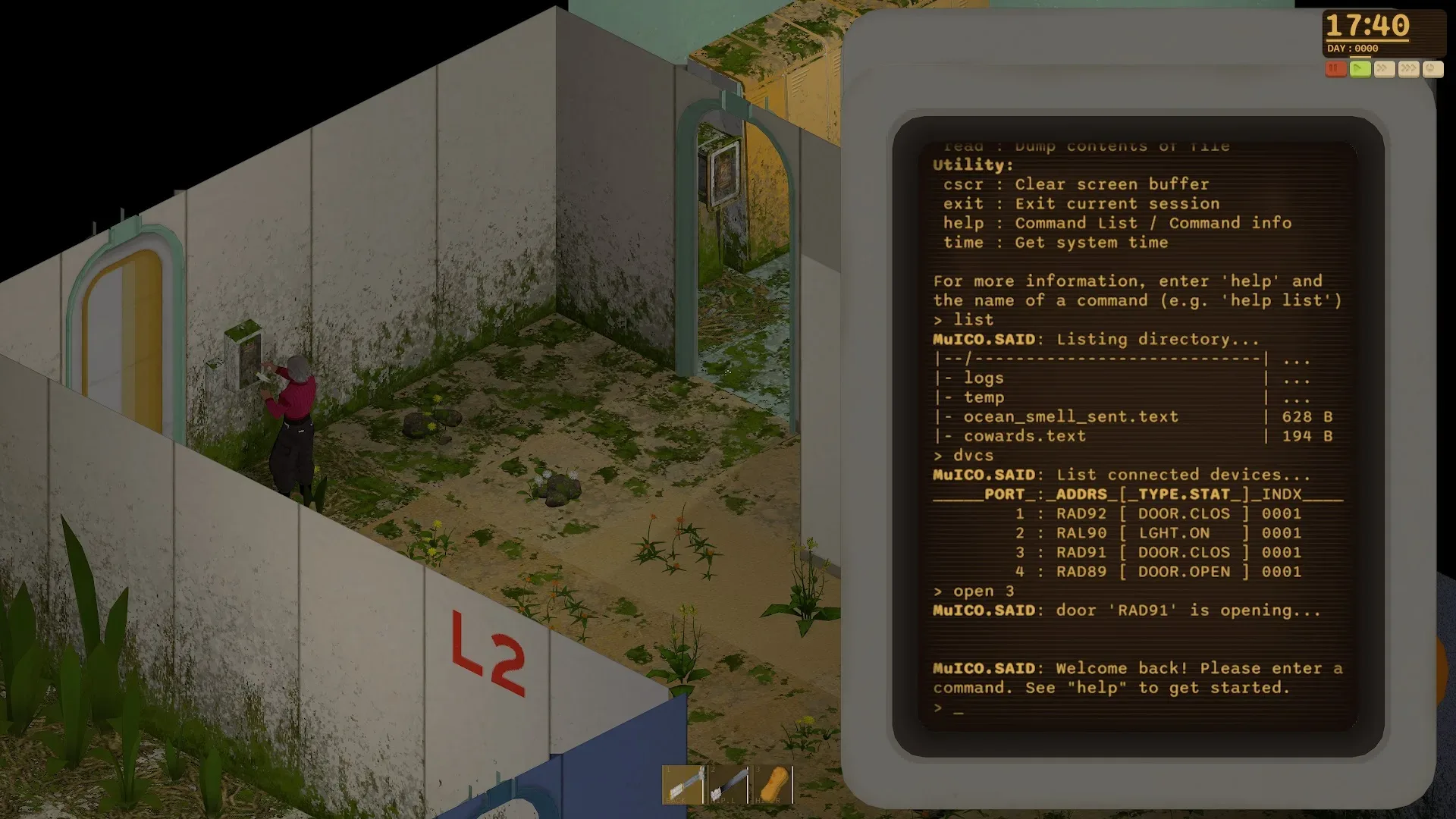
The demo is framed as an opening look at that loop. Players can become acquainted with the ship’s systems, deal with unfamiliar enemies and begin investigating the fate of Pergola and the people who once lived aboard it. It is a deliberately smaller slice of a larger project, but it establishes several ambitious pillars: improvised survival, an authored ship altered between runs, and a future toolkit intended to let players make their own additions.
A survival game inside a dying arkship
Pergola is described as a generation ship. In science-fiction terms, that means a vessel built to support people over an extremely long journey, potentially across multiple generations. That concept matters here because it makes the ship more than a conventional space station. Its halls, rooms and systems would have been expected to sustain a community, and their abandonment leaves behind the materials, infrastructure and unanswered questions that define Dandelion Void’s setting.
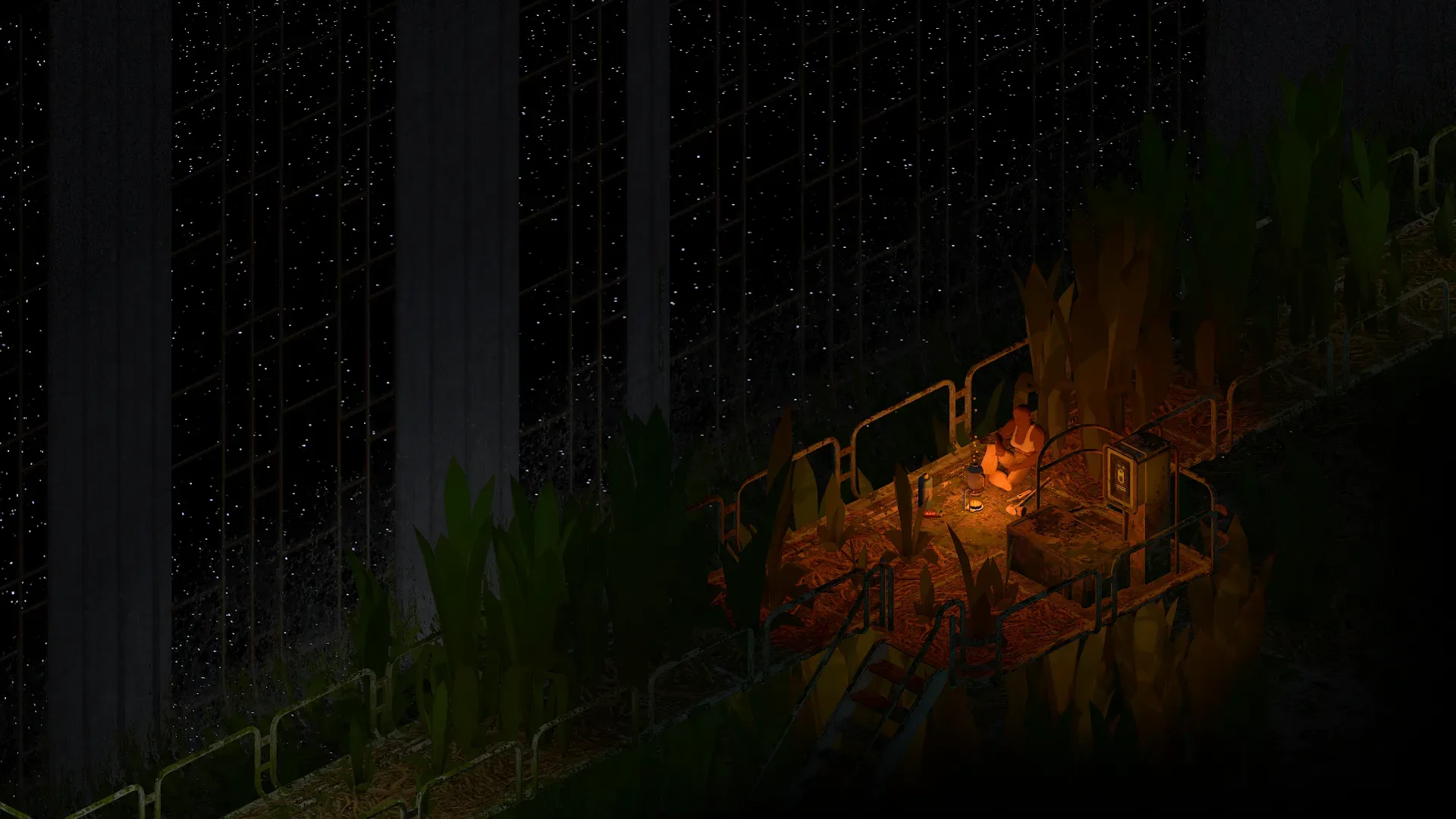
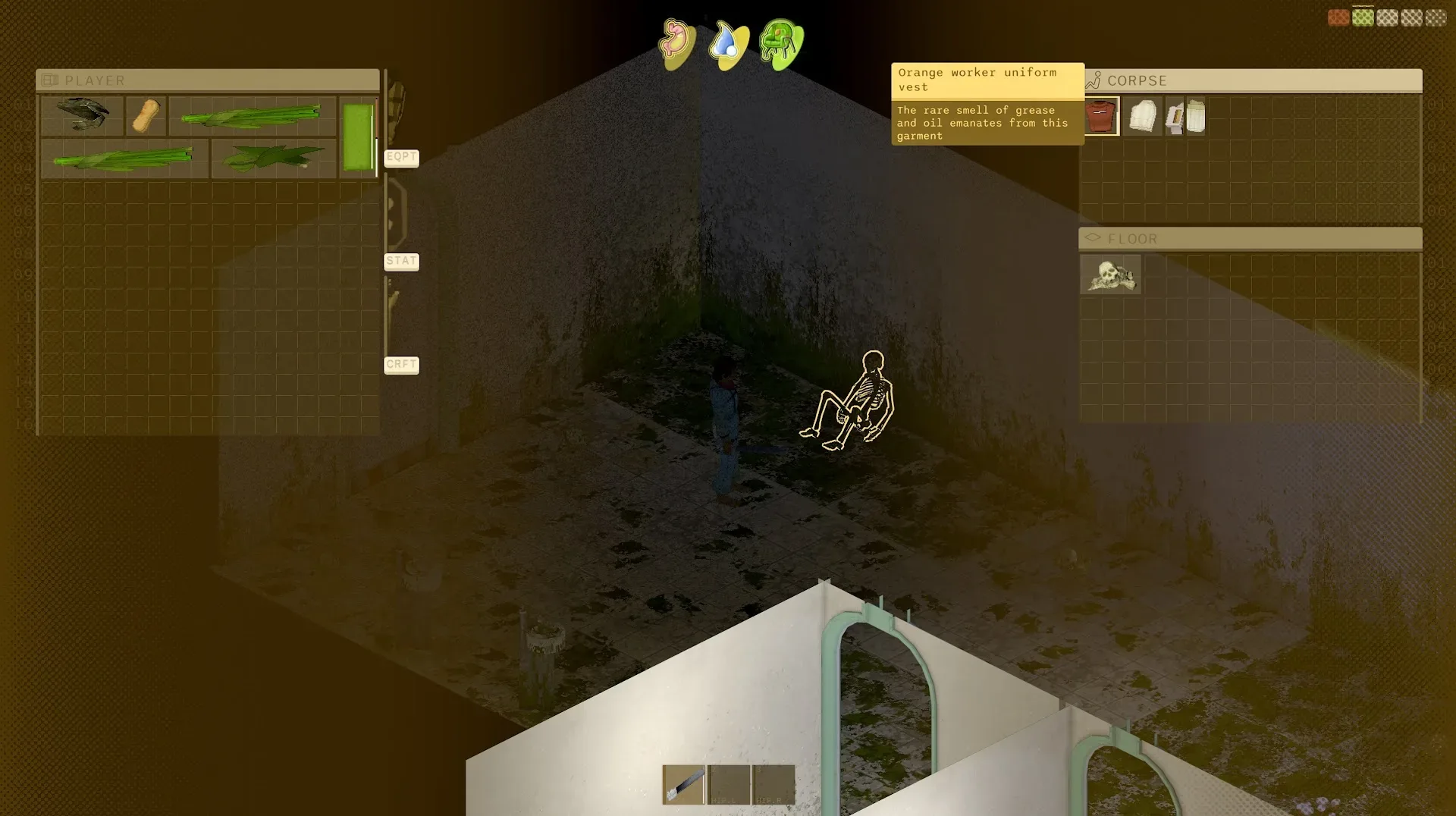
Those halls are now jungle-choked. Rather than presenting a sterile spacecraft, the game sets survival amid invasive overgrowth, decay and the remnants of older technology. Players are expected to scavenge and repurpose tools, clothes, weapons and technology with a 1970s-era character. The contrast is one of the project’s clearest hooks: futuristic travel is paired with equipment and surroundings that feel old, worn and potentially unreliable.
“Repurpose” is an important word in this kind of design. It suggests that objects may have value beyond one obvious use. A found item may be useful because it helps address an immediate threat, contributes to a shelter or fills a gap in a player’s wider survival plan. The announcement does not specify individual recipes or item interactions, so players should treat the demo as an introduction to the philosophy rather than a full catalogue of what can be crafted or transformed.
What players must manage
Dandelion Void’s listed survival needs are hunger, thirst, comfort and morale. Hunger and thirst are familiar resource pressures: they place food and drink at the centre of the scavenging routine. Comfort and morale extend that premise beyond simple consumption. They indicate that a player’s condition will be affected by the quality of life they can establish, not solely by whether they have avoided death for another few minutes.
The game also calls on players to establish shelters and bases in abandoned chambers. A base is likely to be a strategic answer to the ship’s hostility rather than just a decorative space. In a structure threatened by environmental failures, deciding which chamber can function as a refuge could be as significant as deciding what to carry out into the next corridor.
Related coverage includes Dandelion Void Demo Opens the Airlocks Ahead of 2027 PC Early Access.
That danger comes from several directions. Starvation sits alongside shipquakes, collapsing structures, broken airlocks, hazardous materials and highly evolved botanical horrors. Shipquakes are a particularly evocative term: the announcement establishes them as a hazard, while leaving their exact cause and mechanical effect unexplained. What is clear is that Pergola is not a static maze. It is a compromised environment whose architecture can itself become a threat.
- Resource pressure: hunger and thirst require ongoing attention.
- Personal condition: comfort and morale are part of survival, not background flavour.
- Environmental risk: structural collapse, airlock failures and hazardous materials make the ship dangerous even before enemies arrive.
- Hostile life: evolved botanical horrors turn the ship’s rampant growth into an active menace.
- Safe-space planning: shelters and bases give players a reason to assess abandoned rooms for more than loot.
This combination gives the game a broader definition of survival than combat alone. A weapon can address a foe, but it does not necessarily solve an unsafe room, a lack of water or deteriorating morale. The meaningful question suggested by the setup is not simply whether players can push farther into the ship, but whether they can make that progress sustainable.
Hand-authored layout, variable runs
Manzanita Interactive is combining a hand-authored map with randomized overgrowth and decay. A hand-authored map means the underlying location is deliberately designed rather than generated entirely anew for every attempt. That can support a coherent sense of place, intentional routes and environmental storytelling aboard Pergola.
Randomized overgrowth and decay then alter the conditions on that map. The ship’s broad identity can remain recognizable while individual runs present changed challenges. An area may be shaped differently by vegetation or deterioration than it was previously, affecting how a player approaches exploration, scavenging and safety.
That distinction is useful for setting expectations. Dandelion Void is not being positioned as a game with a wholly random ship every time. Instead, it has a crafted setting that is modified by variable environmental states. For survival-horror players, that approach can preserve the tension of learning a place while preventing knowledge of its general layout from becoming a complete solution.
It also fits the narrative premise. The demo promises initial clues surrounding what happened to Pergola and its inhabitants. A coherent, designed ship can provide context for that mystery; shifting decay and overgrowth can keep reaching those clues uncertain and hazardous. The announcement does not reveal the cause of the disaster or explain the nature of the botanical threats, so the central mystery remains intact for players to investigate.
Character setup may shape the survivor
The announced feature list includes customization of character lineage, backstory and traits. These terms indicate that creating a survivor will involve more than visual selection, although the precise effects of each option have not been detailed.
Lineage generally concerns a character’s inherited background or origins. Backstory refers to the history that precedes the game’s opening. Traits are typically defined qualities that can distinguish one character from another. Dandelion Void has not yet explained whether these choices change statistics, available options, role-playing context or something else, so it would be premature to assume a particular build system. Still, their inclusion suggests the game wants players to begin with a survivor who has an identity, rather than a blank body dropped into a hostile corridor.
That premise pairs naturally with a game about morale and shelter. If the individual player character is shaped by an initial history and set of traits, the act of surviving Pergola may be more personal than simply maximizing supplies. The actual scope of these systems is one of the practical questions the demo and later Early Access development may clarify.
Co-op and modding are planned for launch
Although the first demo is single-player, Dandelion Void is planned to have optional co-op multiplayer at launch. The stated methods are peer-to-peer play or player-hosted servers.
Peer-to-peer multiplayer is a connection model in which players connect directly with one another rather than relying exclusively on a dedicated central server. A player-hosted server is a session hosted by a player. Both options suggest the planned co-op experience is meant to support groups organizing their own games, but exact player counts, progression rules and other online details have not been announced.
Co-op could change the rhythm of the survival systems considerably: groups might divide exploration, base work and defense. But that is an implication of the announced multiplayer structure, not a confirmed rule set. What is confirmed is that cooperative play is optional, meaning the core premise is not limited to teams.
Full mod support is also planned at launch, alongside a custom map editor and a Lua API. Lua is a programming language frequently used for scripting: in this context, an API based around Lua is intended to give creators a way to build or modify game content through supported tools. The stated areas for creation include maps, clothing, weapons and scripted scenarios.
The map editor and Lua API are notable because they point beyond cosmetic modifications. Scripted scenarios, in particular, suggest a route for creators to assemble their own situations and objectives within the game’s systems. The announcement does not set out limits for those tools or show how they will work, but the intention is clear: community-made content is part of the game’s planned foundation, not an afterthought promised after launch.
What the demo can—and cannot—answer
For now, the available demo is the direct way to see how Dandelion Void’s systems feel in practice. It is designed to familiarize players with Pergola, introduce its foes and plant the first story clues. It is not described as a final representation of all features planned for the PC Early Access version.
That distinction is especially relevant to the announcement’s larger promises. Optional co-op, complete mod support, the custom editor and the Lua API are identified as launch features, while the demo itself is specifically identified as single-player. Players interested primarily in multiplayer or creator tools should not expect the demo’s scope to answer every question about those systems.
The 2027 PC Early Access target also places the project among other games preparing for PC launches next year, including LIVING HELL, which has opened a playtest before its own 2027 PC release. Dandelion Void’s immediate offering is more focused: a first chance to enter a decaying arkship and see whether its mix of scavenging, base building, bodily needs and invasive plant horror takes root.
There is no announced release date within 2027, no confirmed non-PC platform list and no further detail yet on the game’s Early Access duration or update plan. Those are sensible areas to watch as development continues. In the meantime, Pergola’s airlocks are open for a first single-player visit—and its overgrown corridors already sound considerably less welcoming than the name “garden ship” might imply.