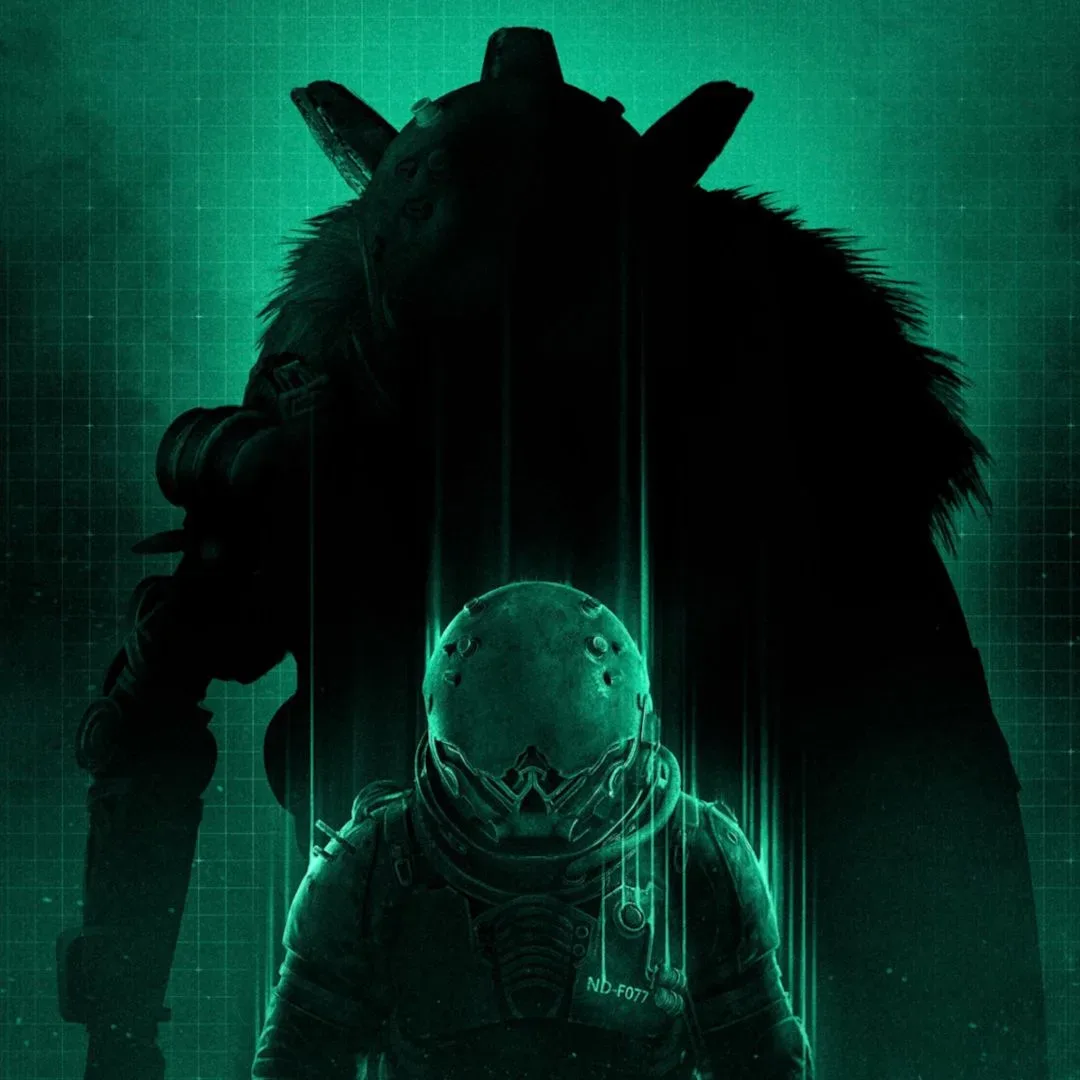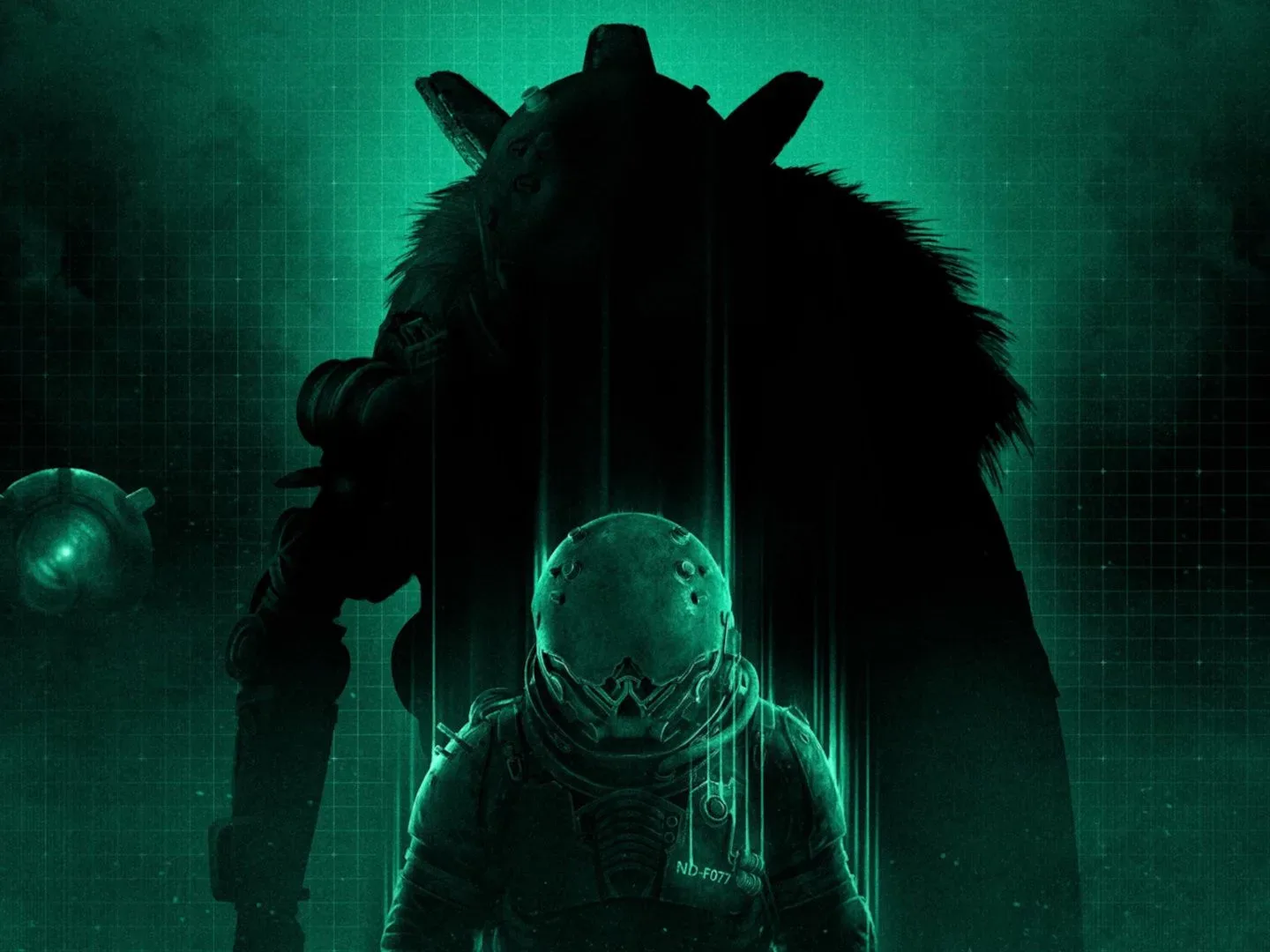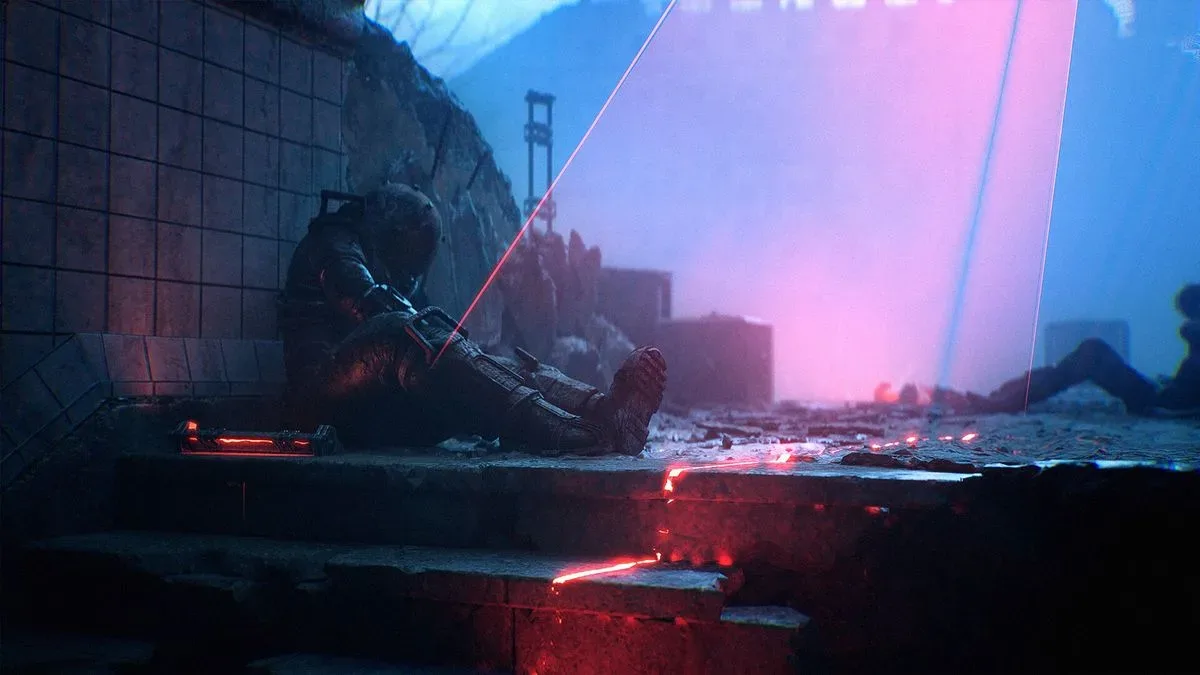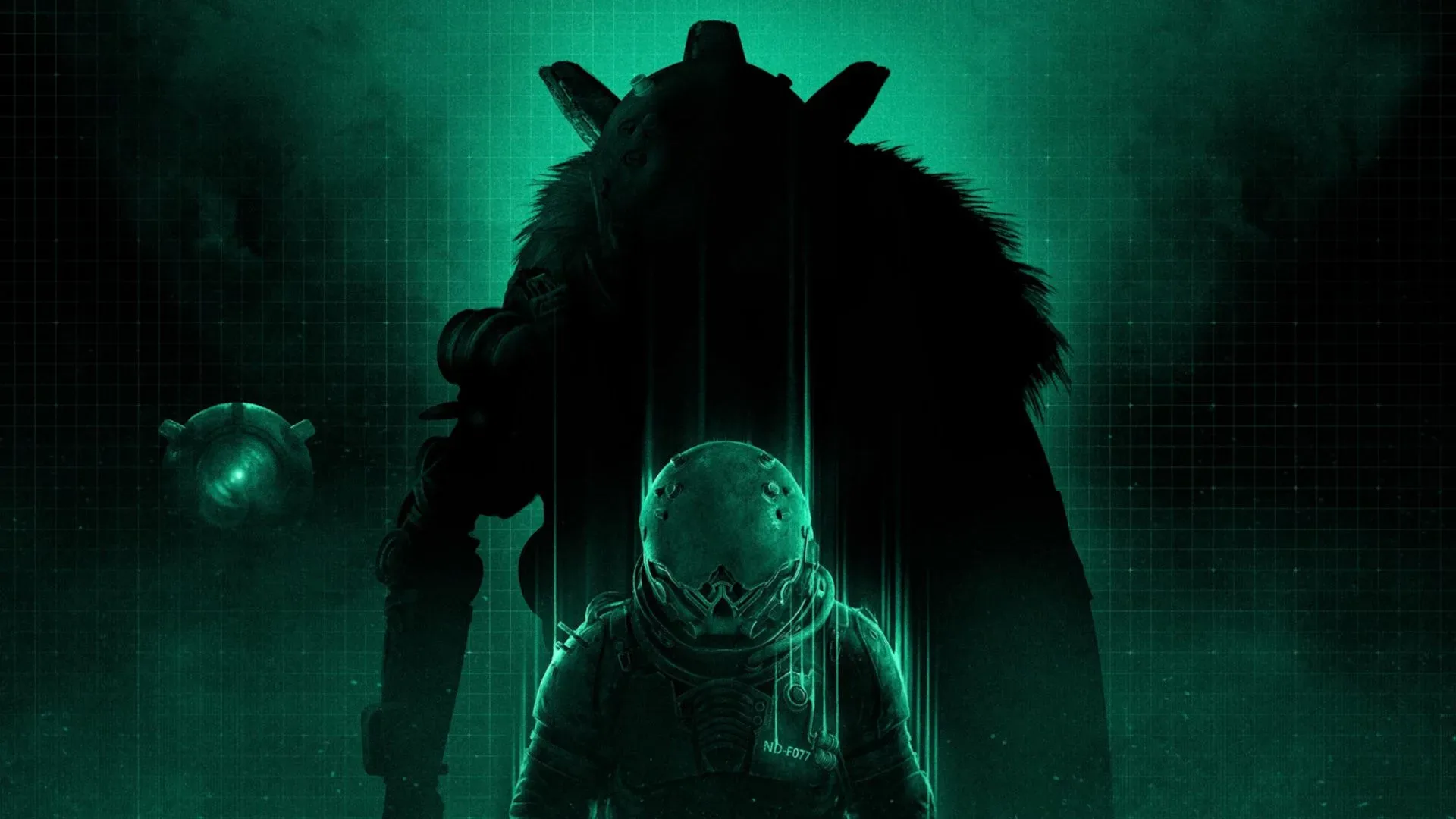
Cronos: Lazarus is set to take the world of Cronos: The New Dawn in a notably more aggressive direction. Where the main game centers on the Traveler’s fragile position in a ruined, time-scarred Poland, the DLC gives the spotlight to the Warden: a character equipped to meet horror with a louder, faster answer.
That distinction matters in survival horror. The genre has long used scarcity, uncertain sightlines and limited ammunition to make every creature feel like a problem worth avoiding. Yet many memorable horror games eventually change the player’s relationship with danger. The hunted becomes capable of hunting back. Cronos: Lazarus appears to build an entire expansion around that turn, without abandoning the unsettling environments and grotesque biology that define its setting.
The DLC is planned for 2026, though a specific release date has not been announced. It is associated with PC, PlayStation 5, Xbox Series X, and Nintendo Switch 2. Bloober Team is developing and publishing the project.
The Traveler’s world, viewed through the Warden’s arsenal
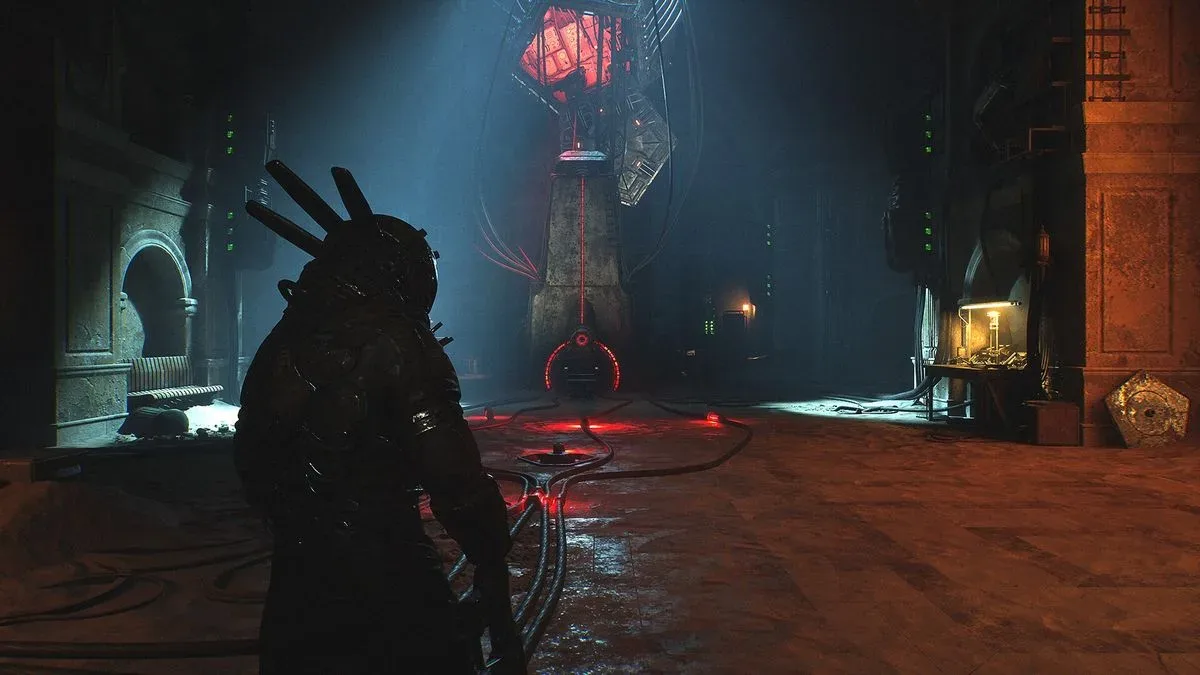
Cronos: The New Dawn places the Traveler in a devastated Poland affected by an apocalyptic event. The game’s time-bending structure includes trips back to the 1980s in pursuit of particular people, while its present-day ruins are populated by Orphans: once-human forms remade into disturbing body-horror creatures.
The Traveler’s survival depends on restraint. Ammunition is valuable, enemies can absorb punishment, and leaving a threat behind is rarely as simple as stepping around it. That pressure is central to the base game’s tension. Players are pushed to make decisions that survival-horror veterans know well: Is this target worth the shells? Is that hallway safe enough to run through? Can a downed enemy remain down?
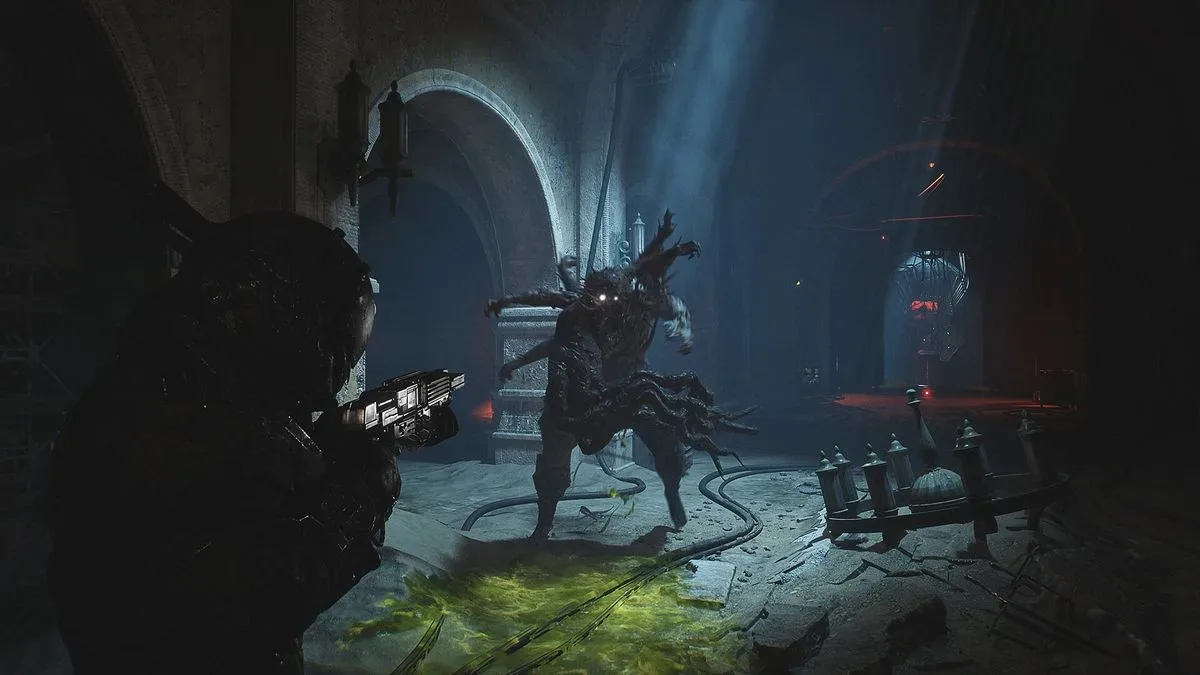
Lazarus does not appear to erase those dangers. Instead, it rebalances them. The Warden carries a handgun and shotgun and faces groups rather than primarily isolated threats. The result is an action-forward setup: more enemies on screen, more immediate firing decisions, and an apparent expectation that players will hold space rather than surrender it.
That is a potentially compelling way to expand the same universe. A DLC does not need to simply provide more of the campaign’s original rhythm. A new protagonist can justify a fresh mechanical identity, especially when the setting already has creatures and rules sturdy enough to support more than one style of fear. The Warden’s campaign looks positioned as a counterpoint to the Traveler’s caution—a different survival strategy, not necessarily an easier one.
More enemies means more problems after the shooting stops
The Warden may be better armed, but Cronos still expects players to manage its most unpleasant battlefield detail: fallen Orphans can become part of something worse. Corpses that are not incinerated may merge with surviving monsters, producing larger chimera-like threats that demand even more ammunition to put down.
That mechanic preserves a layer of decision-making within the heavier combat loop. Firing wildly may keep an advancing crowd away in the moment, but it can leave a cleanup job that grows increasingly expensive. The horror of a body lying on the floor is not only visual; it is tactical. A room that seems cleared can become unstable again if the player has not handled the remains properly.
It also gives the Warden’s apparent confidence a useful limitation. Being armed does not mean every encounter becomes simple target practice. When enemies arrive in numbers, the player must divide attention between mobile attackers, the ammunition count, their own position and the bodies that may combine into an upgraded menace. It is a nasty little ecosystem, as if the apocalypse has installed its own recycling program and every bin is full of teeth.
The approach resembles a broader survival-horror pleasure: mastering rules that initially feel punishing. Learning when to conserve rounds, when to commit to a kill, and when to burn the evidence can make a frightening system feel increasingly readable. The genre’s best power fantasies are rarely clean victories. They are victories achieved while one last mistake is always capable of turning a corridor into a panic sprint.
Decoy and Teleport give the Warden room to maneuver
Two Warden abilities shown for Cronos: Lazarus add mobility and misdirection to that basic gunfight structure. Decoy creates a holographic duplicate of the protagonist. Enemies can be drawn toward the false target, creating an opening either to move past them or to attack from a more favorable position.
For larger foes that can rapidly close distance, the Decoy seems particularly important. It offers a short respite from relentless pursuit without making the threat disappear. Used well, it could let players reposition, line up shots, bypass a group, or pull a dangerous enemy away from an awkward approach. In a game built around creatures that want to crowd the player, even a few seconds of diverted attention can be more valuable than another magazine.
Teleport, meanwhile, has been presented primarily as a traversal tool. It lets the Warden cross broken or obstructed paths, making it possible to move through spaces where ordinary routes are unavailable. The ability is described as quick to activate, and although its combat role was less pronounced in the material shown, its potential is obvious. A tool made for gaps can become an escape route, a flanking option or an answer to an arena designed to trap the unwary.
Whether Teleport becomes a major combat mechanic remains uncertain. The showcased slice was brief, and the clearest use involved navigation rather than an elaborate fight. Still, pairing teleportation with a disposable holographic lure gives the Warden a distinctly different vocabulary from the Traveler. This is not just a character holding a bigger gun. It is a character built to redirect a fight, break its geometry and punish an enemy’s bad choice.
A towering Orphan tests the new combat focus
The demo’s major challenge comes in the form of an enormous Orphan, said to stand around twice the Warden’s height. The creature attacks with acid and charges across a relatively confined combat space, turning the encounter into a balance between evasive movement and sustained damage.
Its scale is significant because it underlines the DLC’s central shift. Lazarus invites the player to fire often, but the boss demonstrates that firepower has to be delivered with discipline. The Warden can unload handgun rounds and shotgun shells, yet a large target that keeps advancing creates a familiar horror-game question: have you missed the intended solution, or does the monster simply require far more punishment than common sense suggests?
In this case, persistent shooting is enough to make the creature stagger and collapse, but the victory comes with very little ammunition left. That kind of finale is exactly where action and survival horror can meet successfully. A player gets the thrill of unloading on an oversized nightmare, then immediately receives the reminder that their arsenal is not bottomless and the next room may still contain consequences.
Why the Warden could broaden Cronos without softening it
There is a fine line between empowering a player and defanging a horror game. If the Warden is too dominant, Orphans risk becoming disposable scenery. If ammunition and enemy behavior remain demanding, however, Cronos: Lazarus could deliver the satisfaction of an action surge while retaining the grim calculations that made the original premise work.
The body-merging threat is especially promising on that front, as are enemy groups and the pressure of a giant acid-spitting opponent. The Warden’s abilities suggest that encounter design may emphasize creative escape and positioning as much as raw damage. A shotgun is reassuring right up until the thing in front of it decides to grow a friend out of the corpse behind it.
For players who appreciate games that alter the tone of danger over time, Lazarus is shaping up as an intriguing companion piece to The New Dawn. It keeps the collapsed architecture, warped humanity and uneasy atmosphere of the larger story, but asks what happens when someone capable enters those same halls. The answer, at least so far, appears to be: more noise, more movement, more monsters, and still not nearly enough shells.
That change of pace also speaks to why games can thrive when they accommodate different moods. One night calls for carefully sharing a screen and negotiating the timeless etiquette covered in the unwritten rules of couch multiplayer. Another calls for steering a holographic decoy toward an acid monster and making a rapid tactical withdrawal. Both are valid uses of a controller; only one requires checking whether the floor is trying to fuse into a demon.
Until Bloober Team provides a firm launch date, the most concrete expectation is a 2026 arrival for Cronos: Lazarus. Its early outline is clear enough: the Warden brings welcome aggression to a hostile sci-fi world, but the world retains enough monstrous rules to make every trigger pull matter.