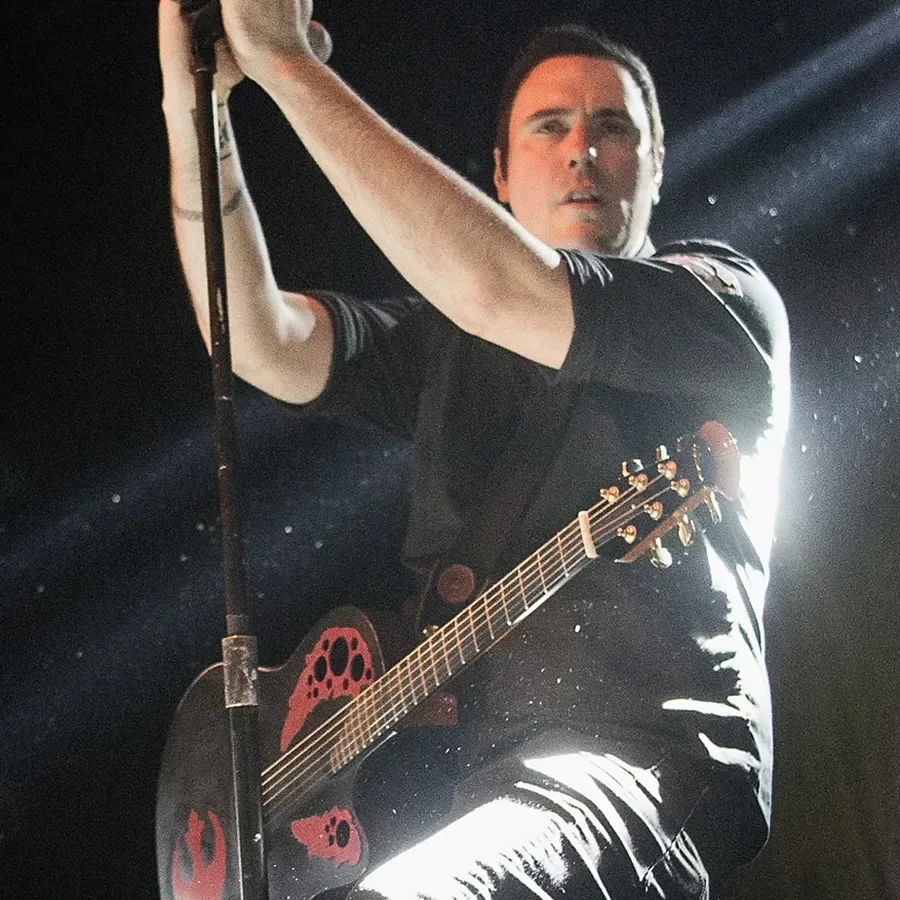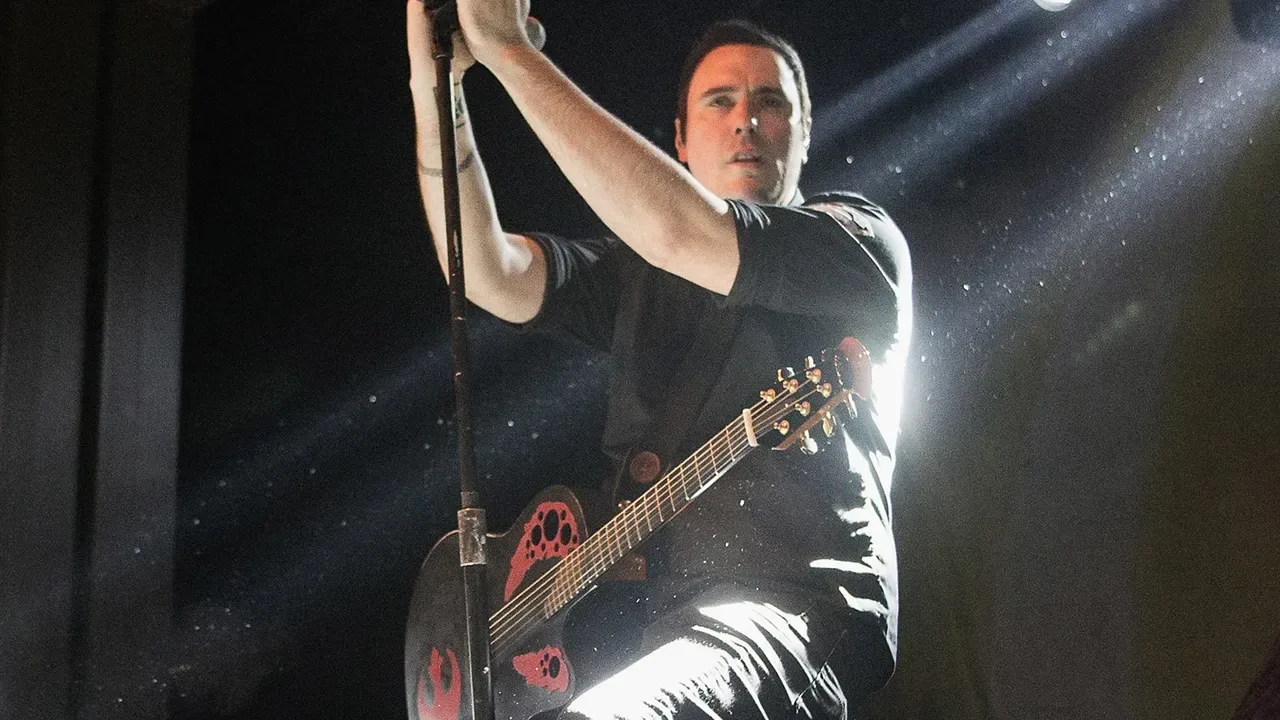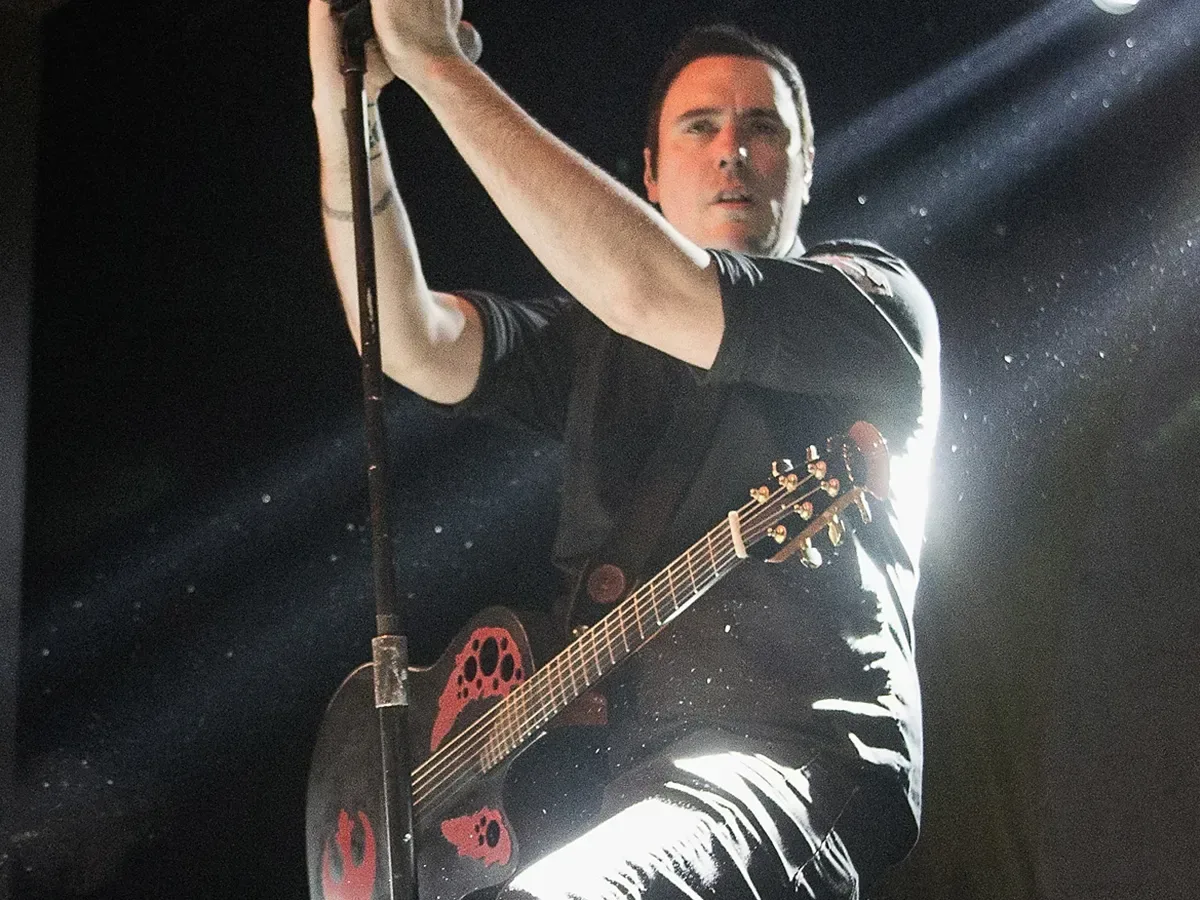
Rock-show banter usually covers hometown shout-outs, tour stories, a request for the crowd to sing louder, or perhaps a carefully timed reminder that the merch table is still open. At a Breaking Benjamin concert in Holmdel, New Jersey, on Sunday, September 6, Benjamin Burnley went in a distinctly different direction: Fallout 4 mod support.
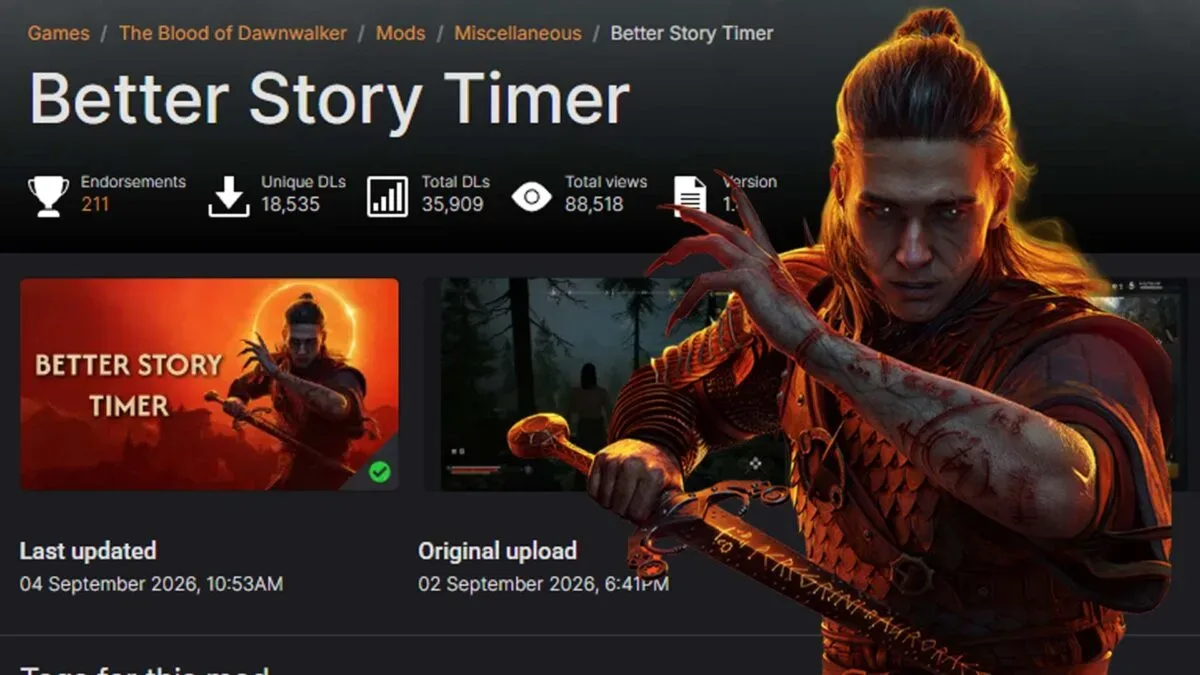
Burnley, the band’s lead singer and guitarist, spent nearly five minutes talking to the audience about his work as what he described as an amateur modder for Skyrim and Fallout 4. The immediate focus was his Fallout 4 project, True First Person Mod, listed under the Nexus Mods username killemloud. Footage shared online by a concertgoer shows that the interruption was not a passing mention between songs. It became a full-on appeal for players to download the mod—plus a very public account of Burnley’s conflict with another member of the modding community.
A concert detour into the Commonwealth
Burnley described the mod as an effort to keep the player’s perspective consistently in first person while still allowing third-person play. In particular, he said it lets players see their character’s body while in first person and use the workshop area without being forced out of that viewpoint. That sort of functionality is exactly the kind of deceptively particular quality-of-life change that can matter enormously to players who spend dozens or hundreds of hours in Bethesda’s post-apocalyptic sandbox.
Rather than leave the pitch at the verbal level, the production displayed the mod’s name and Burnley’s Nexus Mods handle on the venue’s large screen. The version under discussion was Update 1.2. Burnley encouraged the crowd to visit Nexus Mods and increase its download count, even suggesting that people who do not play the game could still lend their support by downloading it.
It is an unusually direct collision of two worlds that often overlap quietly: musicians who play games and game players who happen to make, share, troubleshoot, critique, and maintain modifications. Here, the Venn diagram was projected above a live audience.
The dispute Burnley described
During his remarks, Burnley alleged that another modder had been hostile toward him and harshly critical of his work. He characterized the other person’s comments as bullying and said the criticism arrived before he had a chance to keep refining the project. Burnley did not identify the modder by name during the onstage remarks captured in the video.
Those are Burnley’s claims about the disagreement, and the available account does not include a response from the unnamed individual. What is clear is that Burnley framed the download push as more than ordinary self-promotion. He presented it as a show of solidarity for creators being allowed to improve a mod after release, revise it, and learn from the process rather than having an early version treated as the final word.
The stage appeal turned a mod-page download counter into a temporary concert-crowd cause.
Related coverage includes Breaking Benjamin's Benjamin Burnley Pauses Concert to Promote Fallout 4 Mod Amid Modding Feud.
That framing helps explain why the moment resonated beyond the novelty of a frontman discussing game settings from a stage. Mod communities can be intensely enthusiastic, but they are also places where technical feedback, competing approaches, compatibility issues, version updates, and blunt opinions meet in public. A creator may upload something small, practical, experimental, or unfinished, then discover that the response is as much about community norms as it is about code or game design.
None of that proves the substance of the dispute in either direction. It does, however, explain why an argument about first-person presentation in Fallout 4 can become meaningful to the people involved. Mods are rarely just files in isolation. They represent time, problem-solving, taste, and a willingness to put a project in front of strangers who may respond with appreciation, bug reports, criticism, or all three at once.
“Play some music” meets “download the mod”
The audience response, as captured in the circulating footage, appears mixed in the most entertainingly predictable way possible. Plenty of attendees seemed amused or interested by the unexpected gaming tangent. At least a few people, however, shouted for the band to get back to the concert. Their point was not especially complicated: they had come to hear Breaking Benjamin play.
Both reactions make sense. A live concert is not normally where fans expect an explanation of first-person camera behavior, workshop interactions, and a modding grievance. On the other hand, that mismatch is precisely why the clip spread online. The image of a major rock vocalist taking a five-minute break to campaign for his personal Fallout 4 update is too specific to be ordinary. It has the energy of a side quest accidentally becoming the main quest.
The incident also places Burnley in a long-running, if sometimes underestimated, tradition of artists whose gaming interest goes beyond a casual “I own a console” admission. Breaking Benjamin already has a well-known connection to games through its appearance in Halo 2. Burnley’s modding activity adds a more hands-on dimension: not merely being associated with a game soundtrack or playing games privately, but releasing a tool meant for other players to use.
That difference matters. Making and maintaining a mod puts a creator in contact with all the unglamorous machinery behind community-made content: documentation, updates, player expectations, bug feedback, visibility on hosting platforms, and the awkward social dynamics of sharing work in public. There is no indication that Burnley claimed professional status; in fact, he called himself an amateur. But amateur work is still work, and it can still attract an audience and critique.
Why a first-person mod can draw attention
On paper, a project focused on maintaining first person may sound narrowly targeted. In a role-playing game as moddable and replayable as Fallout 4, though, small changes to a player’s perspective can reshape how the whole adventure feels. Seeing a character body, keeping the camera behavior consistent, and moving through settlement-building tasks without a jarring perspective switch are details that some players actively seek out.
This is one of modding’s enduring strengths. Not every popular project needs to add a new continent, transform every system, or introduce an army of new quests. Sometimes the appeal is a focused answer to a question that official settings do not answer in the preferred way: “Can this particular part of the game work more like this?”
For players who enjoy preserving and revisiting games through community work, the broader ecosystem is part of the hobby. That extends from actively installed mods to archival projects, documentation, and digital presentations of gaming history. For a different example of how game culture is being preserved, see GOG’s new 3D big-box scans for classic PC games. The medium’s community history is built not only from official releases, but also from the people who keep engaging with the details around them.
A viral moment, with limits
The clip’s viral appeal should not obscure the limits of what is known. The video documents Burnley’s statements, his request for support, and the crowd’s varied reaction. It does not independently settle the reported conflict or establish the other modder’s perspective. Burnley withheld the person’s name, and that restraint is worth maintaining when discussing a dispute that has been amplified well beyond its original community setting.
Still, the basic event is memorable without needing to turn it into a larger verdict on anyone involved. A musician stopped a concert to advocate for a Fallout 4 mod he made. He said criticism from another modder motivated him to seek downloads for the project. The venue screen highlighted True First Person Mod by killemloud. Some fans were delighted by the detour; others wanted another song. In the ever-expanding archive of strange intersections between games and popular culture, it is hard to ask for a more perfectly specific entry.
For Burnley, the evening was evidently about defending a piece of creative work and the right to continue improving it. For the internet, it was also a reminder that the person holding a guitar onstage may have spent the previous night worrying about the same thing as countless PC players: whether the newest update fixes the camera behavior without breaking something else.