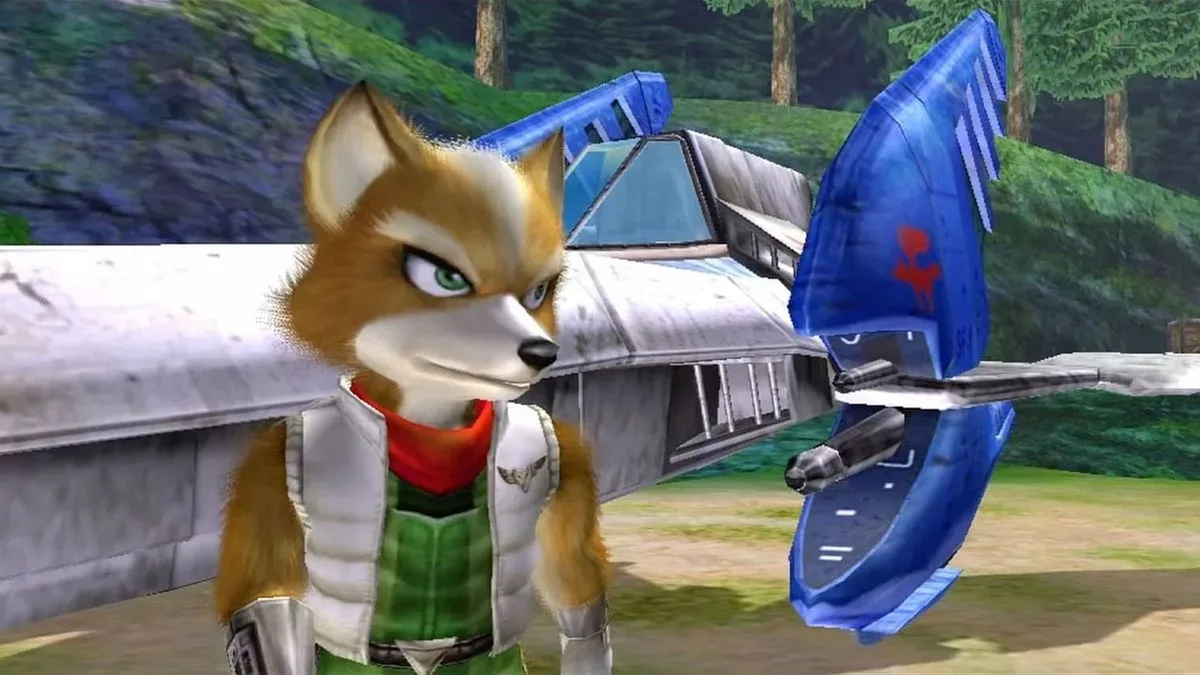
Star Fox Adventures may be getting a new life beyond its original hardware through Foxhollow, a recompilation-based PC and Mac project that aims to run the game as a native application when supplied with a legally acquired ROM. The immediate appeal is preservation and accessibility. The more tantalising possibility, however, is what could happen after planned mod support arrives: fans may finally be able to build the climactic confrontation with General Scales that the game never delivered.
That possibility remains just that—a possibility, not a confirmed feature or a finished fan expansion. Foxhollow’s stated priority is to get the core project stable, with modding support due only after that work is complete. Still, opening a game to community-made modifications changes the conversation around it. A release can be preserved as it was, flaws included, while also becoming a platform for alternate ideas, repairs and experiments that its original developers never had time or opportunity to complete.
A port built around the original game
Foxhollow is designed to retain the feel of Star Fox Adventures, including its existing bugs, rather than presenting itself as a wholesale remake. That distinction matters. A remake typically rebuilds a game with new assets, mechanics or design choices. A recompilation project instead focuses on getting the original game to run in a modern, native environment.
In practical terms, “native” means the title can launch as a PC or Mac application rather than being run through a conventional emulator. An emulator generally imitates the original machine’s hardware and software environment. Recompilation, as described here, takes a different route toward modern execution. Either way, the legal requirement is clear: Foxhollow users need to provide their own legally acquired Star Fox Adventures ROM. The project itself is not a substitute for owning a legitimate copy of the game data.
That legal and technical framing should temper expectations. Foxhollow is not being positioned as a new commercial release of the GameCube adventure, nor is the availability of mod support an invitation to assume every desired change is already underway. Its first job is preserving the existing experience on PC and Mac. Its potential second life depends on what creators decide to make once the framework is stable.
Why General Scales is the obvious target
The pitch for a fan-made General Scales encounter comes from a long-standing feeling that the game’s endgame does not pay off its central villain setup as directly as players might have expected. General Scales is a major presence in the story, so the prospect of a dedicated final battle has obvious dramatic appeal. A mod could, in theory, give that character a full gameplay resolution rather than leaving the finale centered on Andross.
That is not a small edit. A convincing new boss battle would require much more than placing a character model in an arena. Modders would need to consider animation, attacks, collision detection, player damage, health behavior, audio cues, camera work and scripting for the events before and after the fight. They would also need to make the encounter fit Fox’s available moves and the game’s broader difficulty curve. A final boss must feel like a conclusion, not simply a tougher ordinary enemy.
The story side could be equally difficult. A battle with General Scales would need a reason to happen, a place in the chain of events and an ending that does not break the game’s existing plot logic. One approach could be an optional encounter that sits alongside the original conclusion. Another could revise the final sequence more substantially. Neither direction has been announced; they illustrate the kind of decisions a community project would face.
Related coverage includes Foxhollow PC Port Could Open the Door to a New General Scales Finale.
That scope is also why the idea is exciting. The best outcome would not necessarily be a declaration that the original ending has been erased. It could be a carefully labelled alternate route, an optional “restored-style” finale, or a separate challenge built for players who want a more direct showdown. Keeping the untouched game available while offering optional reinterpretations is one of modding’s most useful strengths.
Mod support could mean preservation as well as reinvention
Talk of a replacement finale naturally grabs attention, but it should not overshadow the less flashy uses for modding. Community tools can help document how an older game works, make small quality-of-life adjustments, test alternate character setups or organize creative projects around a title that has been difficult to revisit outside its original platform.
The source material around Foxhollow specifically imagines playful possibilities such as bringing an original Dinosaur Planet character into the game or making Falco a playable lead. These are speculative examples, not confirmed mods. Their importance is that they demonstrate the difference between a preservation project and a mod-capable platform. Once a game’s systems can be understood and extended, creators are not restricted to one interpretation of its story or roster.
That can also produce sillier experiments. Fans are already imagining Rare-related crossovers, including Banjo-Kazooie’s Wozza the Walrus and the notorious Ice Key. Such additions would not be canon, and they do not need to be. Community modding is often at its healthiest when serious restoration work and absurd novelty projects can coexist without either being mistaken for the official game.
Stability comes before the wild stuff
For now, the order of operations is important: stability first, mod support later. It is easy to leap from a working PC/Mac recompilation to dreams of rebuilt cutscenes and fully authored boss encounters, but the latter depends on the former being reliable. A mod ecosystem needs a sound base. If the underlying project changes frequently or has major compatibility problems, creators have a moving target and players face an unreliable install process.
That waiting period is not especially glamorous, but it is sensible. A stable foundation makes it easier to distinguish between a problem in Foxhollow itself and a problem introduced by a mod. It also gives future modders a clearer target for tools, documentation and testing. Anyone eager for a General Scales resolution should view the present build as the start of a route, not evidence that the destination has already been reached.
There is a broader retro-PC context here, too. Projects that move older console games into native desktop environments invite questions about ownership, preservation and fan creativity at the same time. The practical concerns are different, but the growing prominence of PC-focused releases and player expectations around access are visible elsewhere, including in recent discussion around PC game access and bundled content.
What players should realistically expect
- Do expect: a project intended to let owners use a legally acquired ROM of Star Fox Adventures on PC or Mac as a native port.
- Do expect: an initial emphasis on reproducing the existing game, including known quirks, rather than an officially revised version.
- Do not expect yet: a confirmed General Scales boss battle, rewritten ending, Falco campaign or crossover content.
- Do not assume: mod support is available before the team judges the project stable.
- Do remember: fan-made content, if and when it arrives, would be optional community work rather than an official alteration to the original game.
Foxhollow’s most immediate achievement is the prospect of making an older GameCube adventure easier for legitimate owners to revisit on modern computers. Its longer-term importance may be more creative. For fans who have spent years wondering what a proper General Scales showdown might look like, mod support offers the tools to turn an old complaint into a design challenge. Whether anyone can make that battle feel worthy of the setup is the real boss fight.