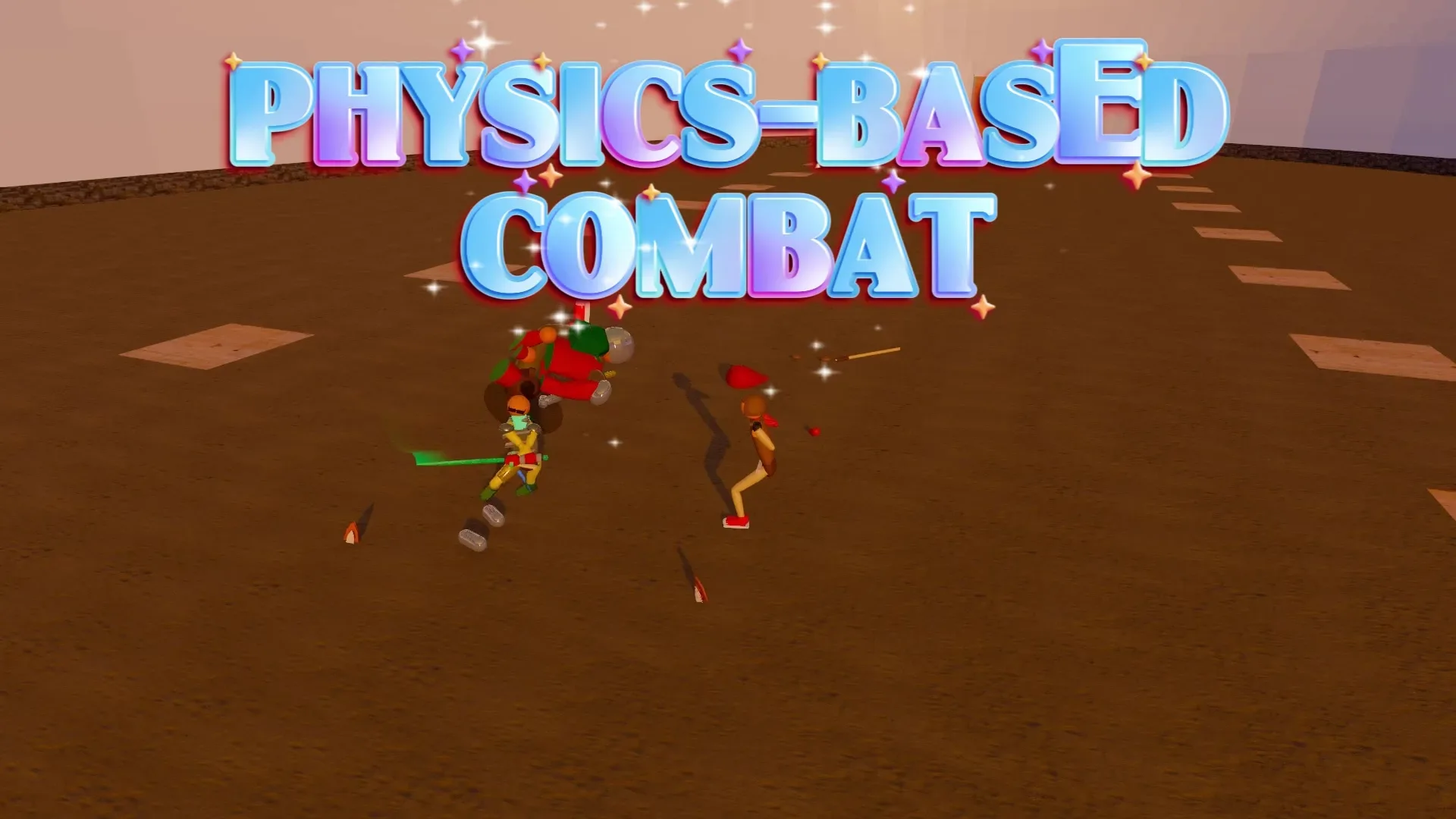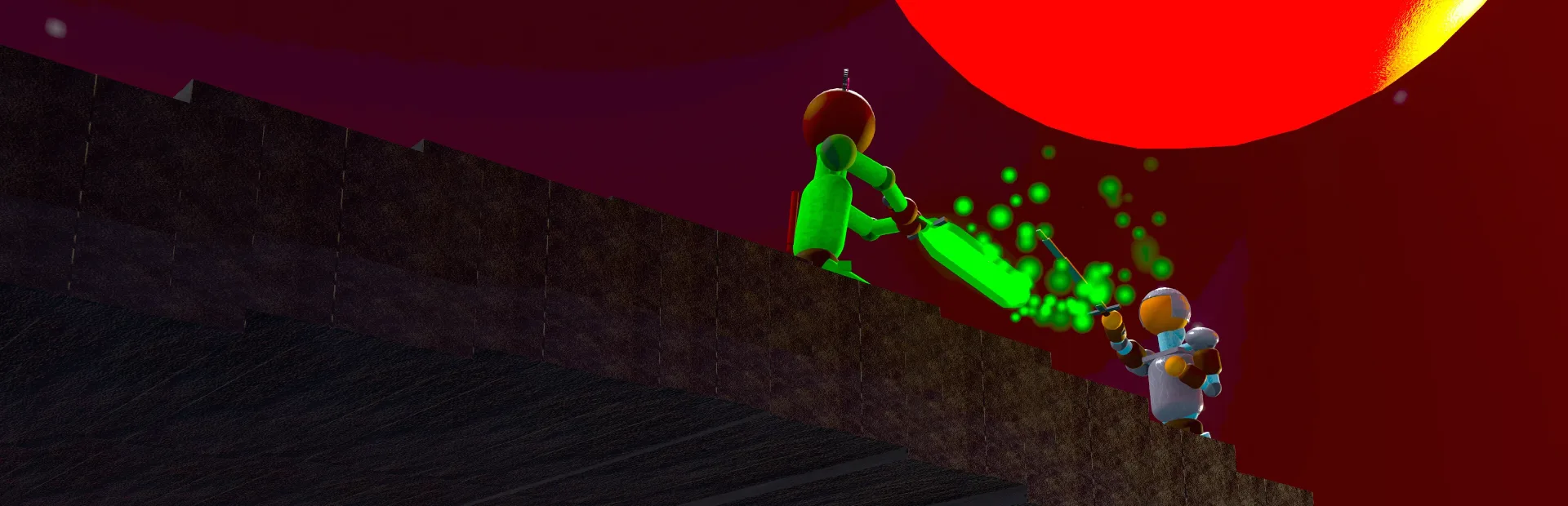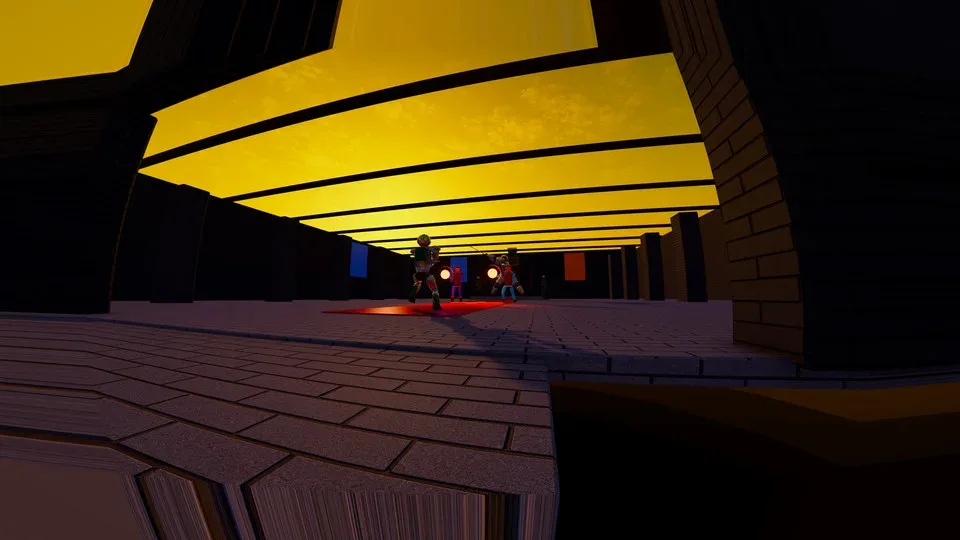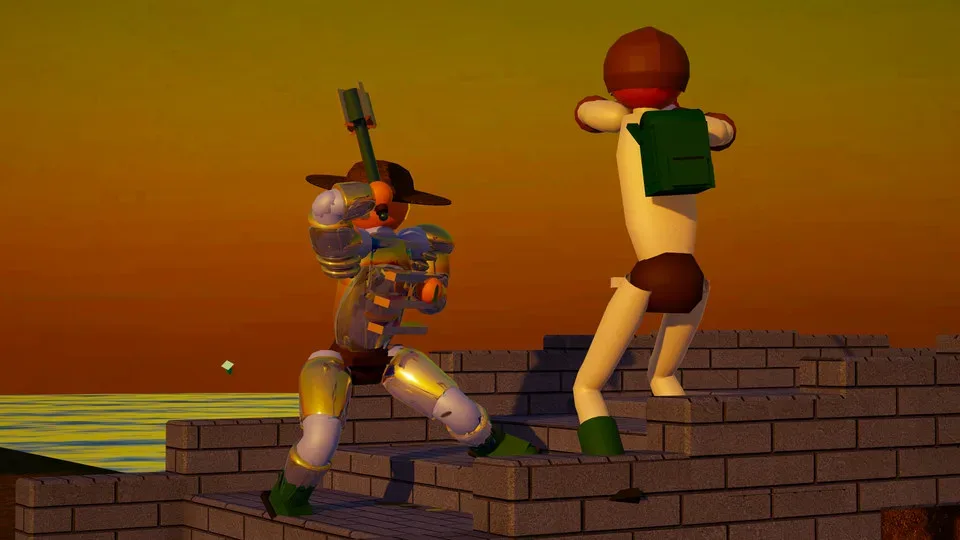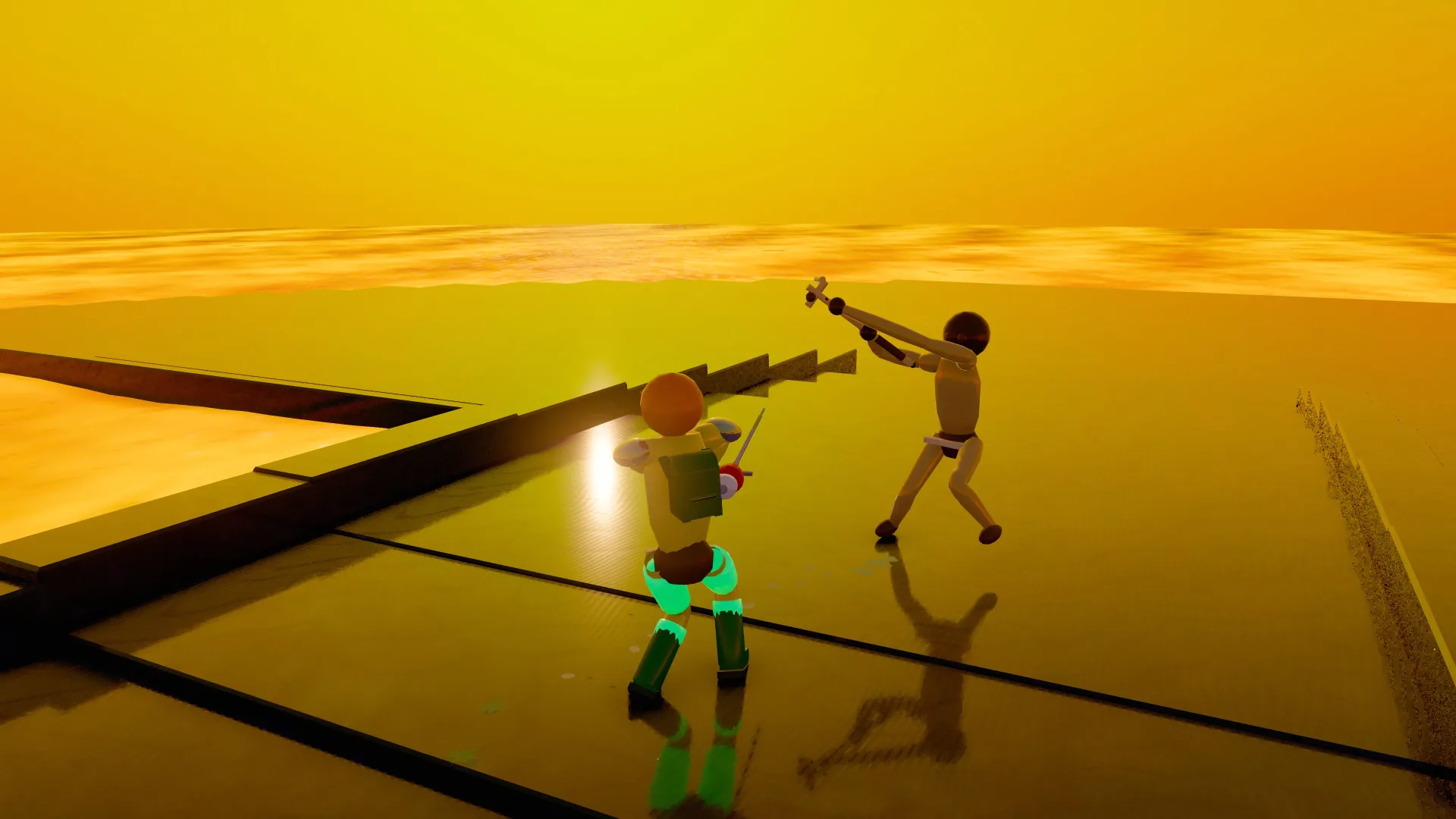
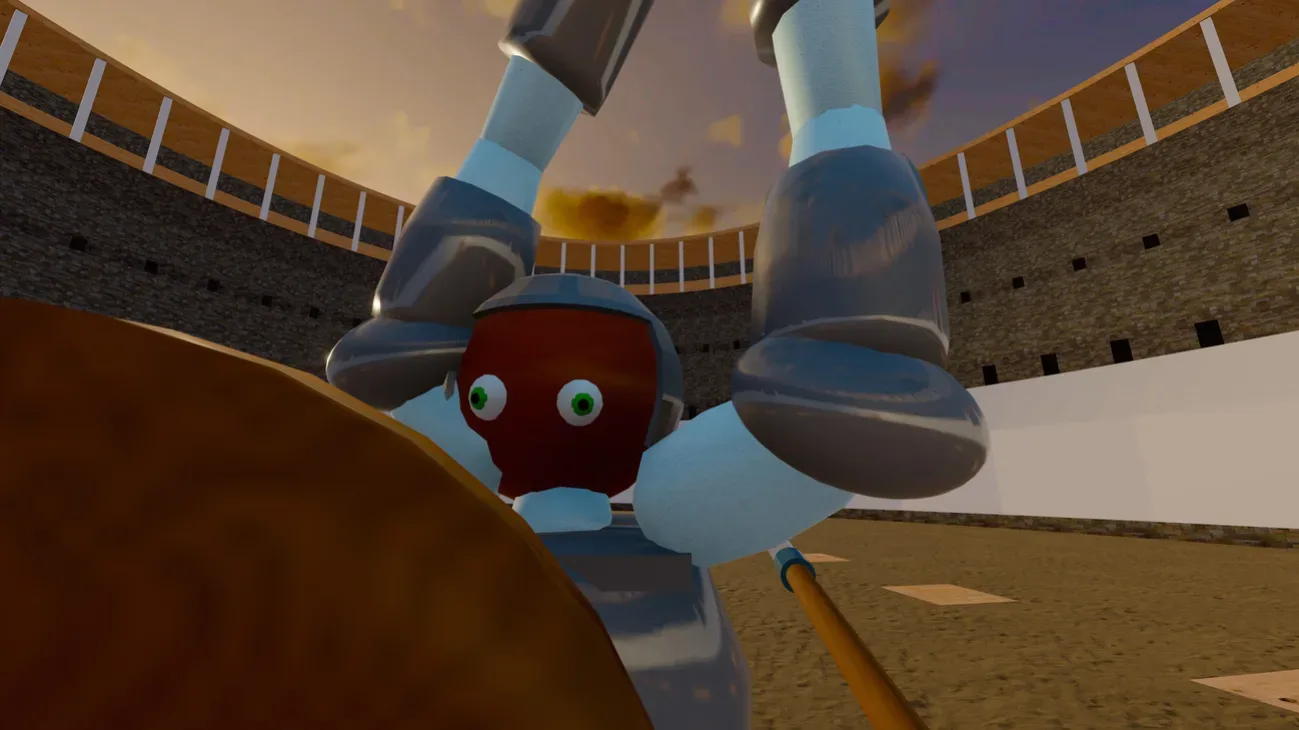
The Joust has reached a rapid development milestone: its team says it has issued more than 100 updates in fewer than 100 days after four months of work. The latest push includes an overhaul of the game’s engine and graphics, intended to improve both performance and visual presentation, while also adding features requested by its community.
For a game built around physics-based combat, the engine work is potentially more consequential than a routine visual refresh. An engine is the software foundation that handles systems such as rendering, input, physics and performance. Changes at that level can affect how the game looks, how efficiently it runs, and how consistently its simulation behaves. The development team has not detailed the precise technical changes or benchmark results, so players should treat the stated performance and visual improvements as the intended outcome rather than a quantified comparison.
A fast update count, with a major technical change behind it
More than 100 updates in fewer than 100 days is a striking cadence on its own. Update totals can cover everything from modest fixes to substantial additions, and the available information does not provide a complete breakdown of each patch. Still, the accompanying engine and graphics overhaul makes clear that this was not presented solely as a sequence of small adjustments.
The practical significance of an engine overhaul is that it may touch several interconnected parts of a game at once. Graphics work can improve the image players see on screen, while performance work concerns how smoothly and reliably that image is produced. Physics work is especially relevant to The Joust, because the game identifies physics-based combat as a central feature. In a physics-driven design, movement, collisions and the interaction between combatants are governed by simulated forces and objects rather than only fixed, pre-authored animations.
That does not automatically mean every patch changes combat behavior. Nor is there enough information to say whether the overhaul alters the feel of particular weapons, classes or abilities. What is established is that the team has updated the underlying engine and graphics and says the work is meant to improve visuals and performance.
What The Joust includes
The game’s scope combines class variety, several multiplayer arrangements and a suite of in-game creation tools. Its listed feature set includes:
- Physics-based combat.
- More than 100 playable classes.
- Distinct weapons, attributes and abilities across those classes.
- Multiplayer for up to 20 players.
- Support for eight-player co-op.
- Four-player split-screen play.
- In-game modding tools: Stage Builder, Campaign Builder, Weapon Builder and Ability Editor.
- Support for integrated graphics.
The “100-plus playable classes” figure is worth separating from a claim of 100 entirely different games within one package. A class generally describes a playable role or character framework with a particular set of traits. Here, the team says classes differ in weapons, attributes and abilities. Attributes are the underlying characteristics that define a class, while abilities are the actions or powers available to it. The provided details do not specify how many weapons or abilities exist overall, how classes are unlocked, or how closely related any two classes may be.
Even so, that structure suggests the game’s variation is designed to come from changing a player’s tools and characteristics rather than merely swapping cosmetic appearances. In a physics-based combat setting, different weapons and ability sets can matter not just as menu statistics but as variables in the same simulated encounters. That is an interpretation of the stated systems, not a claim about the balance or effectiveness of any individual class.
Related coverage includes The Joust Passes 100 Updates With Engine and Graphics Overhaul.
Multiplayer options extend from local screens to larger sessions
The Joust lists multiplayer for up to 20 players, with eight-player co-op and four-player split-screen among its supported modes. These are separate capacity figures, not evidence that every configuration can run simultaneously. The announcement does not identify the online or local split for the 20-player option, explain the objectives available in co-op, or state how split-screen relates to the larger multiplayer cap.
Still, the range is notable because it covers different ways a group might approach the game. Co-op means players work together toward shared play rather than directly competing, while split-screen places multiple player views on a single display. The latter remains useful for households, gatherings and local sessions where separate systems are not required. The 20-player figure, meanwhile, points to an ambition beyond a small-party-only combat game, though players looking for exact server, matchmaking or mode details will need to check the game’s Steam Community Hub and store listing.
For broader context on games dated November 5, readers can also see the day’s release roundup.
Builders put stages, campaigns, weapons and abilities in players’ hands
Perhaps the most expansive part of the listed feature set is the built-in modding toolkit. The game includes a Stage Builder, Campaign Builder, Weapon Builder and Ability Editor. These names describe four distinct layers of player creation.
- Stage Builder: a tool for creating play spaces or levels.
- Campaign Builder: a tool intended for arranging gameplay into a broader sequence or scenario structure.
- Weapon Builder: a tool for making weapons.
- Ability Editor: a tool for modifying or creating abilities.
The announced tool names do not establish how deep their options go, whether creations can be shared automatically, or what limits apply to user-made content. Those are important practical questions for anyone interested in modding. A tool can be in-game without necessarily providing every workflow associated with external development software. But offering builders across maps, campaigns, weapons and abilities indicates that the game’s creator focus is not limited to a single kind of custom content.
That breadth also helps explain why community-requested features are a meaningful part of the update message. A game with both multiplayer and player-facing building tools has multiple types of users to serve: players interested in combat, groups organizing sessions, and creators assembling stages or other content. The team says it has added many requested features, but it has not named individual requests in the information available here.
Integrated-graphics support matters, but does not define a performance target
The team also lists support for integrated graphics. Integrated graphics refers to graphics hardware built into a processor rather than a separate, dedicated graphics card. That can be relevant for players using systems without standalone graphics hardware, including many everyday computers.
Support should not be read as a guarantee of a particular resolution, frame rate or quality preset. None of those targets were provided. It does, however, align with the team’s stated emphasis on performance improvements and suggests an effort to accommodate a wider set of PC hardware configurations. Prospective players should still consult the Steam listing for current requirements and compatibility details before making a purchase.
Where the update trail continues
Update logs and community discussion are available through the Steam Community Hub, while the game itself is listed on Steam. For a project moving at this pace, those pages are the most direct place to follow individual patch notes, feature requests and future changes.
The Joust is developed by The Joust Development Team and is offered for $1. The newly reported engine and graphics overhaul is the headline change, but the larger picture is a low-priced game with a broad stated feature list: physics combat, more than 100 classes, multiple multiplayer formats and in-game creation tools. The remaining questions are in the detail of the patch notes—what changed under the hood, how the requested features were implemented, and how the team continues to develop the game after this intense early update run.